Cyanoglycosides isolated from Moringa oleifera seeds inhibited PFKFB3/TGF-β1/smads pathway to alleviate diabetic nephropathy through driving metabolic reprogramming
Chengyu Ge, Zhihua Shi, Jia He, Xu Feng, Kaiqi Shang, Xiaolin Liao, Yufeng Liu, Yueping Jiang, Shao Liu

TL;DR
This study finds that compounds from Moringa seeds protect kidney cells in diabetic nephropathy by altering metabolism and reducing inflammation.
Contribution
Two novel cyanoglycosides from Moringa seeds were identified and shown to protect against diabetic nephropathy through metabolic reprogramming.
Findings
Five compounds from Moringa seeds showed renoprotective effects in high-glucose-induced kidney cells.
The compounds suppressed oxidative stress, inflammation, and TGF-β1/Smad signaling while preserving mitochondrial function.
These effects were linked to metabolic reprogramming via modulation of PFKFB3 and inhibition of key signaling pathways.
Abstract
Diabetic nephropathy (DN) is a major complication of diabetes. Moringa oleifera seeds are recognized as a source of bioactive compounds with potential health benefits, prompting investigation into their specific components and effects on DN. This study aimed to isolate bioactive compounds from M. oleifera seeds and evaluate their renoprotective effects and underlying mechanisms of action against high-glucose-induced diabetic nephropathy. Four cyanoglycosides and one cyanoaglycone were isolated from M. oleifera seeds using chromatographic techniques. The renoprotective effects of these compounds were then evaluated using an in vitro model of high-glucose-induced diabetic nephropathy in HBZY-1 mesangial cells. Mechanistic studies further investigated the compounds’ effects on oxidative stress, inflammation, mitochondrial function, expression of the glycolysis-related protein PFKFB3, and…
Genes, proteins, chemicals, diseases, species, mutations and cell lines named across the full text — each resolved to its canonical identifier and authoritative record.
Click any figure to enlarge with its caption.
 Figure 1
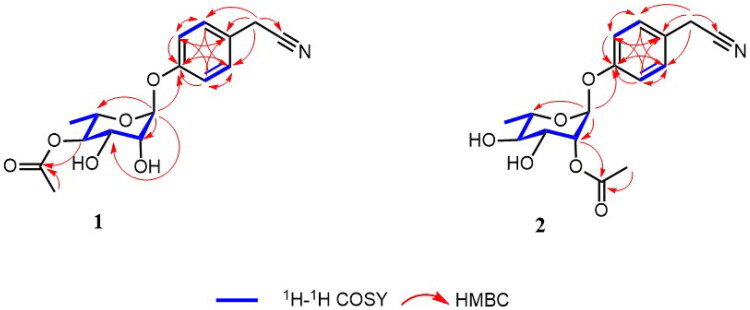 Figure 2
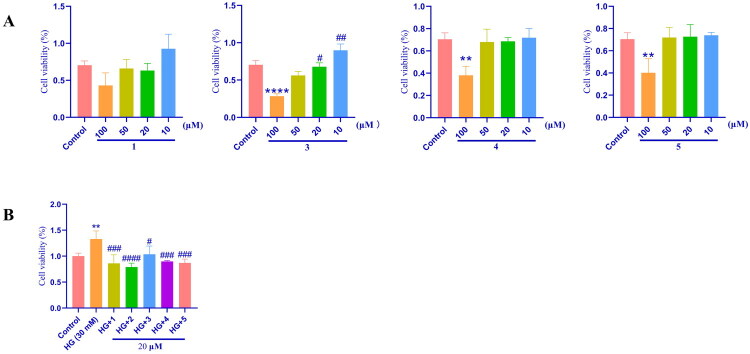 Figure 3
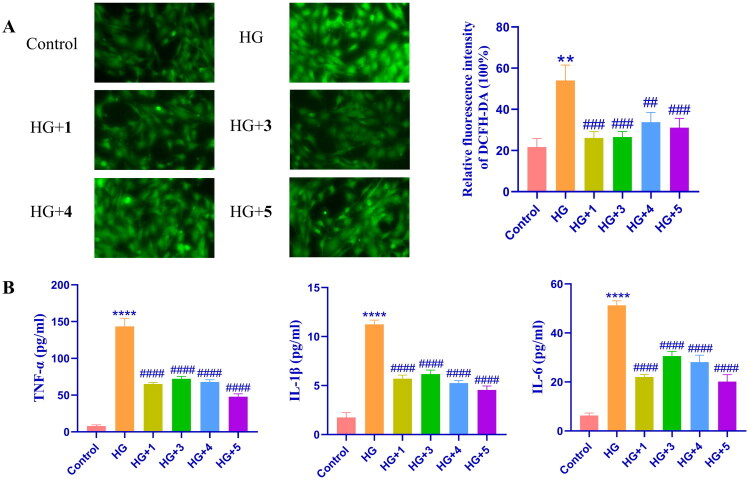 Figure 4
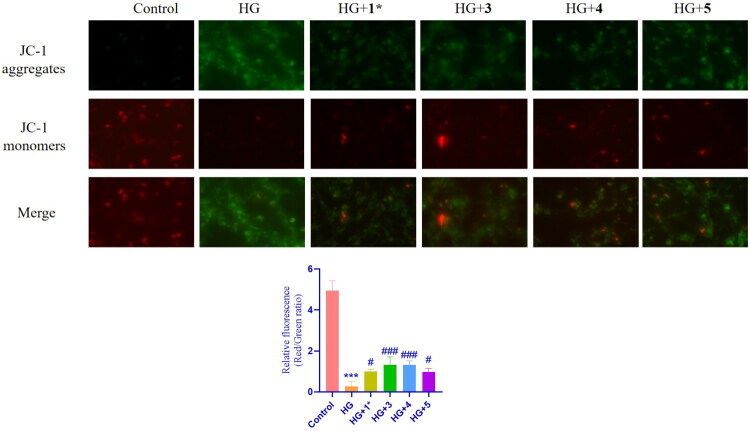 Figure 5
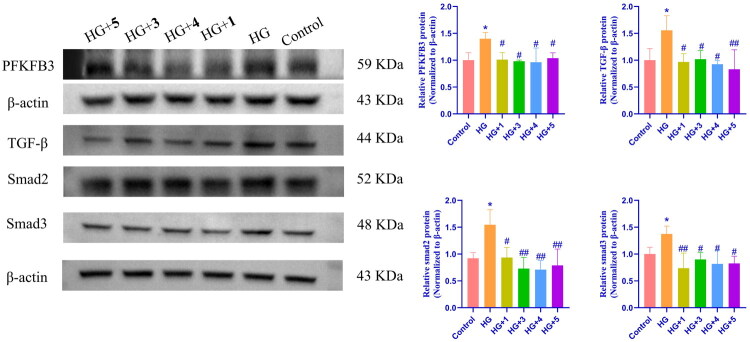 Figure 6
Peer Reviews
No public reviews on file for this paper yet. If you reviewed it on a platform where reviews are public (OpenReview, ICLR, NeurIPS, ICML), you can paste yours below so the community can read it here.
Videos
No videos yet. Explain this paper in a talk, walkthrough, or lecture? Add one.
Taxonomy
TopicsMoringa oleifera research and applications · Chronic Kidney Disease and Diabetes · Aldose Reductase and Taurine