Emergence, climate-driven expansion, and diversification of a European Vibrio vulnificus lineage (L4) with multi-host pathogenic potential
Héctor Carmona-Salido, Rubén Salvador-Clavell, Claudia Jäckel, Isabelle Schulze, Karla J.F. Satchell, Jens Andre Hammerl, Carmen Amaro

TL;DR
A European Vibrio vulnificus lineage (L4) is expanding northward due to climate change and shows increased pathogenic potential across multiple hosts.
Contribution
Discovery of a novel MARTX toxin variant and evidence of L4's northward expansion and multi-host pathogenicity in a warming climate.
Findings
L4 isolates exhibit extensive genetic plasticity, including three MARTX toxin architectures and multiple prophages.
A novel calmodulin-dependent NADase domain was identified in a previously undescribed MARTX variant (type H).
L4 strains can resist iron-overloaded human serum, indicating sepsis-causing potential in humans.
Abstract
Climate-driven changes are reshaping the ecology of Vibrio vulnificus in European waters. Here, we present a retrospective genomic and phenotypic analysis of pre-2018 isolates belonging to lineage 4 (L4), a phylogenetic group historically confined to the Mediterranean Sea and now detected in northern Europe. Using a lineage-specific multiplex PCR combined with whole-genome sequencing, we identified 49 clinical and environmental L4 isolates from German coastal waters. Comparative genomics revealed extensive genetic plasticity in L4, indicative of frequent recombination and horizontal gene transfer, including three MARTX toxin architectures, fourteen distinct capsular genotypes, two type VI secretion systems, and multiple prophages. Notably, nearly half of the L4 isolates encoded a previously undescribed MARTX variant (type H), apparently derived from recombination within a type C toxin…
Genes, proteins, chemicals, diseases, species, mutations and cell lines named across the full text — each resolved to its canonical identifier and authoritative record.
Click any figure to enlarge with its caption.
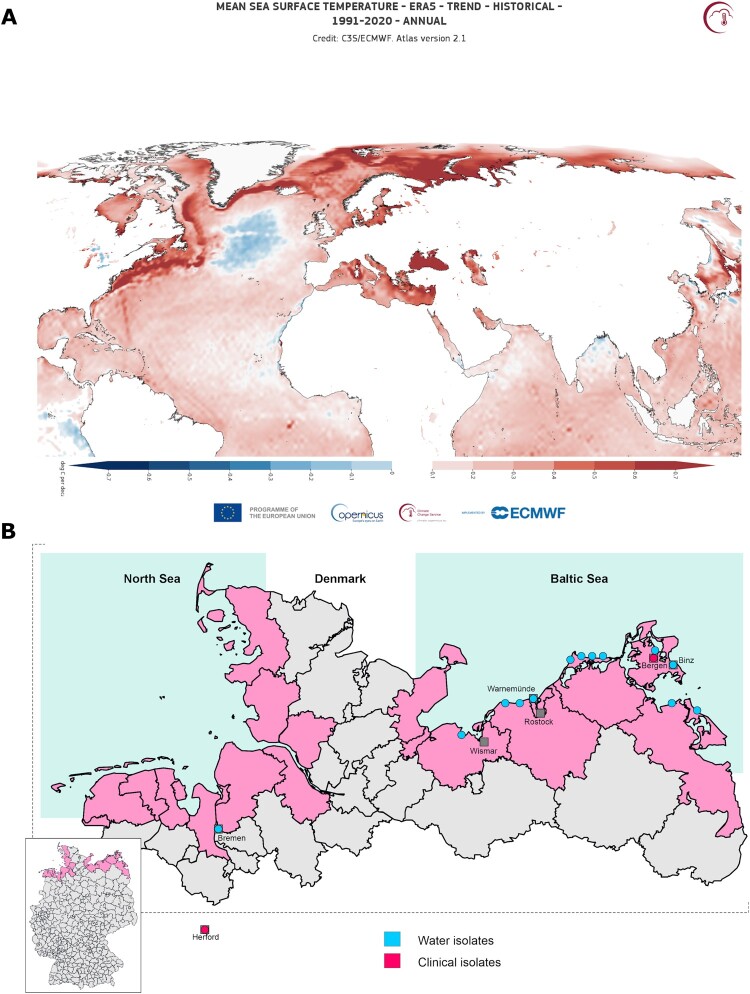 Figure 1
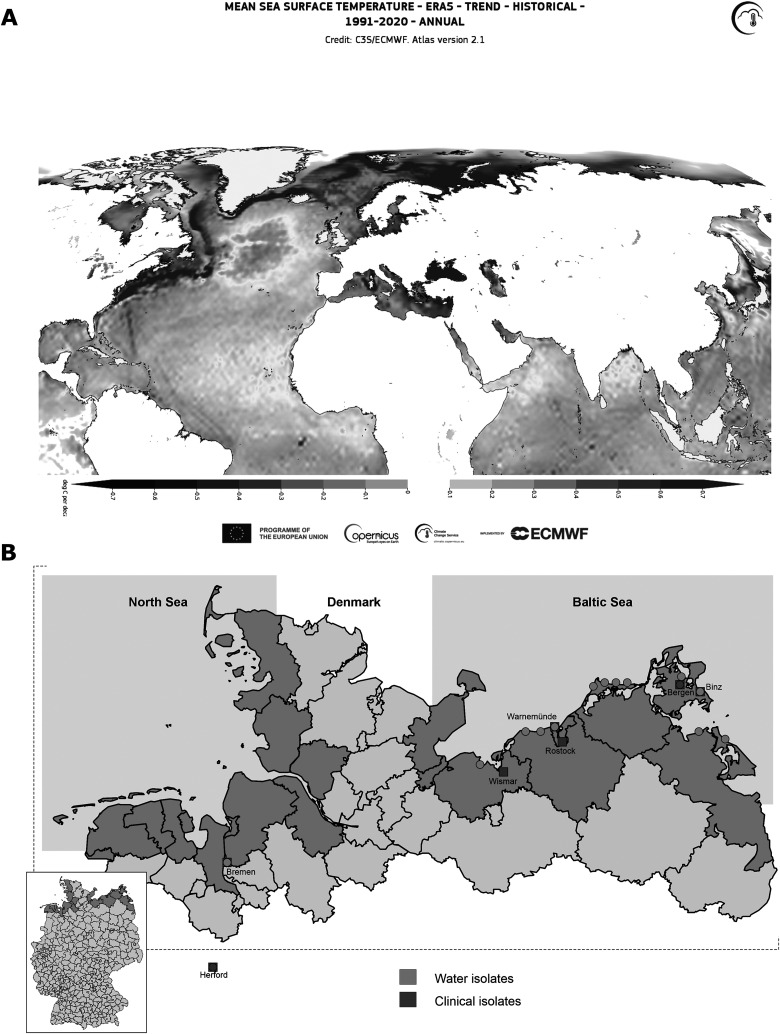 Figure 2
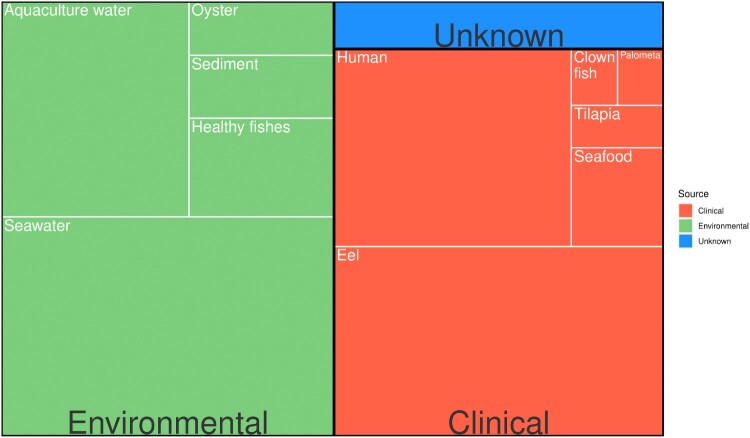 Figure 3
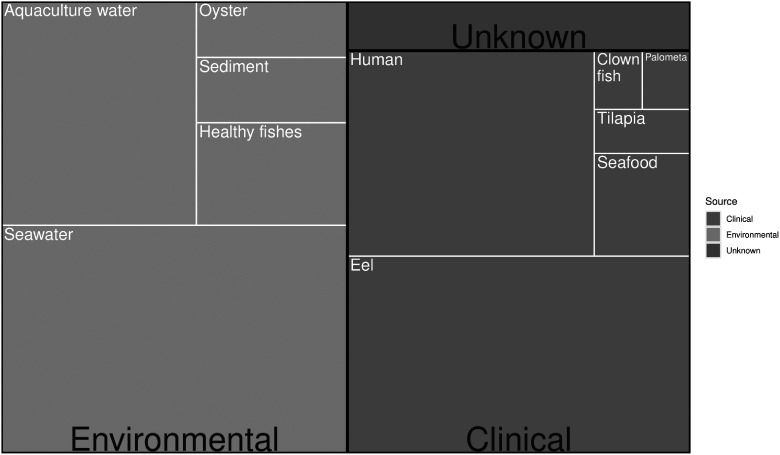 Figure 4
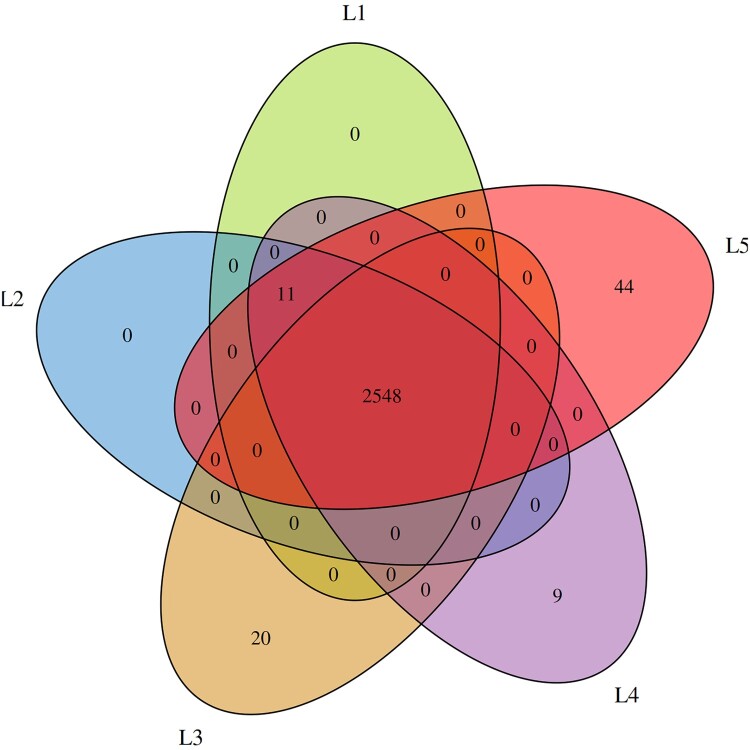 Figure 5
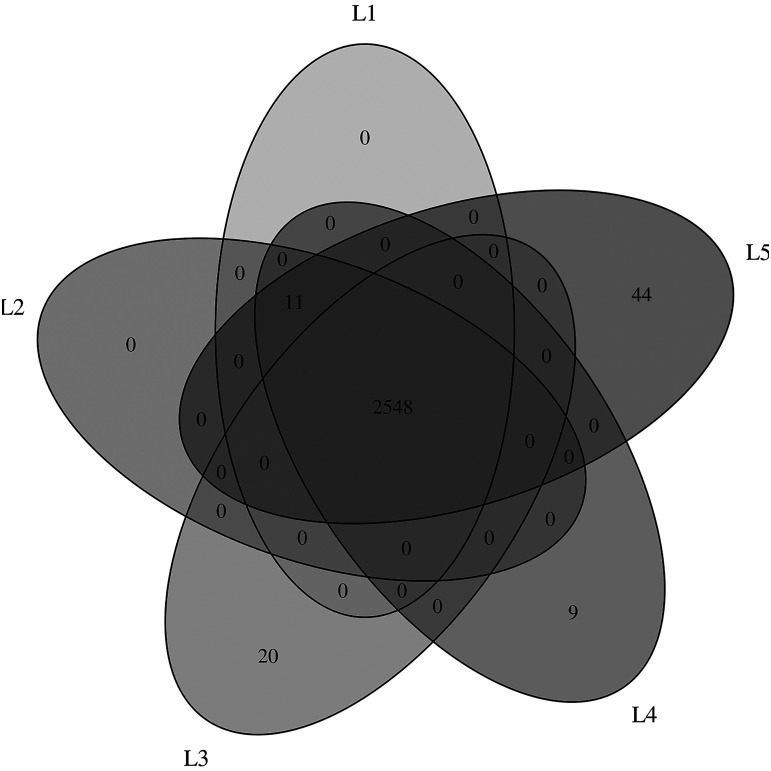 Figure 6
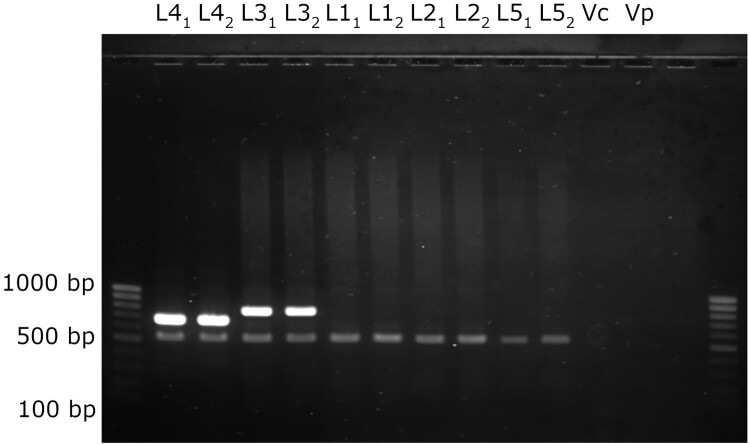 Figure 7
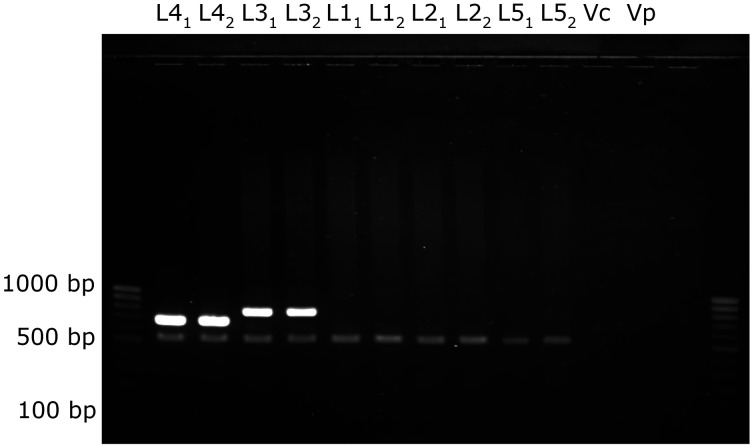 Figure 8
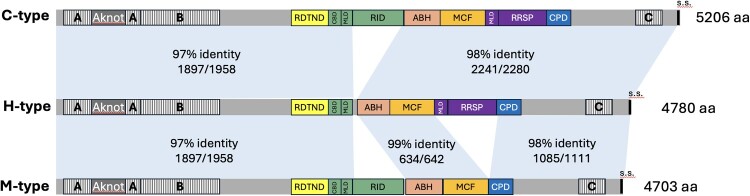 Figure 9
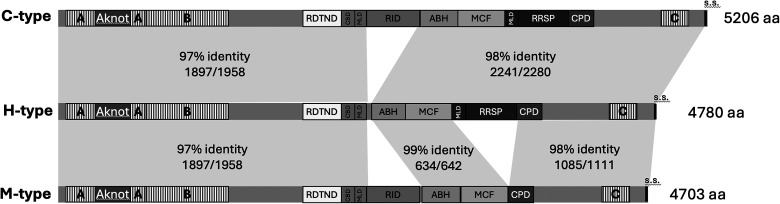 Figure 10
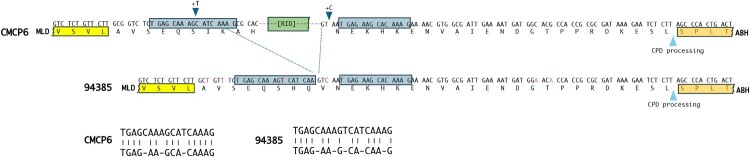 Figure 11
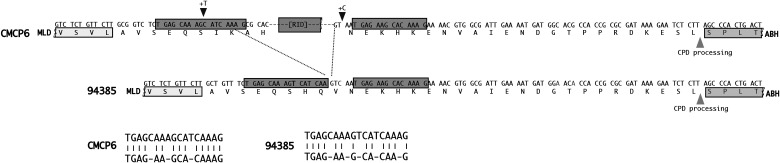 Figure 12
Peer Reviews
No public reviews on file for this paper yet. If you reviewed it on a platform where reviews are public (OpenReview, ICLR, NeurIPS, ICML), you can paste yours below so the community can read it here.
Videos
No videos yet. Explain this paper in a talk, walkthrough, or lecture? Add one.
Taxonomy
TopicsVibrio bacteria research studies · Aquaculture disease management and microbiota · Marine Invertebrate Physiology and Ecology