Advancing infection therapy: the role of novel menthol-based antimicrobials
Annalisa Di Rienzo, Abdelmoujoud Faris, Marina Mingoia, Carmela Conte, Lorella Marinucci, Gloria Magi, Maria Concetta Cufaro, Piero Del Boccio, Marco Maioli, Antonio Di Stefano, Ivana Cacciatore

TL;DR
This paper explores new menthol-based compounds that show strong antimicrobial properties and promote wound healing without causing toxicity.
Contribution
The study introduces novel menthol-based antimicrobials with enhanced therapeutic potential and wound healing properties.
Findings
MF1 and MCl2 showed potent antimicrobial activity and reduced biofilm biomass in various bacteria.
MCl2 promoted fibroblast-mediated wound healing within 24 hours without cytotoxic effects.
Molecular simulations confirmed strong binding and stability of the compounds with target proteins.
Abstract
In this work, 17 derivatives were synthesised by combining halogenated and non-halogenated cinnamoyl scaffolds with menthol and tested against a panel of Gram-positive and Gram-negative bacteria. Among the synthesised derivatives, MF1 and MCl2 demonstrated enhanced therapeutic potential. MF1 showed the most potent antimicrobial activity (MIC values ranging from 8 to 64 mg/L against E. faecium), representing a significant improvement over menthol, with a five-fold reduction in MIC50. Additionally, MF1 effectively reduced biofilm biomass production by 50% in S. aureus and by 20% in P. aeruginosa at sub-MIC concentrations. MCl2 reduced biomass by up to 40% in A. baumannii at the lowest subMIC concentrations tested (0.06 x MIC). Moreover, MCl2 showed potential as a wound healing agent promoting fibroblast-mediated repair within just 24 h. Notably, both compounds exhibited no cytotoxic…
Genes, proteins, chemicals, diseases, species, mutations and cell lines named across the full text — each resolved to its canonical identifier and authoritative record.
Click any figure to enlarge with its caption.
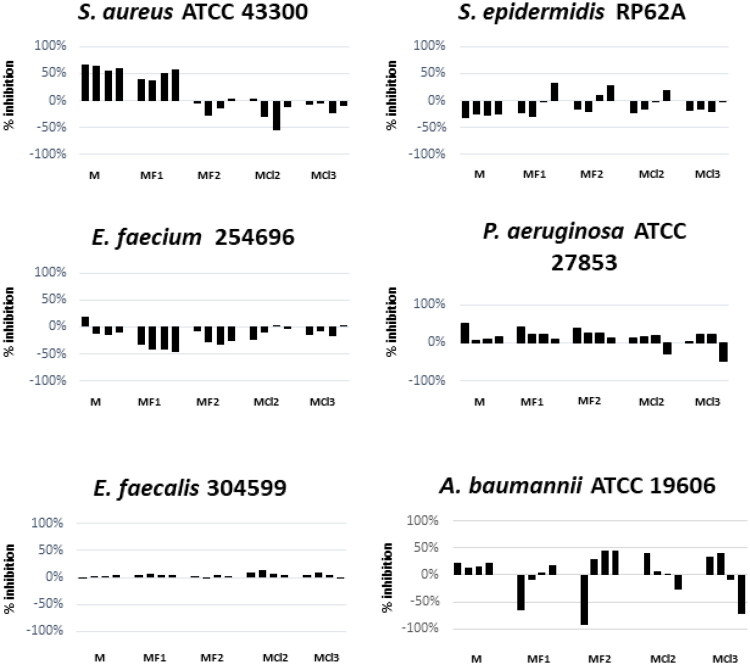 Figure 1
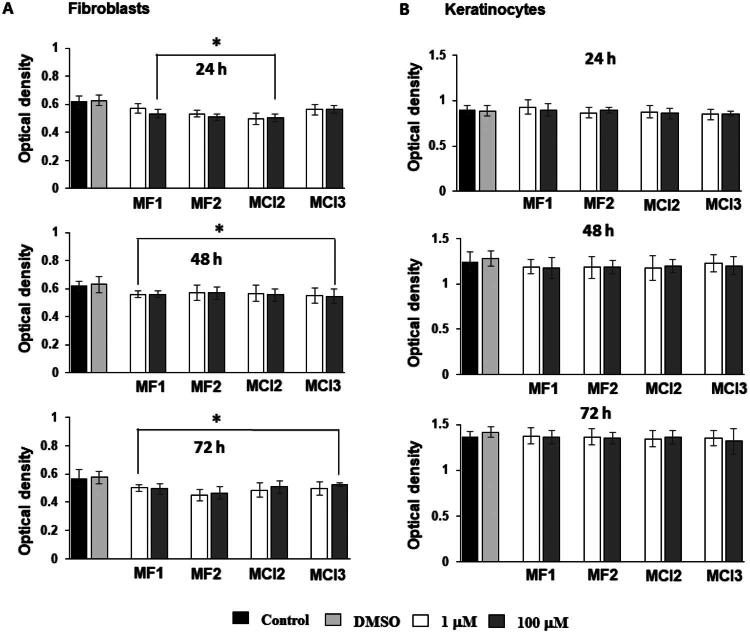 Figure 2
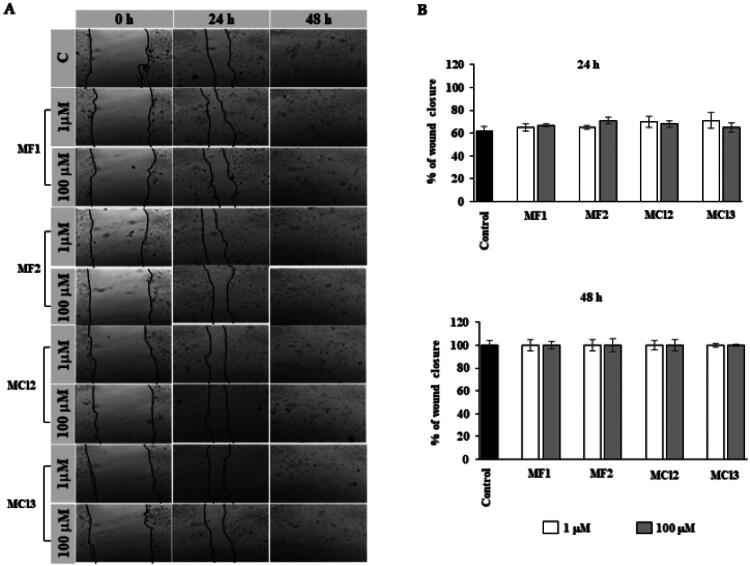 Figure 3
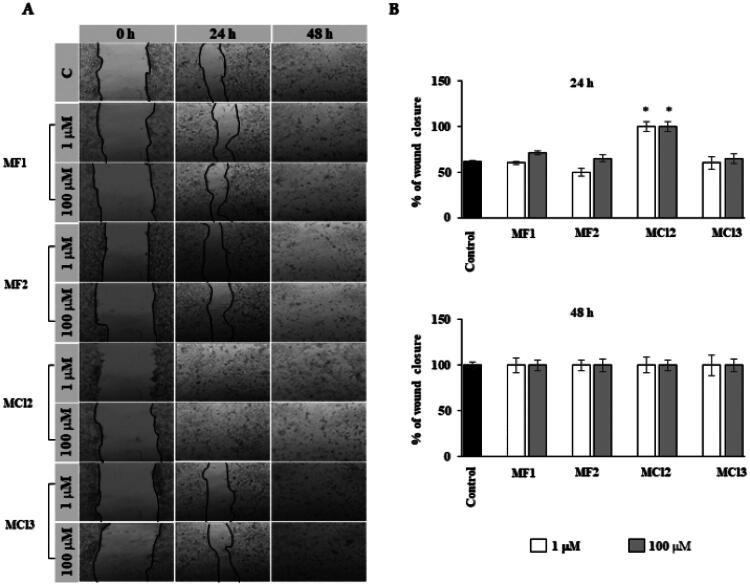 Figure 4
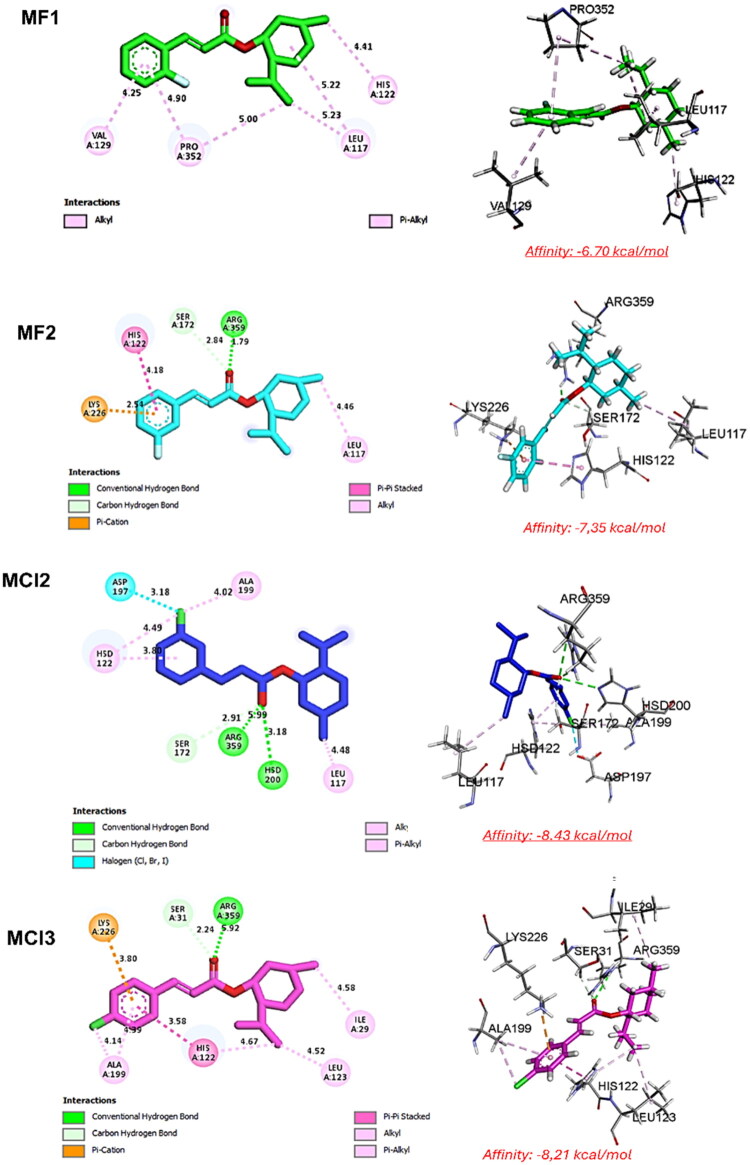 Figure 5
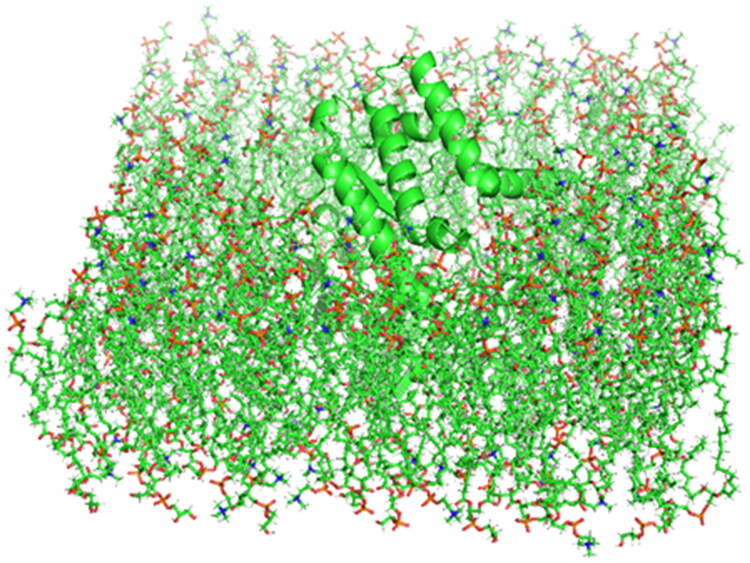 Figure 6
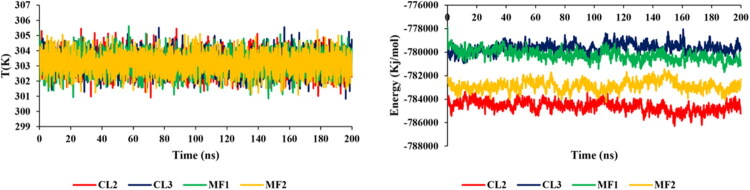 Figure 7
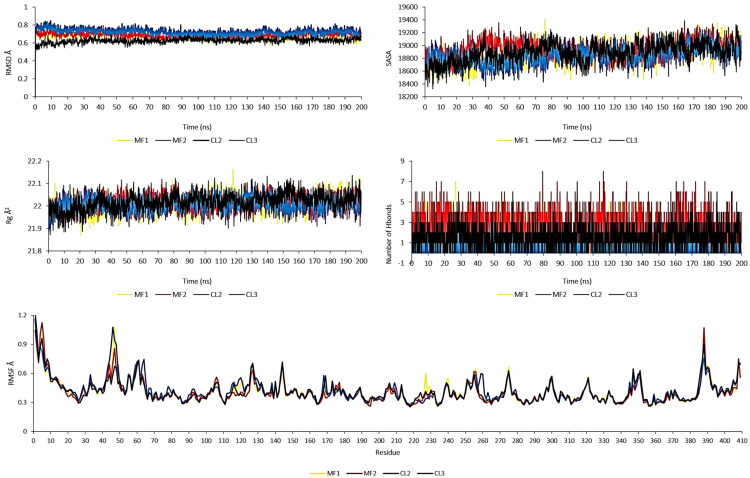 Figure 8
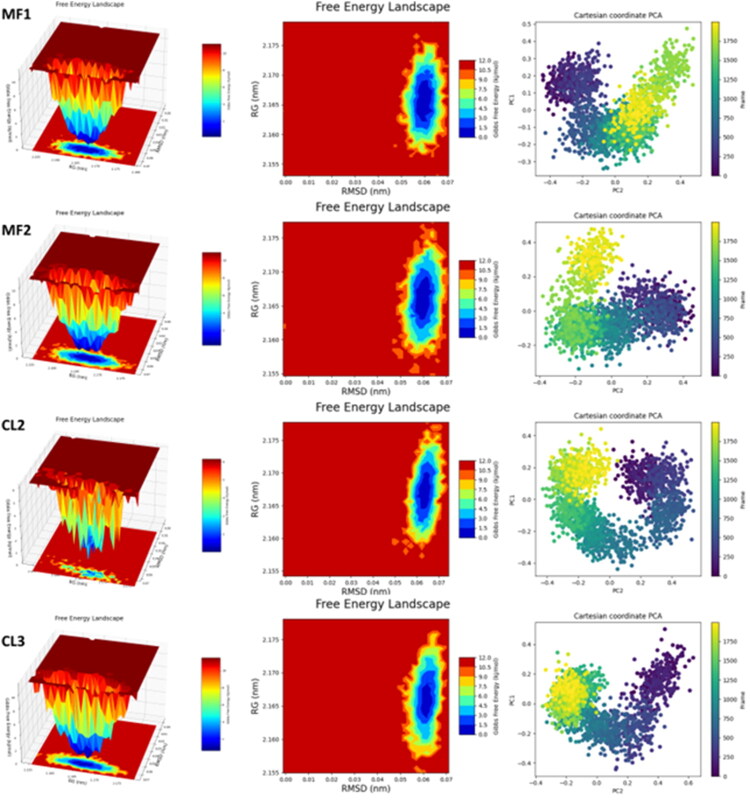 Figure 9
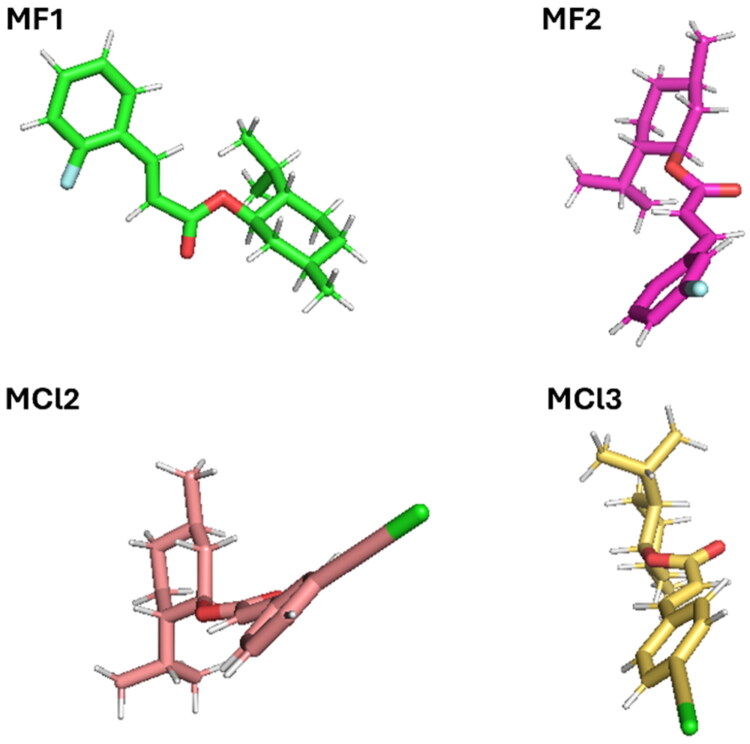 Figure 10
 Figure 11
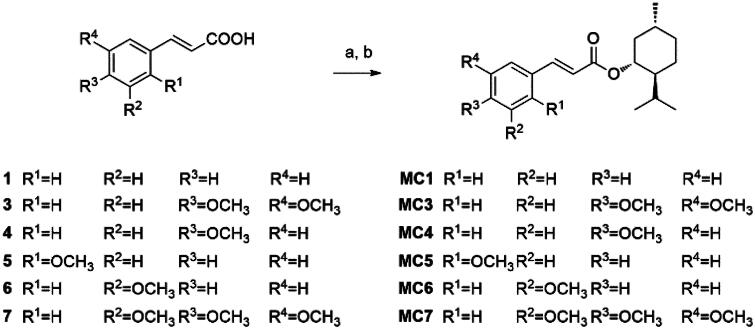 Figure 12
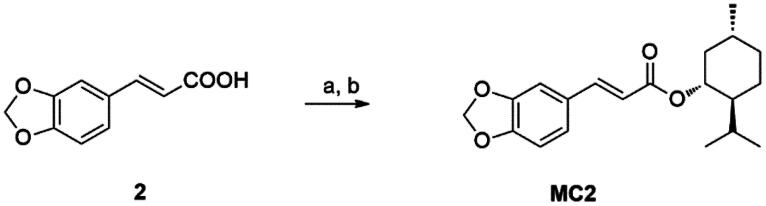 Figure 13
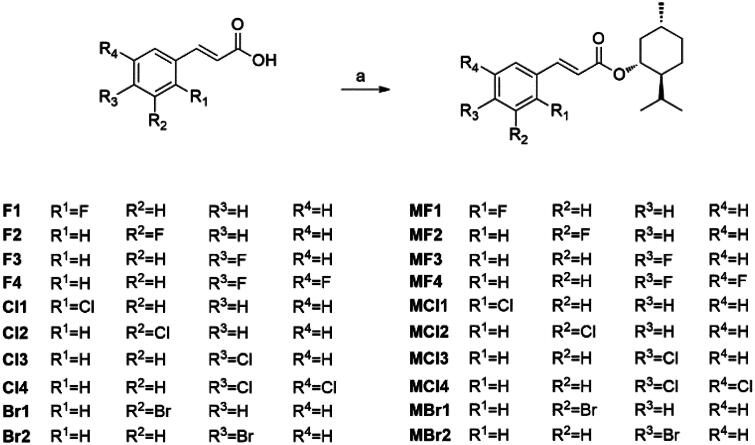 Figure 14
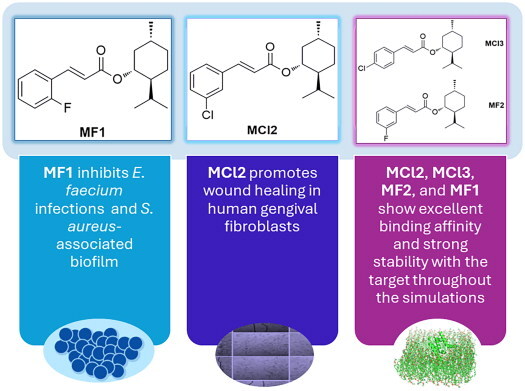 Figure 15
Peer Reviews
No public reviews on file for this paper yet. If you reviewed it on a platform where reviews are public (OpenReview, ICLR, NeurIPS, ICML), you can paste yours below so the community can read it here.
Videos
No videos yet. Explain this paper in a talk, walkthrough, or lecture? Add one.
Taxonomy
TopicsWound Healing and Treatments · Bacterial biofilms and quorum sensing · Antimicrobial agents and applications