Assessment of sub-chronic toxicity and anti-aging effects of a solid self-microemulsifying drug delivery system of Kaempferia parviflora extract in a D-galactose-induced rat model
Somsuda Somintara, Waraporn Sakaew, Sarunya Tuntiyasawasdikul, Peera Tabboon, Catheleeya Mekjaruskul, Jenjiralai Phanphak, Choowadee Pariwatthanakun, Bungorn Sripanidkulchai, Tawut Rudtanatip

TL;DR
A new drug delivery system for Kaempferia parviflora extract was found to be safe and effective in reducing aging-related damage in rats.
Contribution
Developed and tested a solid SMEDDS formulation of K. parviflora extract for improved safety and anti-aging efficacy.
Findings
KPS-SMEDDS showed no toxicity in sub-chronic testing with no adverse effects on health parameters.
KPS-SMEDDS reduced oxidative stress and improved testicular health in D-galactose-induced aging rats.
KPS-SMEDDS modulated key aging and inflammation-related proteins and cytokines.
Abstract
The pharmacological effects of Kaempferia parviflora have been extensively documented. A solid self-microemulsifying drug delivery system (SMEDDS) has been developed to address limitations such as poor water solubility and low bioavailability. This study evaluated the safety and anti-aging efficacy of the solid SMEDDS containing K. parviflora extract (KPS-SMEDDS) in rats. A sub-chronic toxicity study was performed to assess the safety of KPS-SMEDDS. Healthy rats (n = 10/group) received oral doses of 125, 250, or 500 mg/kg body weight daily for 90 days. Clinical signs, body weight, hematological and biochemical parameters, and major organ histopathology were evaluated. Separately, the anti-aging effects of KPS-SMEDDS were investigated in a different cohort of rats (n = 9/group) with D-galactose-induced aging. Rats received intraperitoneal D-galactose (50 mg/kg/day) and oral KPS-SMEDDS…
Genes, proteins, chemicals, diseases, species, mutations and cell lines named across the full text — each resolved to its canonical identifier and authoritative record.
Click any figure to enlarge with its caption.
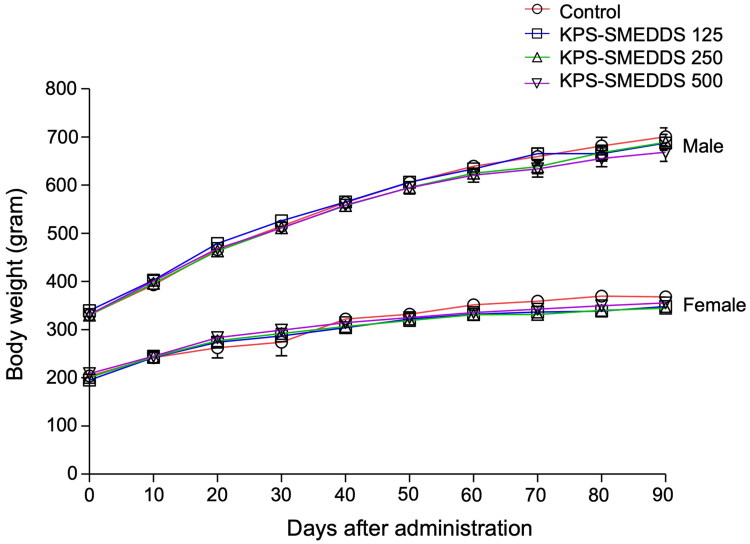 Figure 1
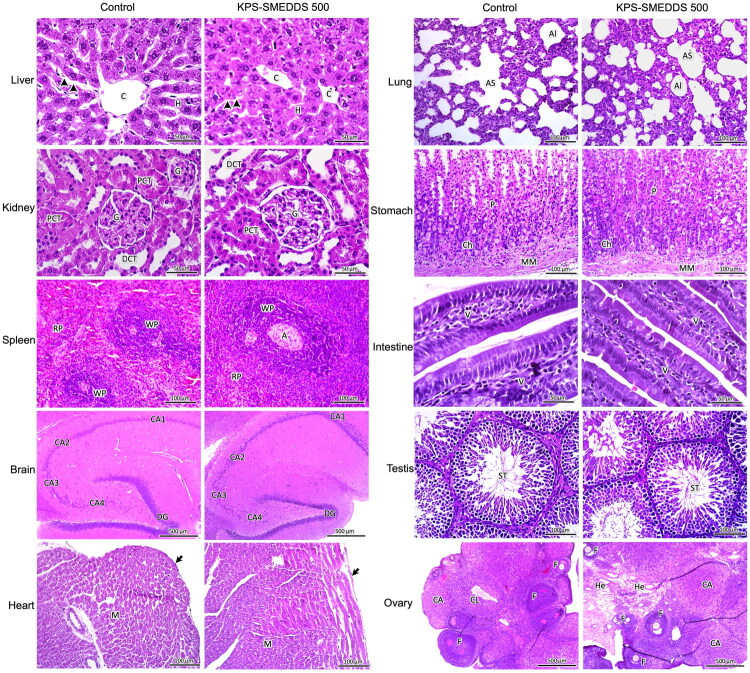 Figure 2
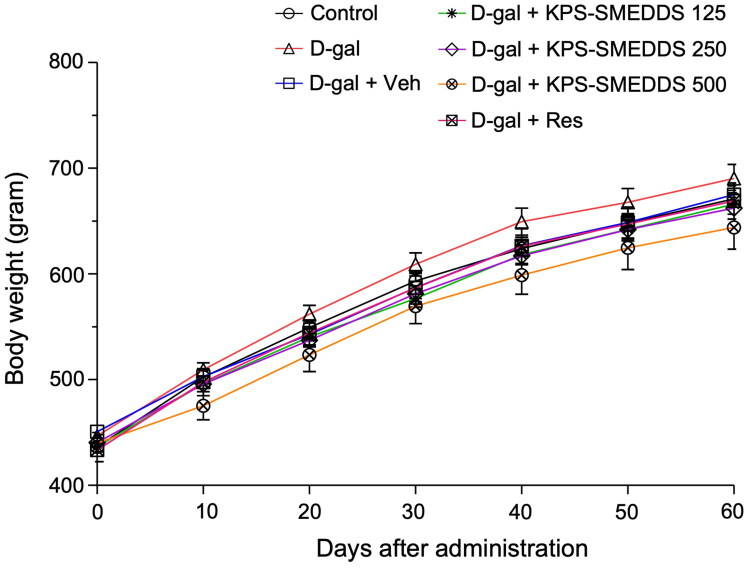 Figure 3
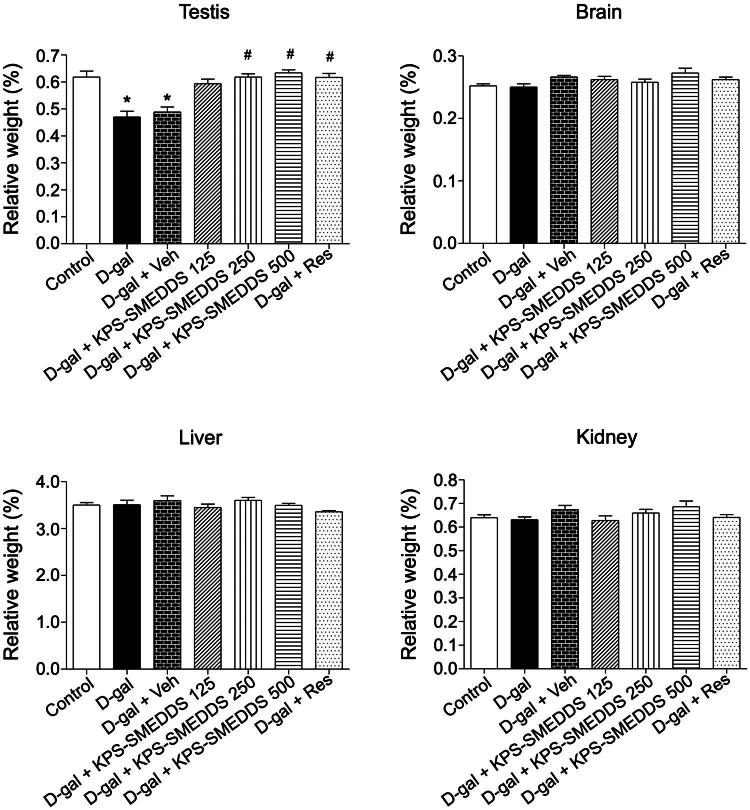 Figure 4
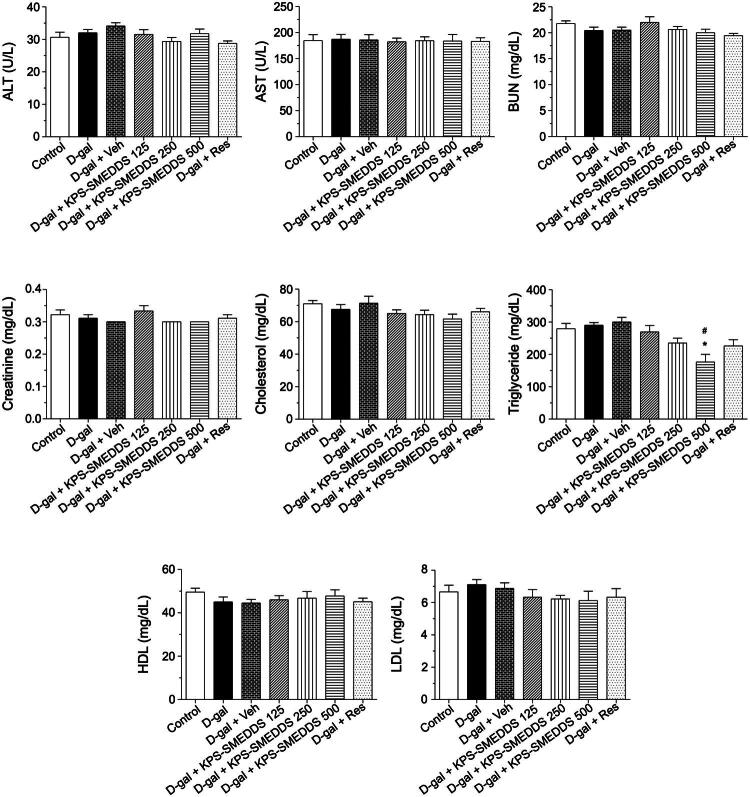 Figure 5
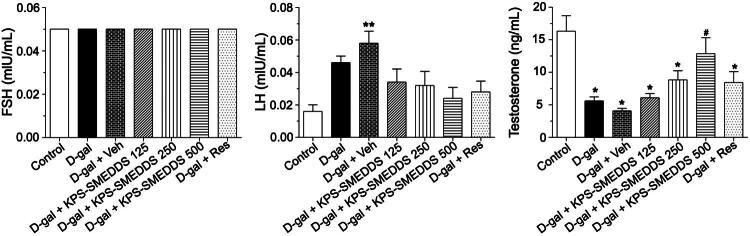 Figure 6
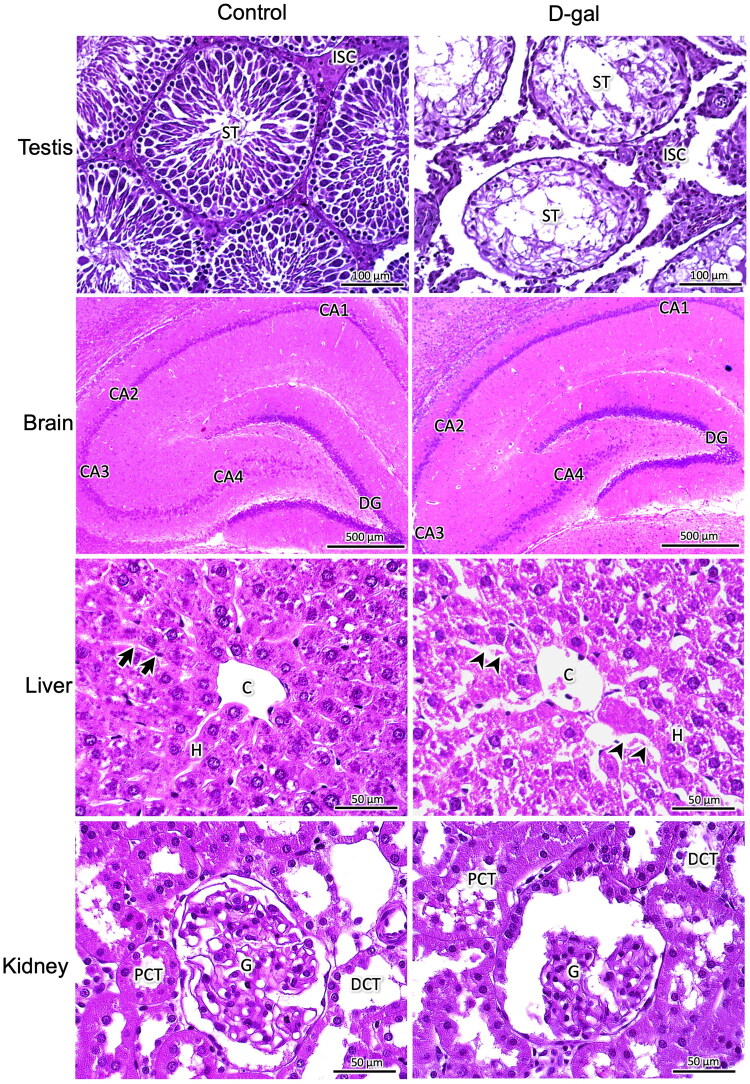 Figure 7
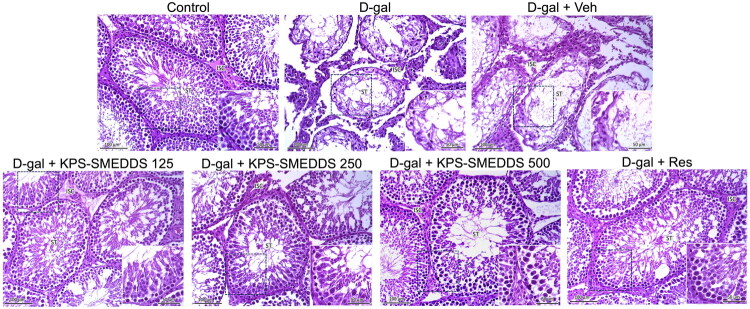 Figure 8
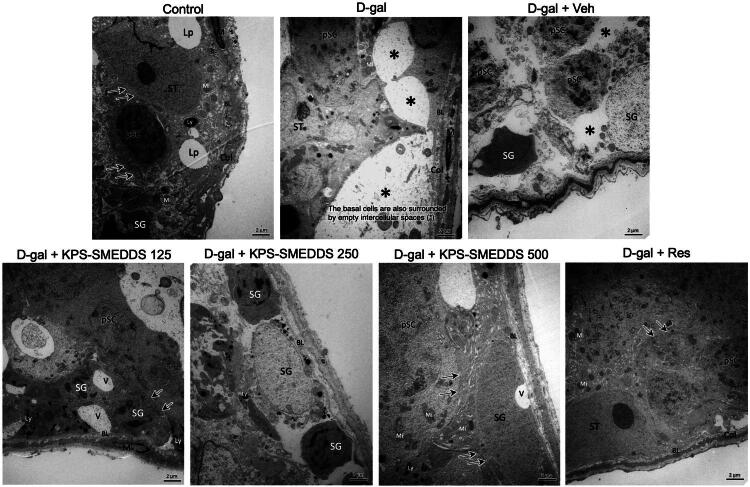 Figure 9
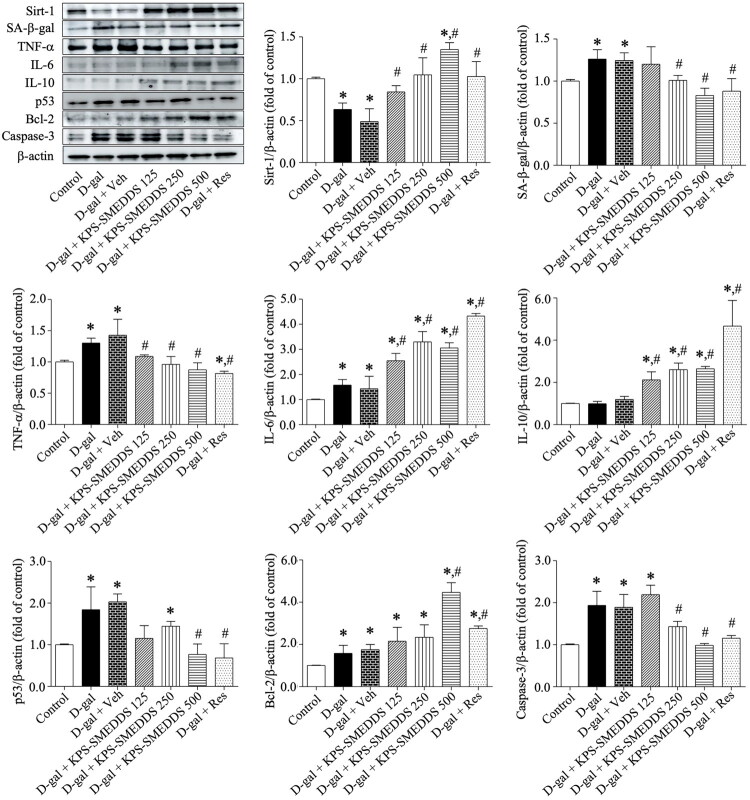 Figure 10
Peer Reviews
No public reviews on file for this paper yet. If you reviewed it on a platform where reviews are public (OpenReview, ICLR, NeurIPS, ICML), you can paste yours below so the community can read it here.
Videos
No videos yet. Explain this paper in a talk, walkthrough, or lecture? Add one.
Taxonomy
TopicsAntioxidants, Aging, Portulaca oleracea · Ginger and Zingiberaceae research · Natural Compound Pharmacology Studies