Genetic analysis of fetal skeletal dysplasia via whole exome sequencing and non-invasive prenatal diagnosis
Lulu Wang, Yinglu Zhang, Fangxiu Zheng, He Dong, Xinmei Zhu, Chenbo Jia, Bin Zhang

TL;DR
This study uses genetic testing to identify causes of fetal skeletal dysplasia and shows that whole exome sequencing is more effective than other methods.
Contribution
The study demonstrates the effectiveness of whole exome sequencing and non-invasive prenatal diagnosis in identifying genetic causes of fetal skeletal dysplasia.
Findings
Whole exome sequencing identified genetic causes in 55.88% of fetal skeletal dysplasia cases.
Non-invasive prenatal diagnosis using NGS showed consistent results with amniocentesis in detecting fetal skeletal dysplasia.
The FGFR3 gene was the most prevalent cause of fetal skeletal dysplasia in the study.
Abstract
Fetal skeletal dysplasia (SD) is a complex group of bone and cartilage with high genetic heterogeneity and phenotypic diversity. Our study aimed to identify the genetic causes of fetal SD, provide an accurate prenatal diagnosis for those families investigate non-invasive prenatal detection strategy, and facilitate clinical diagnosis of fetal SD. A Total 34 fetuses with SD were recruited and analyzed using chromosomal microarray analysis (CMA) and whole exome sequencing (WES). Moreover, a non-invasive prenatal diagnosis (NIPD) based on next-generation sequencing (NGS) using circulating fetal DNA in maternal plasma was performed on 5 SD fetuses. A Total 55.88% (19/34) fetueses with SD were identified with the genetic etiologies. A Total 27 cases underwent karyotype and CMA analysis, and the diagnostic rate was 3.70% (1/27), while 34 cases accepted WES, and the diagnostic rate was 55.88%…
Genes, proteins, chemicals, diseases, species, mutations and cell lines named across the full text — each resolved to its canonical identifier and authoritative record.
Click any figure to enlarge with its caption.
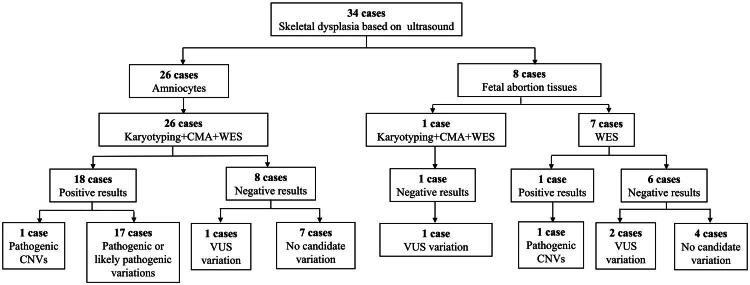 Figure 1
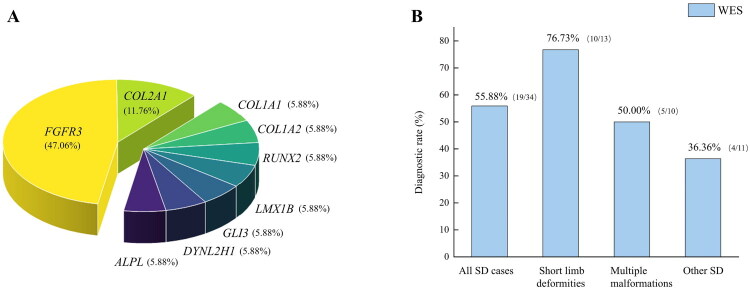 Figure 2
 Figure 3
 Figure 4
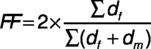 Figure 5
 Figure 6
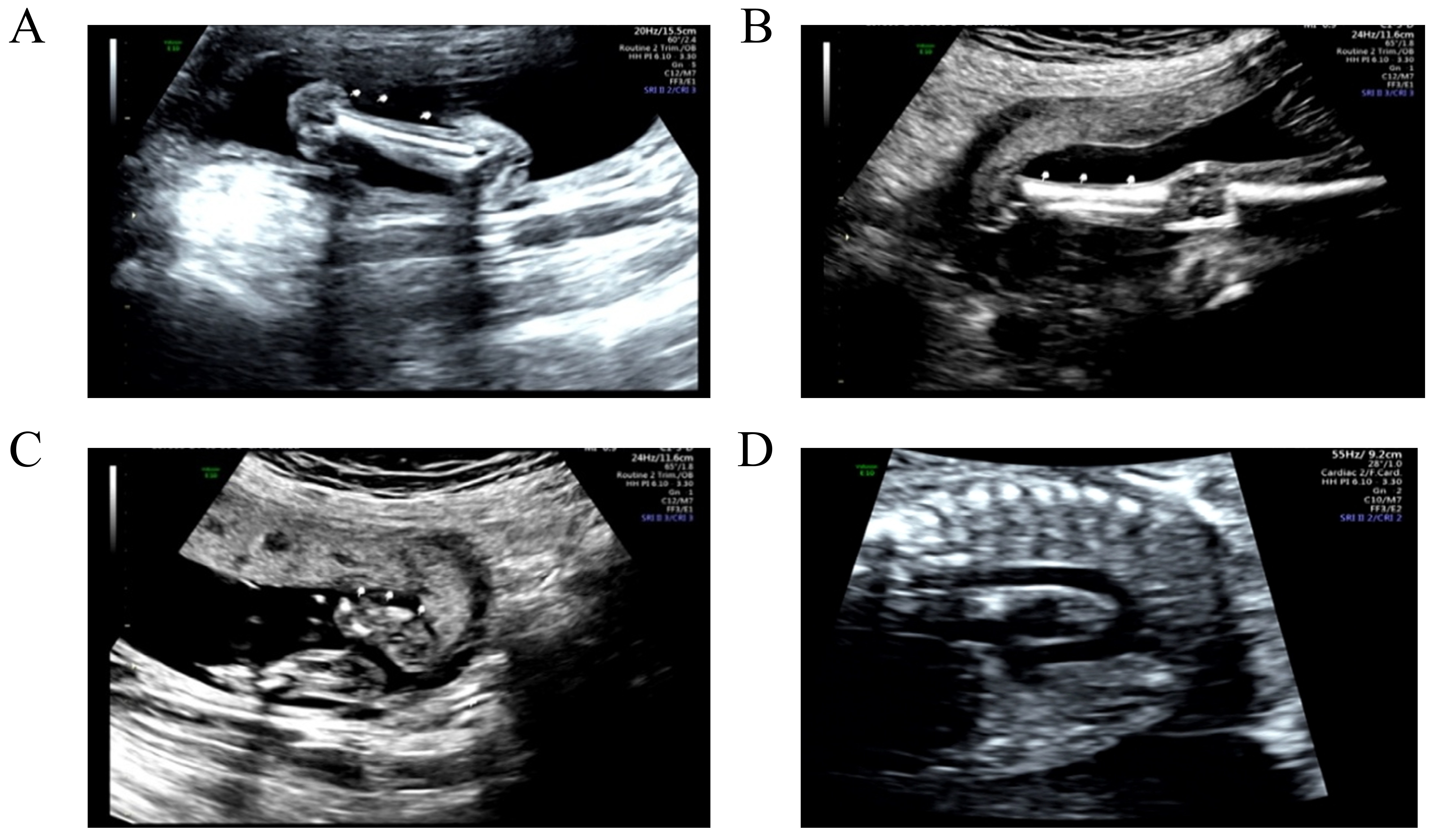 Figure 7
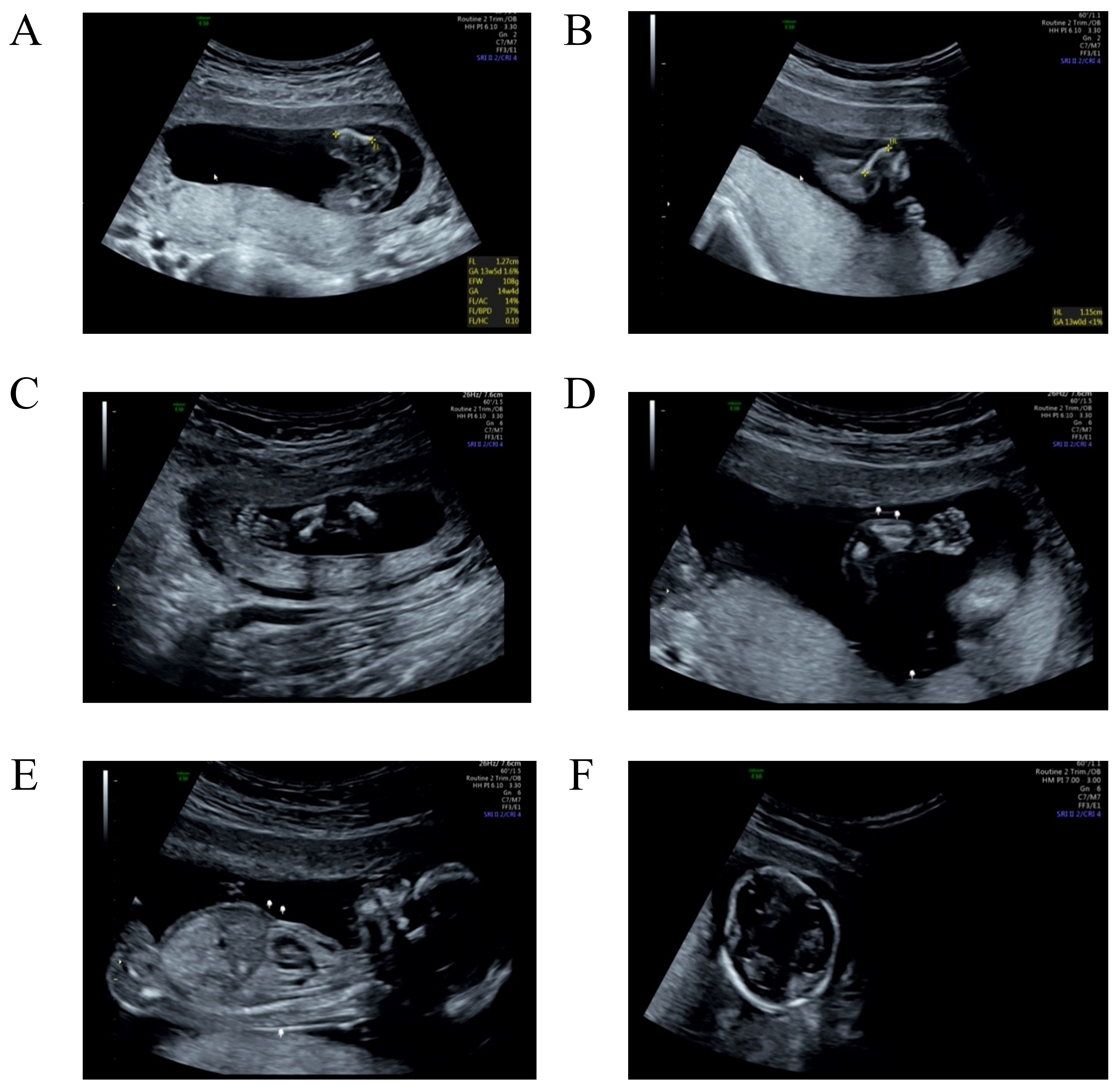 Figure 8
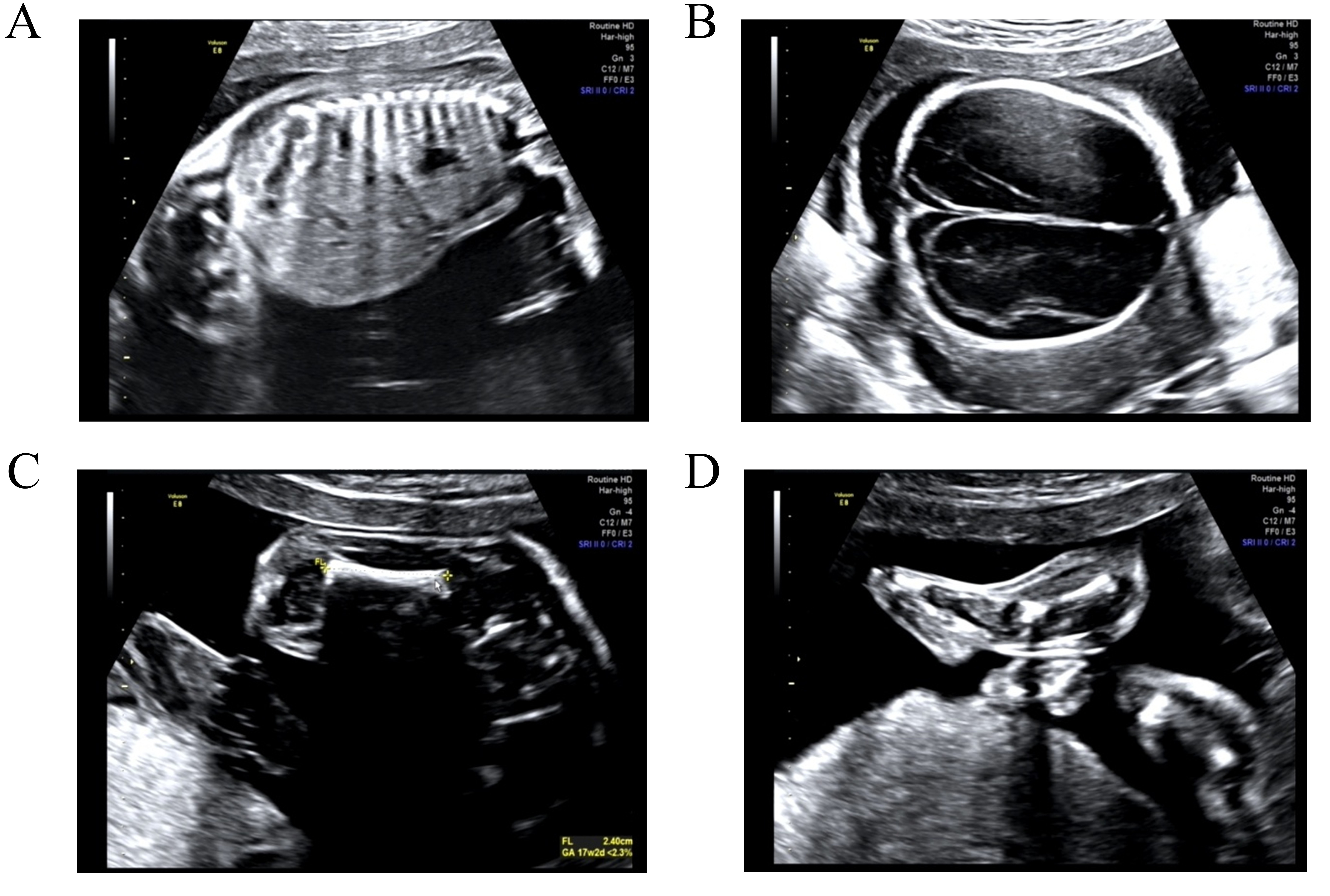 Figure 9
Peer Reviews
No public reviews on file for this paper yet. If you reviewed it on a platform where reviews are public (OpenReview, ICLR, NeurIPS, ICML), you can paste yours below so the community can read it here.
Videos
No videos yet. Explain this paper in a talk, walkthrough, or lecture? Add one.
Taxonomy
TopicsPrenatal Screening and Diagnostics · Genomics and Rare Diseases · Genomic variations and chromosomal abnormalities