Identification of the first peptide inhibitor of UBE2C enzymatic activity: insights from metadynamics-guided folding and binding studies
Luciano Pirone, Bianca Fiorillo, Annarita Del Gatto, Rita Russo, Alessandra Guarracino, Chiara Cassiano, Laura Zaccaro, Federica Moraca, Emilia Pedone, Bruno Catalanotti

TL;DR
Scientists designed a peptide that inhibits UBE2C, a cancer-related enzyme, using simulations and experiments to find a new potential cancer therapy.
Contribution
The first peptide inhibitor of UBE2C enzymatic activity is identified through metadynamics-guided folding and binding studies.
Findings
Peptide 5 binds UBE2C with micromolar affinity and inhibits UBE2C-Ub thioester complex formation.
Active peptides sample transient β-sheet conformations that correlate with binding compatibility.
This is the first report of a peptide inhibitor targeting UBE2C enzymatic activity.
Abstract
UBE2C (also known as UbcH10) is a ubiquitin-conjugating enzyme essential for mitotic progression and a potential therapeutic target in cancer. Here, we report a structure-based design and characterisation of peptides derived from a natural interacting partner (U1) aimed at modulating UBE2C activity. Biophysical and biochemical assays identified peptide 5 as a lead compound, capable of binding UBE2C with micromolar affinity and inhibiting the formation of the UBE2C-Ub thioester complex. Enhanced sampling molecular dynamics simulations revealed that peptide folding landscapes are correlated with activity, with active peptides sampling transient β-sheet conformations compatible with binding. To the best of our knowledge, this is the first report of a peptide inhibitor of UBE2C enzymatic activity.
Genes, proteins, chemicals, diseases, species, mutations and cell lines named across the full text — each resolved to its canonical identifier and authoritative record.
Click any figure to enlarge with its caption.
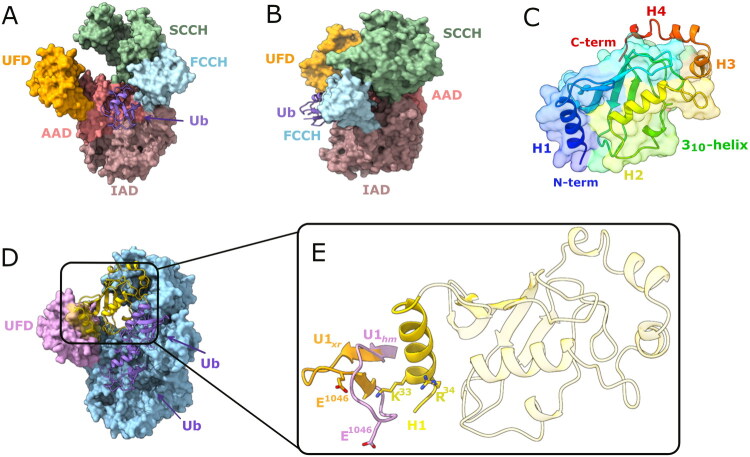 Figure 1
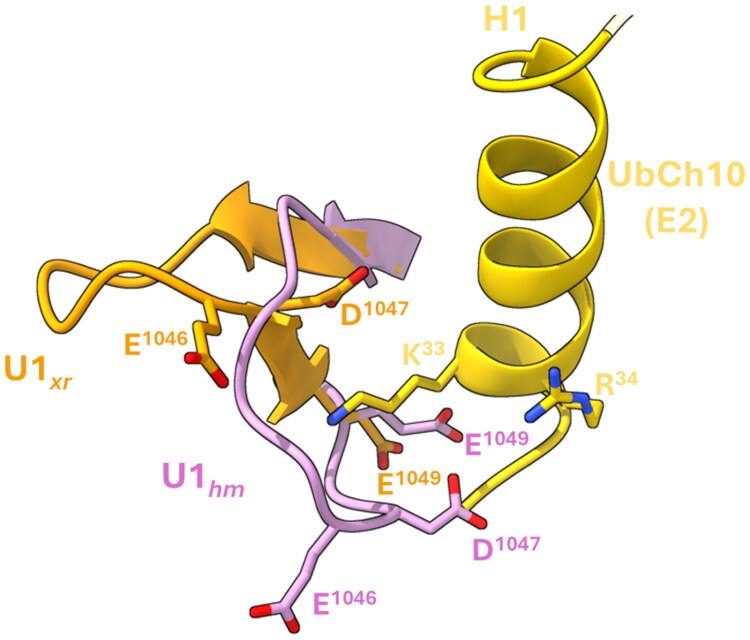 Figure 2
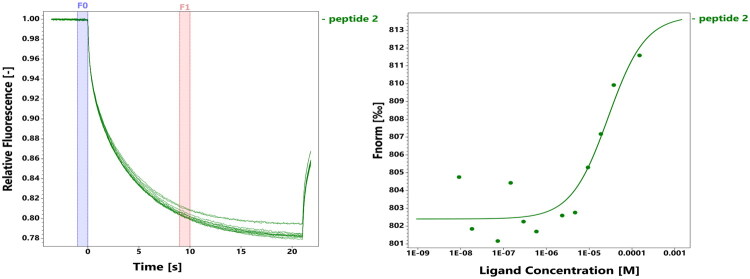 Figure 3
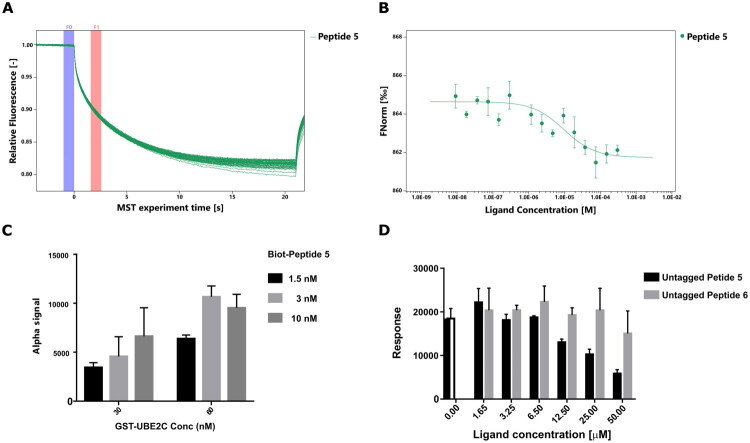 Figure 4
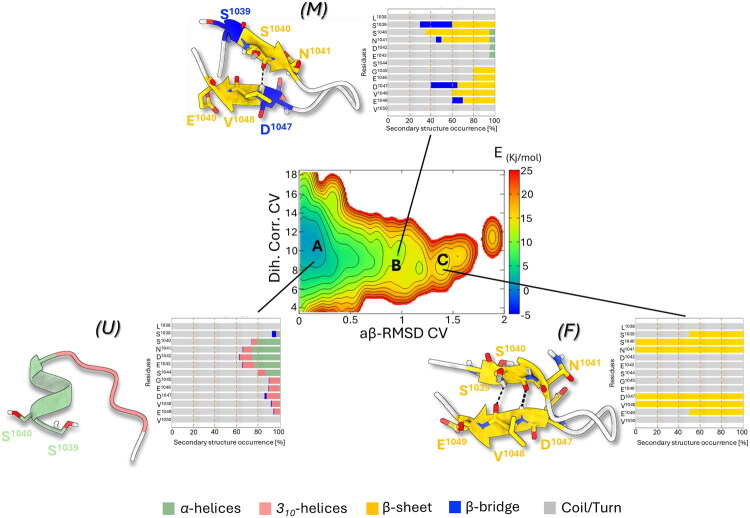 Figure 5
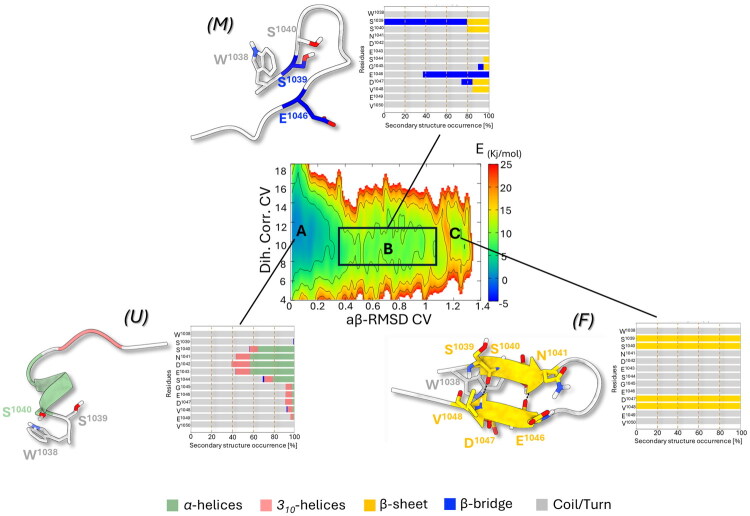 Figure 6
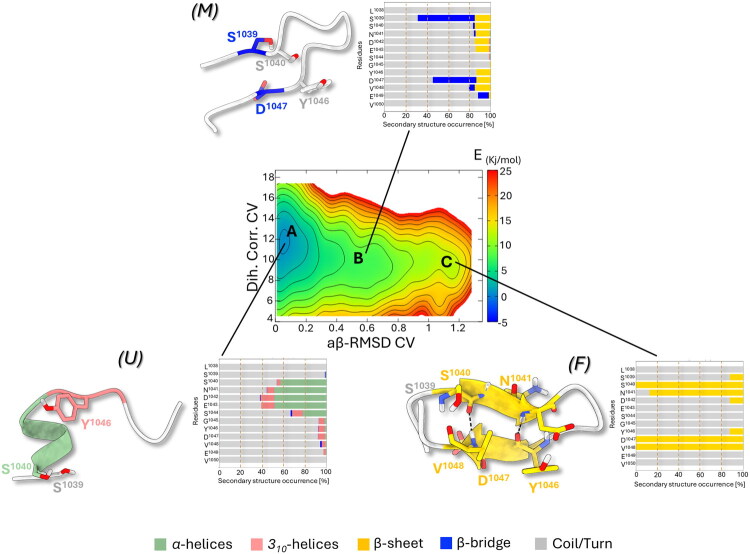 Figure 7
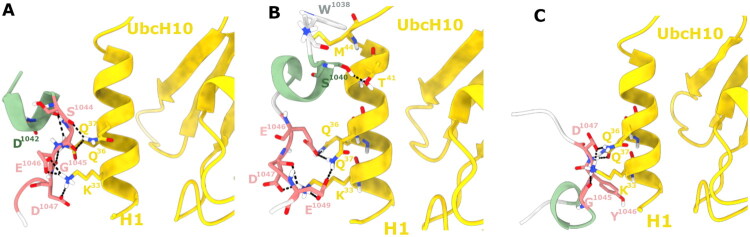 Figure 8
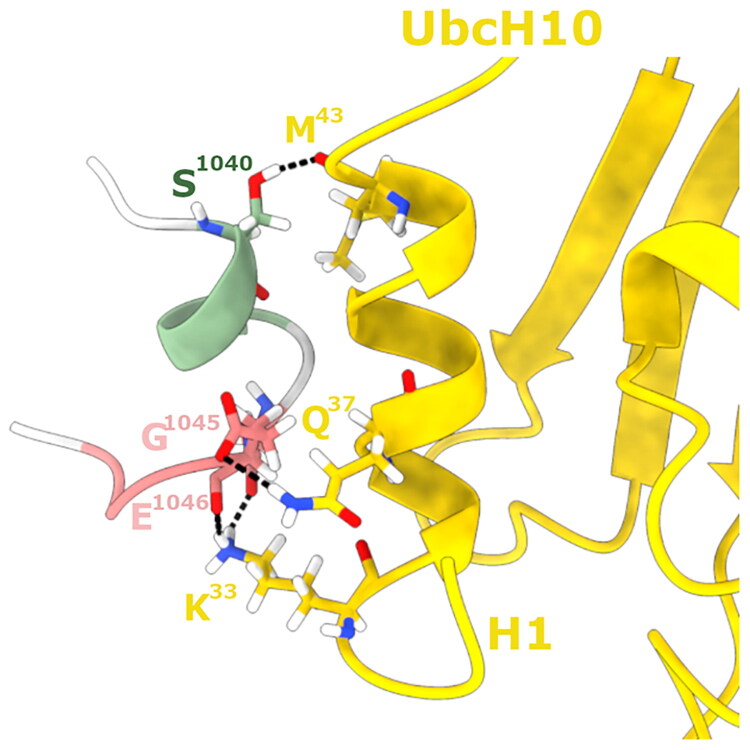 Figure 9
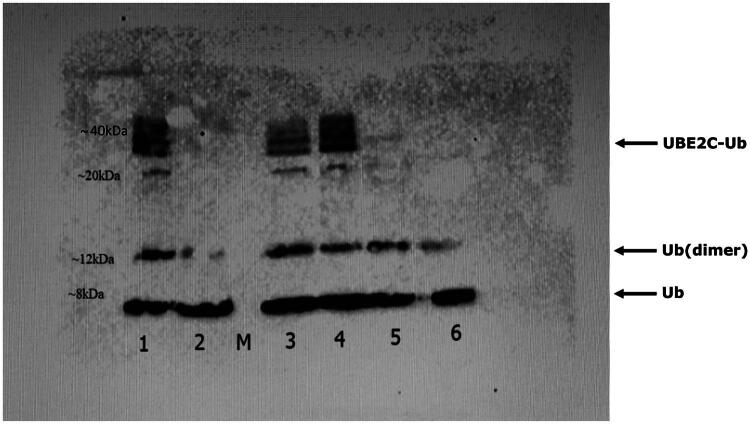 Figure 10
 Figure 11
 Figure 12
 Figure 13
 Figure 14
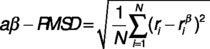 Figure 15
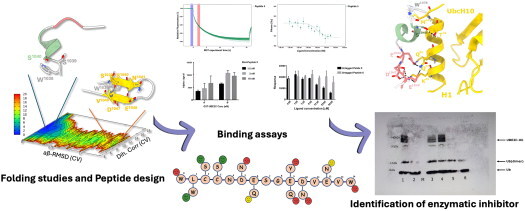 Figure 16
Peer Reviews
No public reviews on file for this paper yet. If you reviewed it on a platform where reviews are public (OpenReview, ICLR, NeurIPS, ICML), you can paste yours below so the community can read it here.
Videos
No videos yet. Explain this paper in a talk, walkthrough, or lecture? Add one.
Taxonomy
TopicsUbiquitin and proteasome pathways · Protein Degradation and Inhibitors · Microtubule and mitosis dynamics