Synergistic effects of oxypeucedanin and temozolomide on viability, proliferation, apoptosis, and migration of T98G malignant glioblastoma cells
Amir Abderam, Parisa Yazdi, Farzaneh Abbasinezhad-moud, Matin Shirazinia, Ghazaleh Pouyamanesh, Maryam Shojaee, Fatemeh Ardalan Moghadam Al, Afsane Bahrami

TL;DR
This study shows that combining oxypeucedanin with temozolomide can effectively reduce the growth and spread of glioblastoma cells.
Contribution
The study demonstrates the synergistic effect of oxypeucedanin and temozolomide in treating glioblastoma cells.
Findings
Oxypeucedanin and temozolomide combination significantly reduced cell viability and proliferation.
The combination treatment increased apoptosis and caused G2/M cell cycle arrest in T98G cells.
Gene expression analysis showed increased Bax/Bcl-2 ratios and reduced Ki-67 levels with combination treatment.
Abstract
Glioblastoma multiforme (GBM), an aggressive primary brain tumor, distinguished by an invasive growth pattern and resistance to current therapeutic strategy. This study investigates the potential of Oxypeucedanin (OP) as a natural compound to induce apoptosis and inhibit proliferation in T98G GBM cells, either alone or in combination with Temozolomide (TMZ). T98G cells were exposed to OP and TMZ individually and in combination. Then, cell viability (MTT assay), cell proliferation (using trypan blue), mRNA expression (qRT-PCR), Cell cycle and apoptosis (flow cytometry), and migration (wound healing assay) were evaluated. The viability assays revealed that both OP and less potentially TMZ decreased cell viability in a time- and dose-dependent manner. Notably, the combination of OP and TMZ demonstrated synergistic effects, substantially enhancing apoptosis rates while reducing…
Genes, proteins, chemicals, diseases, species, mutations and cell lines named across the full text — each resolved to its canonical identifier and authoritative record.
Click any figure to enlarge with its caption.
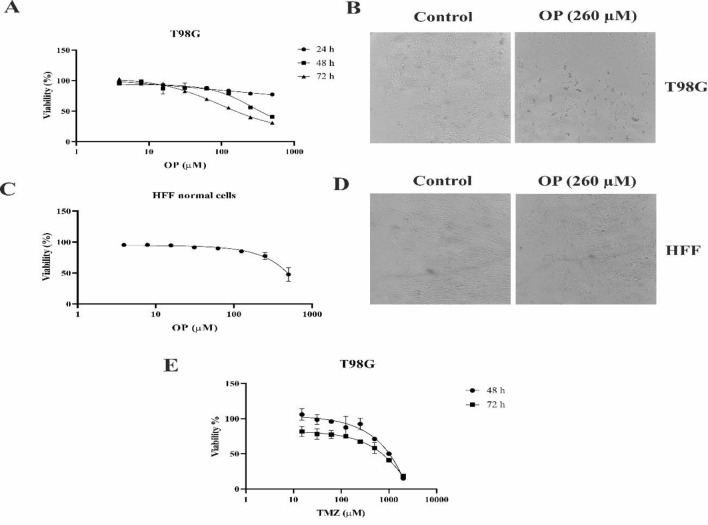 Figure 1
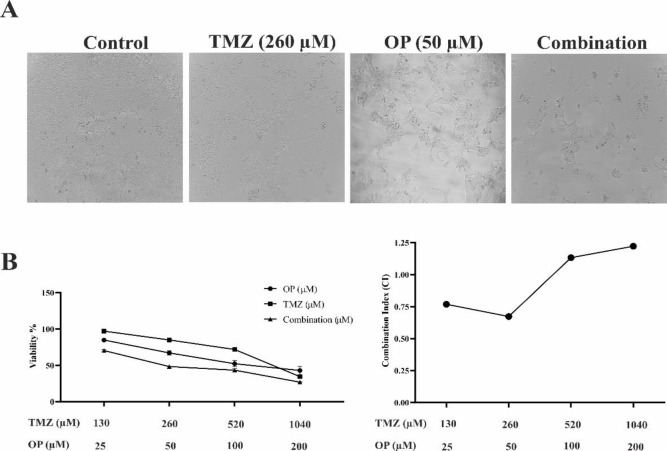 Figure 2
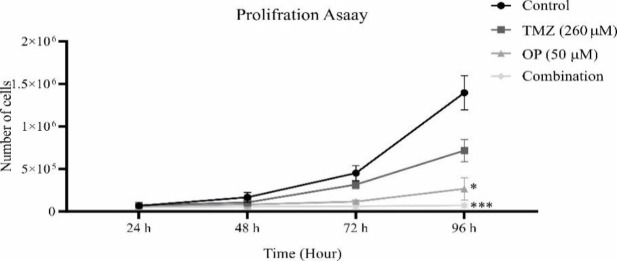 Figure 3
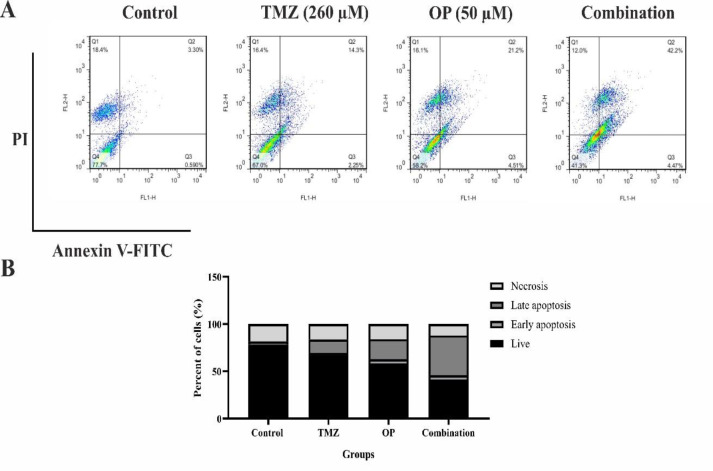 Figure 4
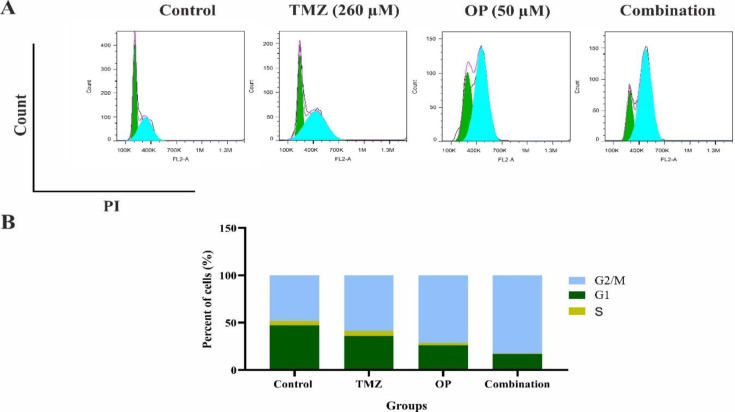 Figure 5
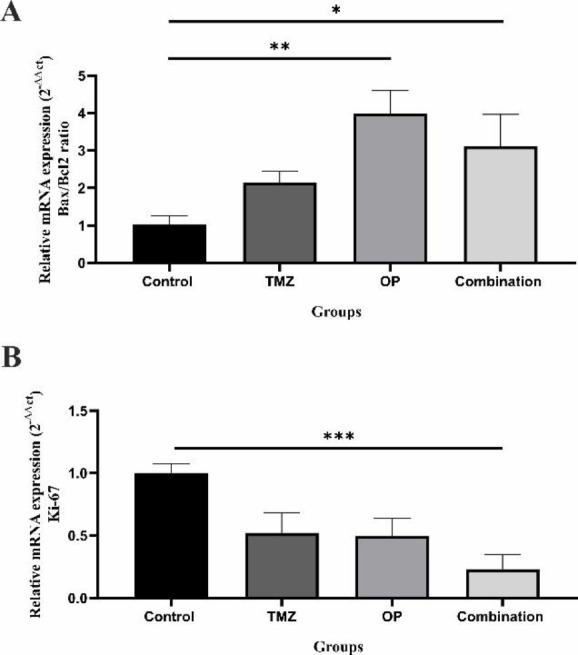 Figure 6
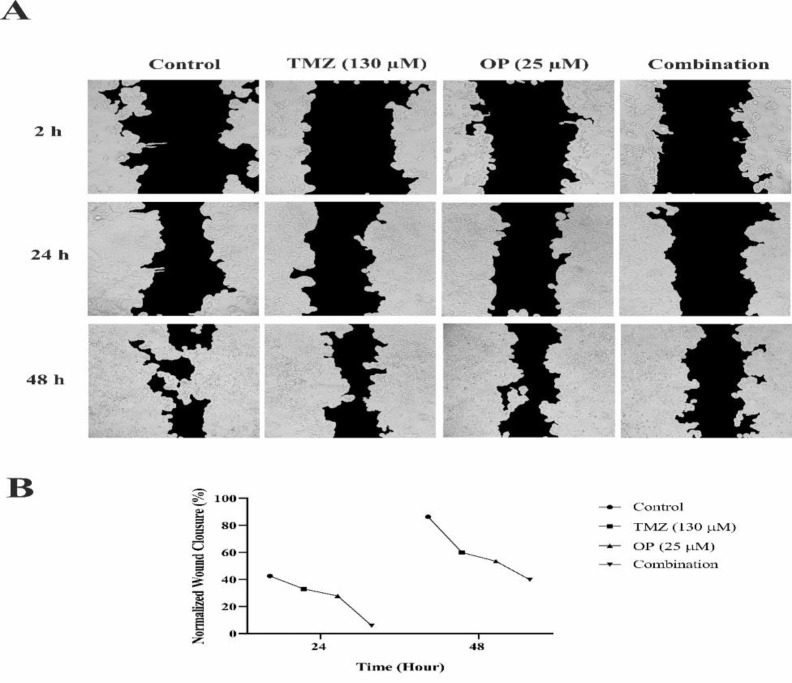 Figure 7
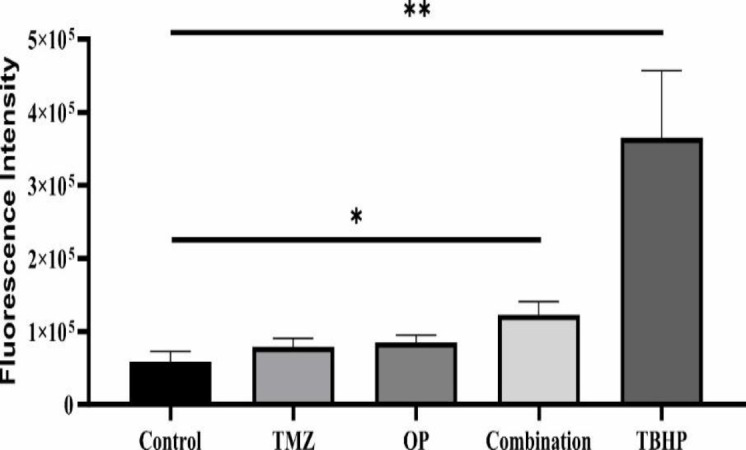 Figure 8
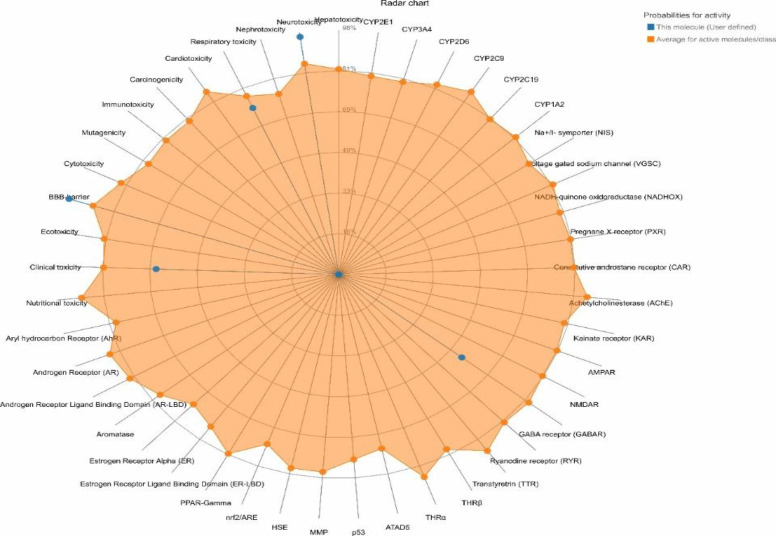 Figure 9
Peer Reviews
No public reviews on file for this paper yet. If you reviewed it on a platform where reviews are public (OpenReview, ICLR, NeurIPS, ICML), you can paste yours below so the community can read it here.
Videos
No videos yet. Explain this paper in a talk, walkthrough, or lecture? Add one.
Taxonomy
TopicsCancer therapeutics and mechanisms · Glioma Diagnosis and Treatment · Cancer, Stress, Anesthesia, and Immune Response