Modeling neurovascular dysfunction in Alzheimer’s disease using an isogenic brain-chip model
Andrew N. Shen, Katelin S. Matazel, W. Drew Gill, Lorna Ewart, Randy S. Daughters, Hector Rosas-Hernandez

TL;DR
Researchers created a brain-chip model using stem cells to study Alzheimer’s disease, showing dysfunction in blood-brain barrier and inflammation.
Contribution
A novel brain-chip model using isogenic hiPSCs reveals AD-related neurovascular dysfunction and vascular tau accumulation.
Findings
AD brain-chips showed reduced claudin-5 and ZO-1 expression with increased paracellular permeability.
AD brain-chips had decreased P-glycoprotein activity and altered Aβ42 and tau levels in different channels.
Increased proinflammatory markers IL-6 and MCP-1 were observed in AD brain-chips.
Abstract
The pathology of Alzheimer’s Disease (AD) is characterized by aggregates of amyloid beta (Aβ) peptides and neurofibrillary tau tangles. Increased blood-brain barrier (BBB) permeability and reduced Aβ clearance, which signal neurovascular dysfunction, have also been proposed as early markers of AD. Despite intense scrutiny, the mechanisms of AD remain elusive and novel treatments that address core symptoms of dementia are limited. New alternative methods (NAMs) aim to develop in-vitro translational models that recapitulate human pathology more accurately than previous models and could contribute to the development of new therapies. Here, we developed a NAM model of the cortical neurovascular unit (NVU) using brain cells derived from human induced pluripotent stem cells (hiPSCs) from a patient with AD and a healthy individual. Differentiated neurons, astrocytes, pericytes, microglia, and…
Genes, proteins, chemicals, diseases, species, mutations and cell lines named across the full text — each resolved to its canonical identifier and authoritative record.
Click any figure to enlarge with its caption.
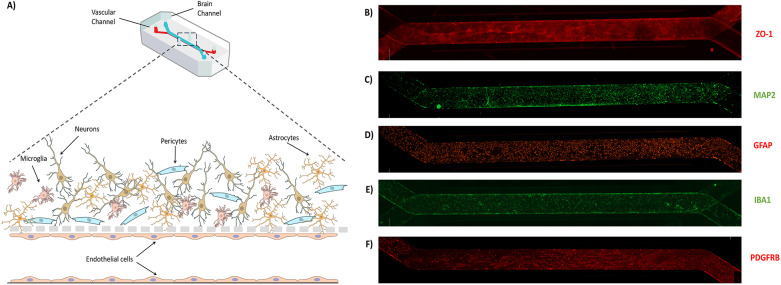 Figure 1
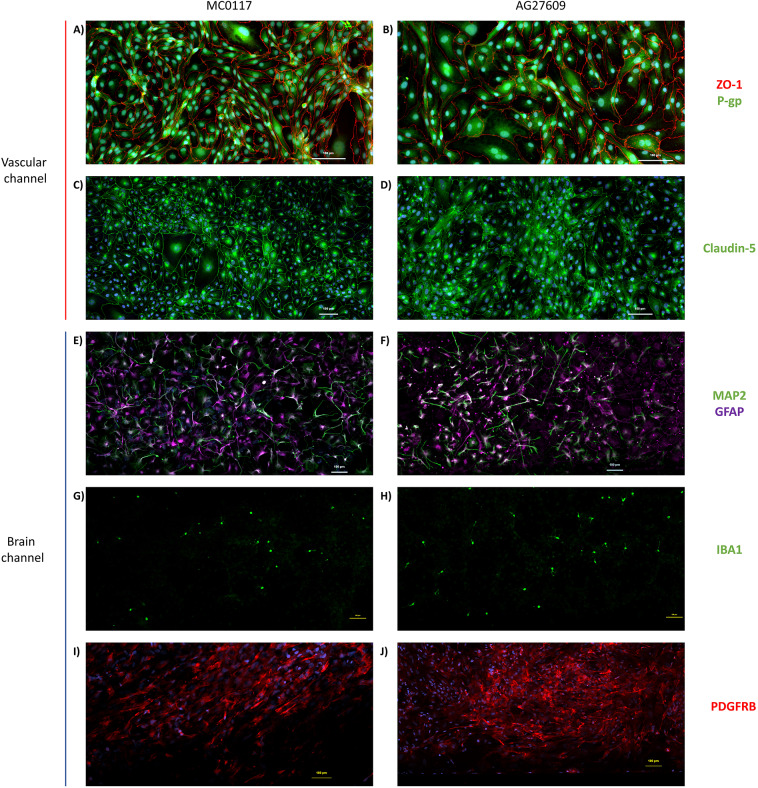 Figure 2
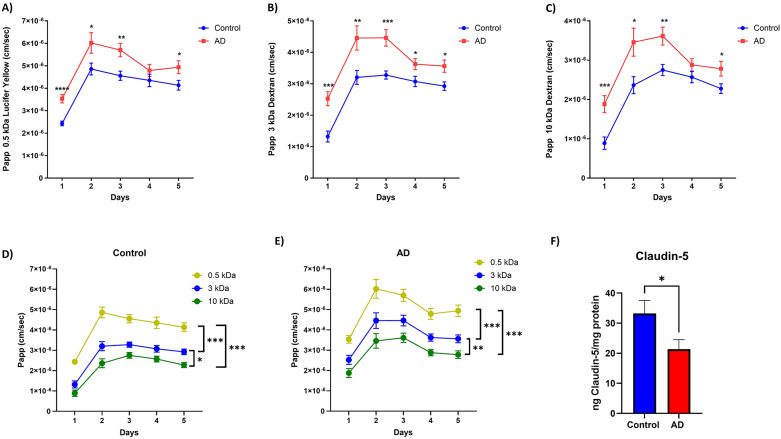 Figure 3
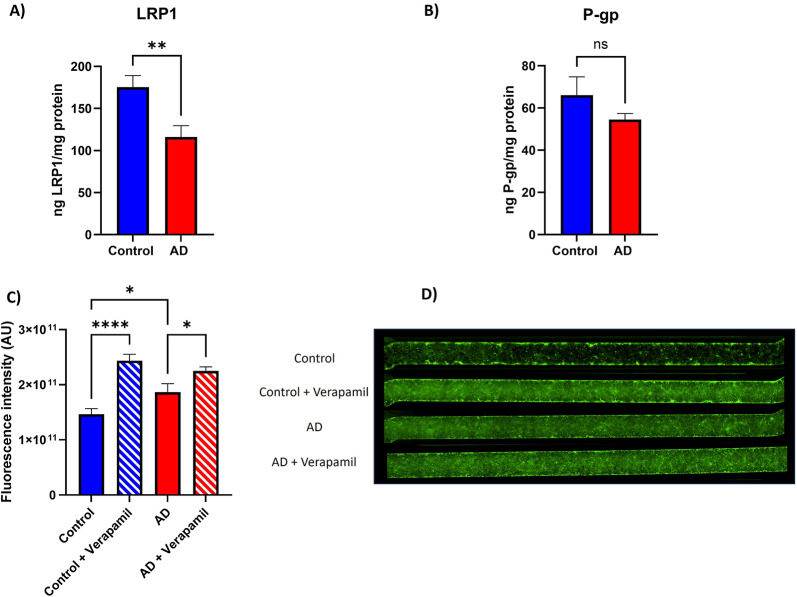 Figure 4
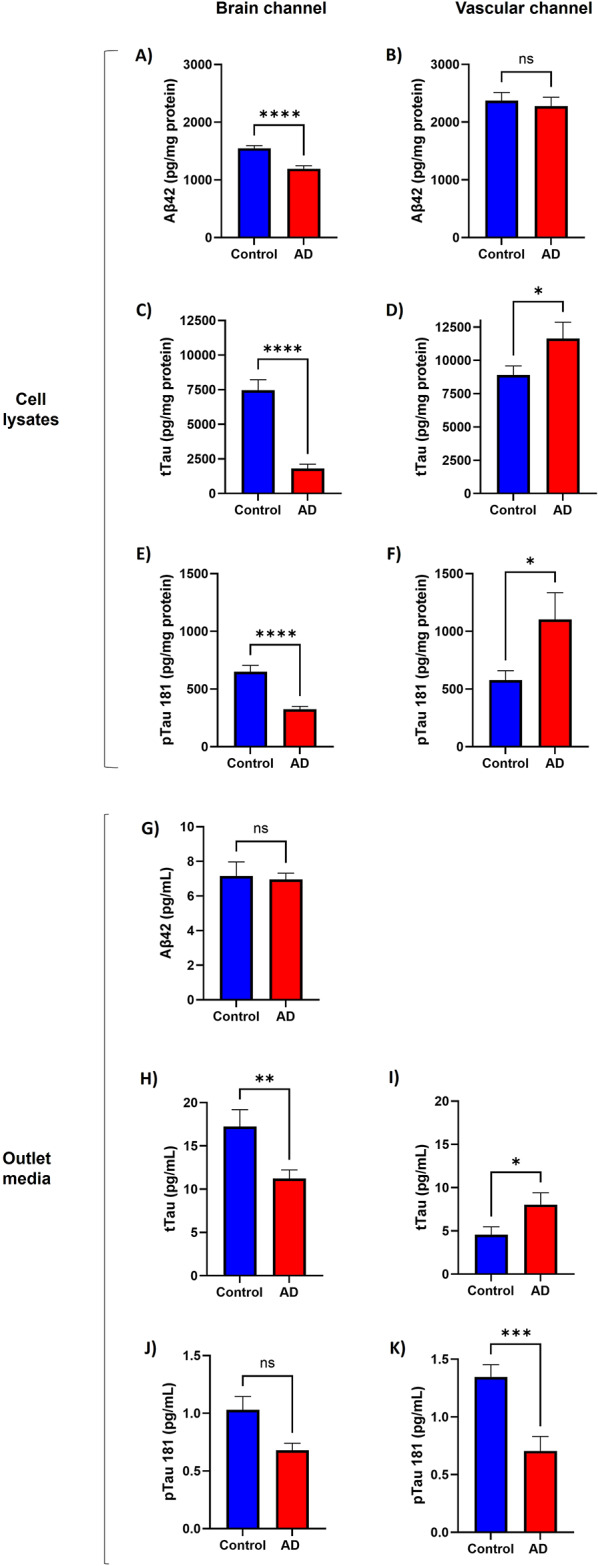 Figure 5
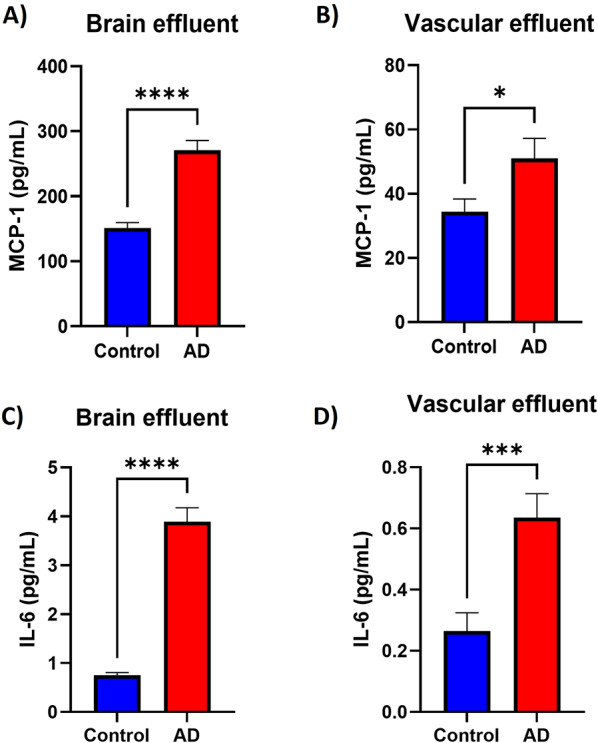 Figure 6
Peer Reviews
No public reviews on file for this paper yet. If you reviewed it on a platform where reviews are public (OpenReview, ICLR, NeurIPS, ICML), you can paste yours below so the community can read it here.
Videos
No videos yet. Explain this paper in a talk, walkthrough, or lecture? Add one.
Taxonomy
TopicsAlzheimer's disease research and treatments · Barrier Structure and Function Studies · Neurological Disease Mechanisms and Treatments