Molecular epidemiology, symptomatic analysis of anaplasmosis and associated study of milk reduction in cattle from district Nowshera, KP, Pakistan
Huma Fatima, Shawana Qayyum, Shazia Shams, Maryam Khan, Nargis Shaheen, Atiya Iqbal, Adil Khan, Ioannis A. Giantsis, Ayman A. Swelum

TL;DR
This study investigates the prevalence and impact of anaplasmosis in cattle in Nowshera, Pakistan, finding significant milk yield reductions and higher infection rates in younger animals.
Contribution
The study provides new insights into the seasonal and age-related prevalence of Anaplasma marginale and quantifies milk yield losses in infected dairy cattle.
Findings
Anaplasma marginale prevalence was 13.3% via microscopy and 12.7% via PCR in cattle from Nowshera.
Younger cattle (<5 years) had significantly higher infection rates (62.3%) compared to older cattle (37.6%).
Infected Holstein cows showed up to 75% milk yield reduction, with significant economic impact on dairy farms.
Abstract
Anaplasma is an obligate intracellular bacterium that cause anaplasmosis. The two species of Anaplasma namely Anaplasma marginale and Anaplasma centrale affects cattle, buffaloes, sheep, goats and wild ruminants. This rickettsial microorganism, which is transmitted by ticks, is causing massive economic losses due to weight loss, decreased milk supply, severe anemia and high mortality. The research study was conducted between May 2023 to April 2024 to determine the prevalence, symptomatic analysis of anaplasmosis and associated study of milk reduction in cattle from district Nowshera, KP, Pakistan. Total 635 blood specimens were obtained from different cattle herds coming from 17 farms. Such blood specimens underwent microscopic examination by using Giemsa-stained blood smears and troughs molecular analysis by PCR targeting the msp1b gene (265 bp fragment) in order to detect A.…
Genes, proteins, chemicals, diseases, species, mutations and cell lines named across the full text — each resolved to its canonical identifier and authoritative record.
Click any figure to enlarge with its caption.
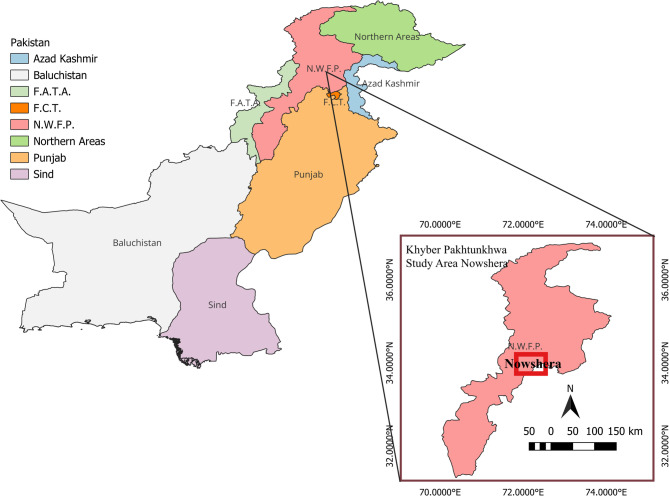 Figure 1
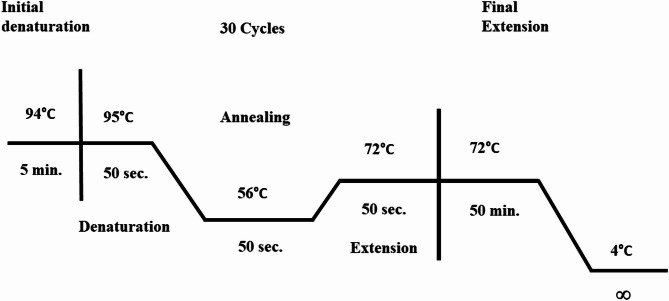 Figure 2
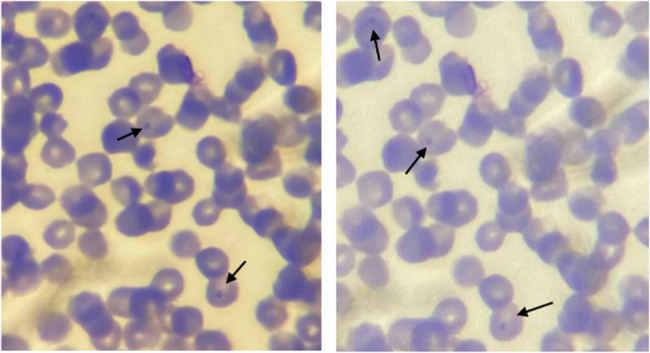 Figure 3
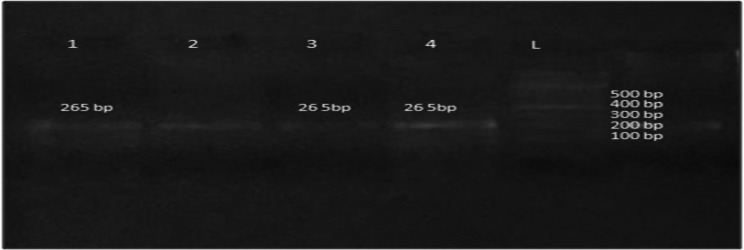 Figure 4
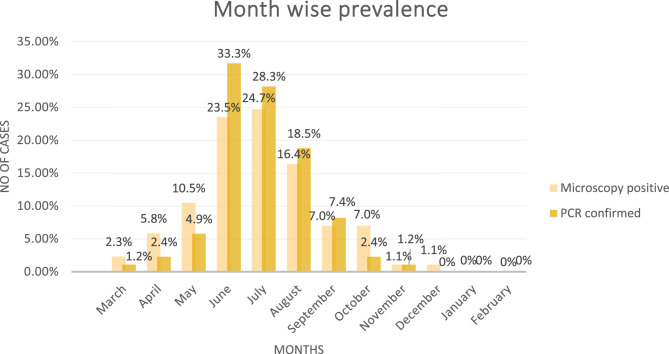 Figure 5
Peer Reviews
No public reviews on file for this paper yet. If you reviewed it on a platform where reviews are public (OpenReview, ICLR, NeurIPS, ICML), you can paste yours below so the community can read it here.
Videos
No videos yet. Explain this paper in a talk, walkthrough, or lecture? Add one.
Taxonomy
TopicsVector-borne infectious diseases · Vector-Borne Animal Diseases · Leptospirosis research and findings