Antimicrobial peptides derived from human ameloblastin targeting biofilms
Veronika Vetyskova, Petra Kasparova, Lucie Bednarova, Miroslav Hajek, Jan Luxa, Alejandro Barrantes Bautista, Jane Elin Reseland, Olga Matatkova, Jan Masak, Jiri Vondrasek, Kristyna Vydra Bousova

TL;DR
This study explores antimicrobial peptides derived from a human protein called ameloblastin to combat biofilm-related oral diseases and antibiotic resistance.
Contribution
The novelty lies in deriving and testing antimicrobial peptides from human ameloblastin isoforms for biofilm inhibition and medical implant applications.
Findings
Peptides A and Am moderately inhibited biofilms of E. faecalis, S. aureus, and E. coli, including resistant isolates.
Peptides B and Bm showed strong activity against methicillin-resistant S. aureus.
Peptides exhibited low cytotoxicity and could be stably immobilized on titanium surfaces for medical implants.
Abstract
Oral biofilm-related diseases, such as dental caries and periodontitis, remain among the most prevalent global health issues and are increasingly complicated by antibiotic resistance and biofilm persistence, which limit the effectiveness of conventional treatments. This study addresses the challenges by exploring antimicrobial peptides (AMPs) derived from ameloblastin (AMBN), a protein integral to dental biomineralization and categorized as an intrinsically disordered protein. In humans, the AMBN gene encodes two isoforms, ISO I and ISO II, with distinct but not fully understood functions. Four AMBN ISO I–derived peptides (A, Am, B, Bm) were designed, synthesized, and tested for antimicrobial and antibiofilm activity. Peptides A and Am moderately inhibited biofilms of E. faecalis, S. aureus, and E. coli (MBIC₅₀ within 50–300 µM), including resistant isolates, while B and Bm were more…
Genes, proteins, chemicals, diseases, species, mutations and cell lines named across the full text — each resolved to its canonical identifier and authoritative record.
Click any figure to enlarge with its caption.
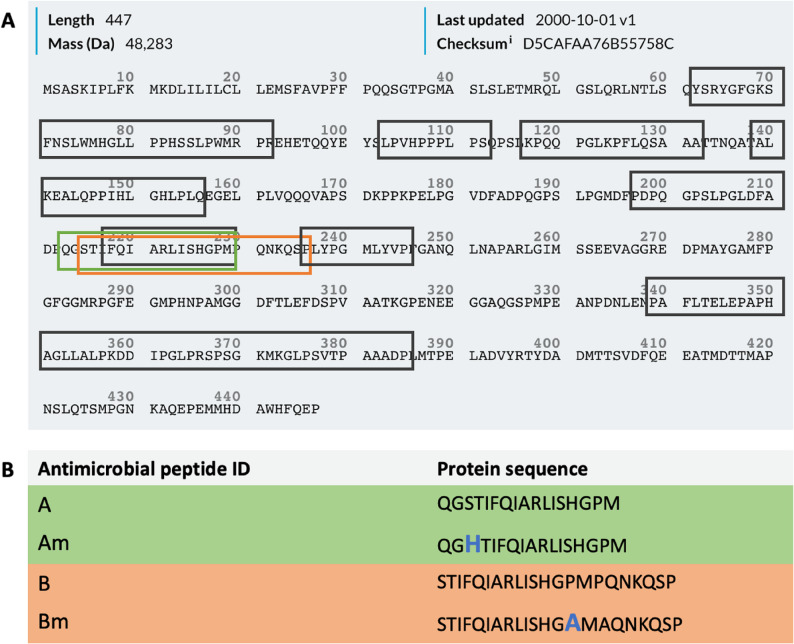 Figure 1
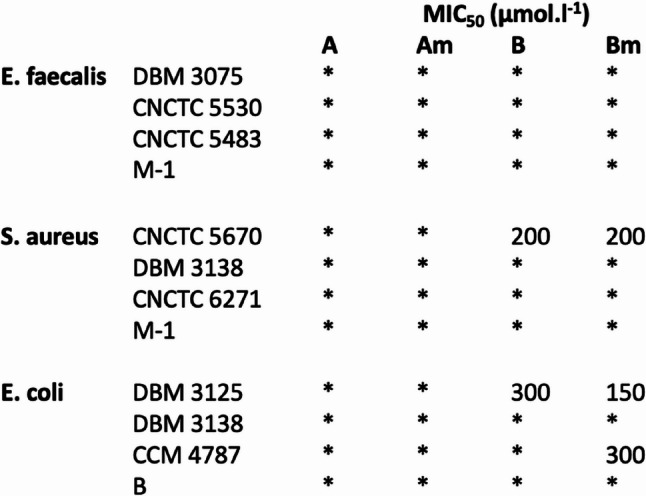 Figure 2
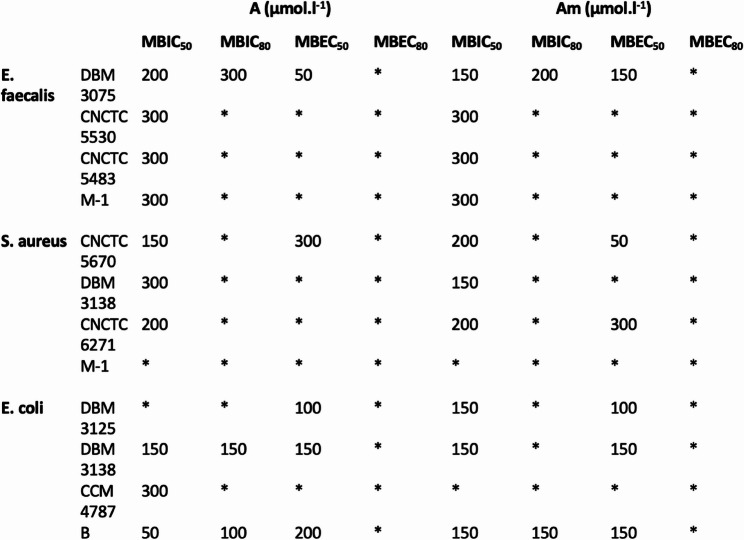 Figure 3
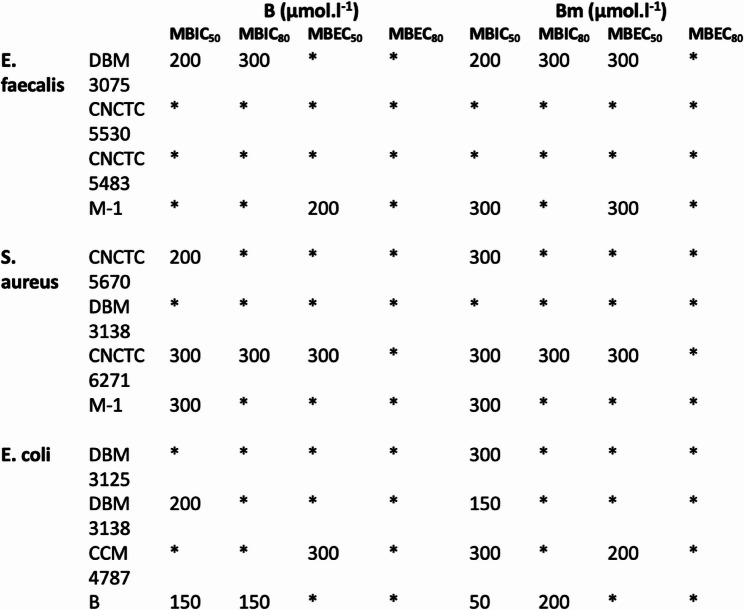 Figure 4
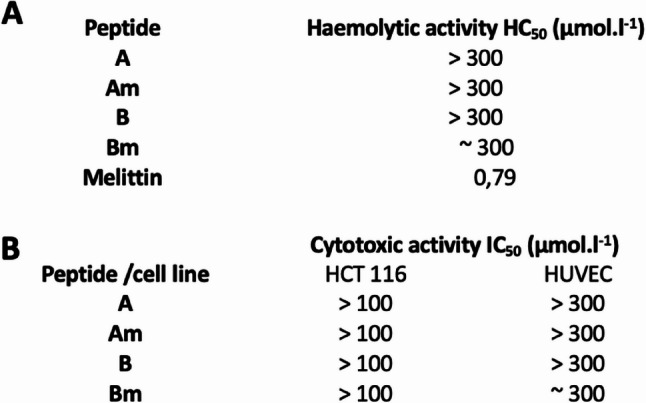 Figure 5
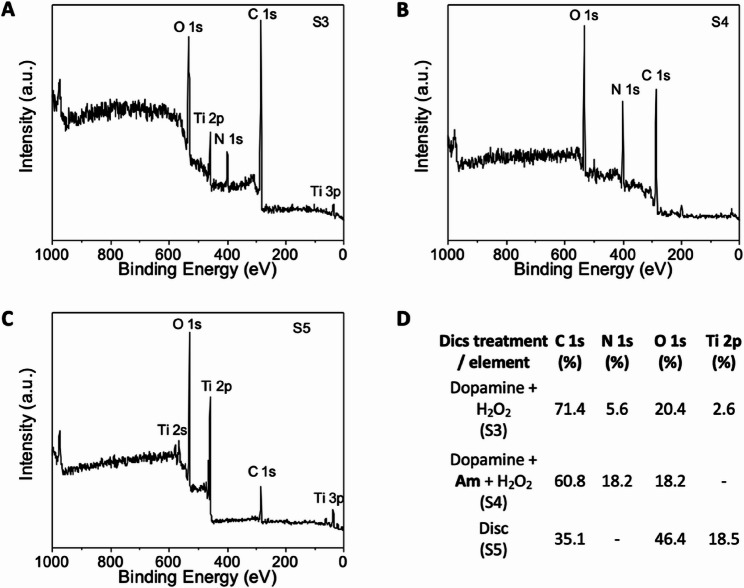 Figure 6
Peer Reviews
No public reviews on file for this paper yet. If you reviewed it on a platform where reviews are public (OpenReview, ICLR, NeurIPS, ICML), you can paste yours below so the community can read it here.
Videos
No videos yet. Explain this paper in a talk, walkthrough, or lecture? Add one.
Taxonomy
TopicsOral microbiology and periodontitis research · Bone and Dental Protein Studies · Antimicrobial Peptides and Activities