Sex-dimorphic reprogramming of fetal mouse brain development by maternal estradiol excess
Huihui Wang, Zhe Wei, Yu Zhang, Xiaojun Chen, Li Jin, Chengliang Zhou

TL;DR
High maternal estradiol during pregnancy disrupts fetal brain development differently in male and female mice, potentially explaining why males are more vulnerable to certain disorders.
Contribution
The study reveals sex-specific molecular and cellular mechanisms by which maternal estradiol excess reprograms fetal brain development.
Findings
Maternal HE exposure altered gene expression more in male-biased genes, with changes proportional to their baseline male bias.
HE disrupted the proliferation-differentiation balance of neural progenitor cells in the male cerebral cortex.
Sex-opposed changes in intra-regional signaling pathways and regulon activity were observed in response to HE.
Abstract
Gestational environmental perturbations can induce sex-specific developmental programming, increasing offspring susceptibility to chronic diseases. While prenatal high estradiol (HE) exposure has been associated with male-biased neurodevelopmental disorders, the underlying mechanisms remain poorly understood. Using spatial transcriptomics in a murine HE exposure model, we systematically characterized sex-divergent molecular and cellular responses in fetal brains. Through cell type identification, spatial mapping, ligand-receptor interaction analysis, and transcription factor activity assessment, we examined gene expression profile, intra-regional signaling pathway, and regulon activity variations. Additionally, we performed immunofluorescence to characterize neural progenitor cell dynamics. Our analysis revealed that maternal HE exposure differentially altered gene expression patterns…
Genes, proteins, chemicals, diseases, species, mutations and cell lines named across the full text — each resolved to its canonical identifier and authoritative record.
Click any figure to enlarge with its caption.
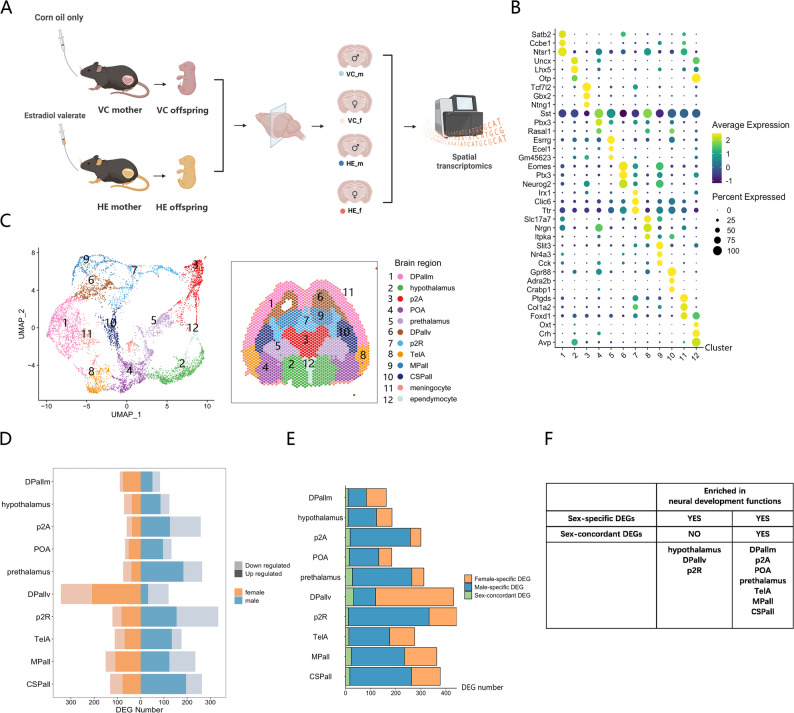 Figure 1
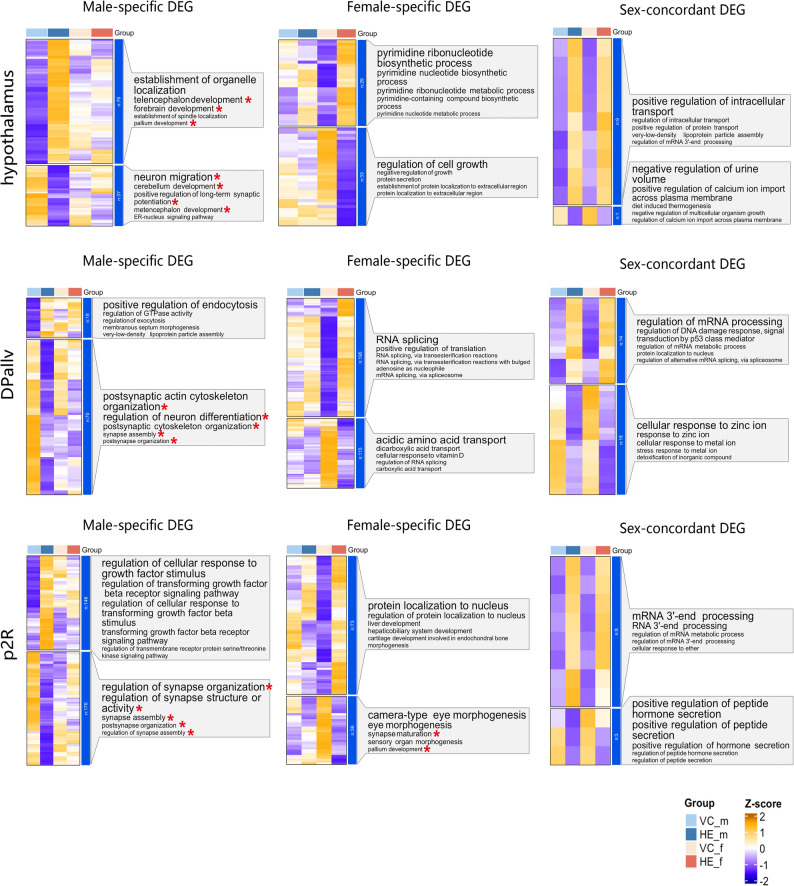 Figure 2
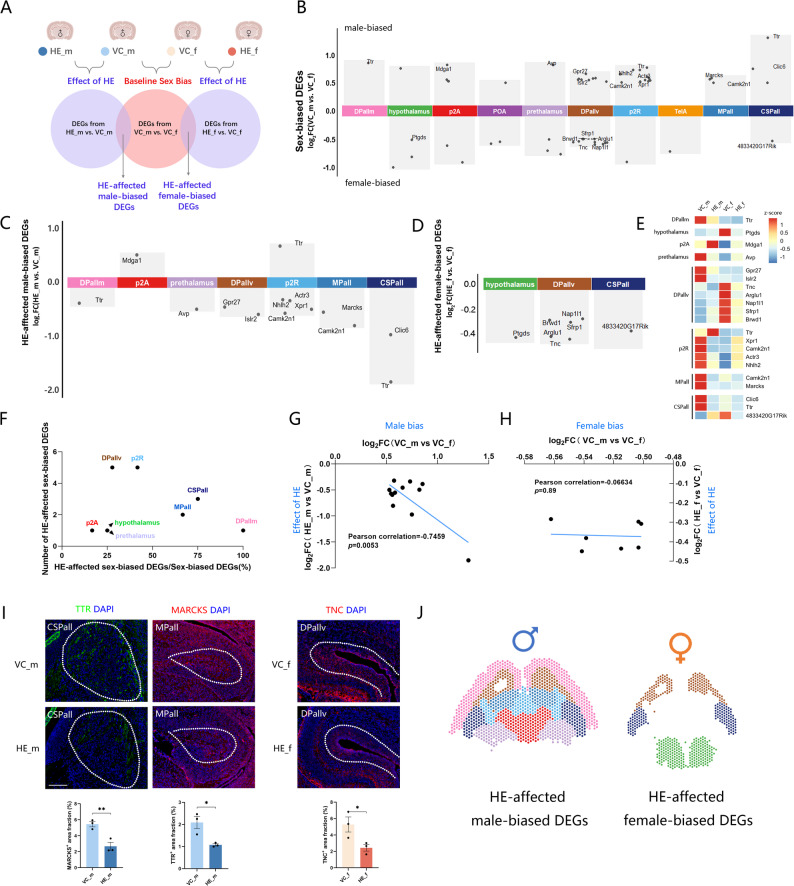 Figure 3
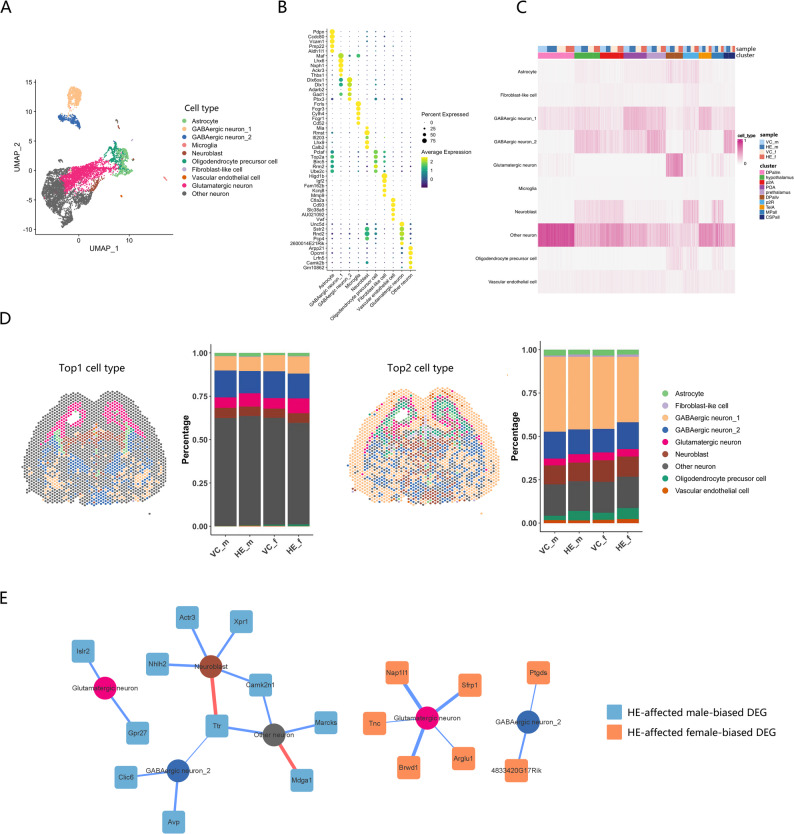 Figure 4
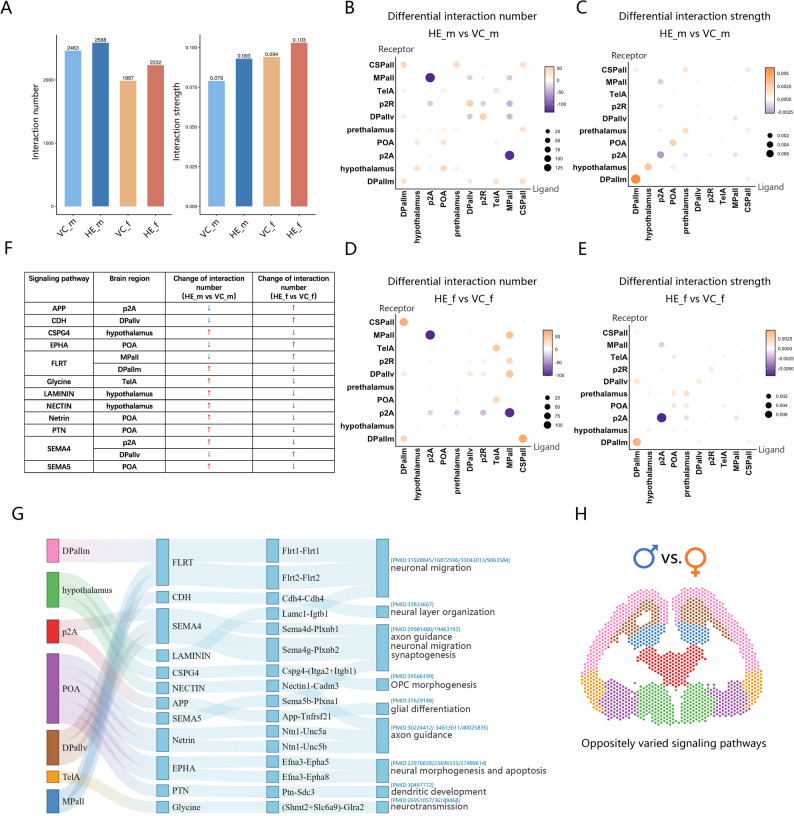 Figure 5
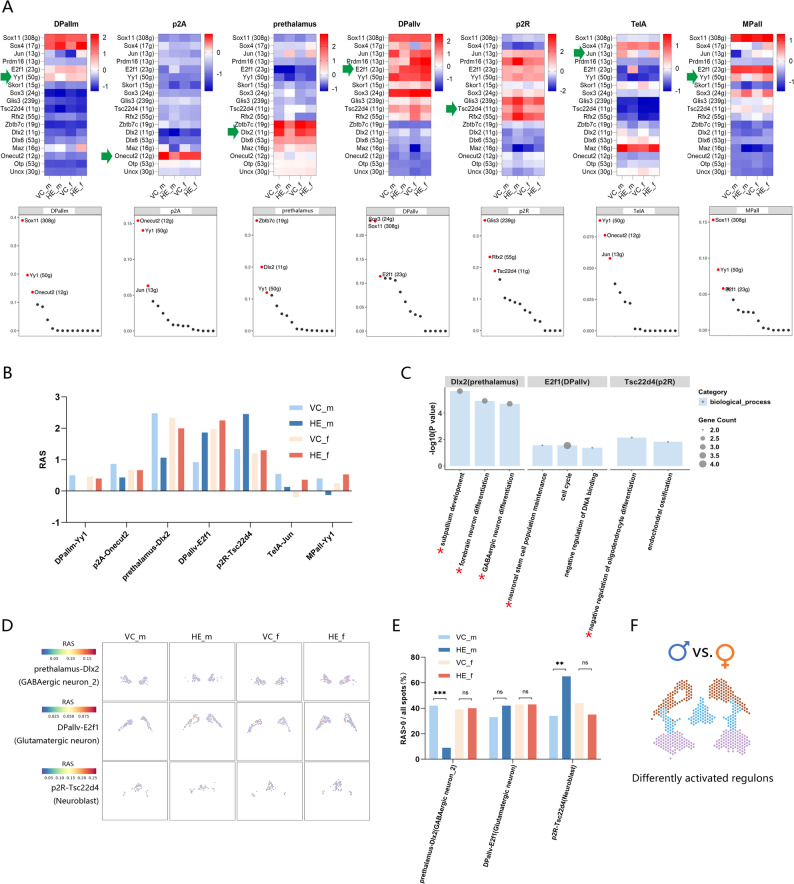 Figure 6
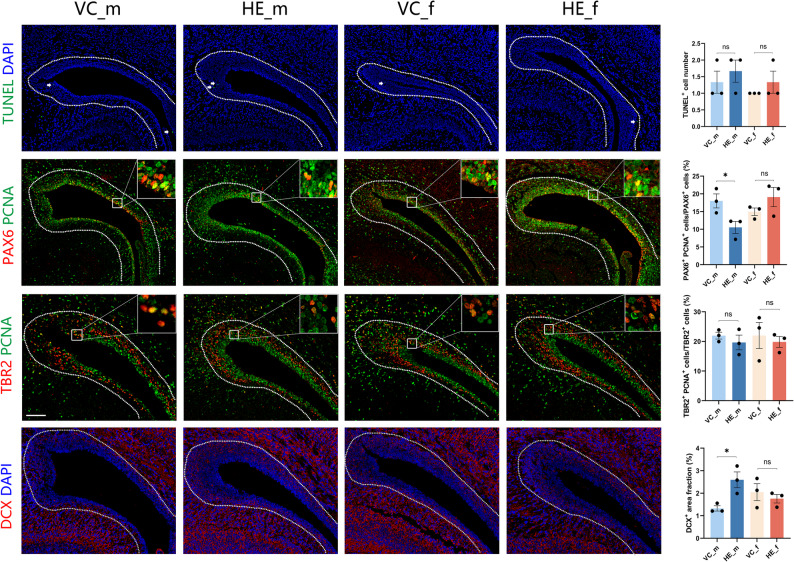 Figure 7
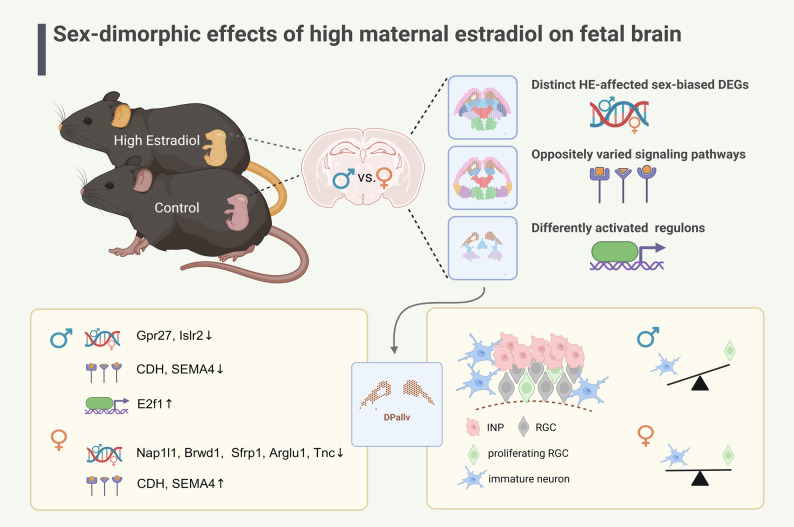 Figure 8
Peer Reviews
No public reviews on file for this paper yet. If you reviewed it on a platform where reviews are public (OpenReview, ICLR, NeurIPS, ICML), you can paste yours below so the community can read it here.
Videos
No videos yet. Explain this paper in a talk, walkthrough, or lecture? Add one.
Taxonomy
TopicsMenopause: Health Impacts and Treatments · Pluripotent Stem Cells Research · Birth, Development, and Health