Methane dynamics in gas chimneys linking geochemical and microbial methane cycling in the Ulleung basin
Dukki Han, Jiyoung Choi, Kwangchul Jang, Bo-Yeon Yi, Ji-Hoon Kim

TL;DR
This study explores how methane and microbial activity interact in marine sediments, particularly in gas chimneys in the Ulleung Basin, to understand carbon cycling and hydrate stability.
Contribution
The study reveals how methane flux and hydrate dynamics influence microbial communities and geochemical processes in gas chimneys and non-chimney marine sediments.
Findings
Chimney sites had shallower sulfate–methane transition zones and evidence of hydrate dissociation compared to non-chimney sites.
Microbial communities in hydrate-bearing sediments were dominated by JS1 and Lokiarchaeia, linked to methane oxidation and sulfate reduction.
Functional predictions showed sulfate reduction as the dominant process in the sulfate–methane transition zone, with methanogenesis peaking at this zone.
Abstract
Gas chimneys in marine sediments act as conduits for methane (CH4) migration and influence geochemical and microbial processes. The sulfate–methane transition zone (SMTZ), where CH4 is oxidized and sulfate (SO42−) is reduced, plays a key role in carbon cycling. Temperate continental margins, such as the Ulleung Basin in the East Sea of Korea, are particularly sensitive to environmental changes that may influence methane flux and hydrate stability. We analyzed sediment cores from chimney (Sites P03, P04) and non-chimney (Site P01) structures to examine how CH4 flux and hydrate dynamics shape SMTZ depth and microbial communities. Geochemical analyses showed that the SMTZ was located deeper at the non-chimney site (P01), with stable salinity and isotopic composition, and no evidence of hydrate dissociation. In contrast, chimney sites (P03 and P04) had shallower SMTZs. Site P03 exhibited…
Genes, proteins, chemicals, diseases, species, mutations and cell lines named across the full text — each resolved to its canonical identifier and authoritative record.
Click any figure to enlarge with its caption.
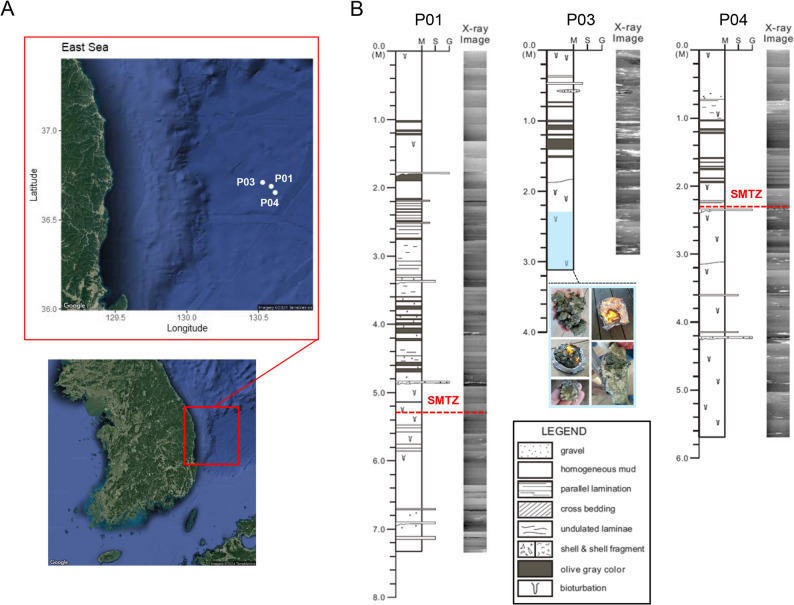 Figure 1
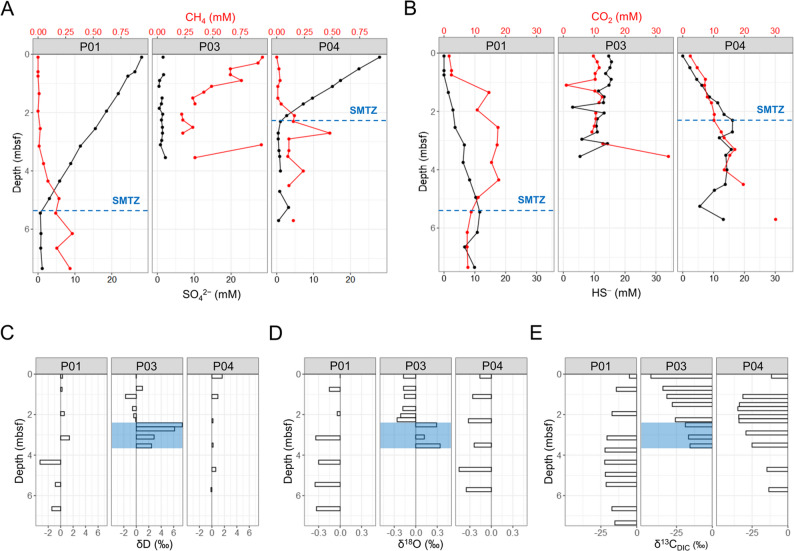 Figure 2
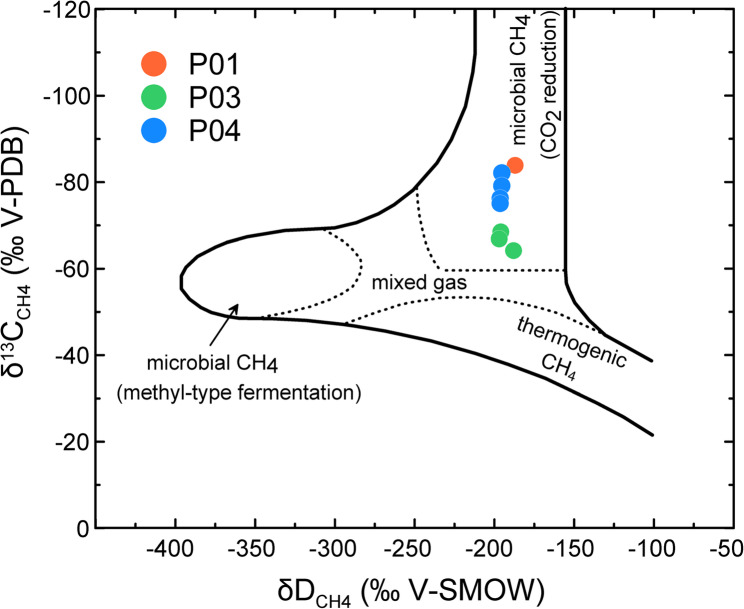 Figure 3
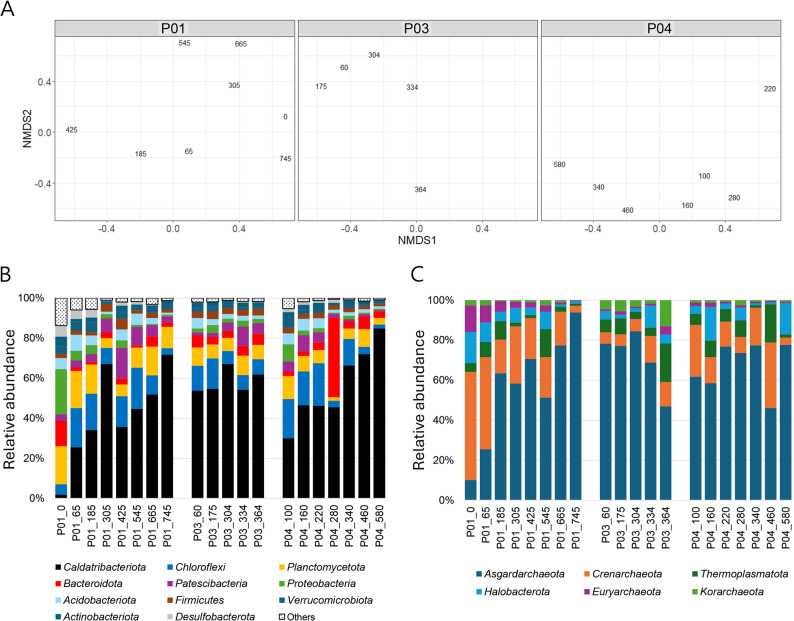 Figure 4
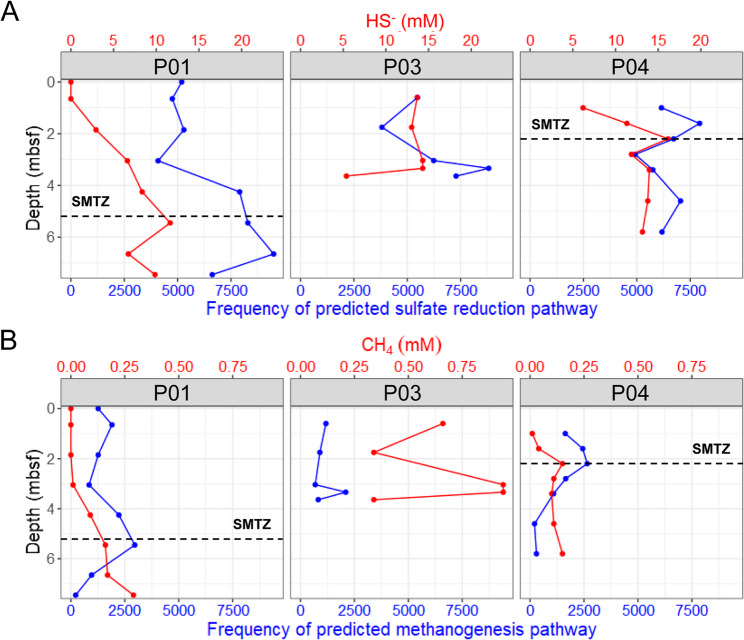 Figure 5
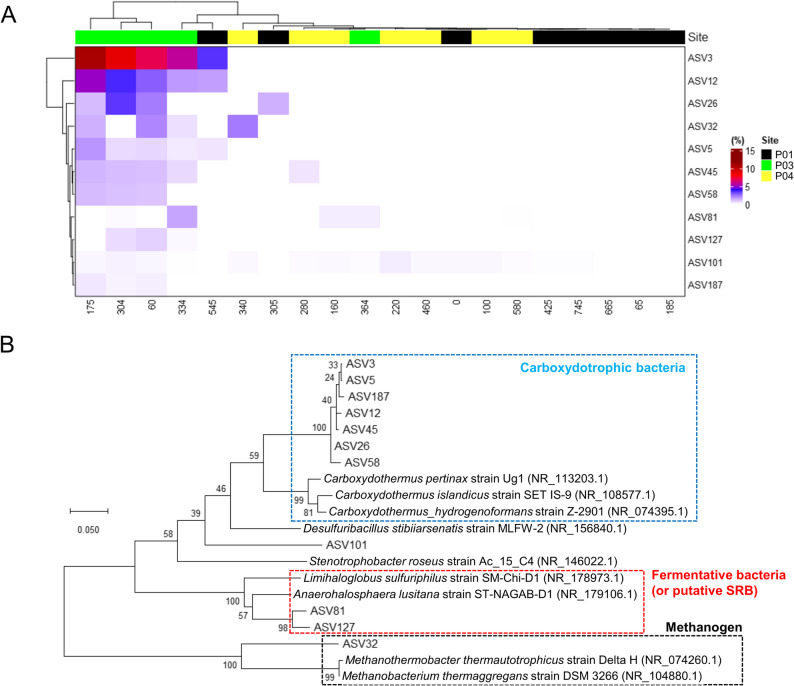 Figure 6
Peer Reviews
No public reviews on file for this paper yet. If you reviewed it on a platform where reviews are public (OpenReview, ICLR, NeurIPS, ICML), you can paste yours below so the community can read it here.
Videos
No videos yet. Explain this paper in a talk, walkthrough, or lecture? Add one.
Taxonomy
TopicsMethane Hydrates and Related Phenomena · CO2 Sequestration and Geologic Interactions · Hydrocarbon exploration and reservoir analysis