Intracellular autofluorescence enables the isolation of viable, functional human muscle reserve cells with distinct Pax7 levels and stem cell states
Axelle Bouche, Diego Michel, Perrine Castets, Didier Hannouche, Thomas Laumonier

TL;DR
This study shows that autofluorescence can identify distinct human muscle reserve cell populations with different quiescence levels and regenerative potential.
Contribution
The novel use of autofluorescence as a biomarker to isolate viable, functional human muscle reserve cells with distinct Pax7 levels and stem cell states.
Findings
MuRC-AFHigh cells are enriched in Pax7High cells and show delayed activation but retain regenerative potential.
Autofluorescence intensity correlates with lipid content and quiescence in human muscle reserve cells.
Both MuRC-AFHigh and MuRC-AFLow subpopulations survive transplantation and contribute to muscle regeneration.
Abstract
Human muscle reserve cells (MuRC) represent a quiescent MuSC population generated in vitro that exhibit heterogeneous Pax7 expression, with a Pax7High subset in a deeper quiescent state. However, the conventional method of identifying Pax7High cells involves intracellular staining, which limits their viability for functional studies. This work investigates whether autofluorescence (AF) could be used as a potential biomarker to identify functionally distinct human MuRC subpopulations. Human myoblasts (MB) and MuRC were analysed for AF by fluorescence microscopy and flow cytometry. Cellular metabolic composition was assessed by NADH/NADPH quantification and lipid staining. Human MuRC subpopulations were sorted by AF intensity and analysed for Pax7 expression, cell cycle re-entry, proliferation, clonal expansion, and myogenic differentiation. In vivo transplantation of MuRC-AFHigh and…
Genes, proteins, chemicals, diseases, species, mutations and cell lines named across the full text — each resolved to its canonical identifier and authoritative record.
Click any figure to enlarge with its caption.
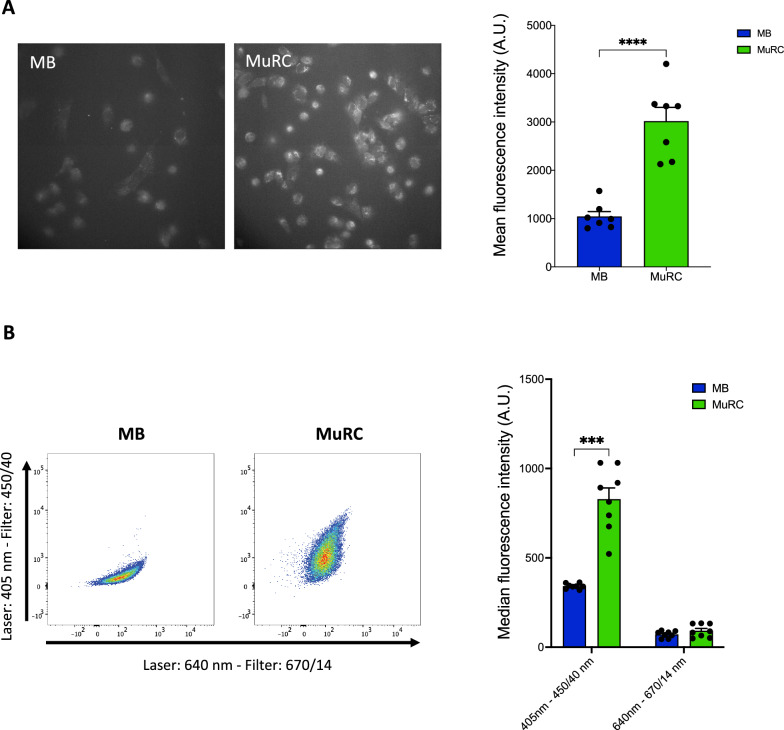 Figure 1
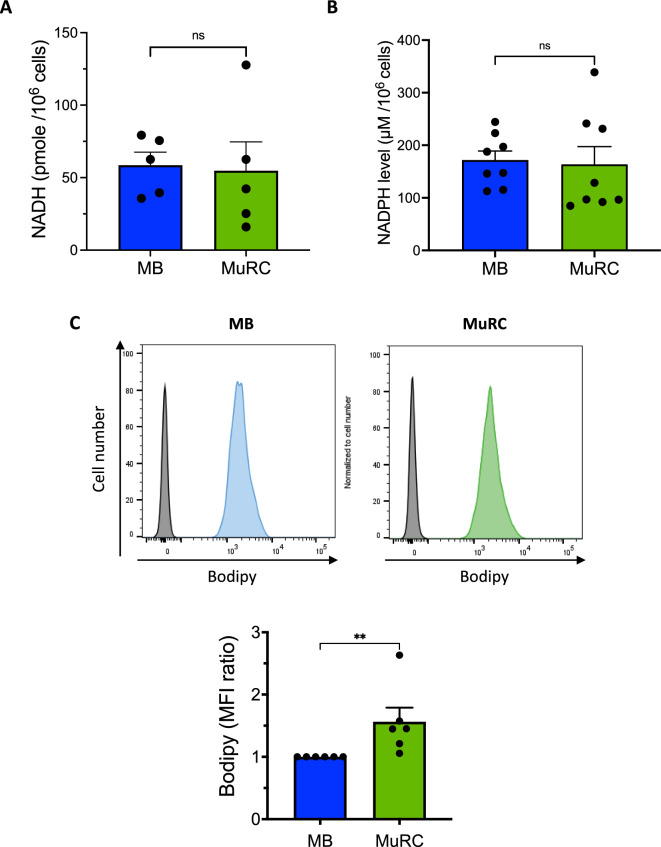 Figure 2
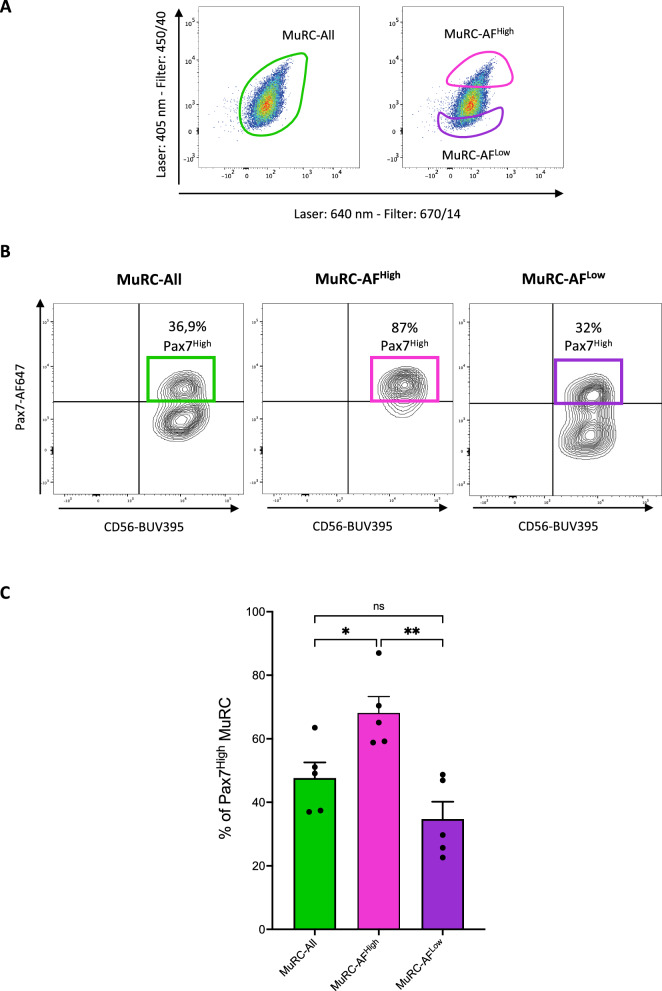 Figure 3
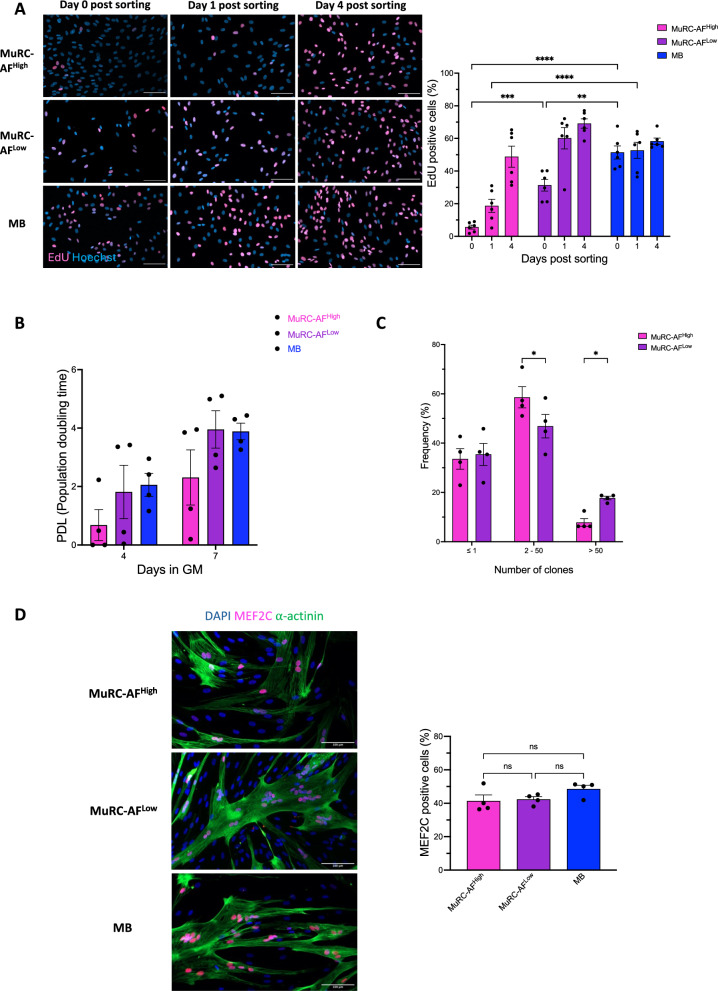 Figure 4
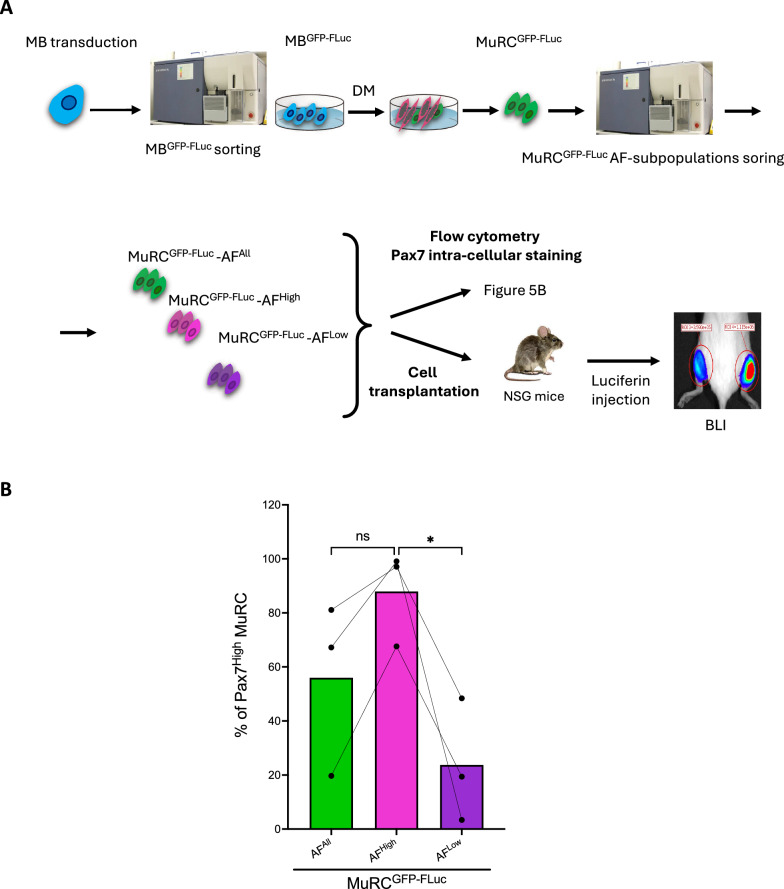 Figure 5
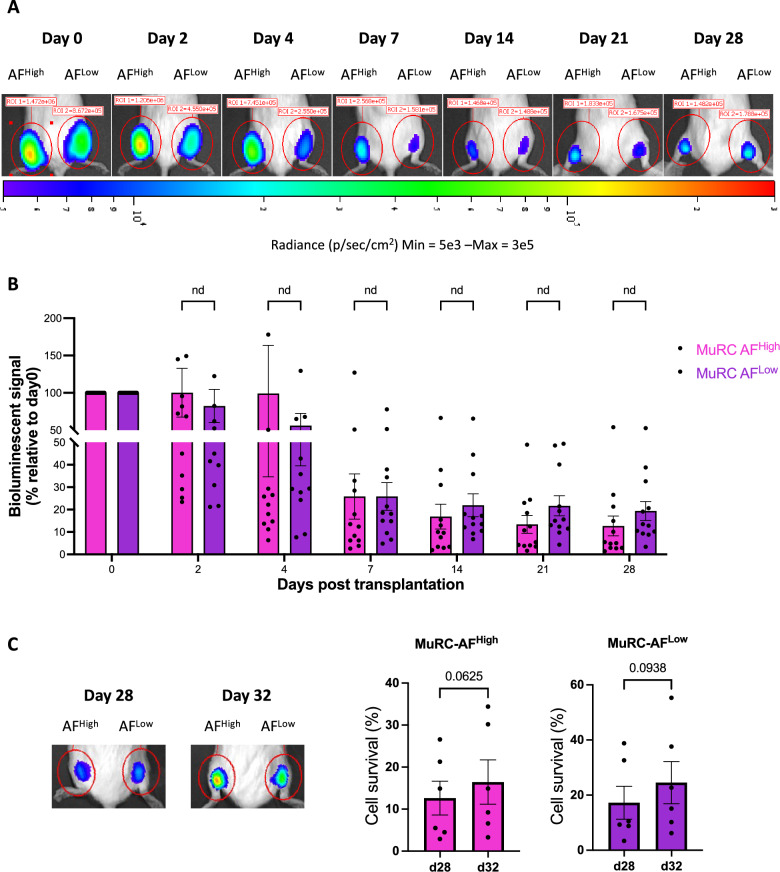 Figure 6
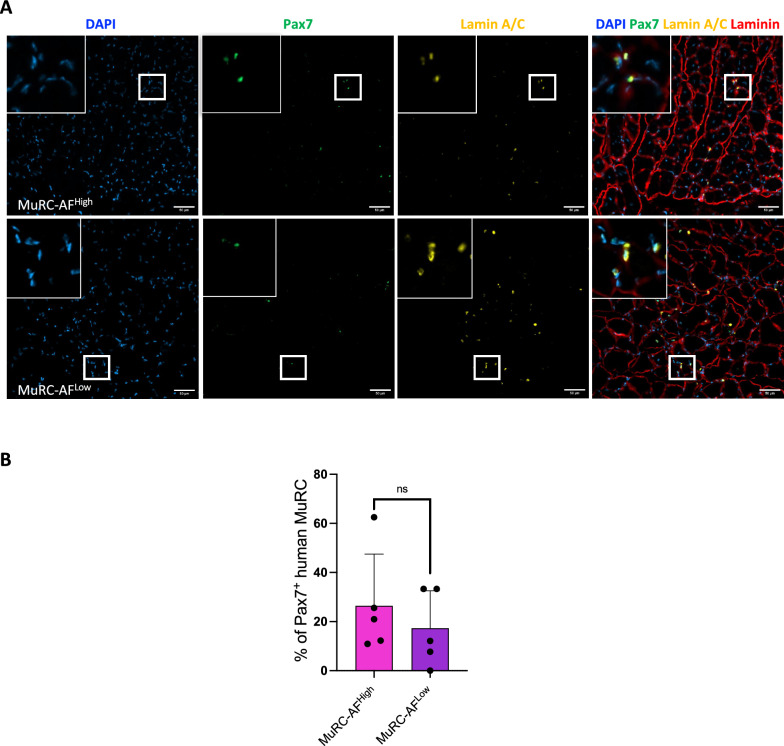 Figure 7
Peer Reviews
No public reviews on file for this paper yet. If you reviewed it on a platform where reviews are public (OpenReview, ICLR, NeurIPS, ICML), you can paste yours below so the community can read it here.
Videos
No videos yet. Explain this paper in a talk, walkthrough, or lecture? Add one.
Taxonomy
TopicsMesenchymal stem cell research · Cancer Cells and Metastasis · Cancer-related Molecular Pathways