Circulating microRNA signatures for echinococcosis
Rui Li, Xuedong He, Shuangjuan Liu, Guanghui Zheng, Jing Zhang, Yongjie Kou, Xiaojiao Li, Xiaola Guo, Xiangwen Xu, Qingming Kong, Pengfei Cai, William C. Cho, Yadong Zheng, Wenhui Wang, Xueyong Zhang, Houhui Song

TL;DR
This study identifies specific microRNAs in the blood that can help diagnose and monitor a parasitic disease called echinococcosis.
Contribution
The study introduces circulating microRNA signatures as novel diagnostic and prognostic markers for echinococcosis.
Findings
miR-192-5p, miR-122-5p, and miR-21a-5p are significantly downregulated during Echinococcus infection progression.
The combination of miR-192-5p and miR-122-5p shows high sensitivity and specificity in distinguishing infections in mice and humans.
These microRNAs are rapidly upregulated following anthelmintic treatment, indicating their potential for monitoring treatment response.
Abstract
Echinococcosis, a serious zoonotic parasitic disease caused by tapeworms of the genus Echinococcus, is clinically characterized by a long latent period of up to 10 years. An accurate diagnosis is critical for the efficient management and treatment of patients. The aim of this study was to identify robust diagnostic signatures for echinococcosis. Using co-immunoprecipitation and RNA sequencing (RNA-seq), we comparatively profiled the Argonaute 2-binding microRNAs (abmiRNAs) in hepatocytes of Echinococcus multilocularis-infected mice. Using receiver operating characteristic curve (ROC) analysis, we established quantitative PCR (qPCR) assays based on circulating liver-specific abmiRNAs and their combinations, and further validated these assays using blinded serum samples from infected mice and patients. Three abmiRNAs were identified as being predominantly expressed in the liver:…
Genes, proteins, chemicals, diseases, species, mutations and cell lines named across the full text — each resolved to its canonical identifier and authoritative record.
Click any figure to enlarge with its caption.
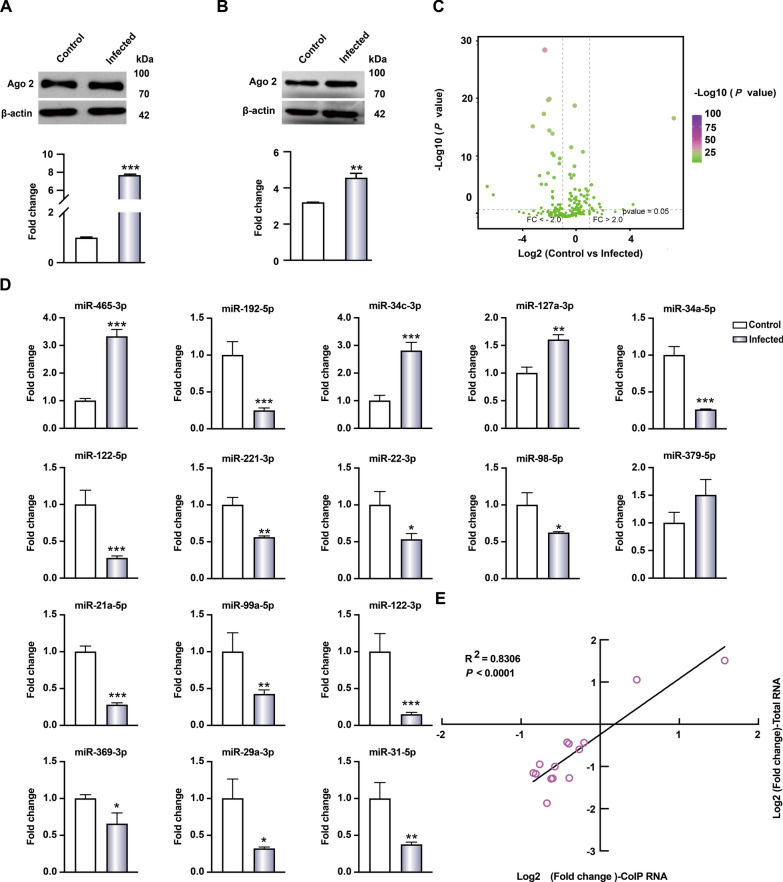 Figure 1
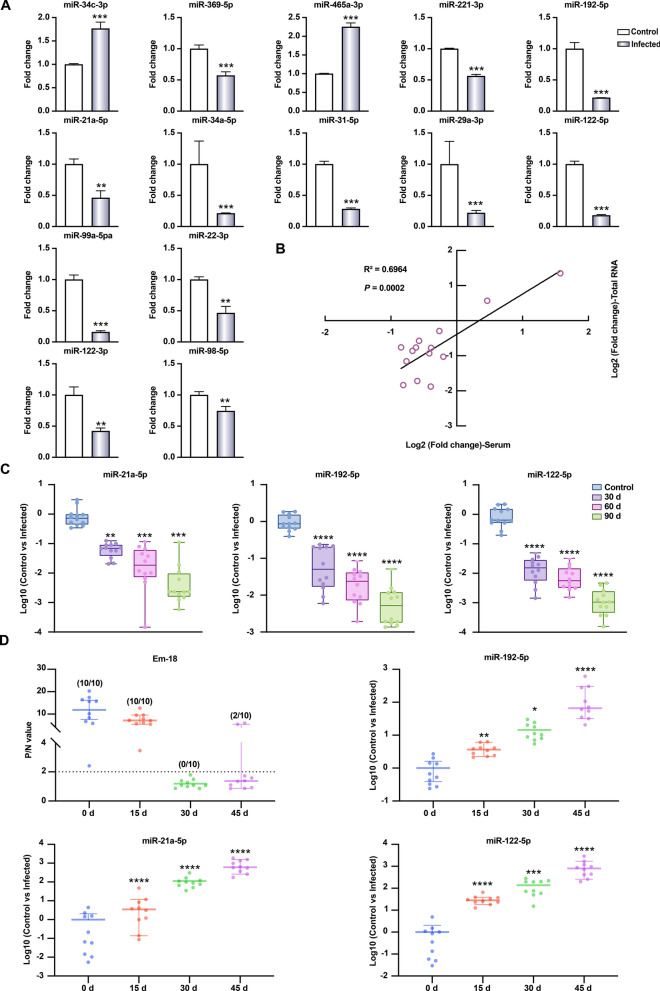 Figure 2
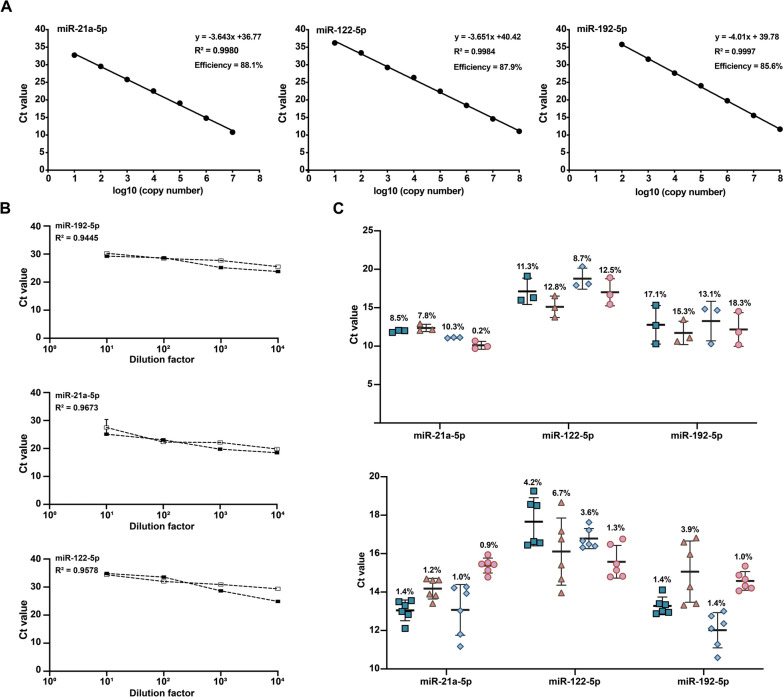 Figure 3
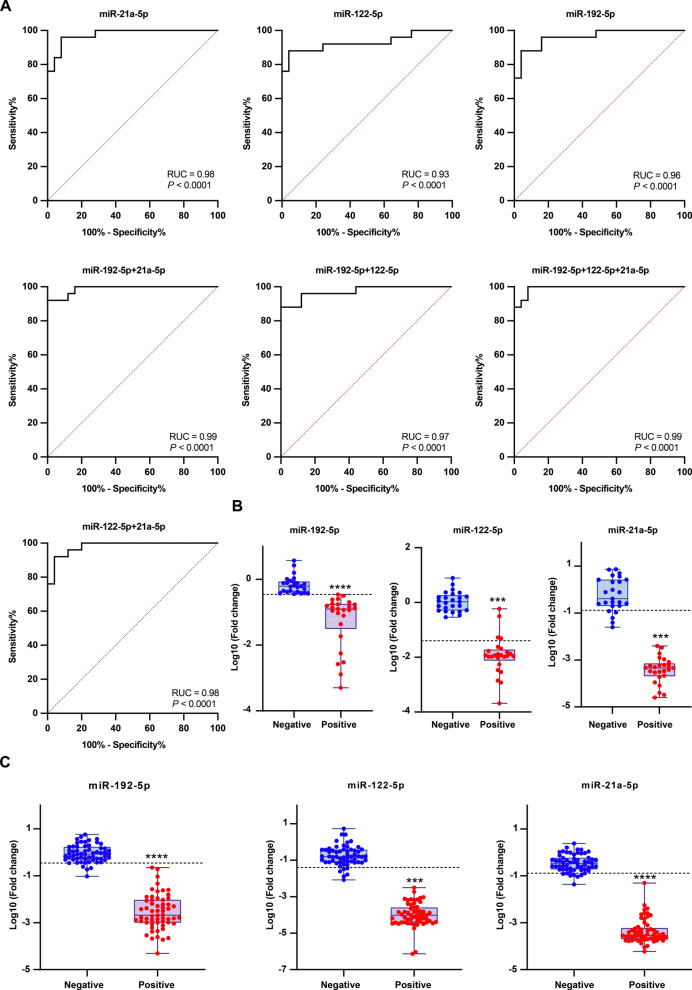 Figure 4
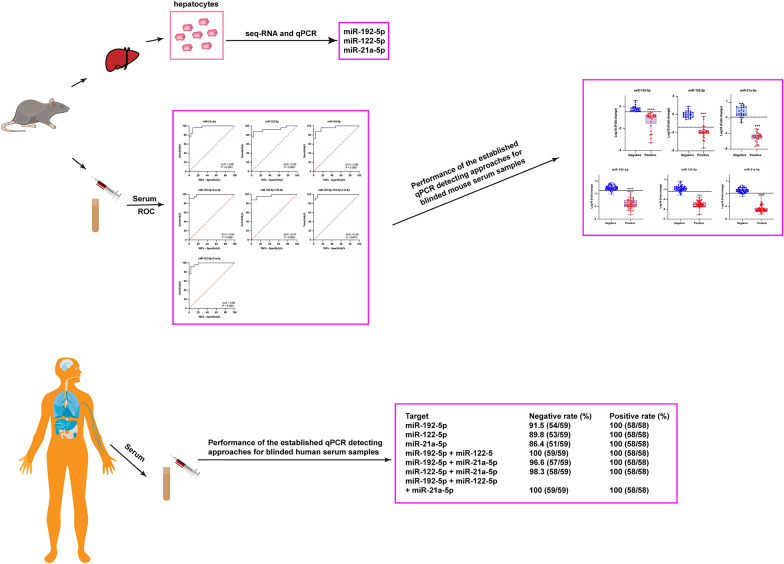 Figure 5
Peer Reviews
No public reviews on file for this paper yet. If you reviewed it on a platform where reviews are public (OpenReview, ICLR, NeurIPS, ICML), you can paste yours below so the community can read it here.
Videos
No videos yet. Explain this paper in a talk, walkthrough, or lecture? Add one.
Taxonomy
TopicsParasitic infections in humans and animals · Parasitic Infections and Diagnostics · Toxoplasma gondii Research Studies