Panduratin A from Boesenbergia rotunda suppresses hepatitis B virus by targeting HNF1α and synergizing with antiviral agents
Piyanoot Thongsri, Yongyut Pewkliang, Suparerk Borwornpinyo, Adisak Wongkajornsilp, Pakatip Ruenraroengsak, Usanarat Anurathapan, Abhasnee Sobhonslidsuk, Suradej Hongeng, Khanit Sa-ngiamsuntorn

TL;DR
Panduratin A, a compound from Boesenbergia rotunda, effectively suppresses hepatitis B virus by targeting HNF1α and works well with existing antiviral drugs.
Contribution
Panduratin A's anti-HBV mechanism is shown to involve HNF1α, and its synergistic potential with antiviral agents is demonstrated.
Findings
Panduratin A significantly reduced HBV DNA, HBsAg, HBeAg, and pgRNA in infected hepatocytes.
Panduratin A's antiviral effects were mediated through HNF1α, as knockdown reduced efficacy and ectopic expression restored it.
Combination with GS-5801 showed synergy, while NVR-3778 produced additive antiviral effects in HBV-infected cells.
Abstract
Boesenbergia rotunda (fingerroot) is widely used in traditional medicine, and its bioactive compound panduratin A has demonstrated potent antiviral properties. However, the mechanistic basis underlying its anti-hepatitis B virus (HBV) activity remains to be fully elucidated. HBV-infected human hepatocytes (imHCs) were treated with B. rotunda extract, panduratin A, or pinostrobin. Intracellular HBV DNA, secreted HBsAg and HBeAg, and pregenomic RNA (pgRNA) were quantified in dose- and time-dependent experiments. Luciferase reporter assays were used to assess HBV promoter activity. The roles of HNF1α and HNF4α were evaluated by siRNA-mediated knockdown and ectopic gene expression. Drug interaction studies were performed using the KDM5 inhibitor GS-5801 and the capsid assembly modulator NVR-3778. A 3D liver spheroid model was used to validate antiviral effects on HBV DNA and cccDNA. Gene…
Genes, proteins, chemicals, diseases, species, mutations and cell lines named across the full text — each resolved to its canonical identifier and authoritative record.
Click any figure to enlarge with its caption.
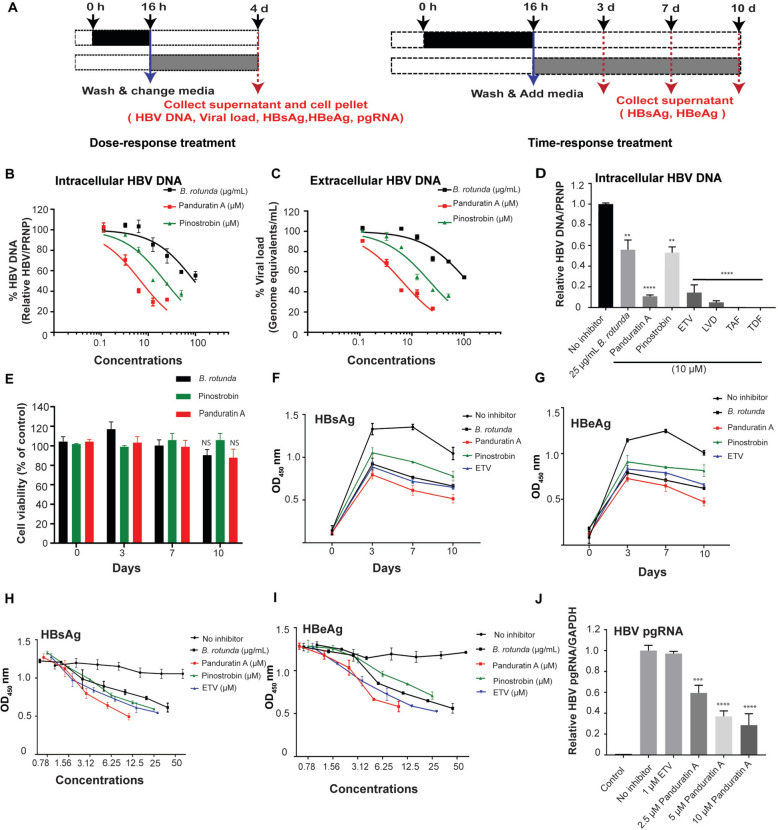 Figure 1
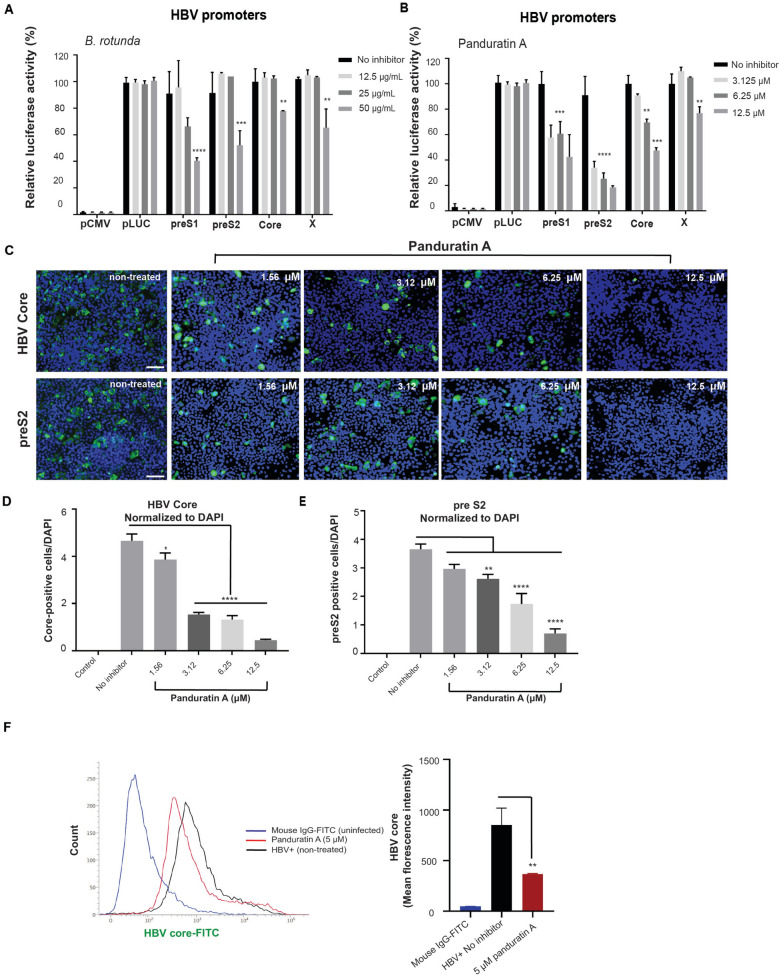 Figure 2
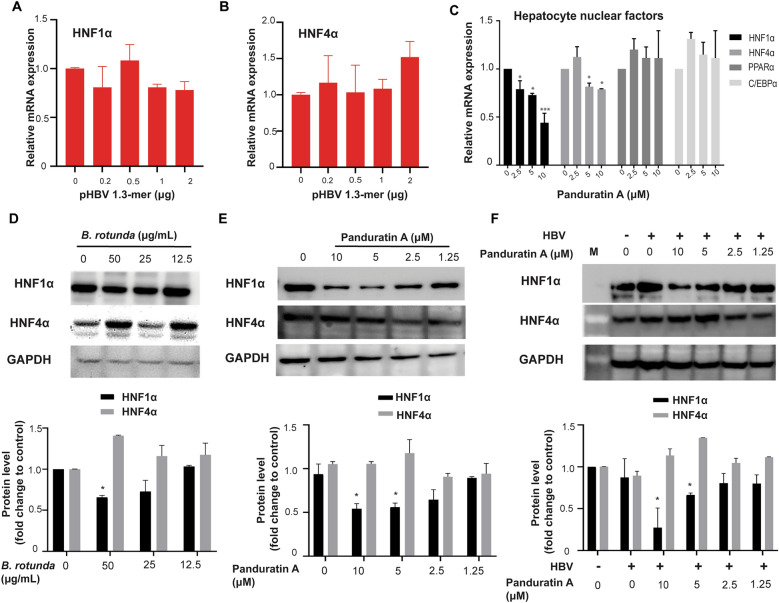 Figure 3
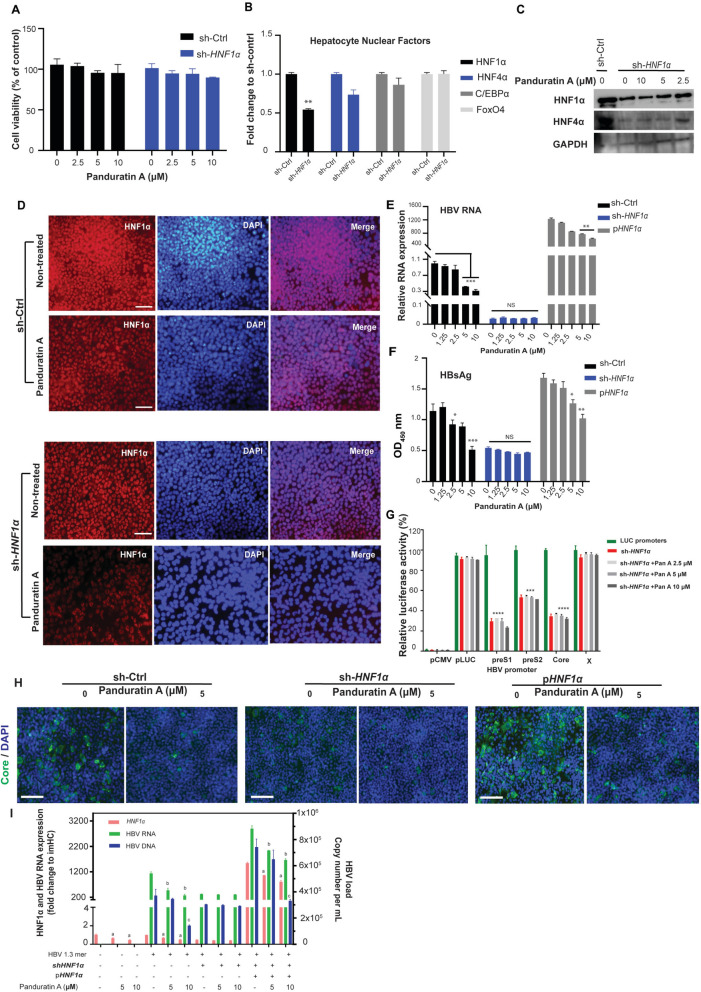 Figure 4
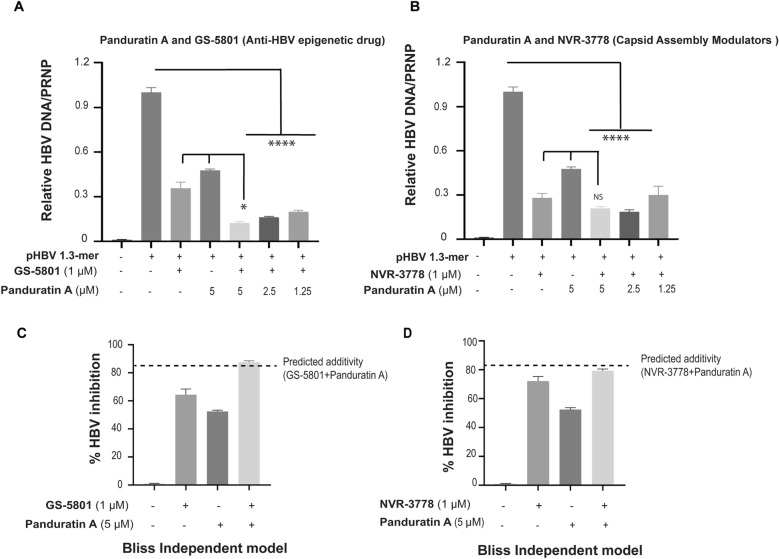 Figure 5
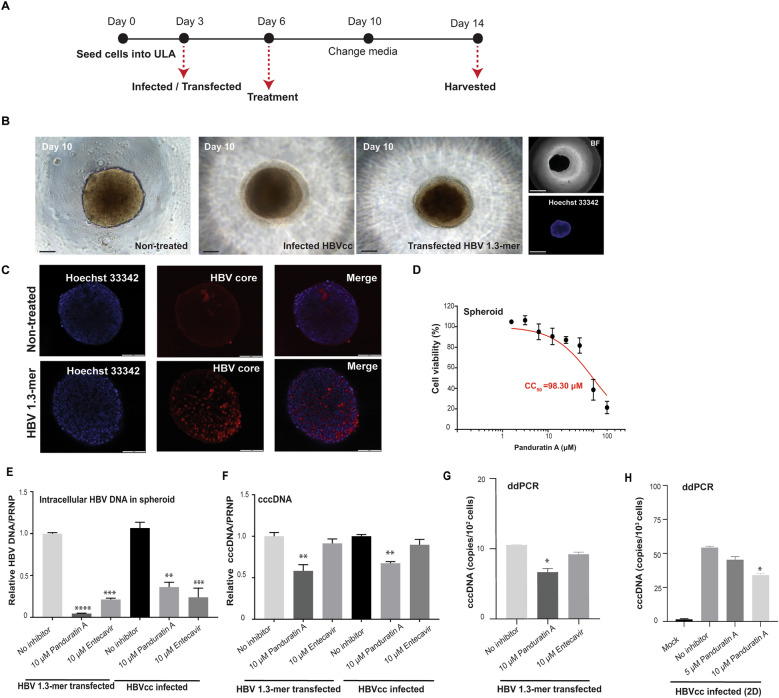 Figure 6
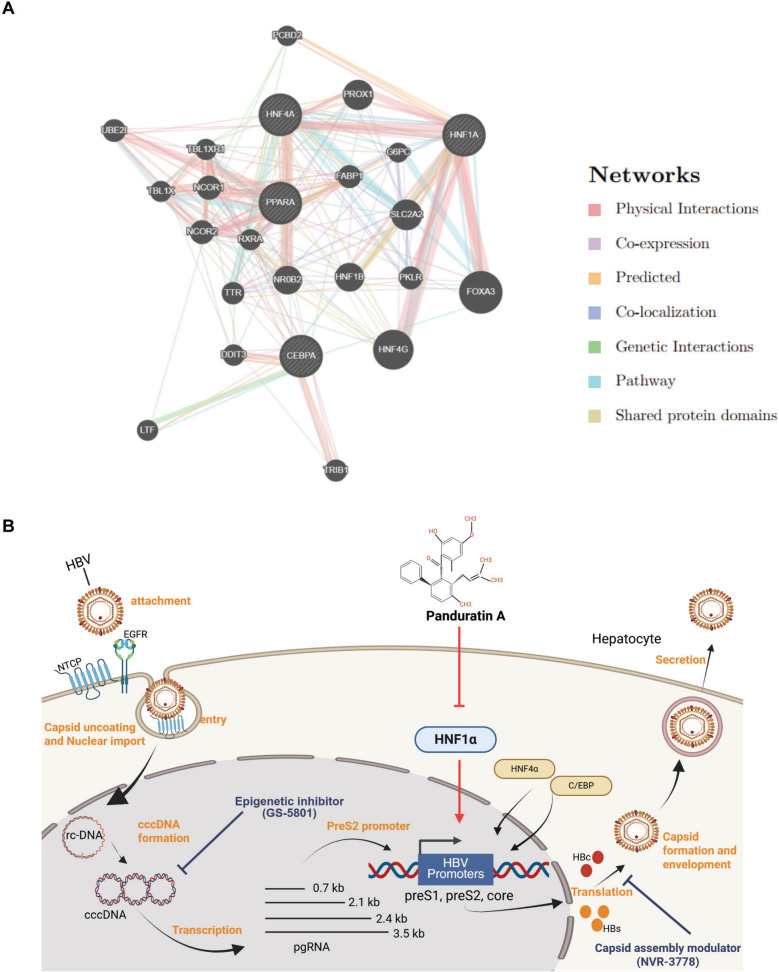 Figure 7
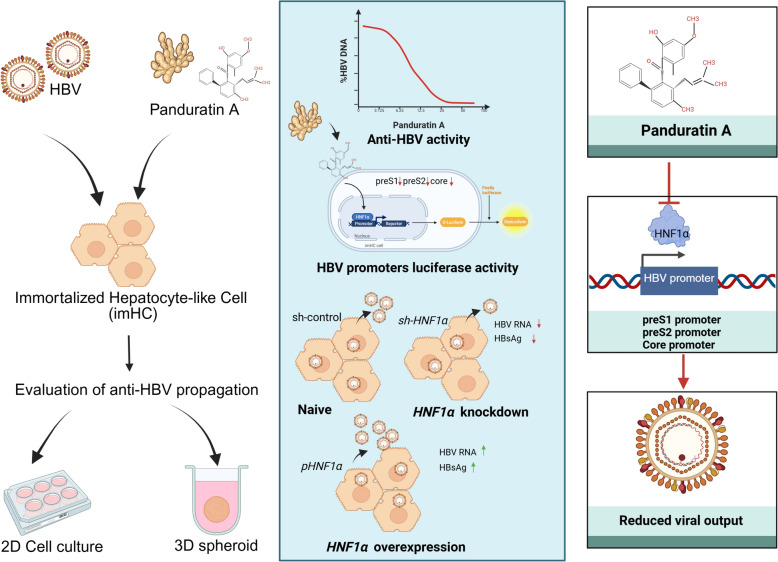 Figure 8
Peer Reviews
No public reviews on file for this paper yet. If you reviewed it on a platform where reviews are public (OpenReview, ICLR, NeurIPS, ICML), you can paste yours below so the community can read it here.
Videos
No videos yet. Explain this paper in a talk, walkthrough, or lecture? Add one.
Taxonomy
TopicsGinger and Zingiberaceae research · Drug-Induced Hepatotoxicity and Protection · Hepatitis B Virus Studies