Two-photon excitation enables single-molecule detection of a fluorescent base analogue in DNA with high photostability
Henry G. Sansom, Alexandra E. Bailie, Filippos Stefanou, Byron W. Purse, Anita C. Jones, Steven W. Magennis

TL;DR
A fluorescent DNA base analogue can be detected at the single-molecule level with high stability using two-photon excitation, enabling better imaging in living cells.
Contribution
Two-photon excitation of ABN enables stable single-molecule DNA detection without antifade reagents.
Findings
Two-photon excitation of ABN allows stable detection of single DNA molecules in aqueous solution.
ABN's two-photon brightness exceeds previous base analogues and matches fluorescent proteins like EGFP.
Abstract
Fluorescent modification of nucleic acids using nucleobase analogues provides unique capabilities for imaging nucleic acids in cells and monitoring their conformational changes upon interaction with other biomolecules. The fluorescent nucleobase analogue ABN was shown recently to be the first base analogue to enable single-molecule detection of dsDNA, but its sensitivity to photobleaching under one-photon excitation required the use of oxygen scavenging reagents, and may limit future applications in live-cell imaging. Here, we show that two-photon excitation of ABN allows the stable detection of single DNA molecules in aqueous solution without antifade additives. The two-photon brightness of ABN in dsDNA exceeds by an order of magnitude that reported previously for any base analogue, and is comparable to that of the fluorescent protein EGFP, making it a promising candidate for the…
Genes, proteins, chemicals, diseases, species, mutations and cell lines named across the full text — each resolved to its canonical identifier and authoritative record.
Click any figure to enlarge with its caption.
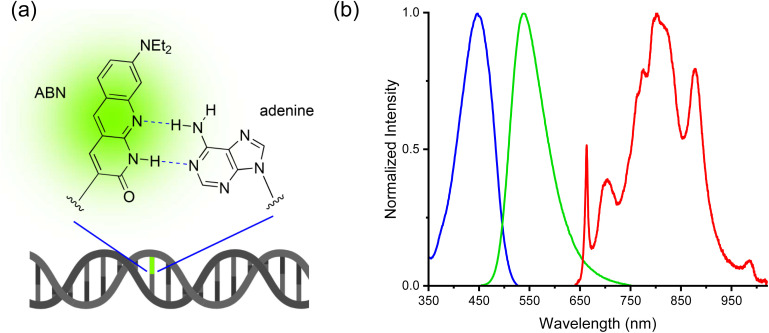 Figure 1
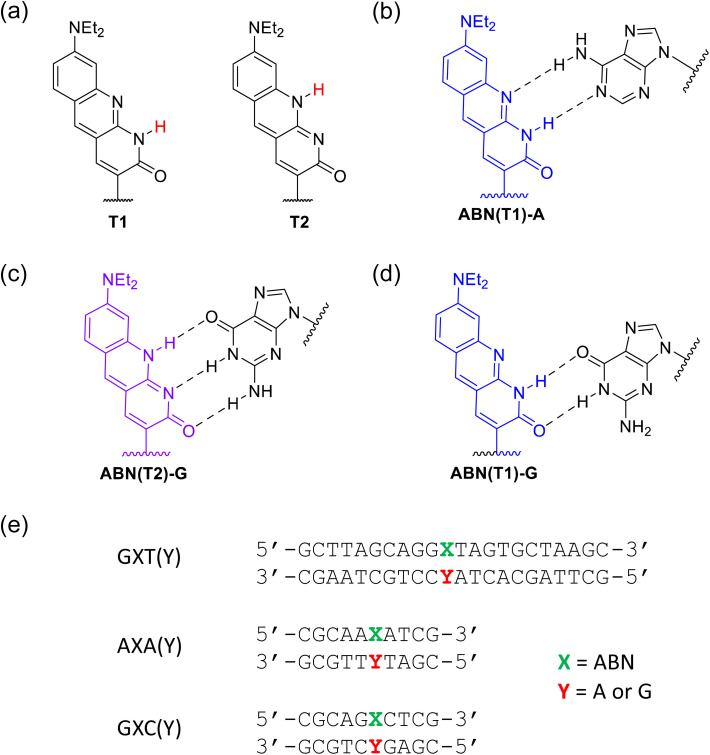 Figure 2
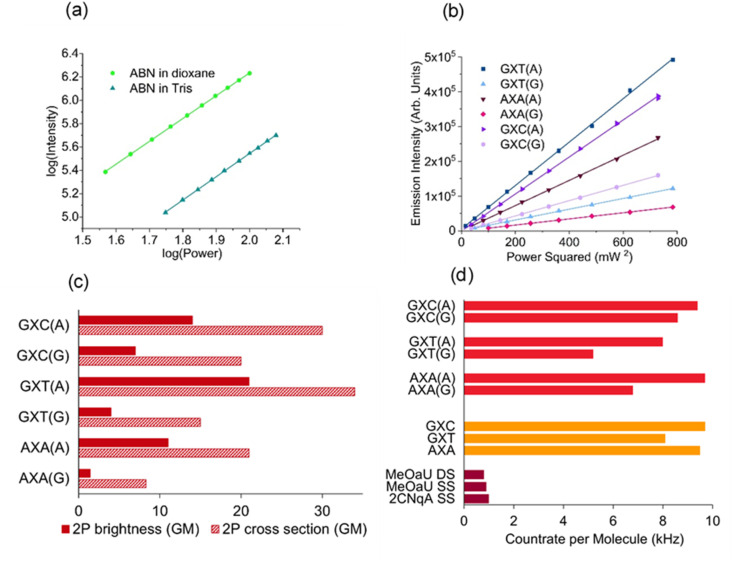 Figure 3
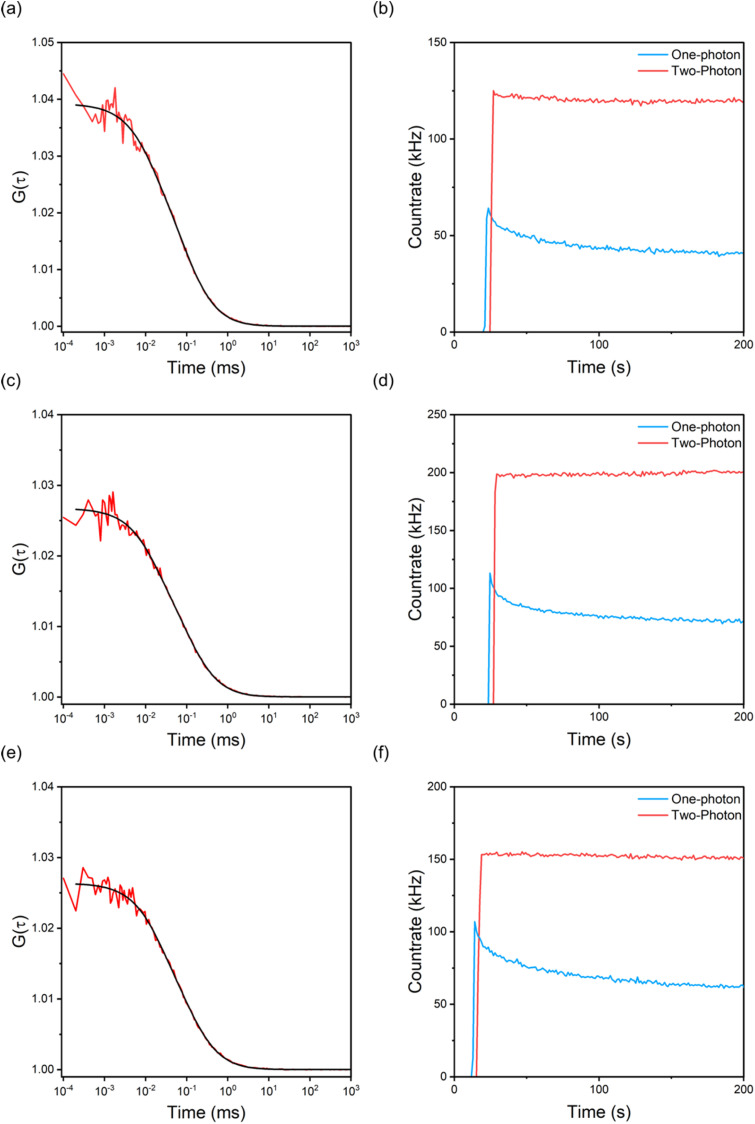 Figure 4
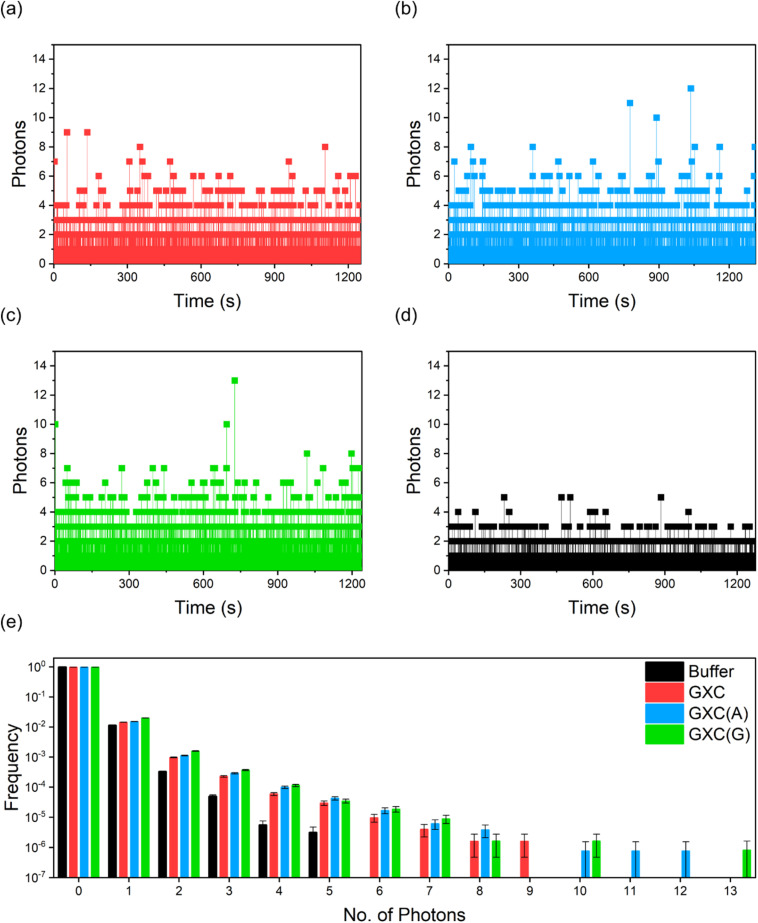 Figure 5
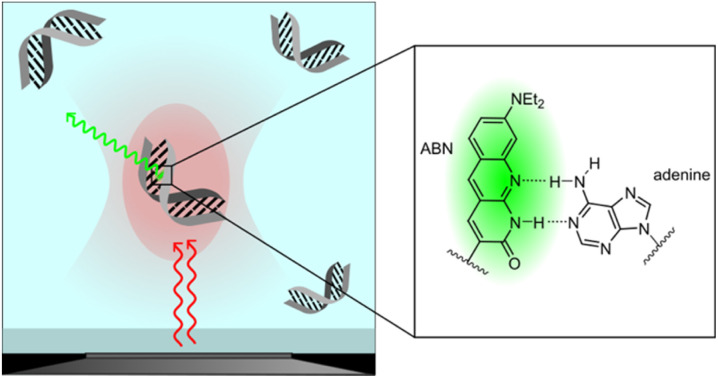 Figure 6
Peer Reviews
No public reviews on file for this paper yet. If you reviewed it on a platform where reviews are public (OpenReview, ICLR, NeurIPS, ICML), you can paste yours below so the community can read it here.
Videos
No videos yet. Explain this paper in a talk, walkthrough, or lecture? Add one.
Taxonomy
TopicsPhotochromic and Fluorescence Chemistry · DNA and Nucleic Acid Chemistry · Advanced Fluorescence Microscopy Techniques