Isolation, identification, biological characteristics analysis, and inactivated vaccine research of Mycoplasma canis from respiratory tract of dogs in Yunnan Province, China
Meiling Kou, Tao Xu, Yinan Wang, Jiarui Xie, Jiangyan Huang, Yun Xin, Chao Chen, Qing Fan, Aiguo Mao, Haisheng Miao

TL;DR
This study isolates and identifies Mycoplasma canis from dogs in Yunnan, China, and develops an inactivated vaccine that shows promising immune response in experimental dogs.
Contribution
The study provides the first inactivated vaccine for M. canis and evaluates its growth and inactivation characteristics.
Findings
M. canis reaches peak growth in 24 hours in PPLO medium at 37°C and survives best in neutral or weakly acidic environments.
A 5 mM BEI inactivating agent completely inactivates M. canis within 15 hours.
An inactivated vaccine induced a 100% positive antibody response in four experimental dogs within one week.
Abstract
Research on Mycoplasma canis remains limited, possibly because dogs in most regions are usually not raised on a large scale or in intensive farming. Furthermore, existing antibacterial drugs are often proven to be effective in inhibiting or eradicating M. canis, resulting in insufficient attention being paid to its pathogenic potential. However, with the widespread use of antibacterial drugs, an increase in drug resistance has been found in human mycoplasma pneumoniae, bovine mycoplasma and avian mycoplasma also faces similar challenges. Given the irreplaceable role of dogs as companion animals and work partners, it is crucial to enhance research on Mycoplasma canine, especially in the areas of epidemiology, diagnostic techniques, drug resistance mechanisms and vaccine development. This study found that M. canis inoculated into liquid Pleuropneumonia-Like Organisms (PPLO) medium at 37…
Genes, proteins, chemicals, diseases, species, mutations and cell lines named across the full text — each resolved to its canonical identifier and authoritative record.
Click any figure to enlarge with its caption.
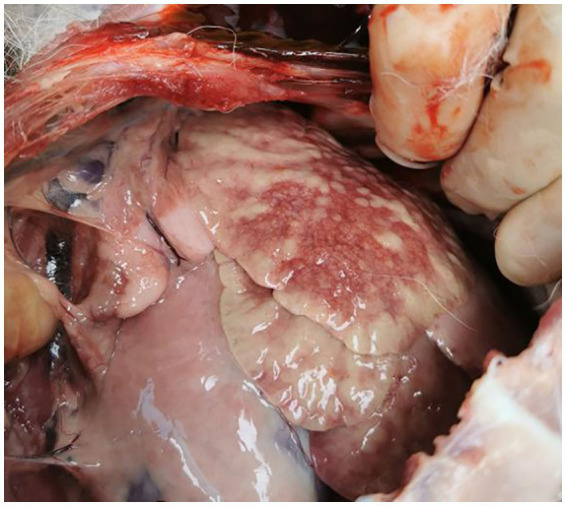 Figure 1
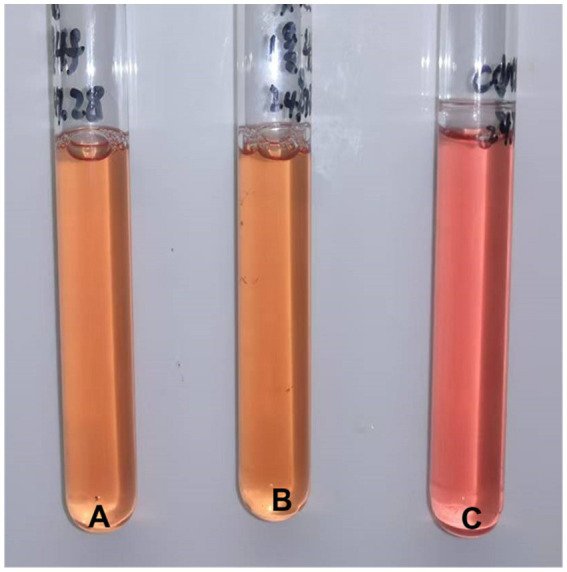 Figure 2
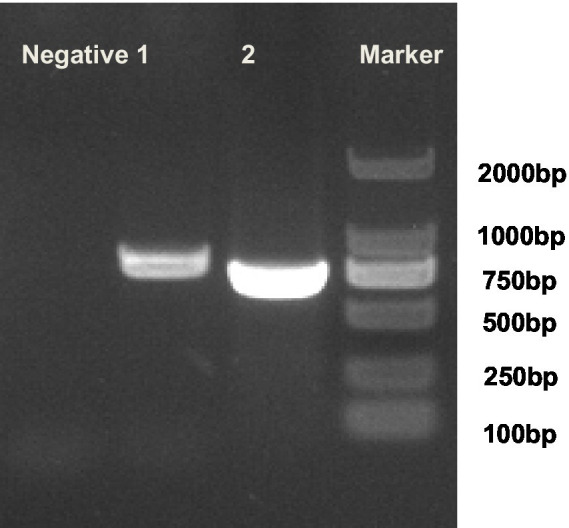 Figure 3
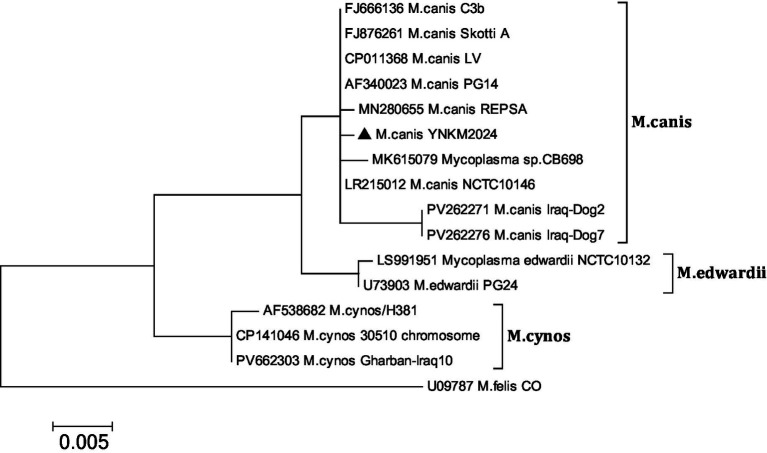 Figure 4
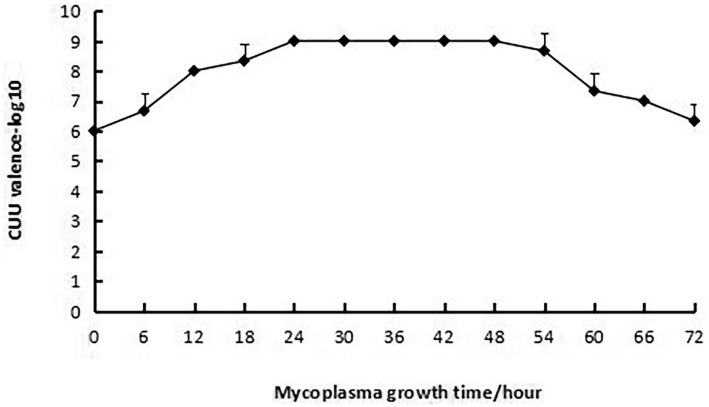 Figure 5
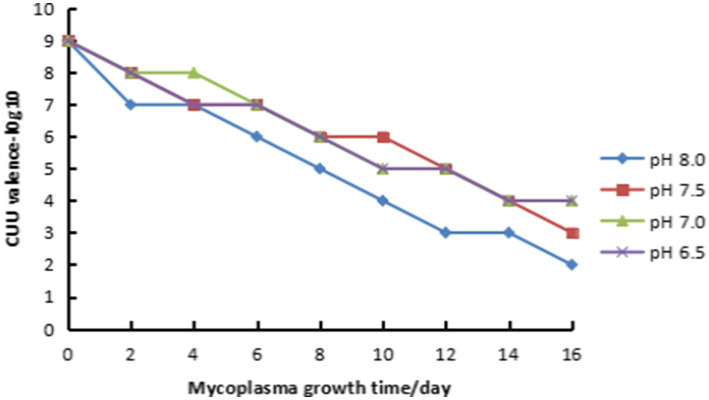 Figure 6
Peer Reviews
No public reviews on file for this paper yet. If you reviewed it on a platform where reviews are public (OpenReview, ICLR, NeurIPS, ICML), you can paste yours below so the community can read it here.
Videos
No videos yet. Explain this paper in a talk, walkthrough, or lecture? Add one.
Taxonomy
TopicsMicrobial infections and disease research · Pneumonia and Respiratory Infections · vaccines and immunoinformatics approaches