Danggui-Shaoyao-San modulates sphingolipid metabolism to promote oligodendrocyte differentiation and maturation in vascular dementia rats
Yue Su, Yuying Zhong, Ningning Yuan, Xiang Li, Ying Xu, Hui Yang, Mengmeng Huang, Yafeng Zhang, Xiaolan Cheng

TL;DR
This study shows that Danggui-Shaoyao-San improves cognitive function in vascular dementia rats by promoting myelin repair through sphingolipid metabolism.
Contribution
The study reveals a novel mechanism by which Danggui-Shaoyao-San activates the SPHK2/S1P/S1PR5 pathway to promote myelin regeneration in vascular dementia.
Findings
DSS treatment improved cognitive function and reduced hippocampal and white matter damage in VaD rats.
DSS activated the SPHK2/S1P/S1PR5 pathway, ameliorated sphingolipid metabolic disorders, and increased S1P levels.
Albiflorin and Gallic acid from DSS formed stable interactions with SPHK2, as shown by molecular simulations.
Abstract
Vascular dementia (VaD) is a neurodegenerative disease primarily characterized by white matter injury and myelin degeneration, and currently, there is a lack of effective treatment options. This study aims to investigate the effects of the traditional Chinese medicine formula Danggui Shaoyao San (DSS) on cognitive function and myelin repair in VaD rats and to elucidate its underlying mechanisms. The VaD rat model was established using the bilateral common carotid artery ligation (2VO) method. The effects of DSS on cognitive function, myelin regeneration, sphingolipid metabolism, and SPHK2/S1P/S1PR5 pathway was conducted using behavioral tests, histological staining, Western blot, lipidomics, qPCR, immunofluorescence, LC–MS/MS, and 16S rRNA sequencing. Besides, molecular docking and molecular dynamics simulation were carried out. DSS treatment significantly improved learning and memory…
Genes, proteins, chemicals, diseases, species, mutations and cell lines named across the full text — each resolved to its canonical identifier and authoritative record.
Click any figure to enlarge with its caption.
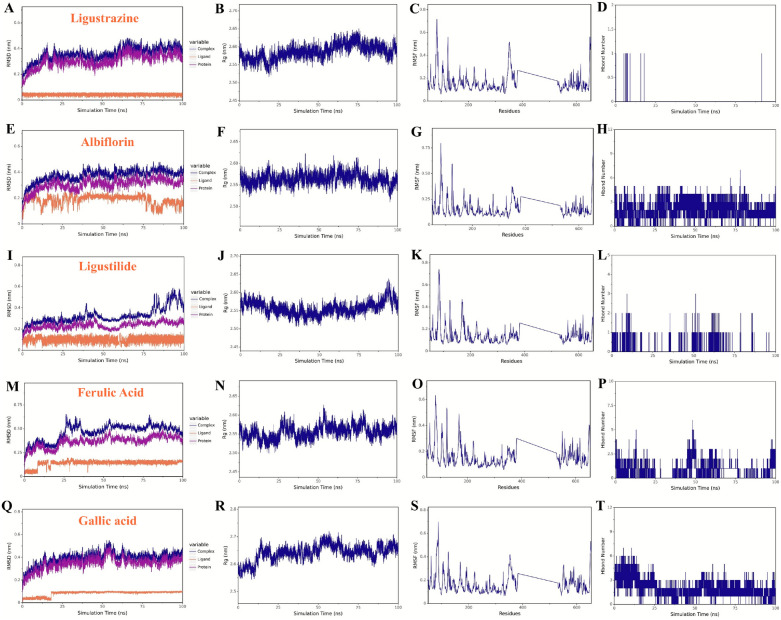 Figure 10
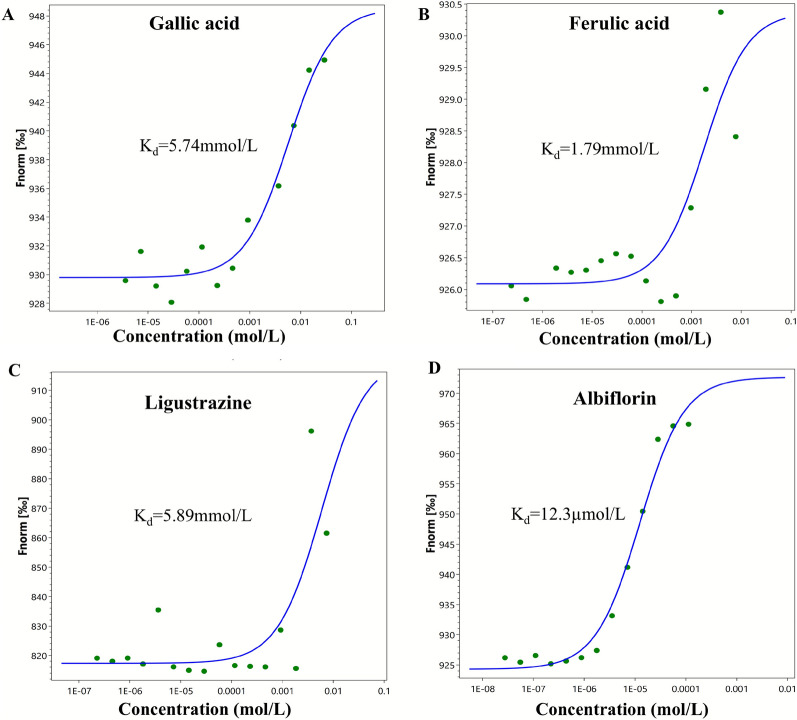 Figure 11
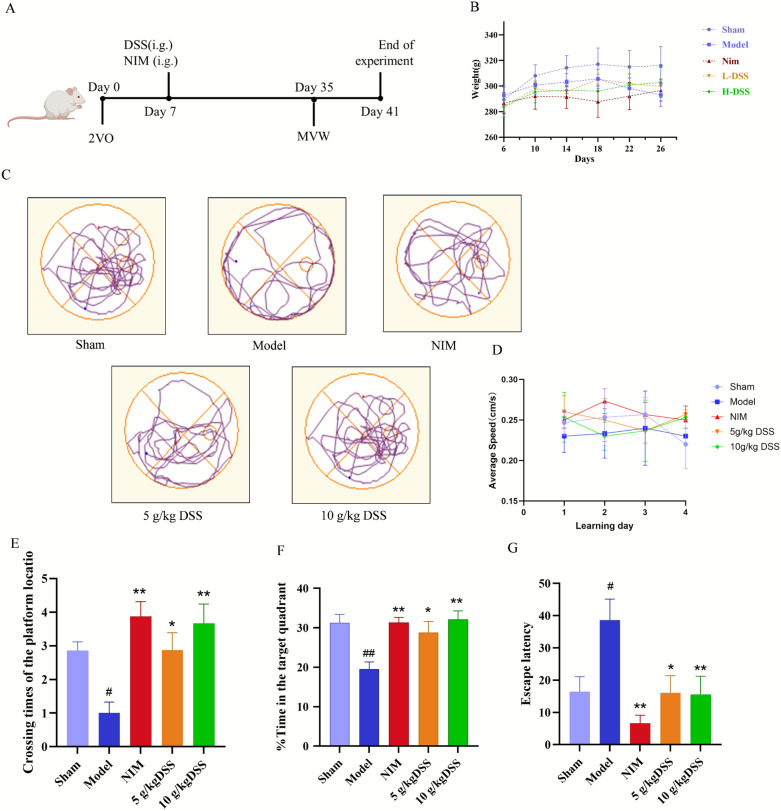 Figure 1
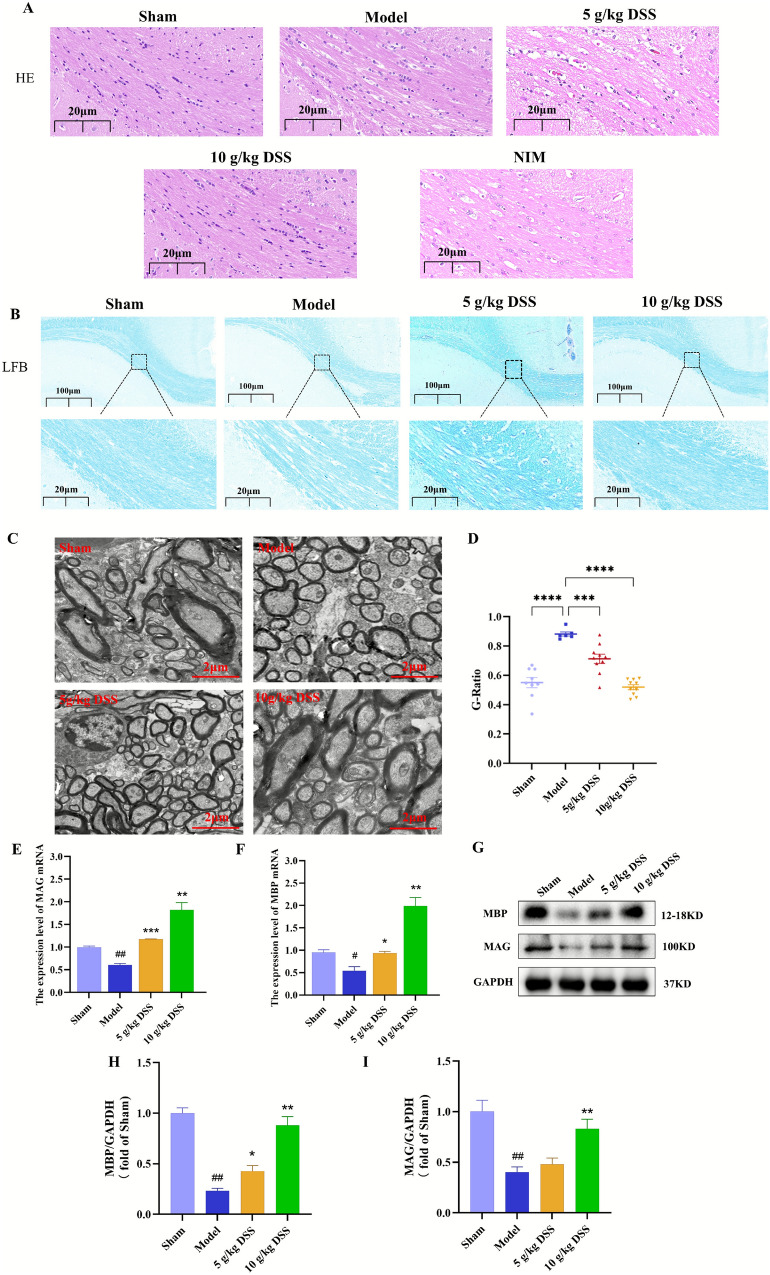 Figure 2
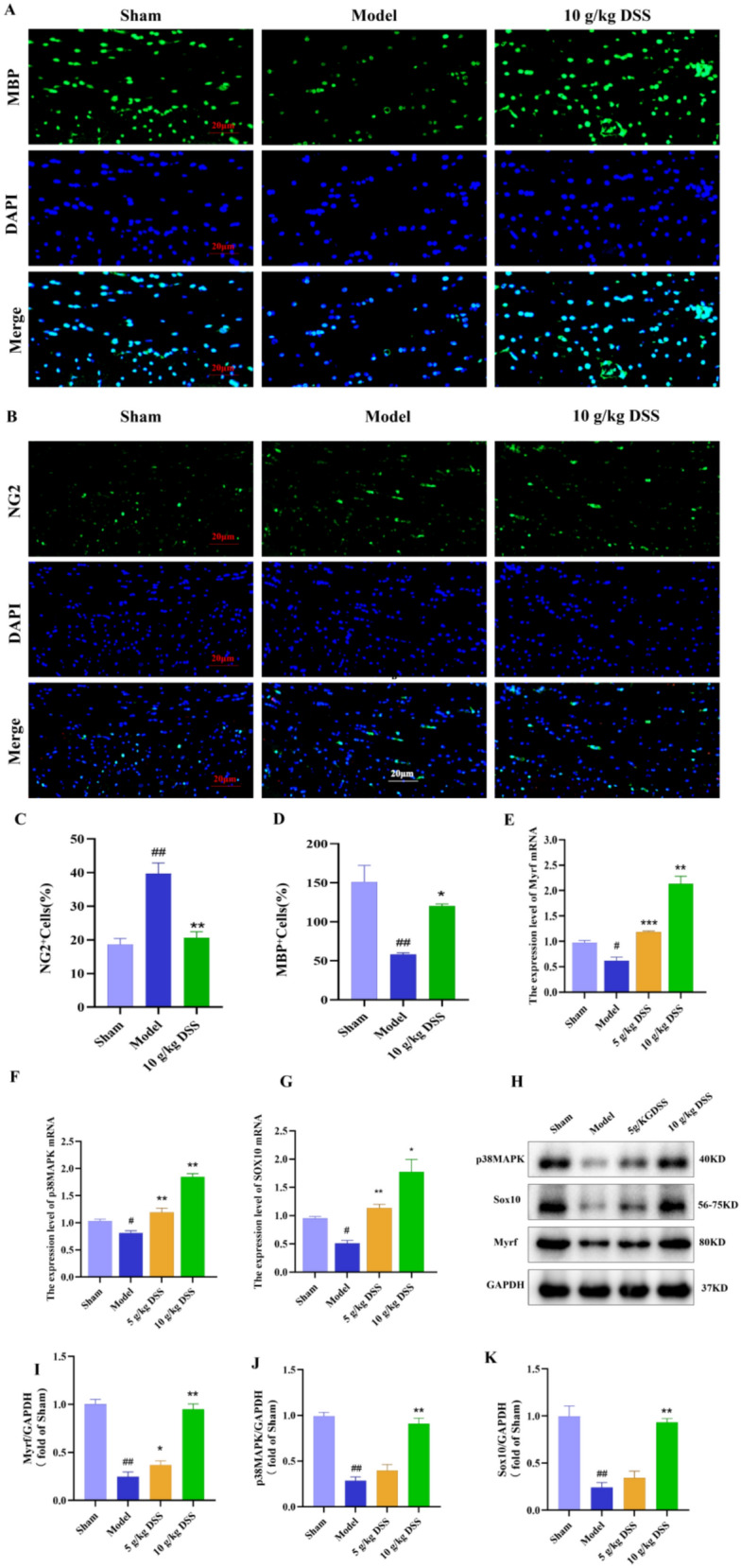 Figure 3
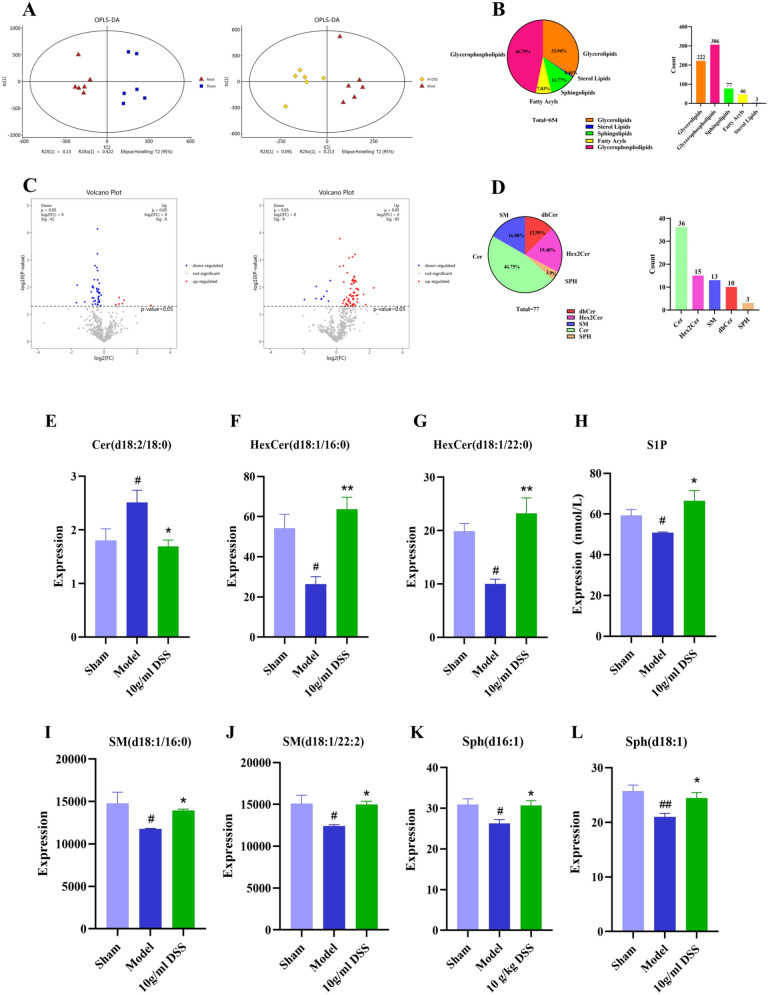 Figure 4
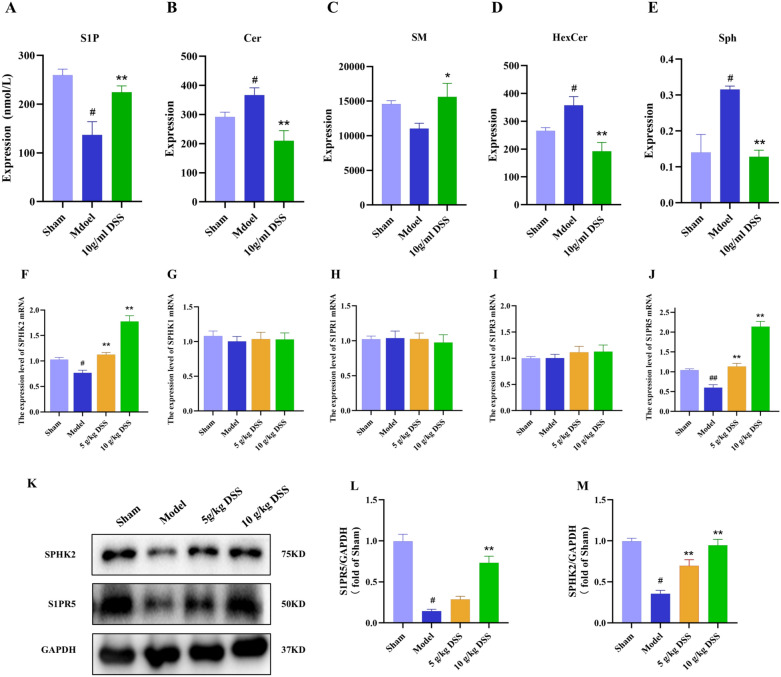 Figure 5
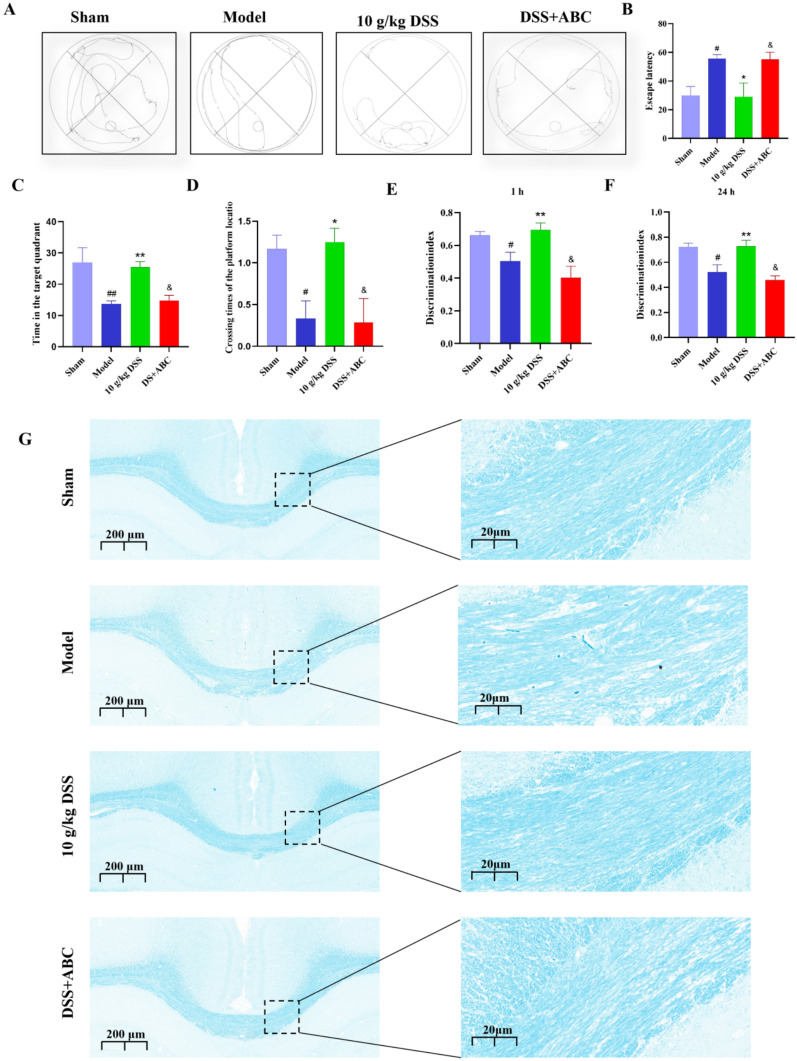 Figure 6
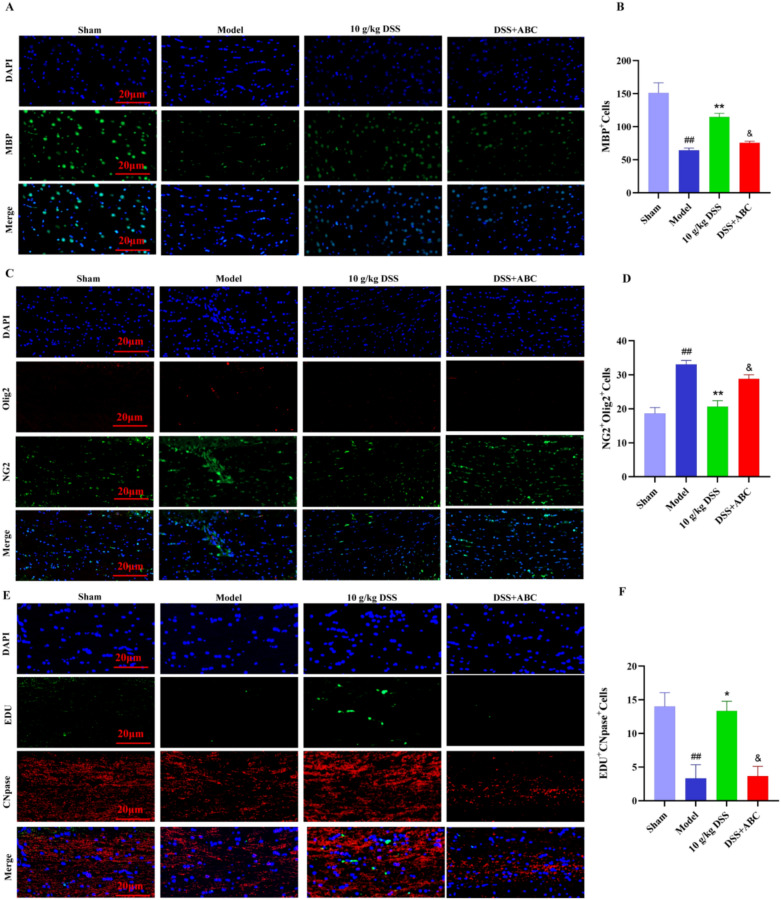 Figure 7
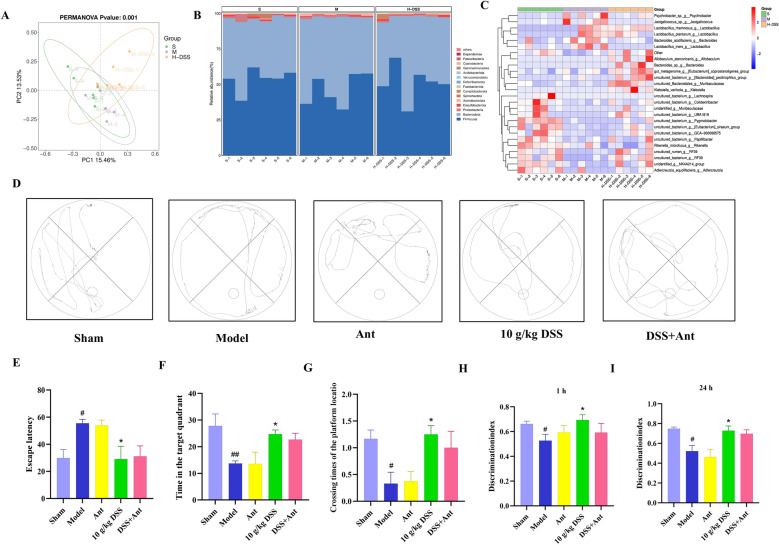 Figure 8
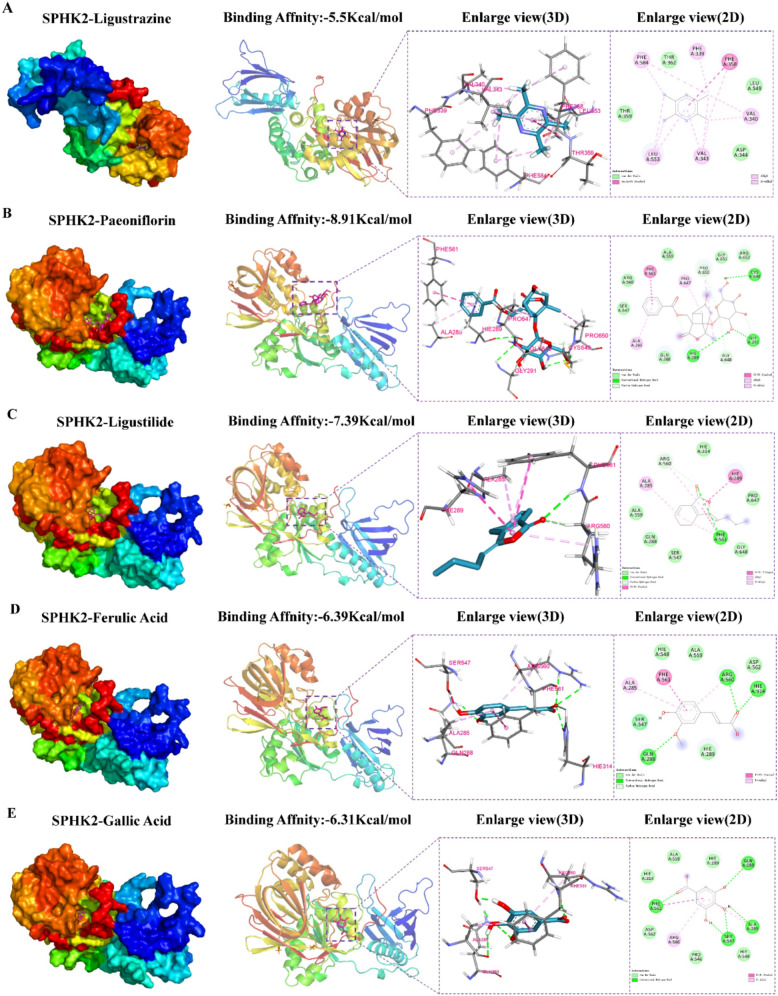 Figure 9
Peer Reviews
No public reviews on file for this paper yet. If you reviewed it on a platform where reviews are public (OpenReview, ICLR, NeurIPS, ICML), you can paste yours below so the community can read it here.
Videos
No videos yet. Explain this paper in a talk, walkthrough, or lecture? Add one.
Taxonomy
TopicsNeurological Disease Mechanisms and Treatments · Neuroinflammation and Neurodegeneration Mechanisms · Traditional Chinese Medicine Analysis