Integrated genome-wide domestication and association analyses reveal the complex genetic basis of parthenocarpy during cucumber domestication
Pinyu Zhu, Shiyou Wang, Yongjiao Meng, Weiping Diao, Xiaqing Yu, Yuhui Wang, Ji Li, Jinfeng Chen

TL;DR
This study explores the genetic basis of parthenocarpy in cucumbers by analyzing 236 cucumber samples and identifying key genes and loci involved in this trait.
Contribution
The study identifies 34 loci associated with parthenocarpy and validates three genes for their role in regulating this trait for the first time.
Findings
34 loci associated with parthenocarpy were identified, with 27 showing evidence of selection during domestication.
Three genes (CsACA10, CsCaM, CsERT2) were cloned and verified to regulate parthenocarpy in cucumbers.
Favorable parthenocarpic alleles accumulated in cultivated cucumbers, leading to variation among cucumber groups.
Abstract
Parthenocarpy is an important target trait for the yield and quality of fruit crops. It has been used and selected in cucumber breeding for more than a hundred years, which has led to variation in parthenocarpic ability among different cucumber groups and thus resulted in a complex genetic basis. Here, we performed deep resequencing of 236 cucumbers from six cucumber groups and investigated parthenocarpic phenotypes over three years and six seasons to explore the genetic basis of parthenocarpy in cucumber. Among the 34 loci associated with parthenocarpy identified through a genome-wide association study (GWAS), 17 (50%) were correlated with reported quantitative trait loci (QTLs), and 27 (79.4%) were selected during cucumber domestication. We found that favorable parthenocarpic alleles continuously accumulated in cultivated cucumbers, and our data pinpoint that different favorable…
Genes, proteins, chemicals, diseases, species, mutations and cell lines named across the full text — each resolved to its canonical identifier and authoritative record.
Click any figure to enlarge with its caption.
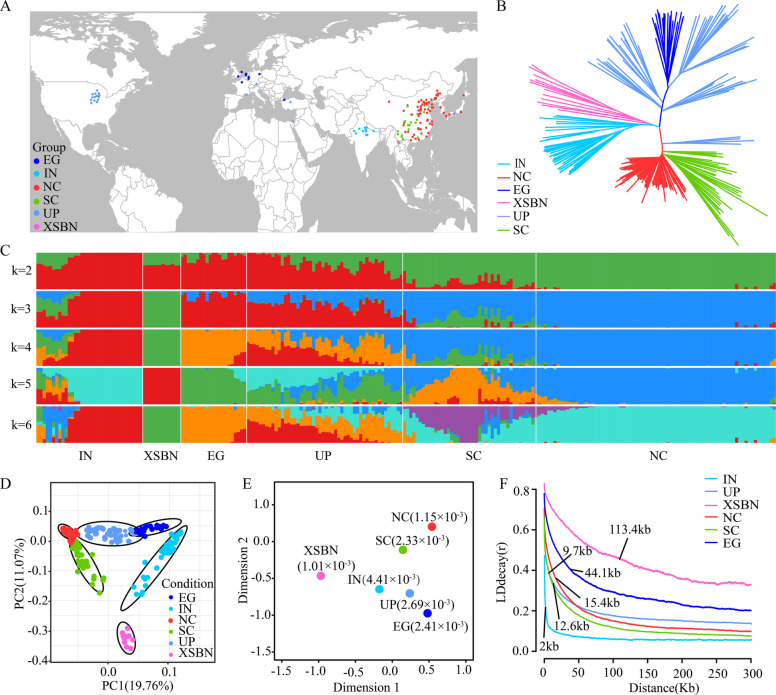 Figure 1
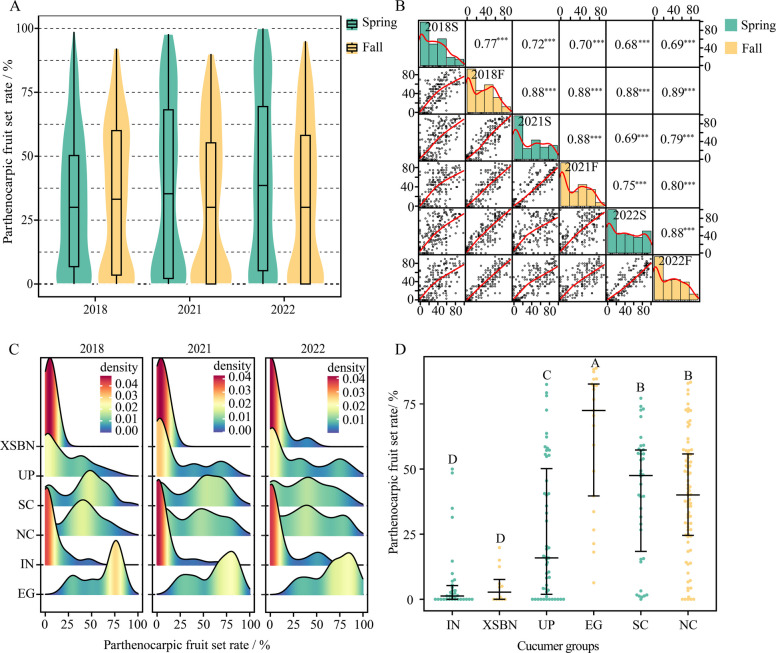 Figure 2
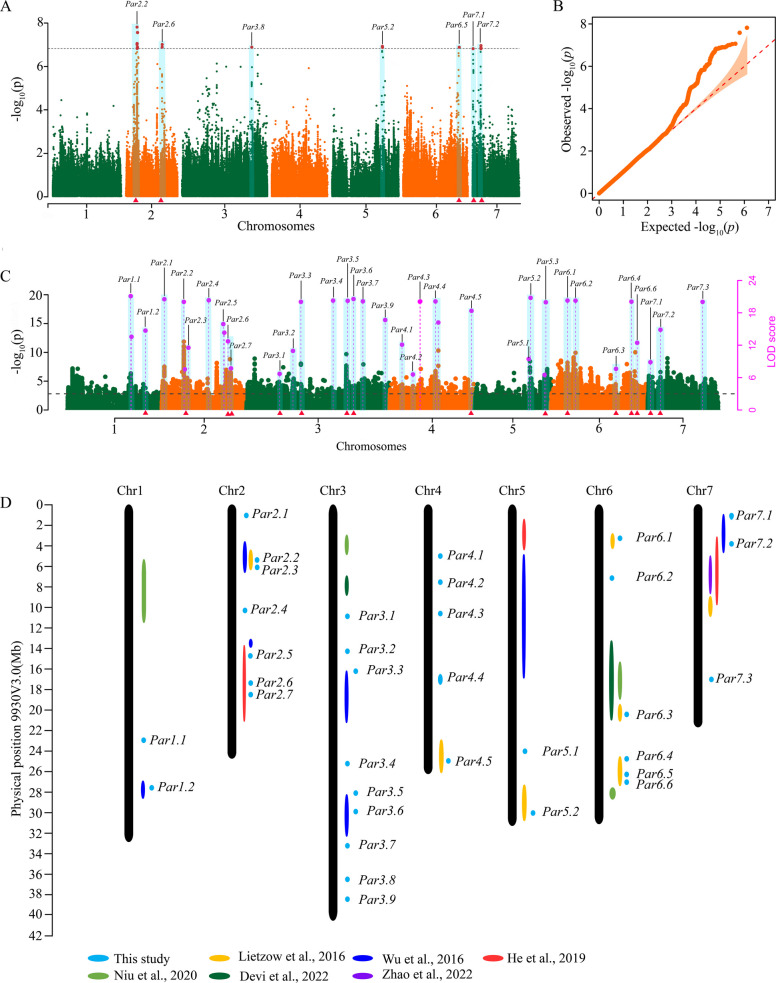 Figure 3
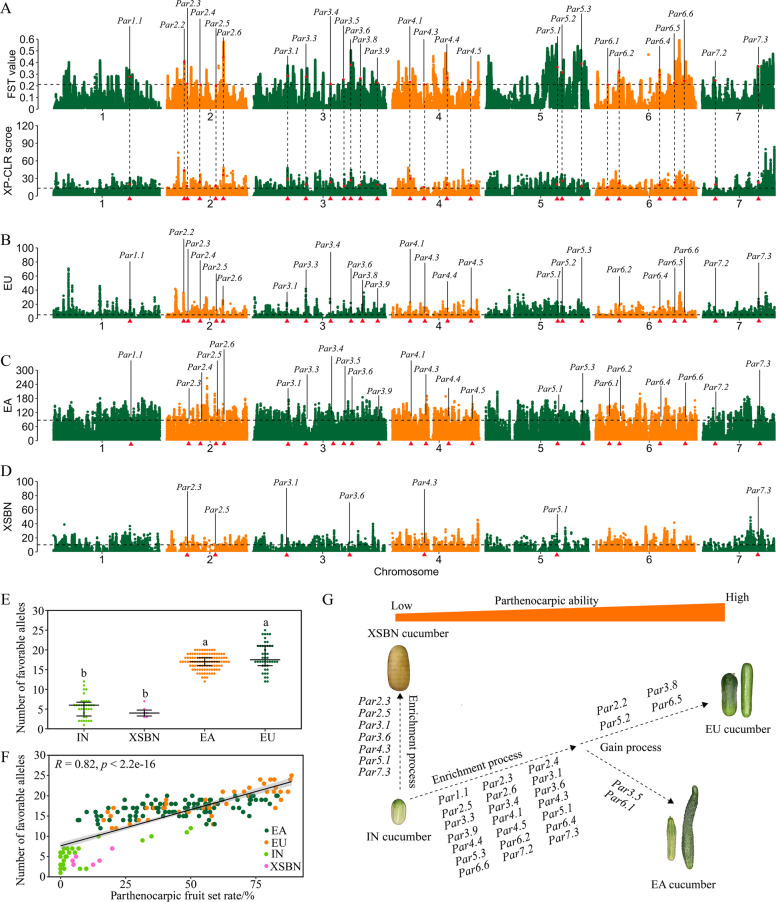 Figure 4
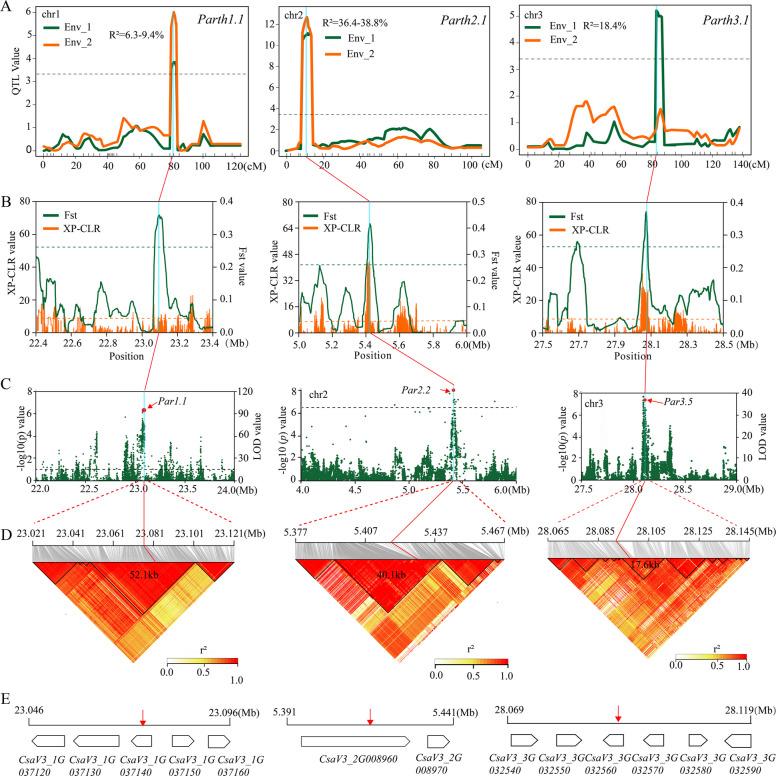 Figure 5
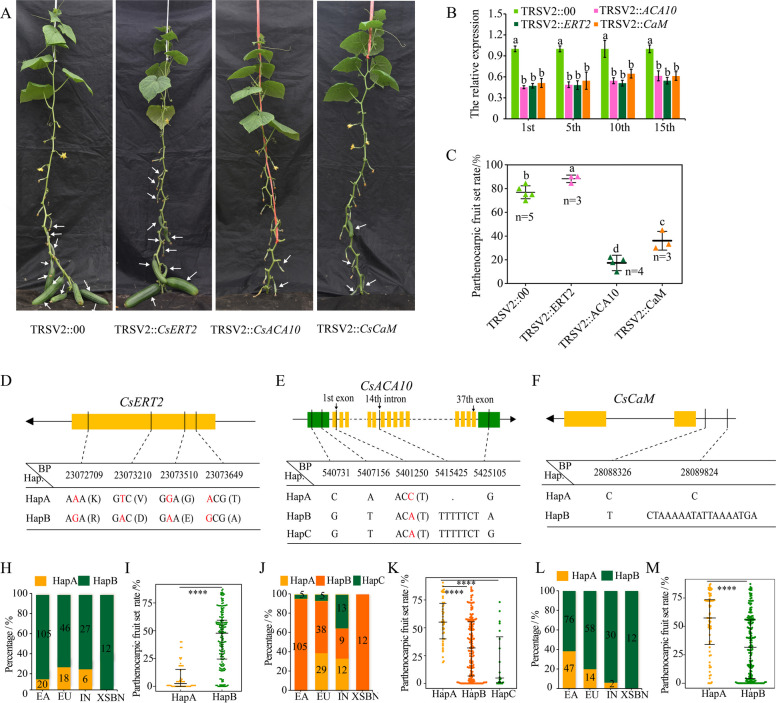 Figure 6
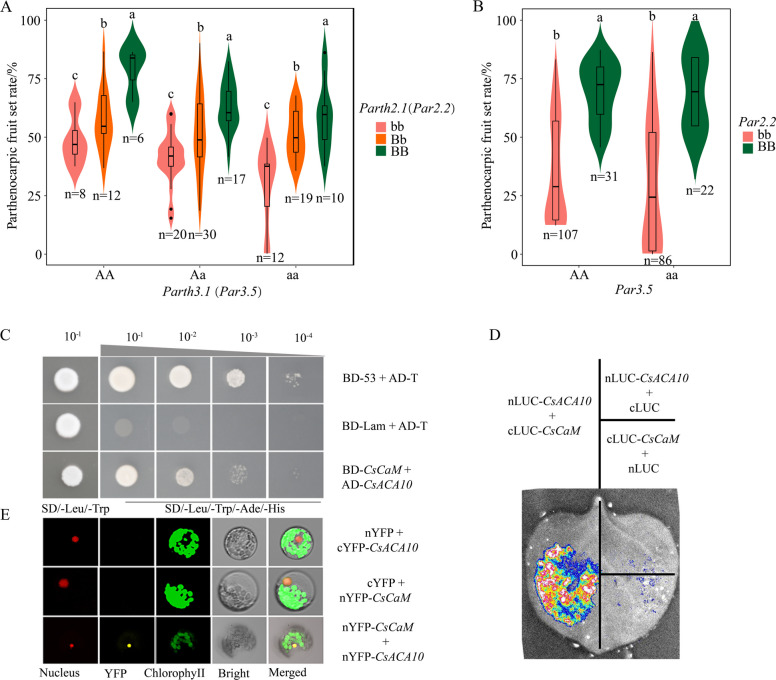 Figure 7
Peer Reviews
No public reviews on file for this paper yet. If you reviewed it on a platform where reviews are public (OpenReview, ICLR, NeurIPS, ICML), you can paste yours below so the community can read it here.
Videos
No videos yet. Explain this paper in a talk, walkthrough, or lecture? Add one.
Taxonomy
TopicsAdvances in Cucurbitaceae Research · Echinoderm biology and ecology · Cocoa and Sweet Potato Agronomy