Should we ligate coronary conduits when flow measurements indicate competitive flow? a case report
Konstantinos Papakonstantinou, Panagiotis Lerios, Mihalis Argiriou, Vasilios Patris, Ilias Gissis, John Kokotsakis, Panagiotis Dedeilias, Periklis Tomos

TL;DR
A case report discusses how competitive flow in coronary bypass grafting can lead to functional graft occlusion and highlights the importance of adjusting surgical plans based on flow measurements.
Contribution
The paper presents a novel clinical case and rationale for ligating grafts based on competitive flow measurements during coronary artery bypass grafting.
Findings
High backward flow values in TTFM suggest competitive flow even with otherwise normal parameters.
Proximal LAD stenosis near a grafted diagonal branch increases the risk of functional graft occlusion.
Adjusting revascularization plans based on TTFM can improve patient outcomes.
Abstract
Competitive flow (CF) in coronary artery bypass grafting (CABG) occurs when graft flow is impaired due to higher competing flow from either the native circulation or another graft and may result in functional graft occlusion. We report a case of functional graft occlusion of a left internal mammary artery (LIMA) due to flow competition with a saphenous vein graft (SVG) and discuss the rationale of ligating the graft responsible for the CF. The case refers to a 56-year-old man with an isolated subtotal ostial left anterior descending (LAD) lesion who underwent conventional double on-pump CABG with an in situ (LIMA) to the LAD and a centrally anastomosed SVG to the Diagonal branch (D1). Concerning the initial Transit-time flow measurements (TTFM), the SVG had a mean graft flow (MGF) of 49 ml/min, a Pulsatility index (PI) of 1 and a Diastolic flow (DF) of 66%. The LIMA graft had an MGF of…
Genes, proteins, chemicals, diseases, species, mutations and cell lines named across the full text — each resolved to its canonical identifier and authoritative record.
Click any figure to enlarge with its caption.
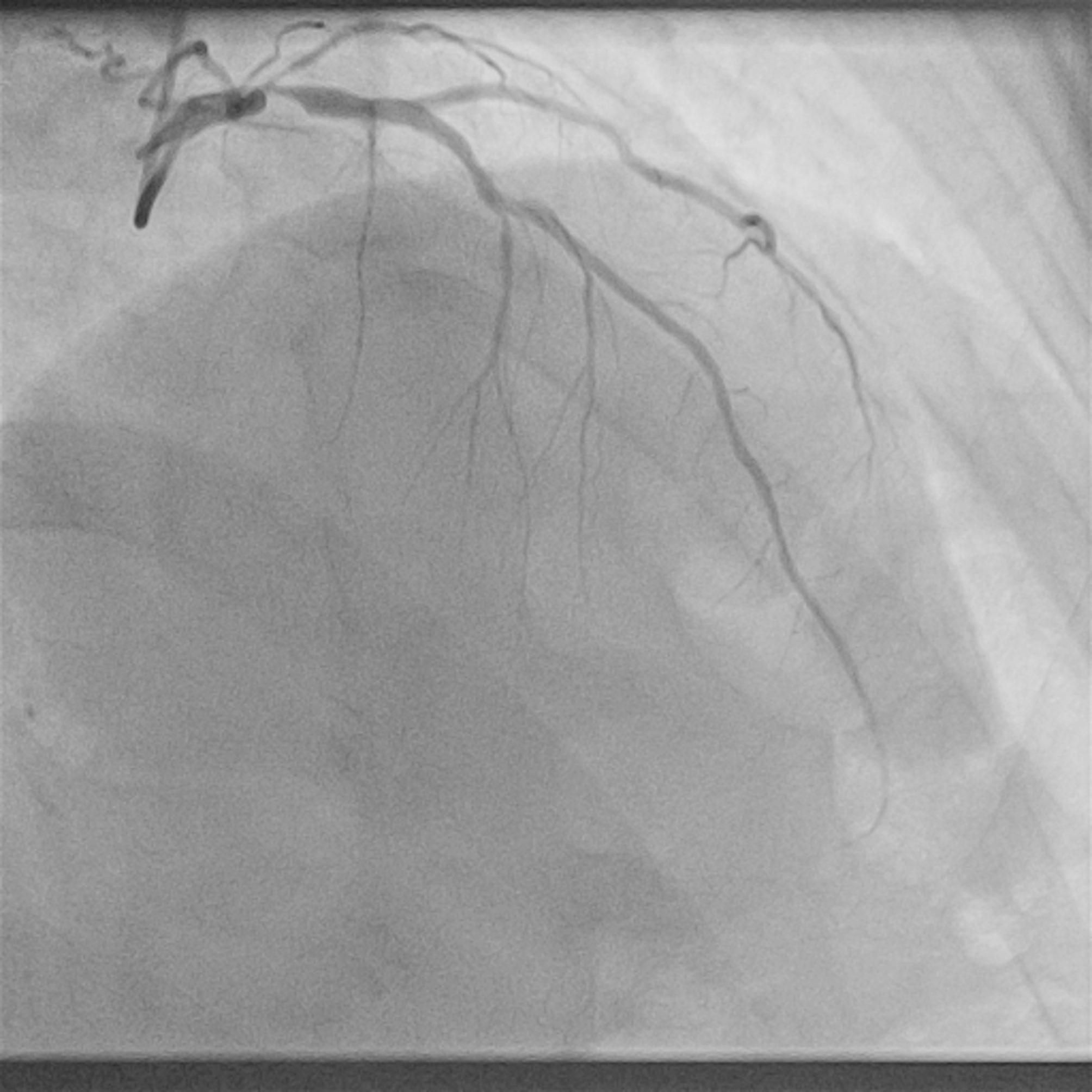 Figure 1
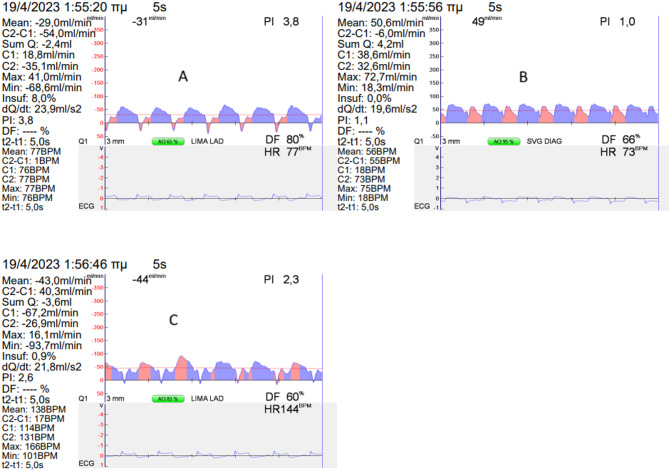 Figure 2
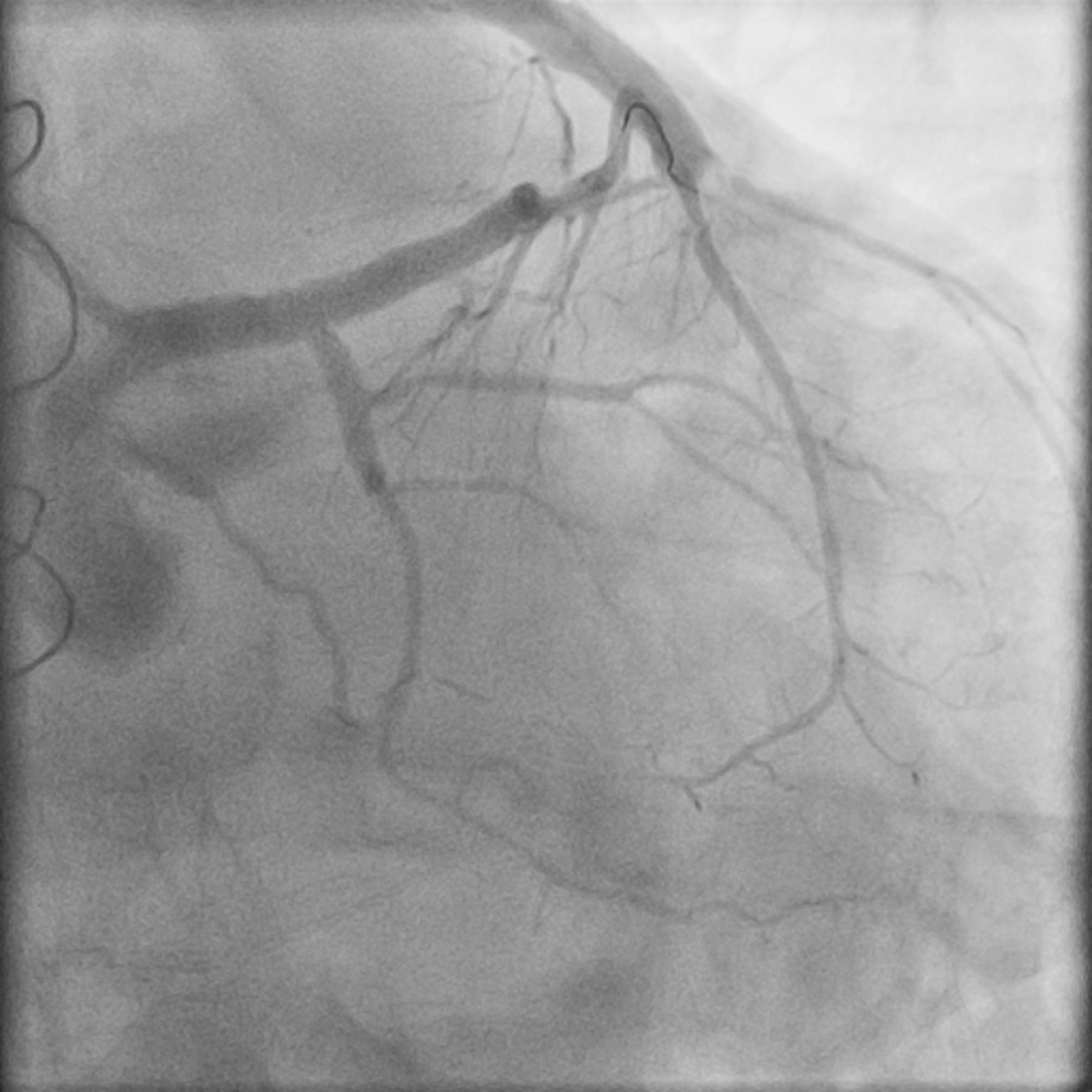 Figure 3
Peer Reviews
No public reviews on file for this paper yet. If you reviewed it on a platform where reviews are public (OpenReview, ICLR, NeurIPS, ICML), you can paste yours below so the community can read it here.
Videos
No videos yet. Explain this paper in a talk, walkthrough, or lecture? Add one.
Taxonomy
TopicsCoronary Interventions and Diagnostics · Cardiac Imaging and Diagnostics · Coronary Artery Anomalies