Towards greener reduced graphene oxide: a critical review of environmentally driven reduction strategies
Md. Saiful Islam Monir, Abdur Rahman, Prianka Saha, Ismail Rahman, Md. Mahiuddin

TL;DR
This review explores eco-friendly methods to reduce graphene oxide, comparing their effectiveness and impact on material properties for sustainable technology applications.
Contribution
The paper introduces a comparative analysis of green reduction strategies for graphene oxide, linking them to material properties and application performance.
Findings
Plant extracts, microorganisms, and biomolecules show promise as non-toxic reducing agents for graphene oxide.
Green reduction methods affect the C/O ratio, electrical conductivity, and structural integrity of rGO.
Current research gaps include scalability and application-specific optimization of green-synthesized rGO.
Abstract
The synthesis of graphene-based materials has attracted immense interest due to their exceptional properties. However, graphene oxide (GO), a common precursor, contains oxygen-containing functional groups that disrupt its sp2 carbon network, thereby limiting its electrical conductivity and other key properties. The reduction of GO to reduced graphene oxide (rGO) is therefore a crucial step in restoring these properties. Traditional reduction methods often use toxic, hazardous chemical reagents, such as hydrazine, which pose significant environmental and health risks. Consequently, there is a pressing need for environmentally benign, sustainable, and cost-effective reduction strategies. This review provides a critical examination of green reduction methods for GO, focusing on plant extracts, microorganisms, and isolated biomolecules as sustainable reducing agents. It moves beyond a…
Genes, proteins, chemicals, diseases, species, mutations and cell lines named across the full text — each resolved to its canonical identifier and authoritative record.
Click any figure to enlarge with its caption.
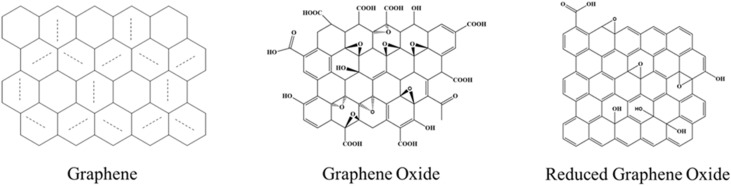 Figure 1
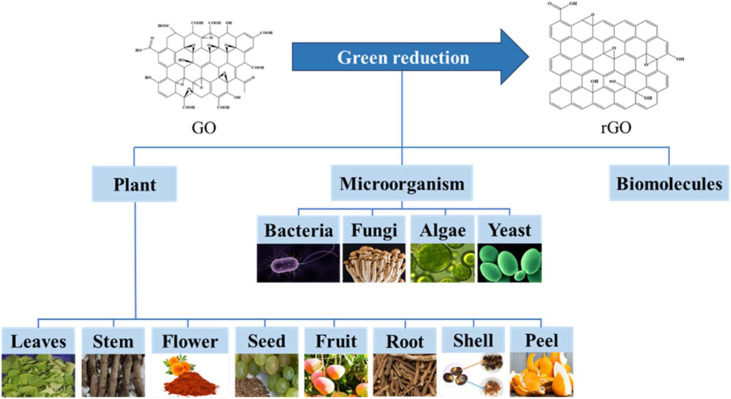 Figure 2
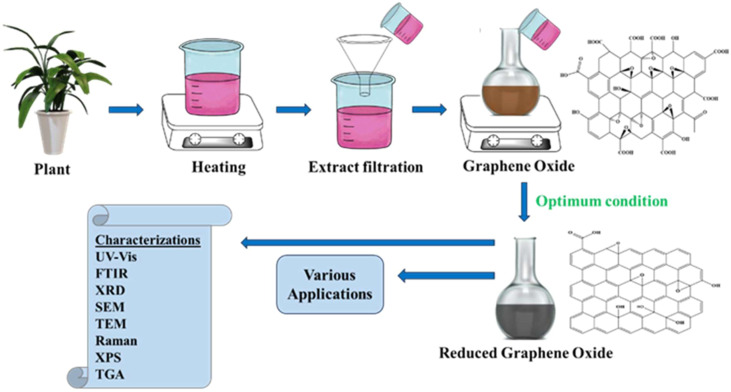 Figure 3
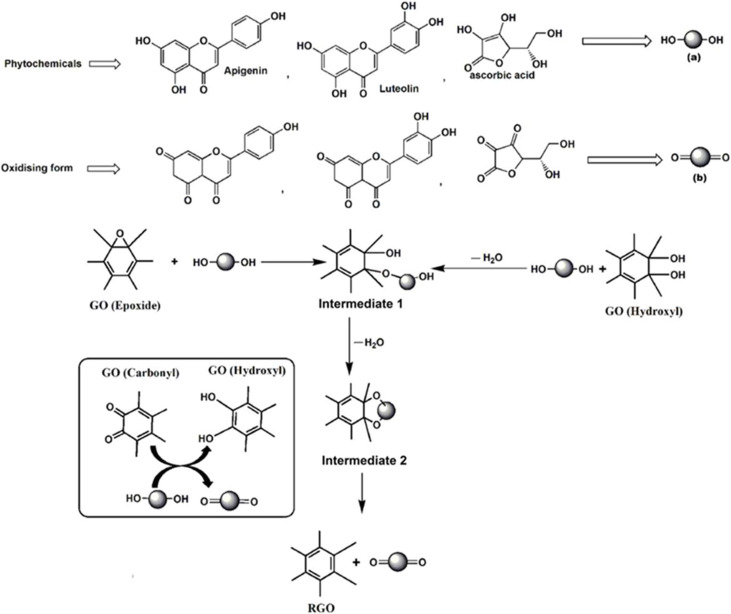 Figure 4
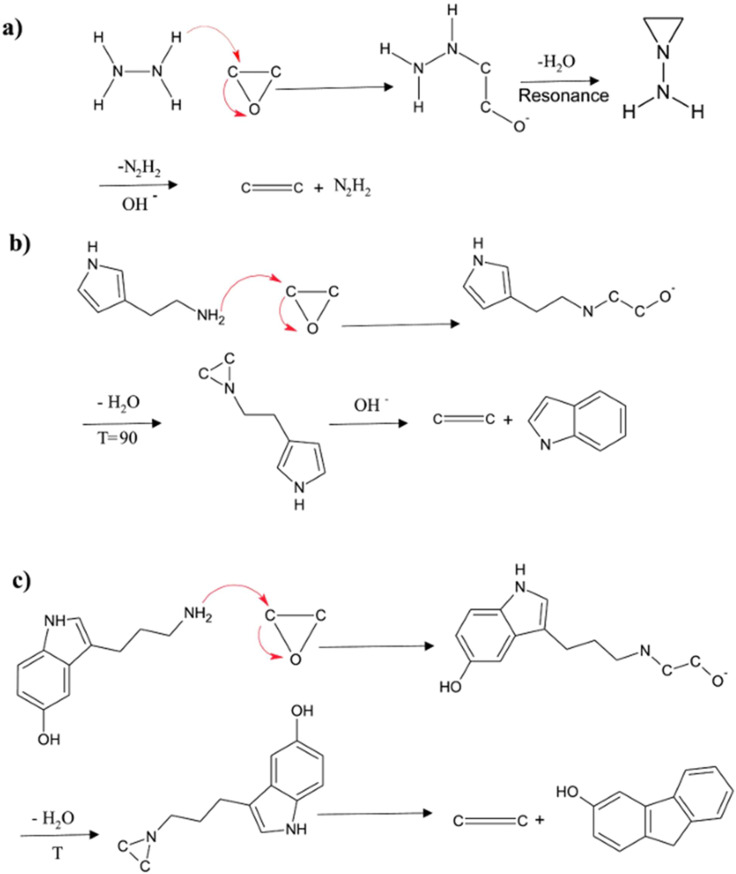 Figure 5
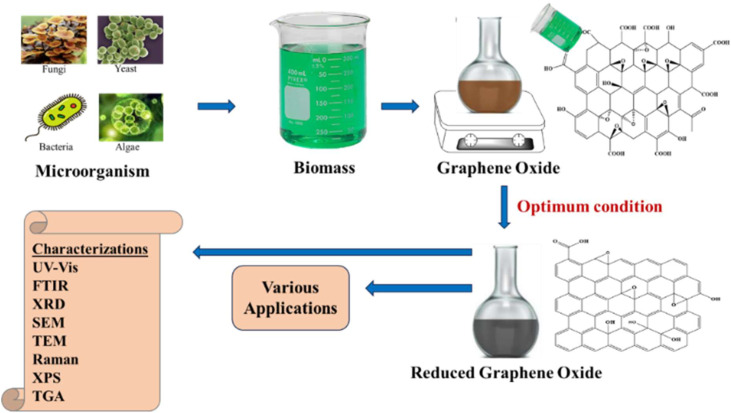 Figure 6
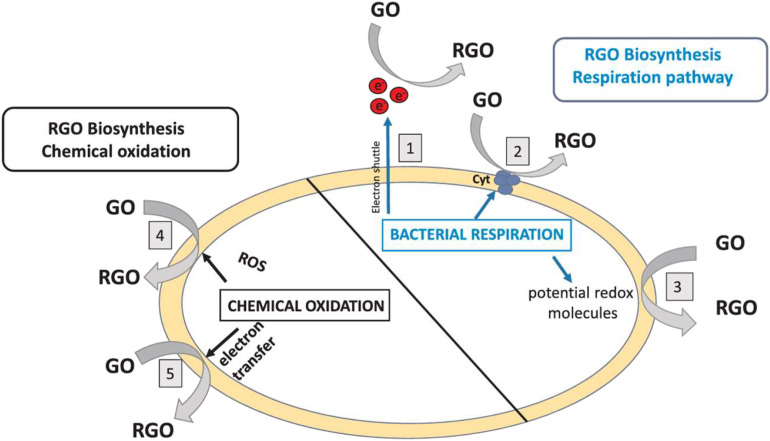 Figure 7
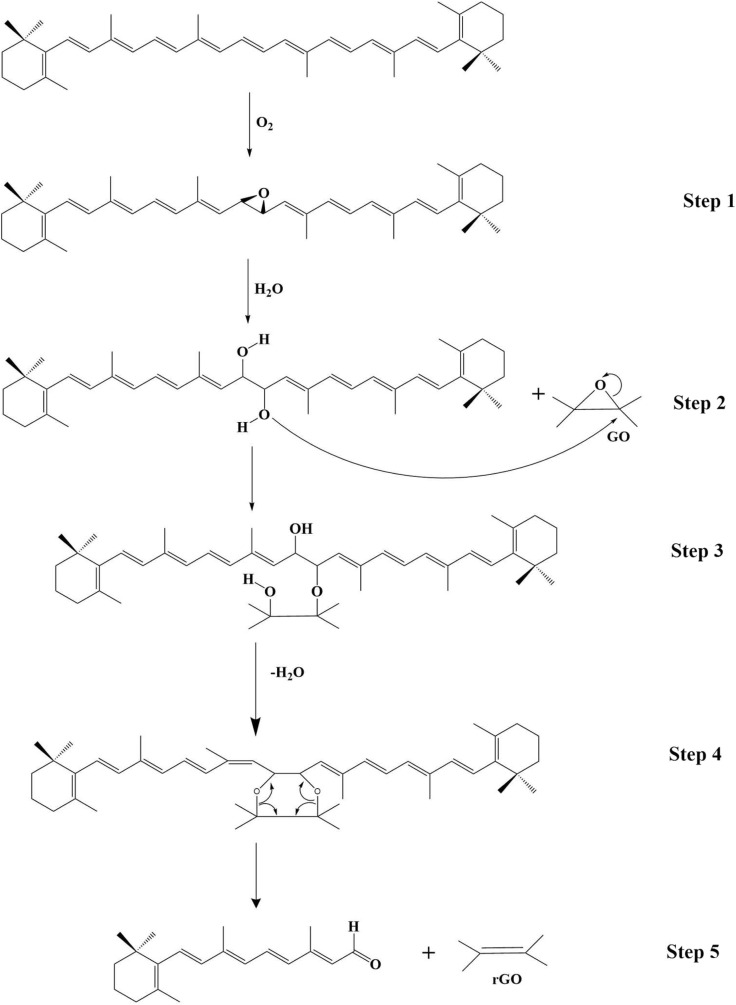 Figure 8
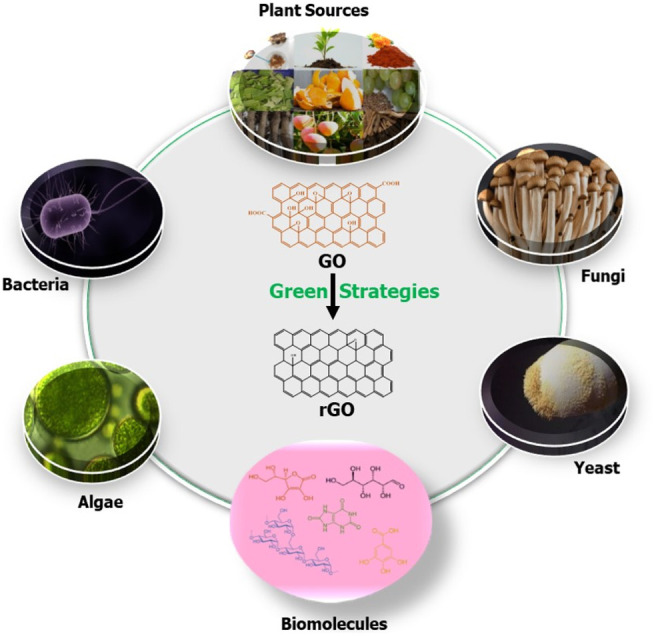 Figure 9
Peer Reviews
No public reviews on file for this paper yet. If you reviewed it on a platform where reviews are public (OpenReview, ICLR, NeurIPS, ICML), you can paste yours below so the community can read it here.
Videos
No videos yet. Explain this paper in a talk, walkthrough, or lecture? Add one.
Taxonomy
TopicsGraphene research and applications · Nanomaterials for catalytic reactions · Graphene and Nanomaterials Applications