Graphene Oxide Composites with Ultrahigh-Molecular-Weight Polyethylene for Innovative Prostheses for Arthroplasty
Ahmed Subrati, Thyago Arruda Pacheco, Ítalo Azevedo Costa, Victor Carlos Mello, John Fredy Ricardo Marroquin, Mikołaj Kościński, Ludmila Alvim Gomes Pinho, Ariane Pandolfo Silveira, Jorlandio F. Felix, Marcilio Cunha-Filho, Marcio José Poças-Fonseca, Ricardo Bentes de Azevedo

TL;DR
This paper introduces a new composite material combining graphene oxide with polyethylene for better and safer prostheses in joint replacement surgeries.
Contribution
A novel UHMWPE-GO composite is developed using non-toxic methods, offering enhanced mechanical and biological properties for prostheses.
Findings
UHMWPE-GO composites show improved mechanical properties and thermal stability.
The material exhibits better biocompatibility and cell adhesion in human fibroblasts.
The composite is more resistant to wear and has antimicrobial properties.
Abstract
Although ultrahigh-molecular-weight polyethylene (UHMWPE) is commonly used for prosthetic devices in arthroplasty, it is also prone to abrasion and wear. This wear can ultimately result in the release of particles that may trigger aseptic necrosis and activate the immune system. Graphene oxide (GO) incorporated into UHMWPE has been proven to be an effective strategy for improving the mechanical and biological properties of this commercial material. We aimed to incorporate graphene oxide into UHMWPE using an innovative method without toxic solvents and characterize this UHMWPE-GO prosthetic material in terms of its physicochemical and antimicrobial properties. The results showed that the UHMWPE-GO prosthesis, compared to traditional UHMWPE prostheses, exhibited improved mechanical properties, thermal stability, biocompatibility, and increased adhesion in human fibroblasts in culture…
Genes, proteins, chemicals, diseases, species, mutations and cell lines named across the full text — each resolved to its canonical identifier and authoritative record.
Click any figure to enlarge with its caption.
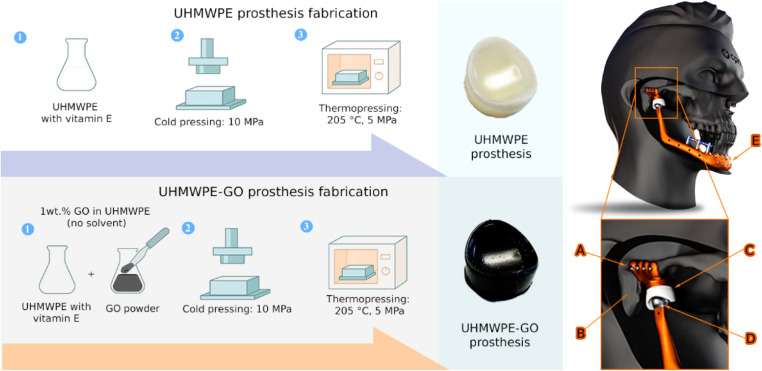 Figure 1
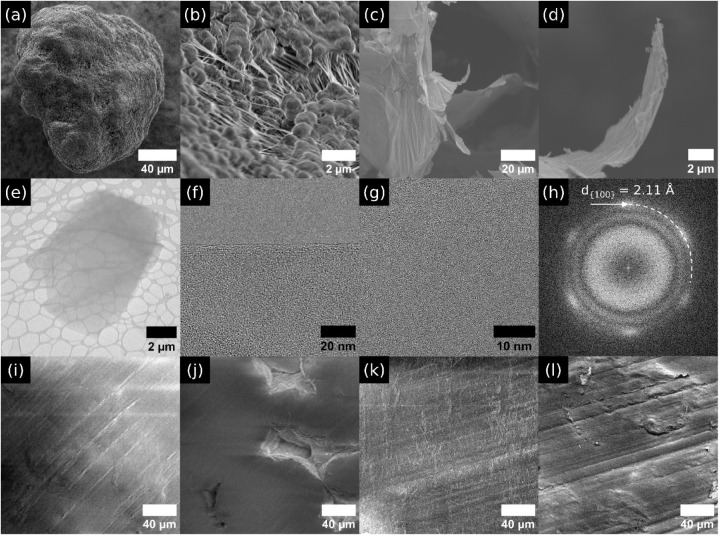 Figure 2
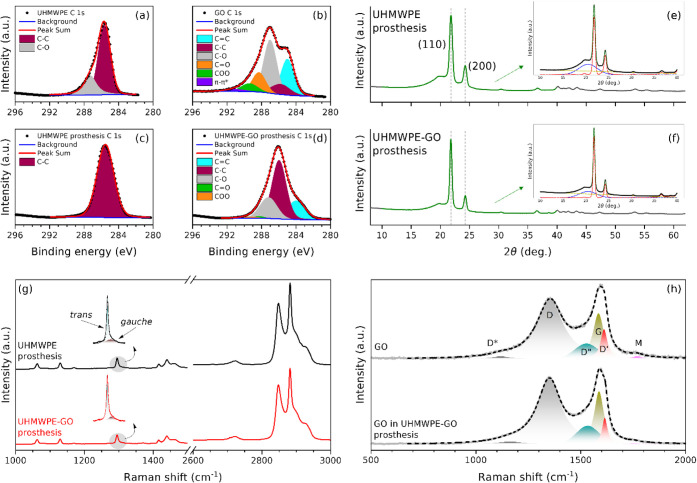 Figure 3
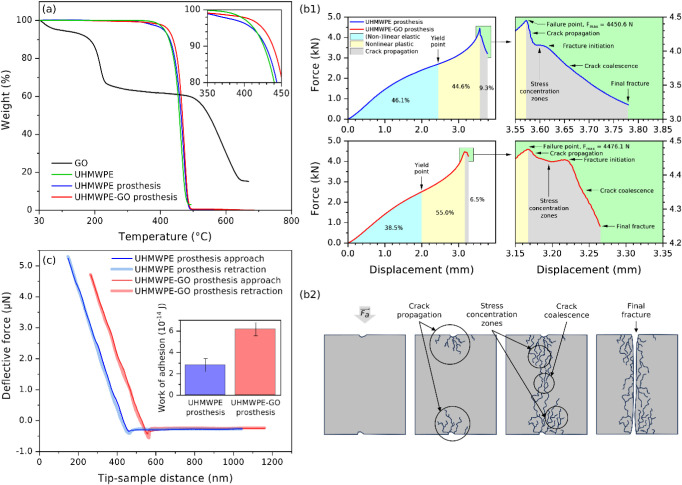 Figure 4
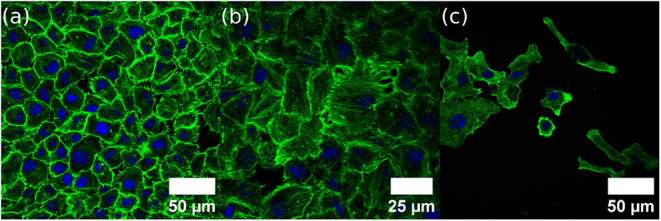 Figure 5
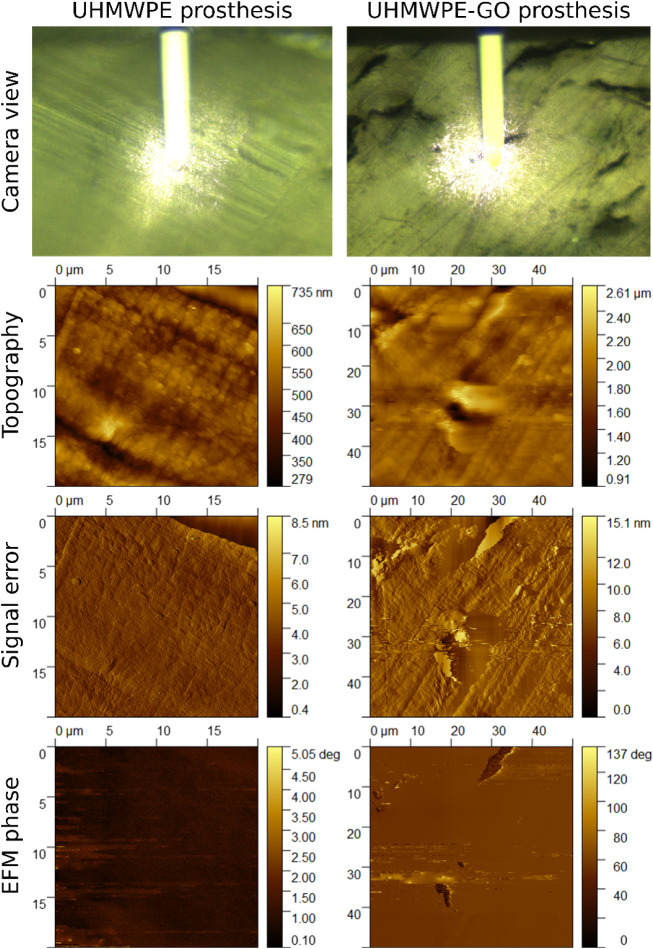 Figure 6
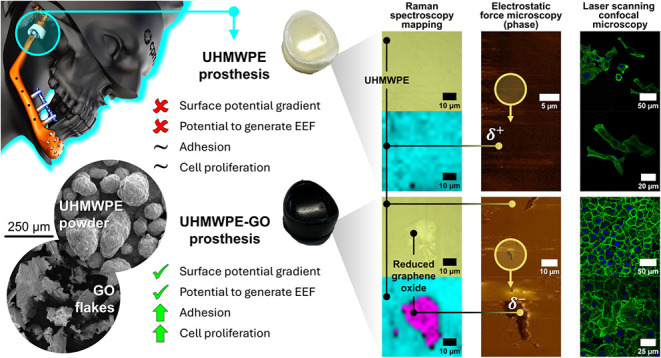 Figure 7
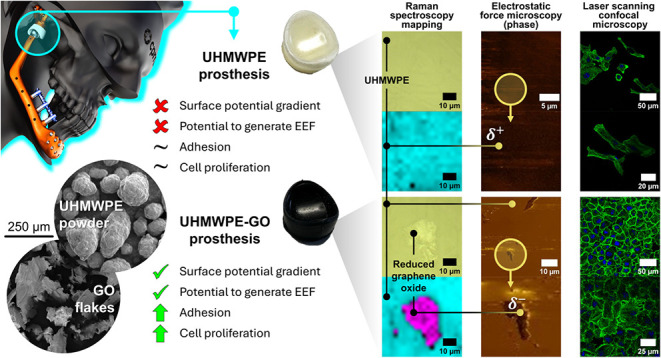 Figure 8
 Figure 9
 Figure 10
 Figure 11
Peer Reviews
No public reviews on file for this paper yet. If you reviewed it on a platform where reviews are public (OpenReview, ICLR, NeurIPS, ICML), you can paste yours below so the community can read it here.
Videos
No videos yet. Explain this paper in a talk, walkthrough, or lecture? Add one.
Taxonomy
TopicsGraphene and Nanomaterials Applications · Orthopaedic implants and arthroplasty · Graphene research and applications