Low Inducer Concentrations at 10°C Promotes Soluble Recombinant Expression of Aedes aegypti Mosquito Midgut Proteases in E. coli
Daniel Fong, Neomi Millan, My Anh Le, Elizabeth Moreno-Galvez, Kevin Derisier, Abigail G. Ramirez, Kaelyn Pluta, Kimberly Houghton, Alberto A. Rascón

TL;DR
Researchers found that using low IPTG concentrations and cold temperatures helps produce functional mosquito gut enzymes in bacteria.
Contribution
The study introduces a novel method using low IPTG and 10°C to improve soluble expression of Aedes aegypti midgut proteases in E. coli.
Findings
Low IPTG at 10°C slows translation, allowing proper folding of mosquito proteases.
Soluble expression levels varied with protease type and optimal growth time.
Betaine had a stronger effect at higher IPTG concentrations.
Abstract
Soluble recombinant expression of Aedes aegypti mosquito midgut proteases in Escherichia coli prove to be difficult. These enzymes depend on disulfide bond formation for structural stability. Initial attempts in BL21(DE3) were unsuccessful due to a reducing cytoplasm. The use of T7 SHuffle cells (with a more oxidizing cytoplasm) led to soluble expression. However, other factors had to be altered (use of richer media and lower (> 25°C) growth temperature). Not all mosquito proteases were equally soluble. Therefore, given the importance of IPTG in initiating transcription and translation, we set out to determine if low IPTG concentrations (3 0.1 mM) at 10°C would increase soluble production of midgut proteases. Additionally, we investigated the effect of the small molecule osmolyte betaine on the soluble expression of midgut proteases. For this study, the focus was on Aedes aegypti Late…
Genes, proteins, chemicals, diseases, species, mutations and cell lines named across the full text — each resolved to its canonical identifier and authoritative record.
Click any figure to enlarge with its caption.
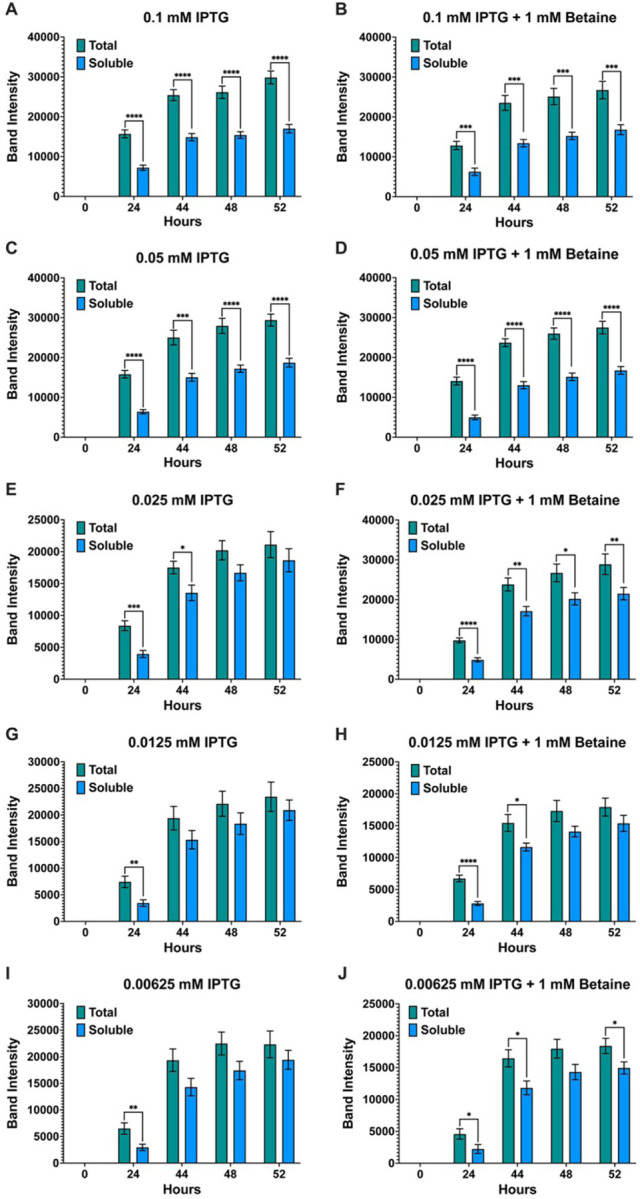 Figure 1
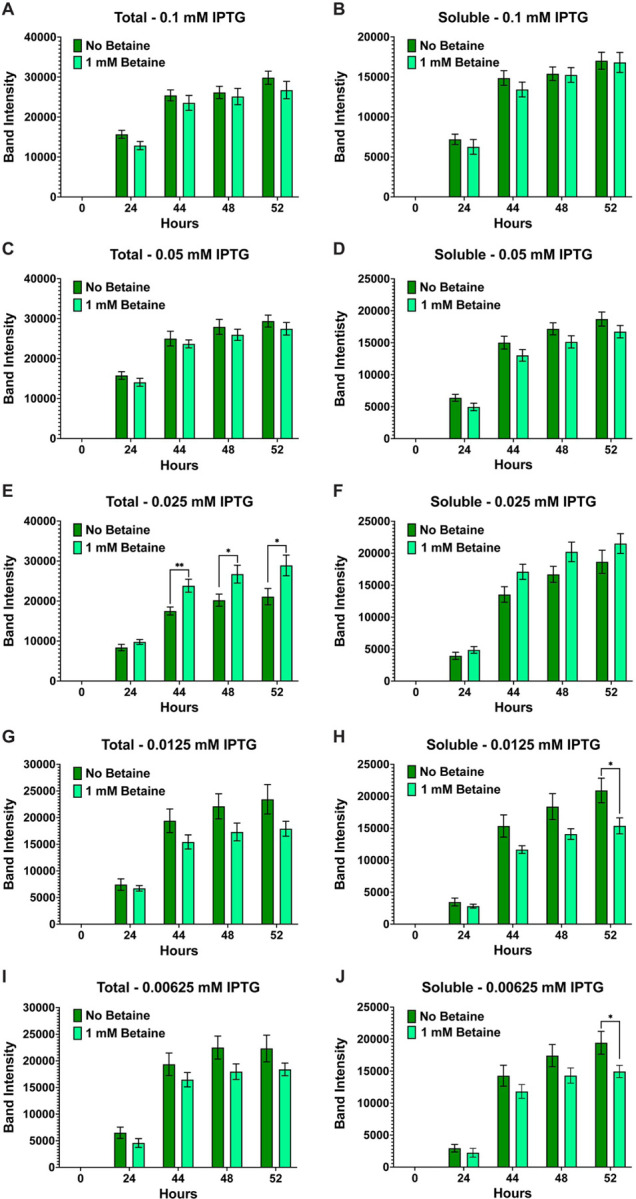 Figure 2
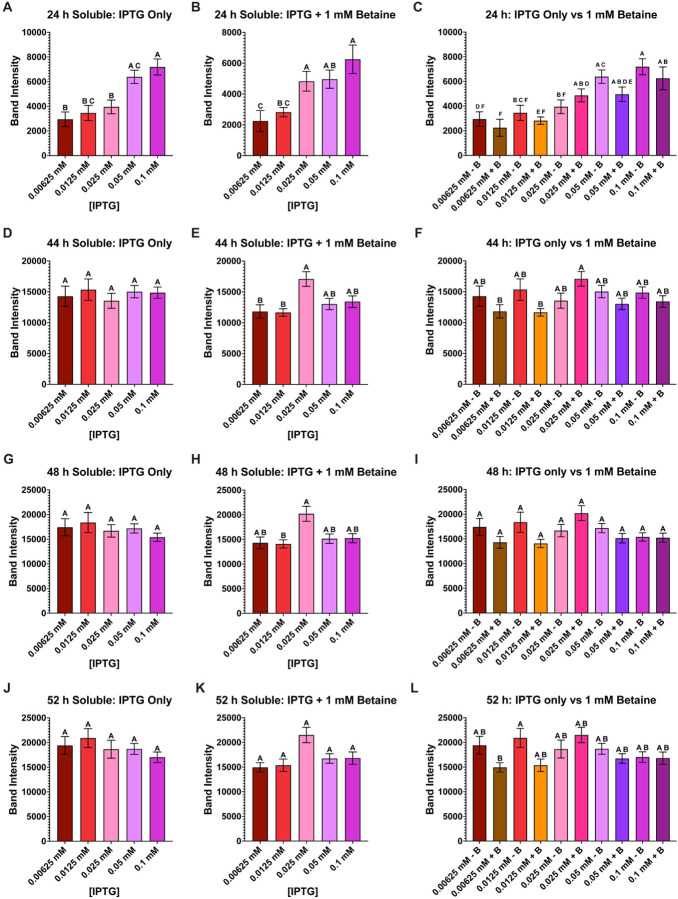 Figure 3
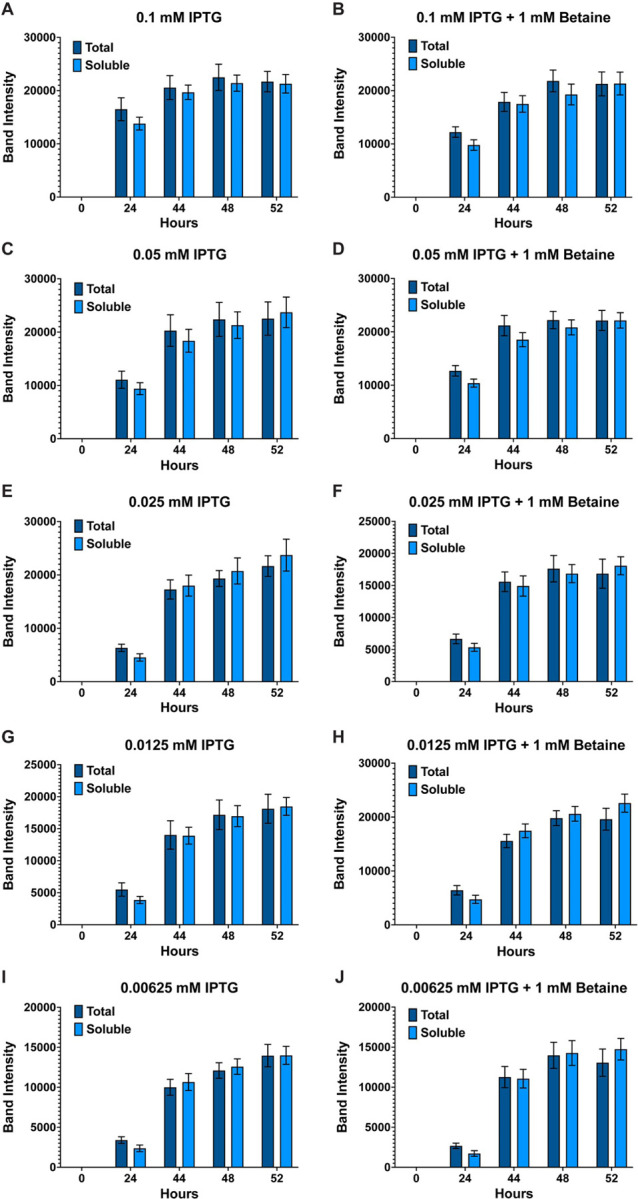 Figure 4
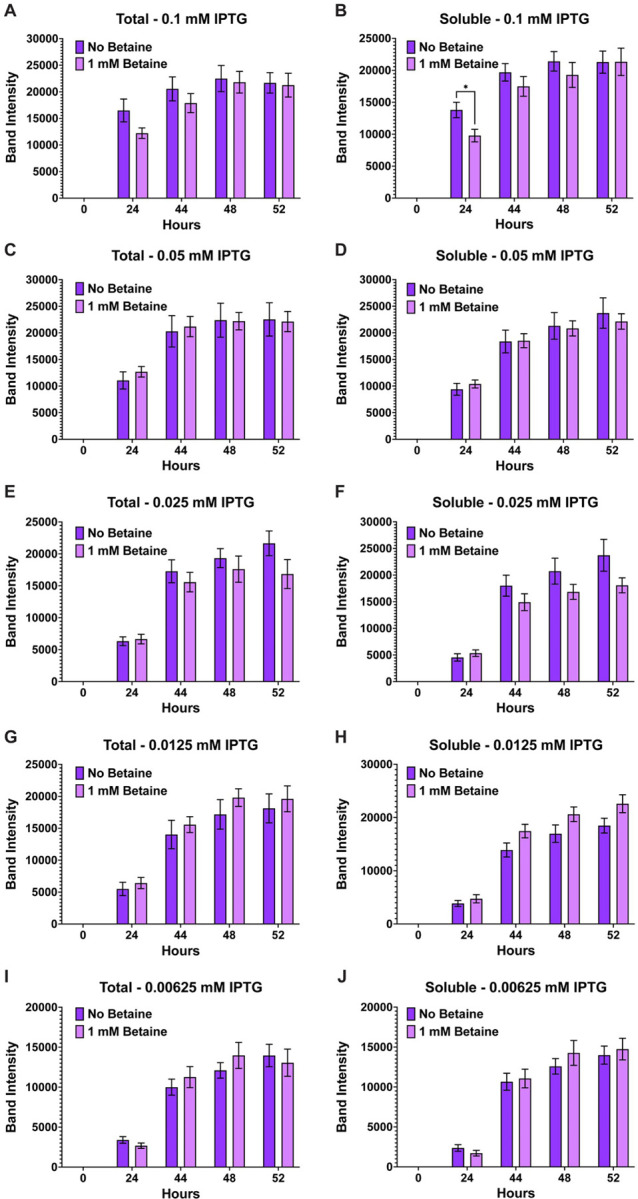 Figure 5
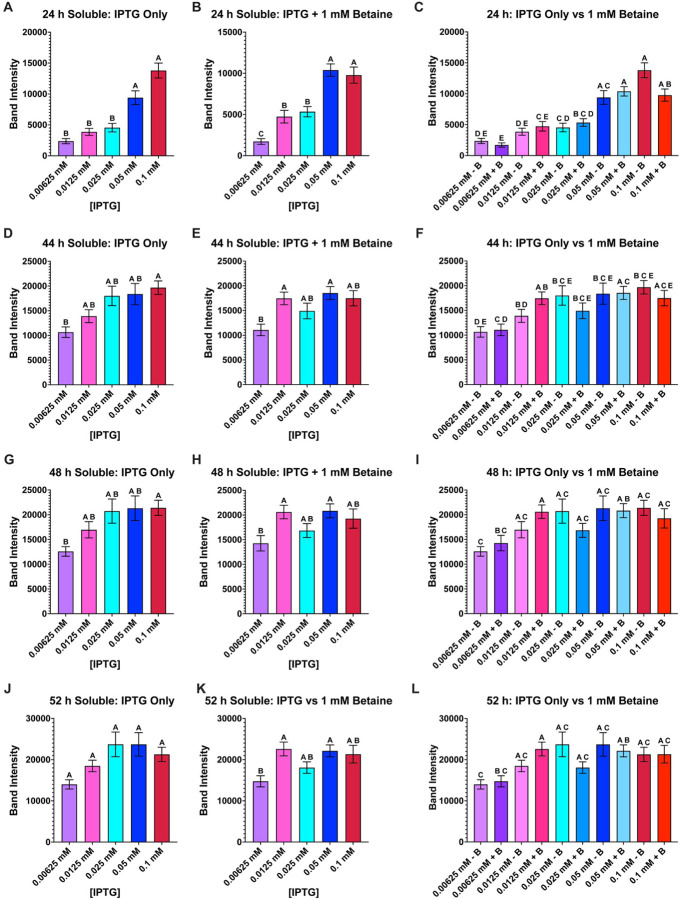 Figure 6
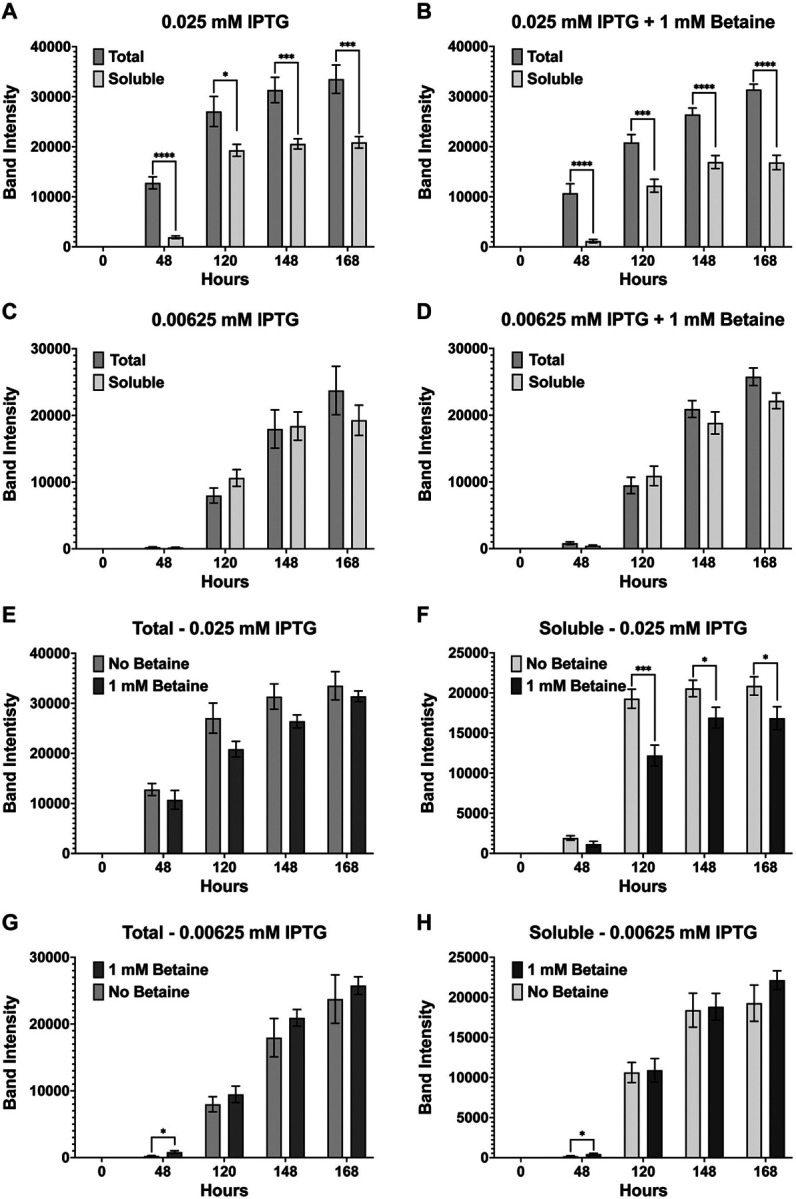 Figure 7
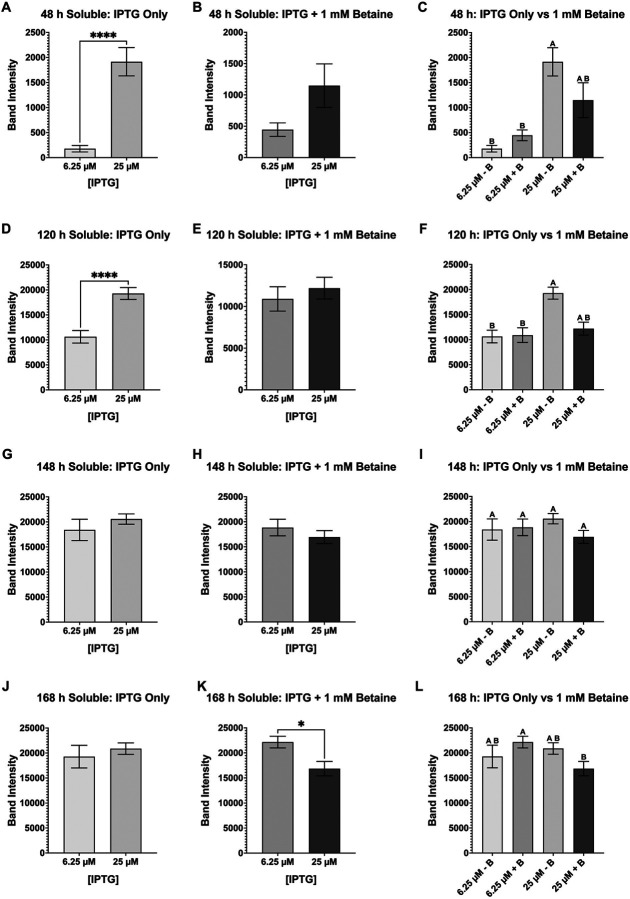 Figure 8
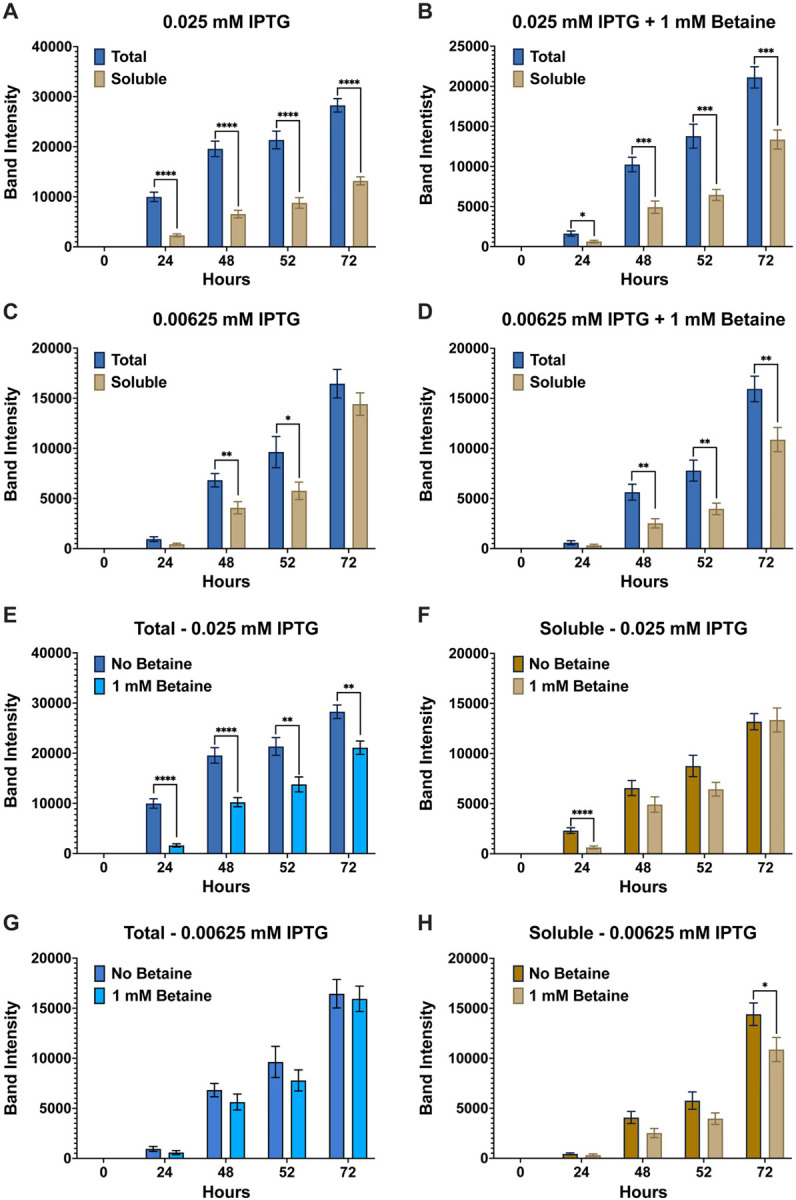 Figure 9
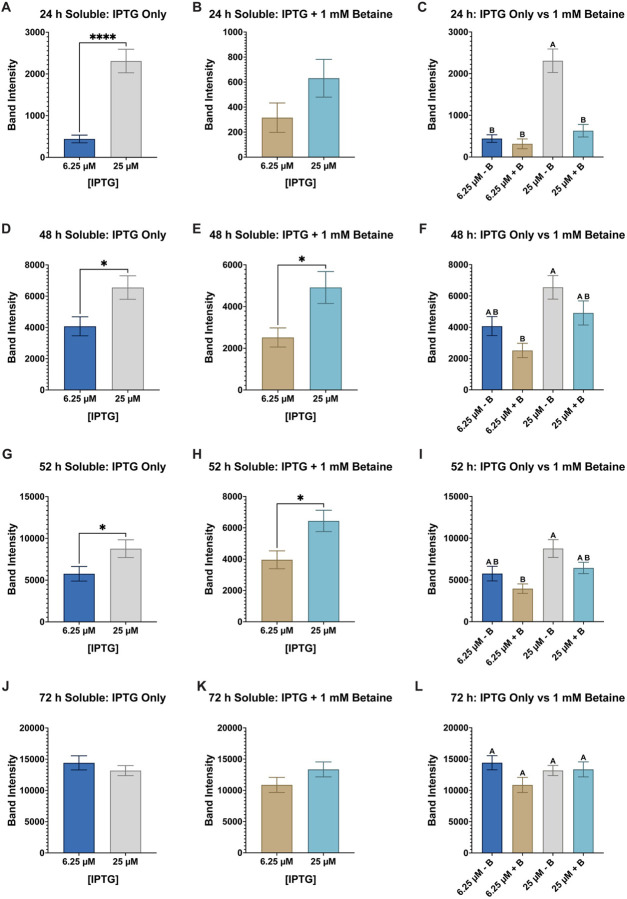 Figure 10
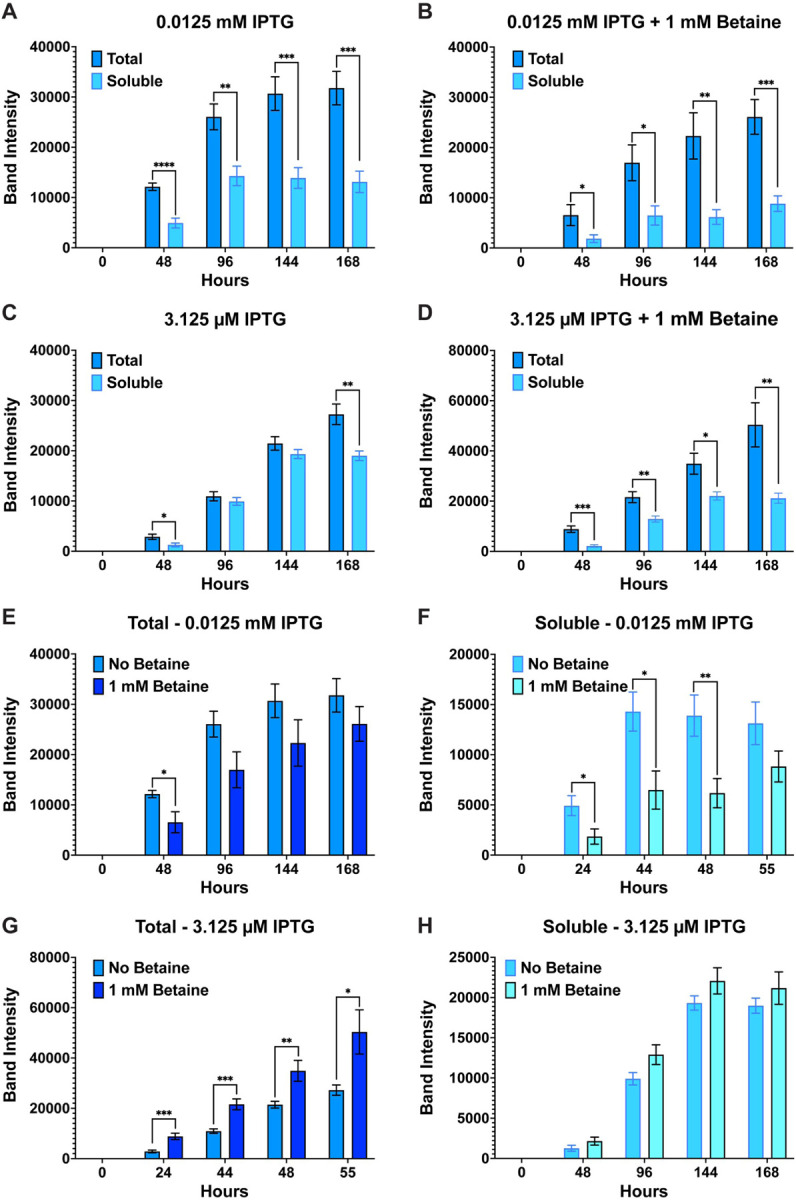 Figure 11
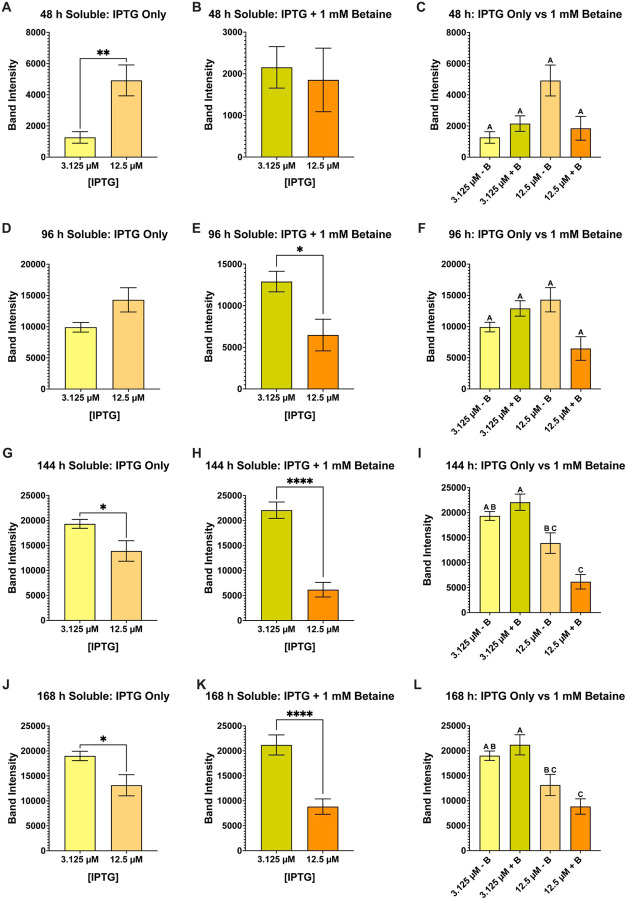 Figure 12
Peer Reviews
No public reviews on file for this paper yet. If you reviewed it on a platform where reviews are public (OpenReview, ICLR, NeurIPS, ICML), you can paste yours below so the community can read it here.
Videos
No videos yet. Explain this paper in a talk, walkthrough, or lecture? Add one.
Taxonomy
TopicsInvertebrate Immune Response Mechanisms · Insect symbiosis and bacterial influences · Studies on Chitinases and Chitosanases