Microvascular dysfunction and aberrant network activity drive reduced brain oxygenation in a mouse tauopathy model
Sung Ji Ahn, Antoine Anfray, Yun Losson, Mirna El Khatib, Liping Qian, Belem Yoval-Sánchez, Gang Wang, Ping Zhou, Alexander Galkin, Laibaik Park, Sergei Vinogradov, Josef Anrather, Costantino Iadecola

TL;DR
This study shows that tau accumulation in mice causes brain oxygen levels to drop due to disrupted blood flow and excessive neural activity.
Contribution
The study reveals reduced brain oxygenation as an early, previously unrecognized consequence of tau accumulation.
Findings
Tau causes impaired segmental vasodilation and delayed blood-flow increases in mice.
Neuronal hyperactivity and poor oxygen delivery lead to episodic hypoxia and metabolic issues.
These findings suggest therapies to restore cerebral oxygenation could be beneficial.
Abstract
Tauopathies such as Alzheimer’s disease and frontotemporal dementia are leading causes of cognitive impairment, characterized by accumulation of hyperphosphorylated tau, a microtubule-associated protein, in brain. In addition to driving neural network hyperactivity and neuronal damage, tau disrupts neurovascular function, which may further contribute to disease pathogenesis. Using a mouse tauopathy model, we demonstrate that tau causes a profound breakdown of the normally well-coordinated segmental vasodilation induced by neural activity, resulting in dampened and delayed blood-flow increases, heterogeneous capillary perfusion, and frequent capillary stalling. These neurovascular alterations arise in the context of pronounced network hyperactivity and hypersynchrony, which combined with impaired neurovascular coupling, lead to reduced oxygen availability, episodic hypoxia, and disturbed…
Genes, proteins, chemicals, diseases, species, mutations and cell lines named across the full text — each resolved to its canonical identifier and authoritative record.
Click any figure to enlarge with its caption.
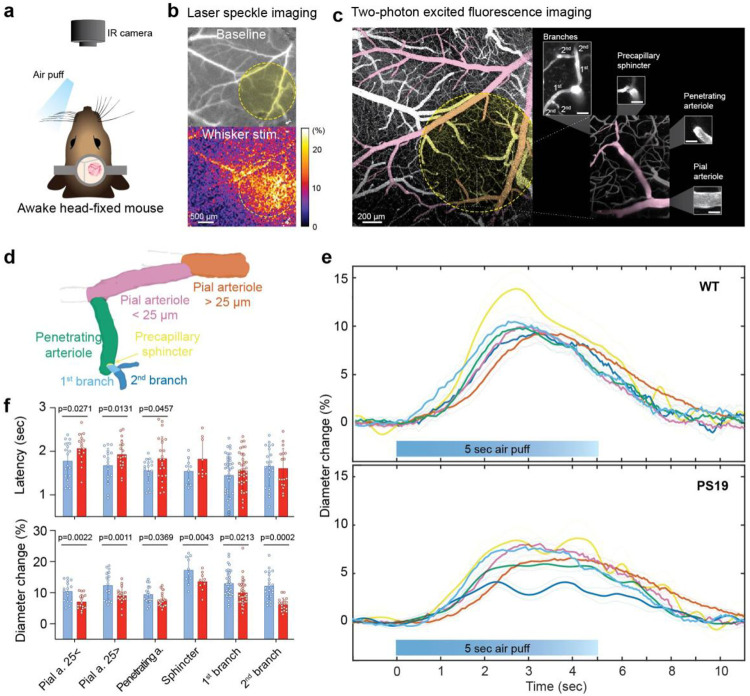 Figure 1
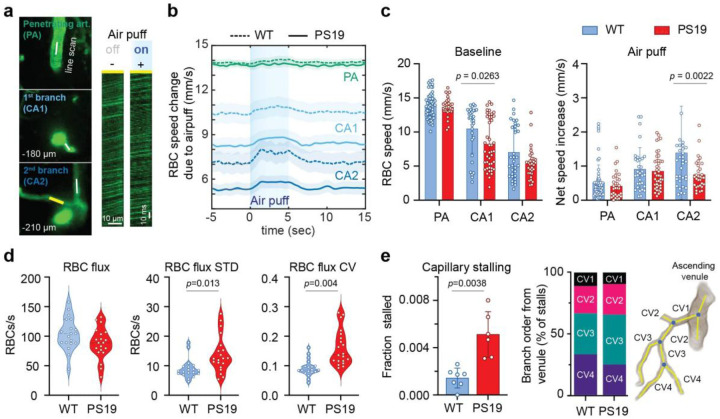 Figure 2
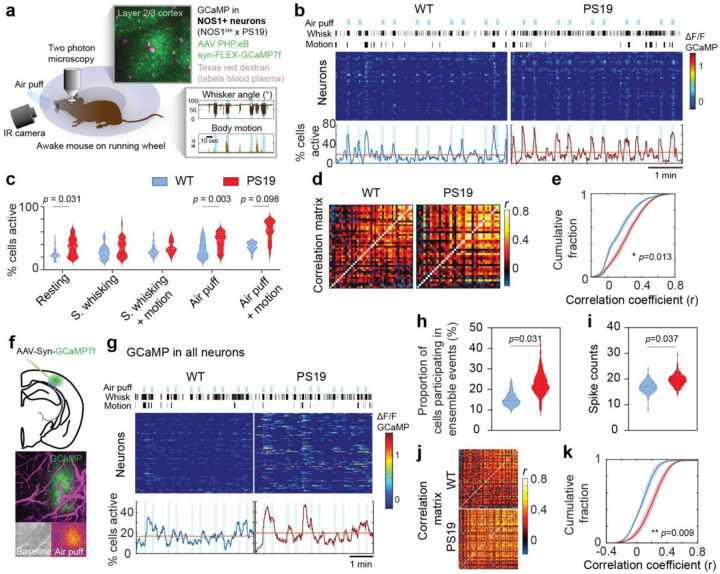 Figure 3
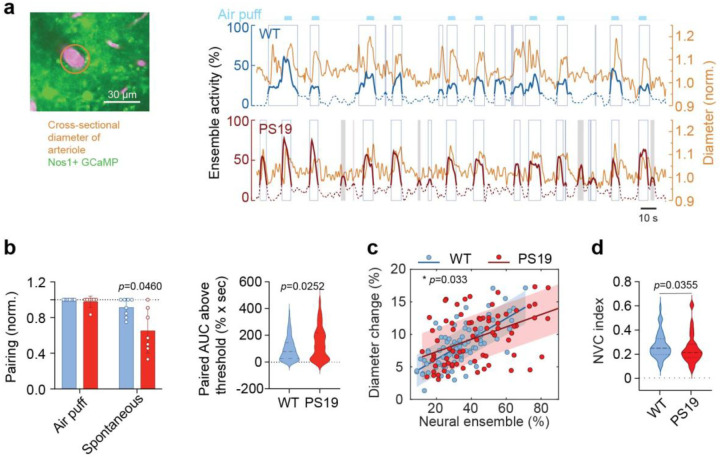 Figure 4
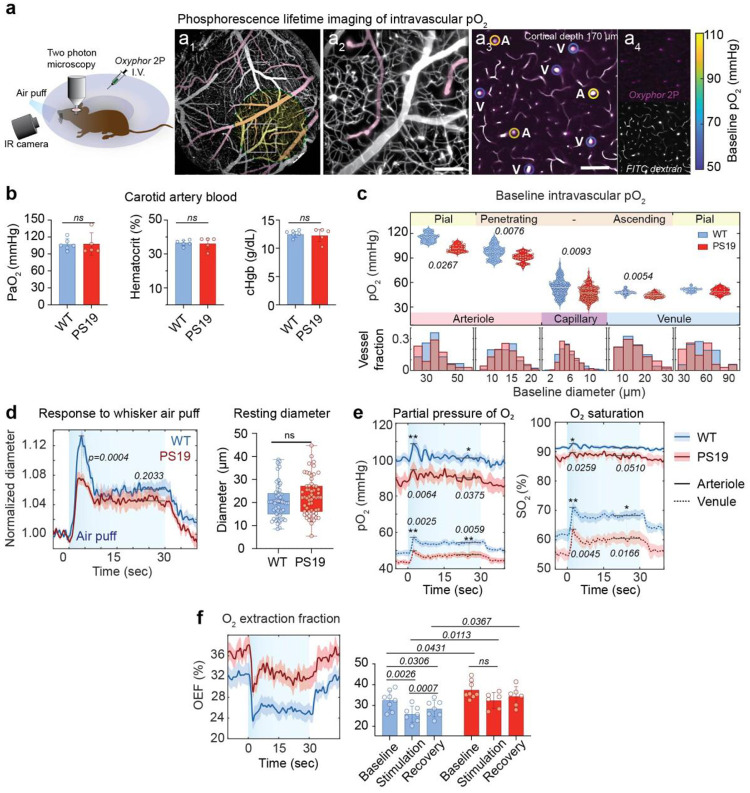 Figure 5
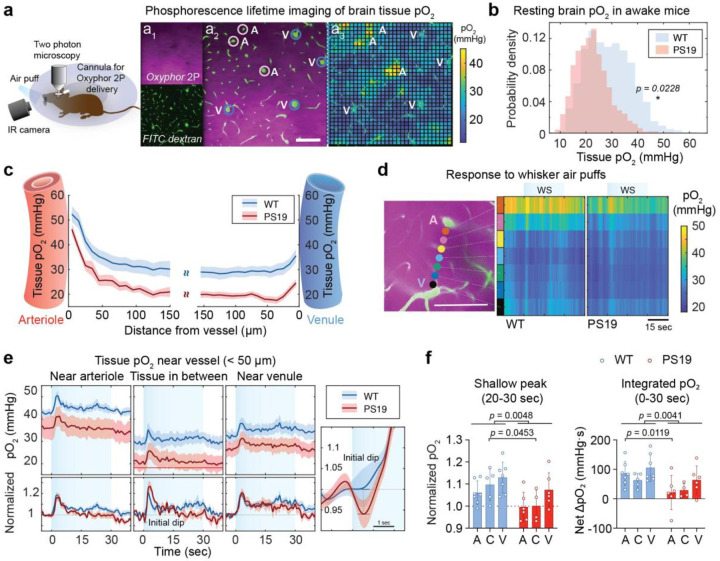 Figure 6
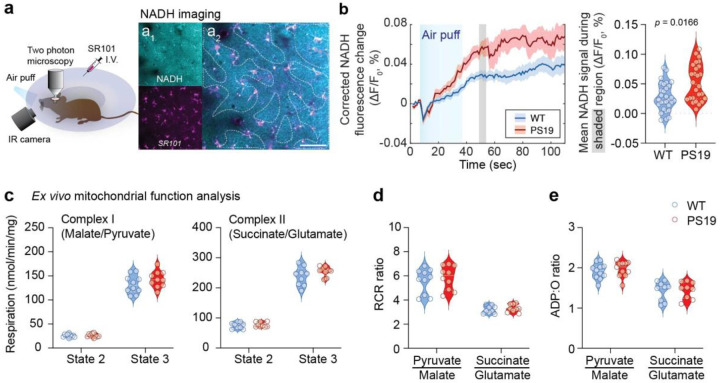 Figure 7
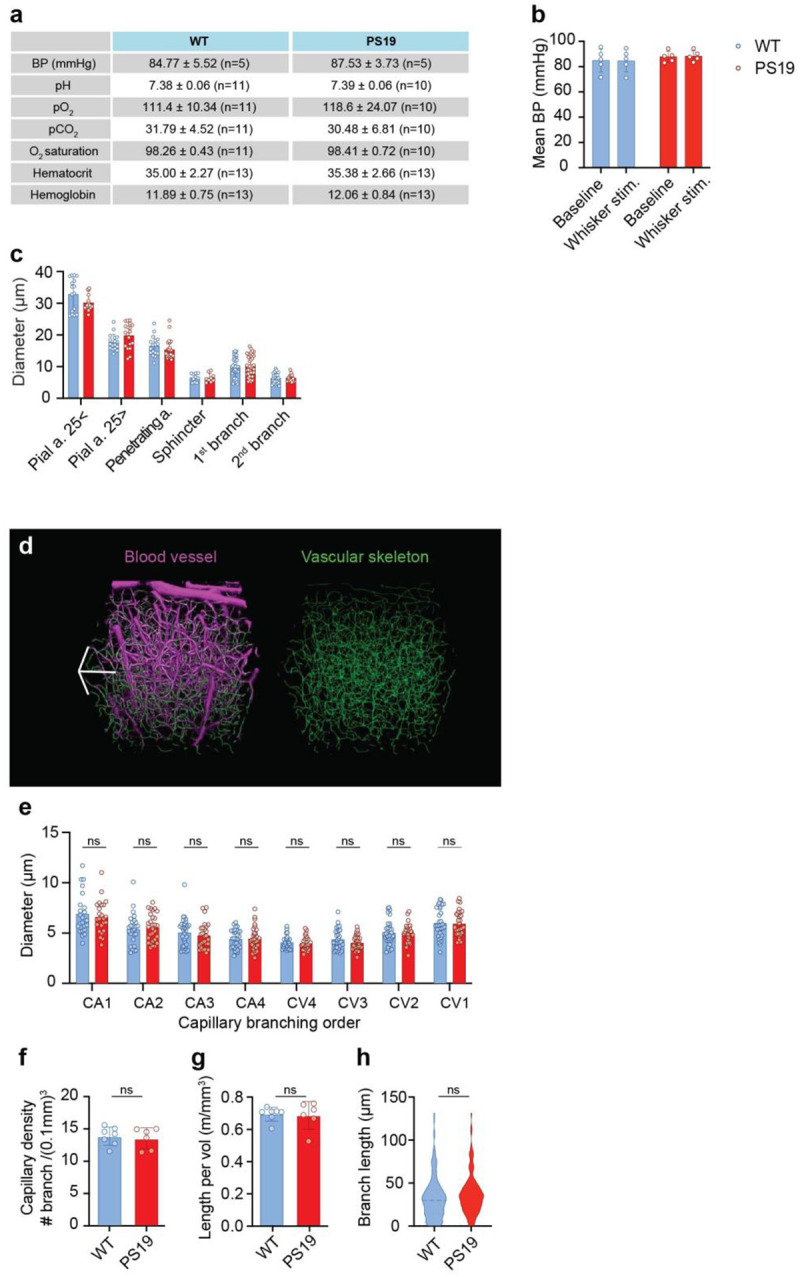 Figure 8
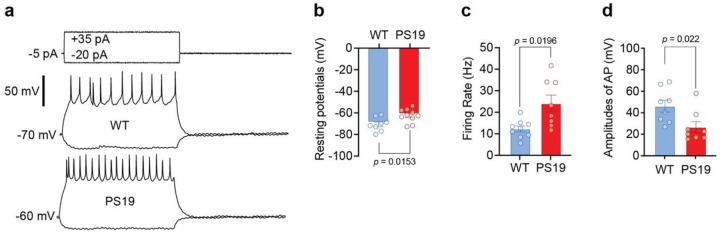 Figure 9
 Figure 10
Peer Reviews
No public reviews on file for this paper yet. If you reviewed it on a platform where reviews are public (OpenReview, ICLR, NeurIPS, ICML), you can paste yours below so the community can read it here.
Videos
No videos yet. Explain this paper in a talk, walkthrough, or lecture? Add one.
Taxonomy
TopicsBarrier Structure and Function Studies · Neurological Disease Mechanisms and Treatments · Alzheimer's disease research and treatments