Multicenter retrospective study on effectiveness, reported side effects, and cognitive outcomes of SSRIs in 22q11.2 deletion syndrome
Caren Latrèche, Valentina Mancini, Marija Dvojakovska, Leila Kushan, Fatouma Mchangama, Feryal Tair, Tal Cohen, Jeltje Spapens, Lieke Reijn, Covadonga M. Díaz-Caneja, Hayford Acheampong, Lotte Troch, Elfi Vergaelen, Annick Vogels, Ann Swillen, Claudia Vingerhoets, Erik Boot

TL;DR
A study finds SSRIs are safe and effective for treating mood and anxiety disorders in people with 22q11.2 deletion syndrome, and may help improve cognitive outcomes over time.
Contribution
This is the first multicenter study to evaluate SSRI safety, effectiveness, and cognitive impact in 22q11.2 deletion syndrome.
Findings
SSRIs were effective for mood and anxiety disorders in 71% of cases with minimal side effects.
SSRI-treated participants showed stable or modestly improved IQ trajectories compared to untreated individuals.
Combined SSRI and psychostimulant treatment was linked to the largest cognitive improvements.
Abstract
22q11.2 deletion syndrome (22q11DS) markedly increases risk of psychiatric disorders, including anxiety and mood disorders, and is associated with a spectrum of cognitive impairment, from borderline functioning to intellectual disability, with cognitive decline frequently reported. Despite widespread use of selective serotonin reuptake inhibitors (SSRIs) in 22q11DS, evidence regarding their safety, effectiveness, and potential effects on cognitive trajectories remains limited. We conducted a retrospective, observational multicenter study across nine international sites, including cross-sectional and longitudinal parts. In the cross-sectional part, 190 SSRI-treated participants with 22q11DS (6–56 years) were included to characterize indication, perceived effectiveness, and side effects. In the longitudinal part, intellectual quotient (IQ) trajectories were compared between 101…
Genes, proteins, chemicals, diseases, species, mutations and cell lines named across the full text — each resolved to its canonical identifier and authoritative record.
Click any figure to enlarge with its caption.
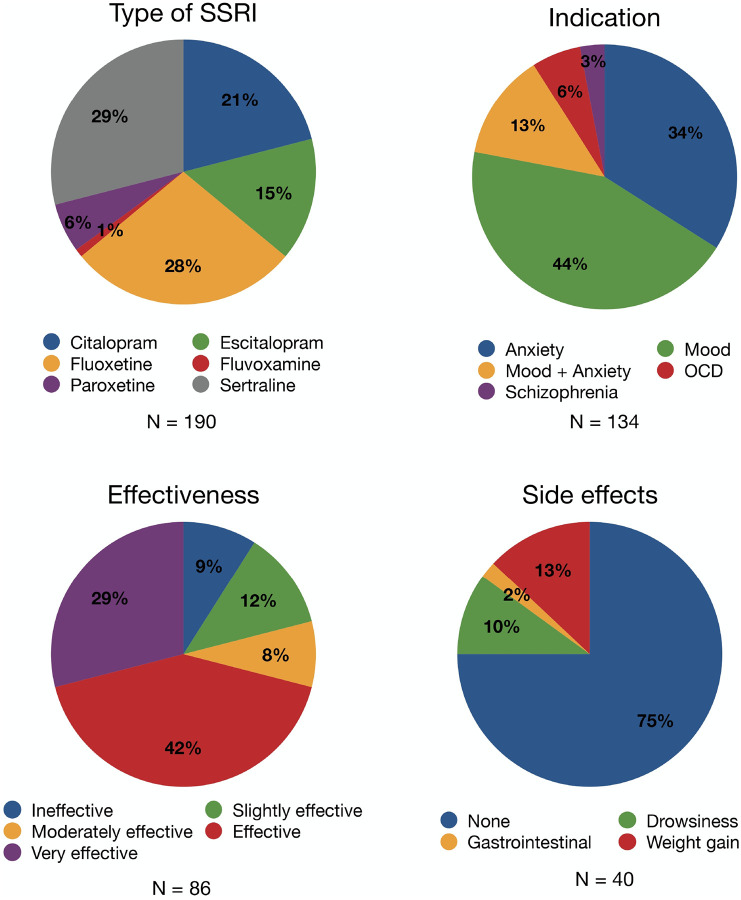 Figure 1
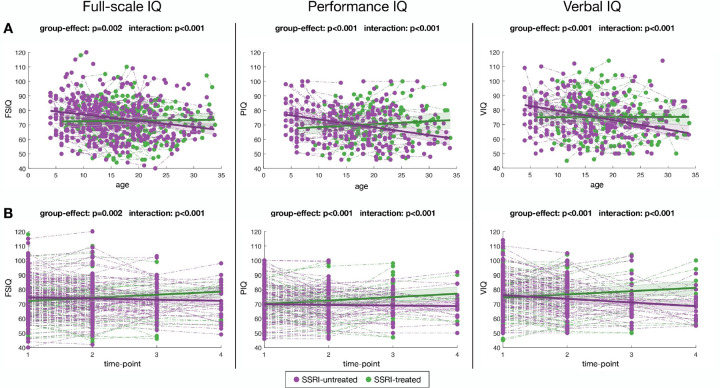 Figure 2
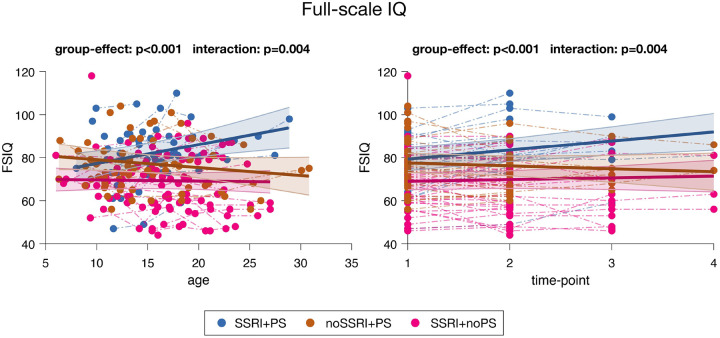 Figure 3
Peer Reviews
No public reviews on file for this paper yet. If you reviewed it on a platform where reviews are public (OpenReview, ICLR, NeurIPS, ICML), you can paste yours below so the community can read it here.
Videos
No videos yet. Explain this paper in a talk, walkthrough, or lecture? Add one.
Taxonomy
TopicsCongenital heart defects research · Williams Syndrome Research · Down syndrome and intellectual disability research