Targeting a specific subset of neutrophils to mitigate cardiac reperfusion injury
Abhalaxmi Singh, Andrew Stuart, Sreeparna Chakraborty, Asrar Malik, Kurt Bachmaier

TL;DR
This study identifies two types of neutrophils in heart tissue and shows that targeting one type can reduce heart damage after blood flow is restored.
Contribution
The paper introduces a novel approach to treating cardiac reperfusion injury by targeting a specific neutrophil subset.
Findings
Two distinct neutrophil subsets, ANPhigh and ANPlow, were identified in cardiac IR injury.
ANPhigh neutrophils produce more inflammatory mediators and contribute more to tissue damage.
Targeting Syk in ANPhigh neutrophils reduced inflammation, infarct size, and preserved heart function.
Abstract
Ischemia reperfusion (IR)-induced oxidative stress and inflammation contribute to morbidity and mortality of acute coronary syndrome. Ischemia results in profound hypoxia and tissue dysfunction and subsequent reperfusion further aggravates ischemic cardiac tissue damage. In cardiac IR injury, neutrophils are involved both in causing cardiomyocyte death and in preserving heart tissue homeostasis. We tested the hypothesis that neutrophil subpopulations show distinct functions in the pathogenesis of cardiac IR injury and that their functional heterogeneity can be exploited in subset-specific pharmacological intervention to prevent IR-induced myocardial tissue damage and functional deterioration. Cardiac IR-injury in a mouse model was characterized by the presence of two distinct heart-inflammatory subsets of neutrophils, one that specifically endocytosed albumin nanoparticles (ANPhigh) and…
Genes, proteins, chemicals, diseases, species, mutations and cell lines named across the full text — each resolved to its canonical identifier and authoritative record.
Click any figure to enlarge with its caption.
 Figure 1
 Figure 2
 Figure 3
 Figure 4
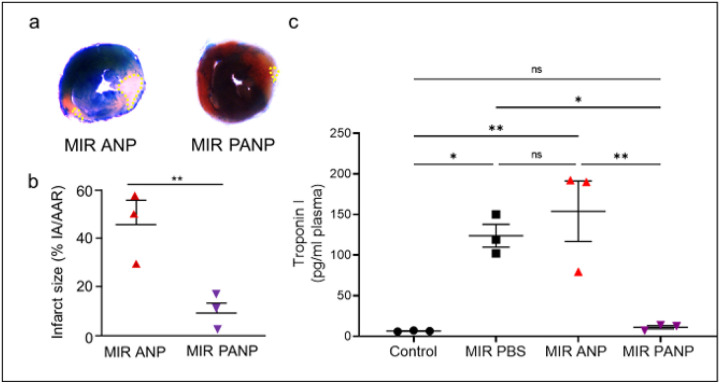 Figure 5
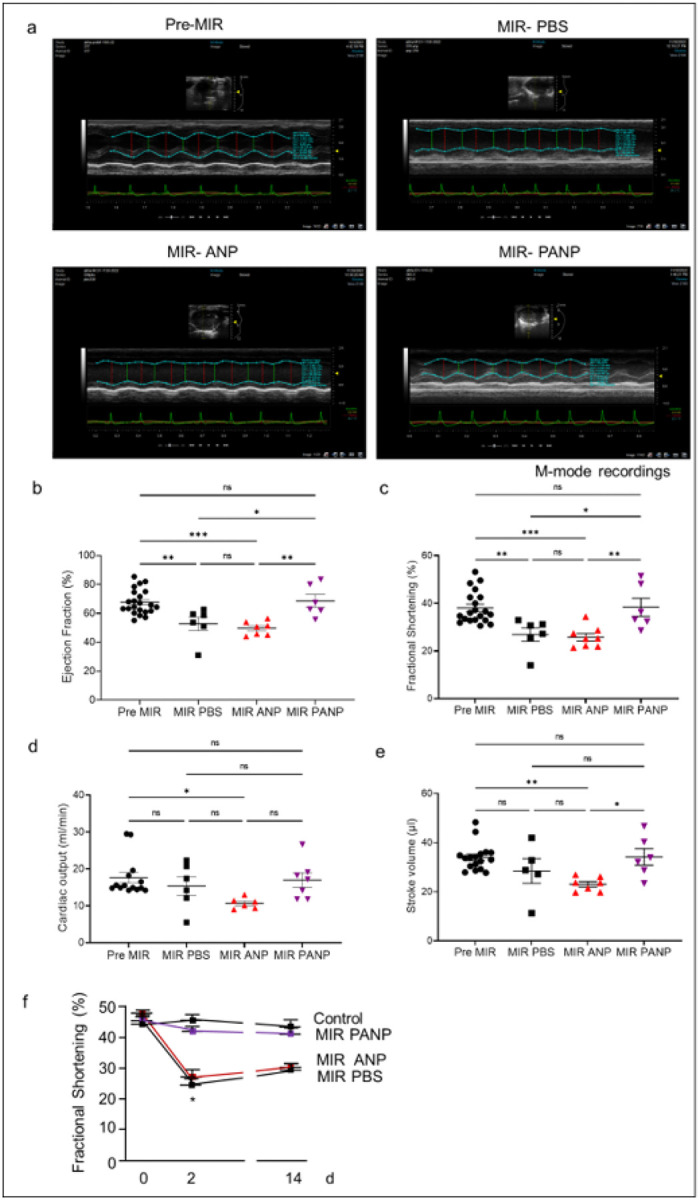 Figure 6
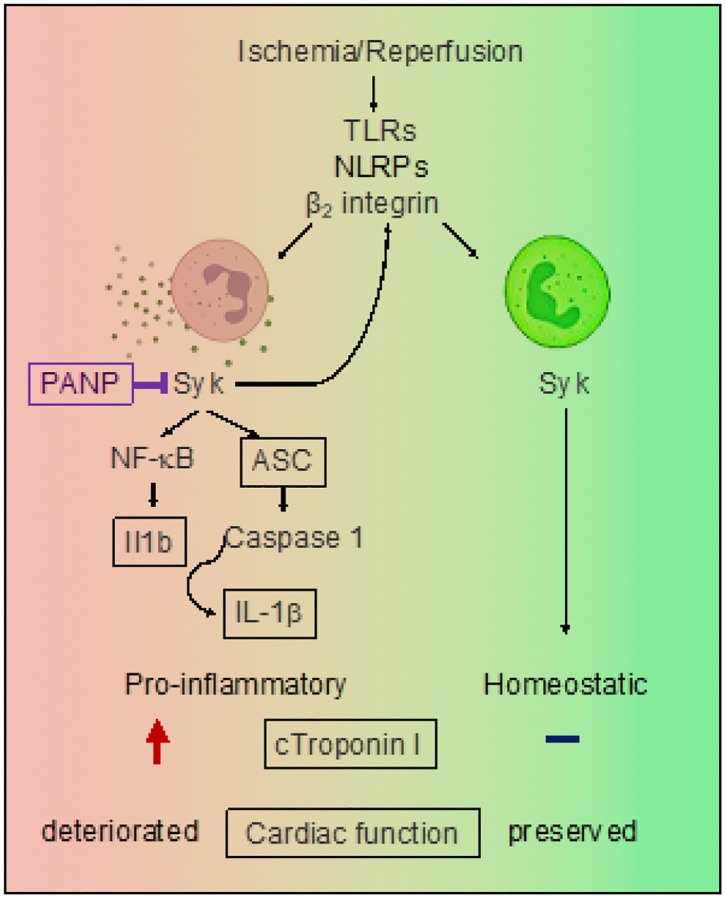 Figure 7
Peer Reviews
No public reviews on file for this paper yet. If you reviewed it on a platform where reviews are public (OpenReview, ICLR, NeurIPS, ICML), you can paste yours below so the community can read it here.
Videos
No videos yet. Explain this paper in a talk, walkthrough, or lecture? Add one.
Taxonomy
TopicsNeutrophil, Myeloperoxidase and Oxidative Mechanisms · Cardiac Fibrosis and Remodeling · Cell Adhesion Molecules Research