Tardigrades’ cytoplasmic abundant heat soluble proteins serve as membrane protectors during dehydration
Claire Zhang, Qi Zhang

TL;DR
Tardigrades use special proteins to protect their cell membranes during dehydration, helping them survive extreme conditions.
Contribution
The study reveals that CAHS proteins form membrane-protecting meshes during dehydration, a novel mechanism for cellular survival.
Findings
CAHS proteins dimerize via central helix motifs and form meshes on intracellular membranes.
Expression of RvCAHS3 in mammalian cells improved survival during dehydration by protecting membrane integrity.
CAHSs resemble lipid-interacting proteins like ApoE, suggesting a conserved protective mechanism.
Abstract
Tardigrades possess extraordinary tolerance to environmental stresses. Recent studies revealed that cytoplasmic and secreted abundant heat soluble proteins (CAHSs and SAHSs) contributed to such extremotolerance. We examined 39 CAHSs and 28 SAHSs from three representative tardigrade species and identified a conserved central region and highly variable terminal regions in both groups. Phylogenetic analysis suggested that the two groups had distinct sequences despite functional similarity. AlphaFold predicted that CAHSs’ central region formed a long and amphiphilic α-helix whereas SAHSs’ folds into β-barrel. As dehydration caused protein concentration increase, we simulated CAHS oligomerization and found that they preferably dimerized via their central helix motifs. Examination of CAHS dimers revealed a strong inter-helix interaction. The anti-parallel helical dimers resemble…
Genes, proteins, chemicals, diseases, species, mutations and cell lines named across the full text — each resolved to its canonical identifier and authoritative record.
Click any figure to enlarge with its caption.
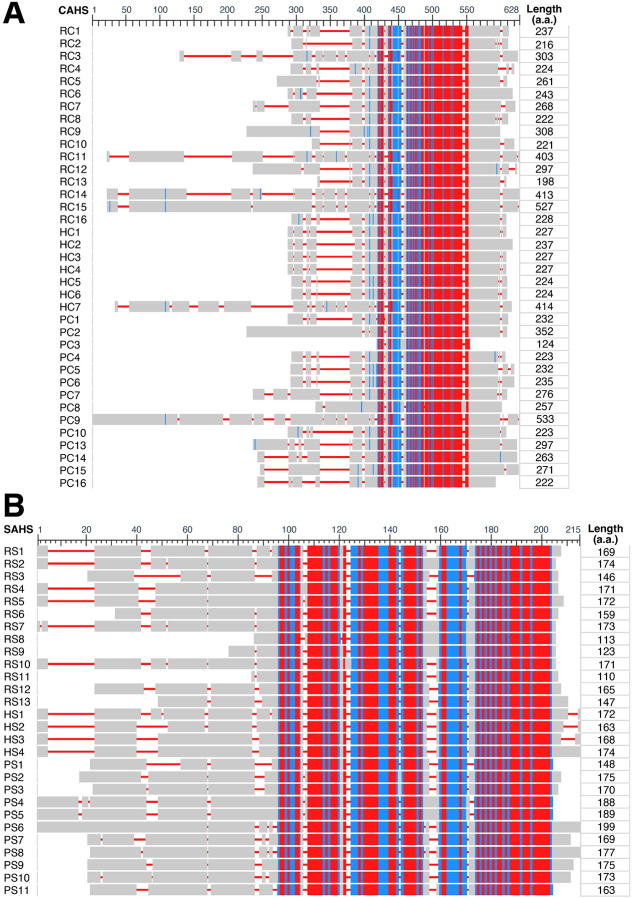 Figure 1
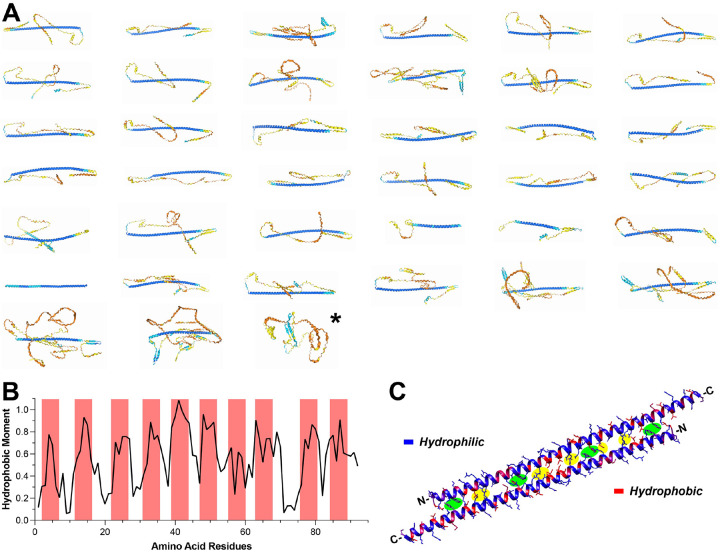 Figure 2
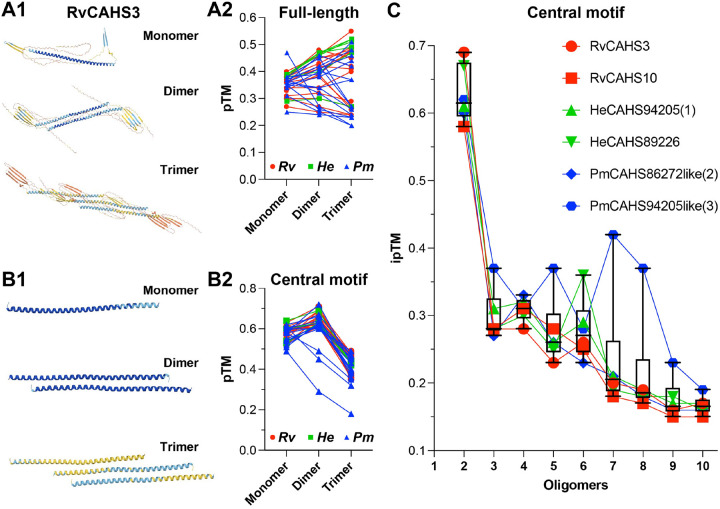 Figure 3
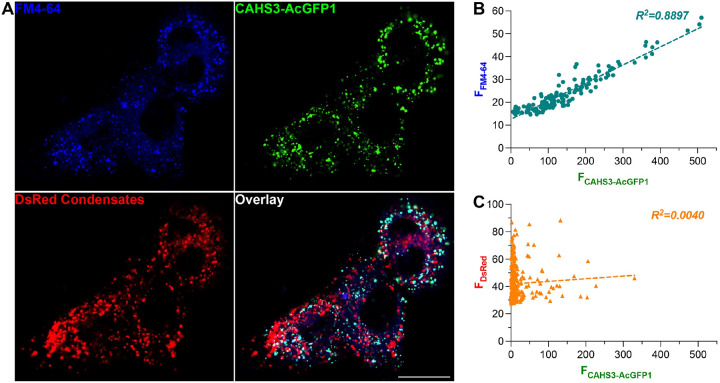 Figure 4
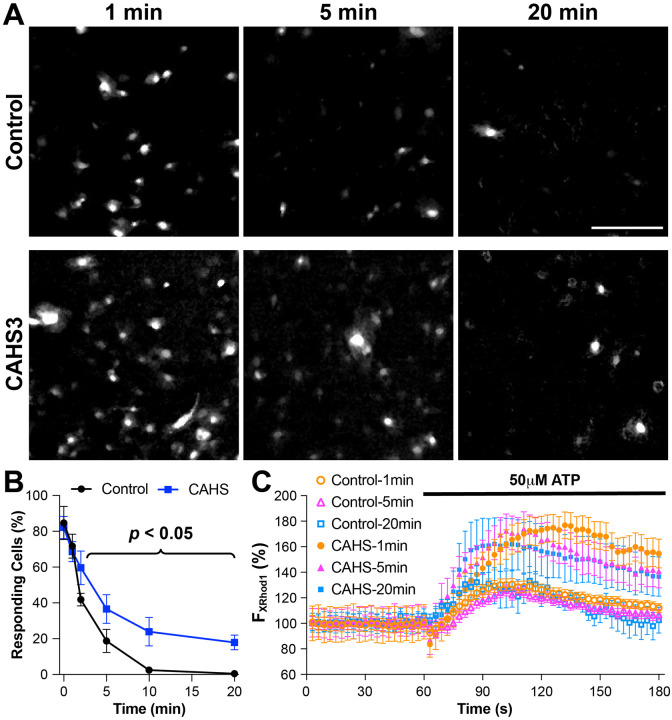 Figure 5
Peer Reviews
No public reviews on file for this paper yet. If you reviewed it on a platform where reviews are public (OpenReview, ICLR, NeurIPS, ICML), you can paste yours below so the community can read it here.
Videos
No videos yet. Explain this paper in a talk, walkthrough, or lecture? Add one.
Taxonomy
TopicsTardigrade Biology and Ecology · Polar Research and Ecology · Protist diversity and phylogeny