Structural and Functional Analysis of GGPPS Inhibition as a Therapeutic Mechanism for Acute Myeloid Leukemia (AML)
Youla Tsantrizos, Fraser Ferens, Daniel Waller, Rebecca Boutin, Hiu-Fung Lee, Marc Saba-El-Leil, Mathieu Tremblay, Tian Lai Guan, Kathryn Skorey, Michael Sebag, Arun Wiita, M Joanne Lemieux

TL;DR
A new drug that inhibits GGPPS shows promise in treating AML by targeting cell membrane signaling and was effective in both lab and animal studies.
Contribution
The study identifies GGPPS inhibition as a novel therapeutic strategy for AML and provides structural insights into the drug's mechanism.
Findings
Compound CML-07–119 inhibits GGPPS with nanomolar potency and induces cell death in AML cell lines.
In vivo, CML-07–119 showed antitumor efficacy comparable to cytarabine in a mouse model of AML.
Structural analysis revealed how CML-07–119 binds to GGPPS and alters its conformation.
Abstract
Acute myeloid leukemia (AML) is a hematological malignancy with poor treatment outcomes and high mortality rates. AML progression is influenced by signalling events facilitated by small GTPases anchored to cellular membranes via post-translational modification with geranylgeranyl pyrophosphate (GGPP). The disruption of GGPP biosynthesis, and the resulting intracellular reduction of key geranylgeranylated GTPases, represents an as yet unleveraged strategy for the treatment of cancer. Here we show compound CML-07–119, a selective inhibitor of GGPP synthase (GGPPS), to display an EC50 potency in the nanomolar range and to induce targeted cell death in several AML cell lines, including those harbouring TP53 mutations. Antitumor efficacy in vivo was also observed with CML-07–119 in a mouse xenograft model engrafted with AML NOMO-1 cells, equivalent to the drug cytarabine. Bone-marrow and…
Genes, proteins, chemicals, diseases, species, mutations and cell lines named across the full text — each resolved to its canonical identifier and authoritative record.
Click any figure to enlarge with its caption.
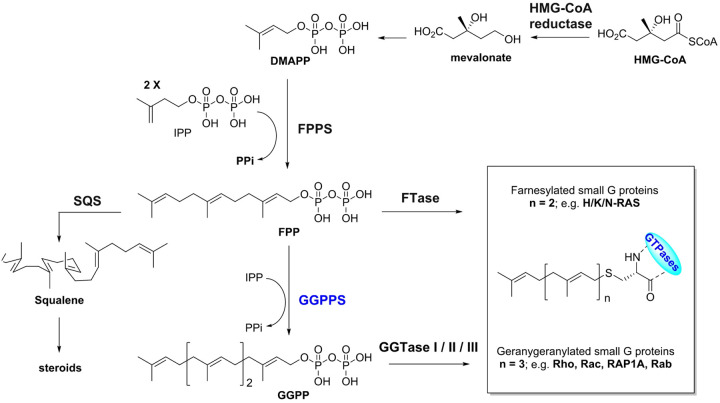 Figure 1
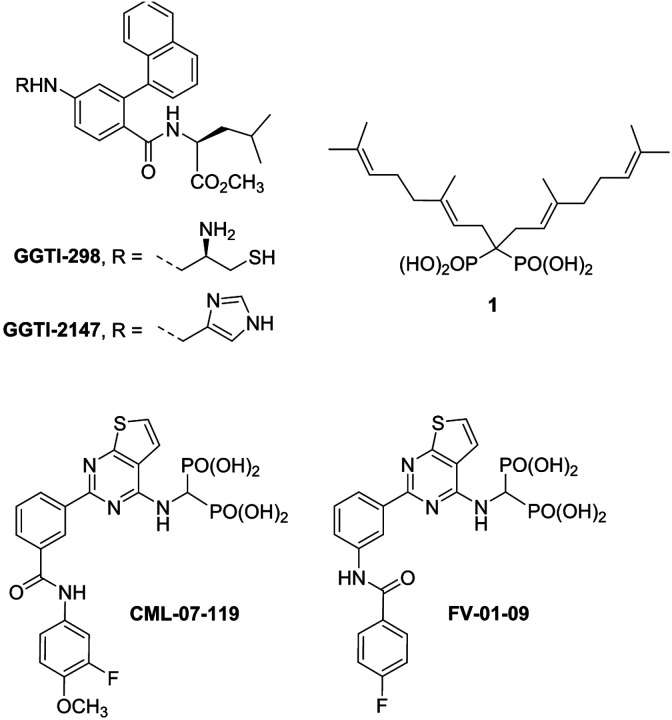 Figure 2
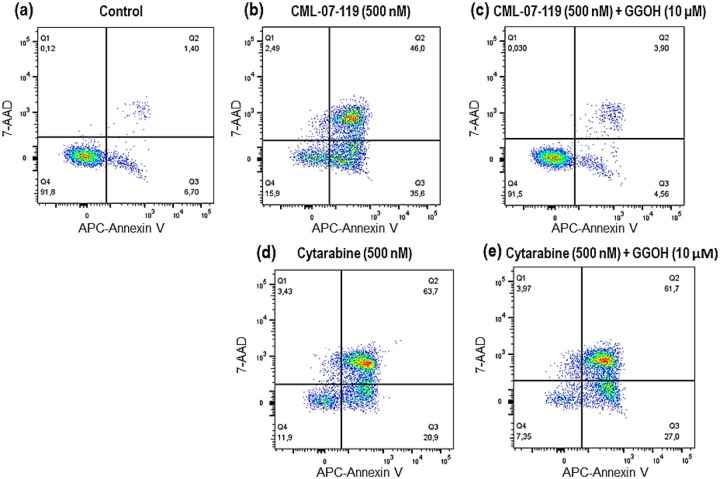 Figure 3
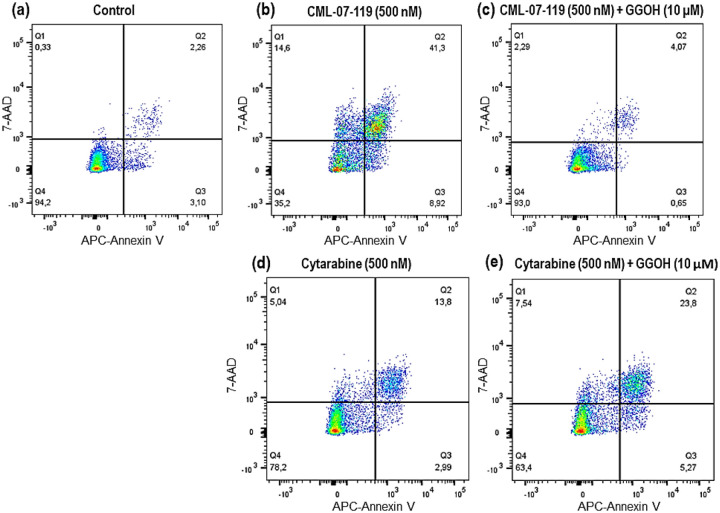 Figure 4
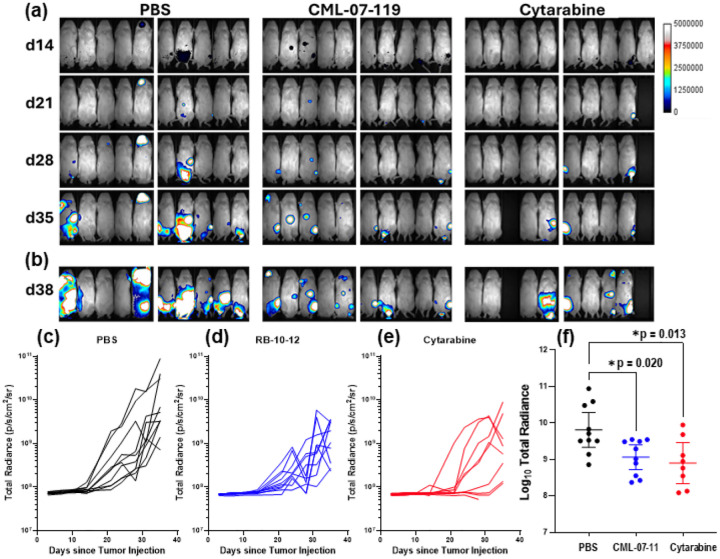 Figure 5
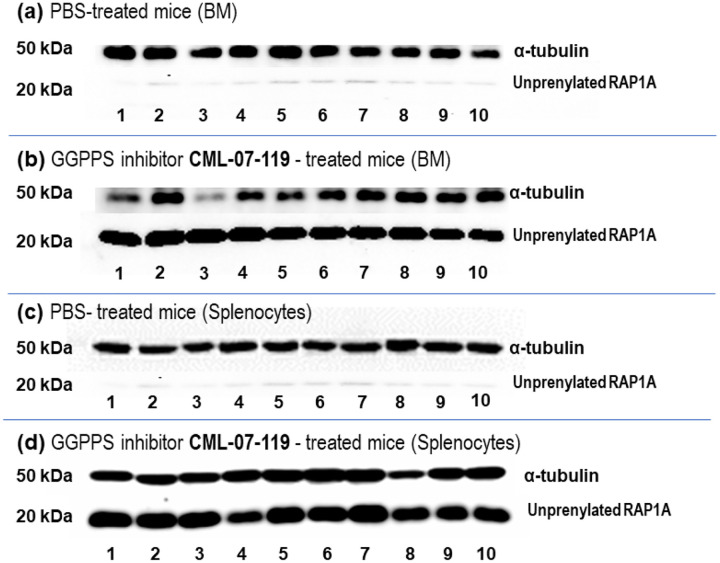 Figure 6
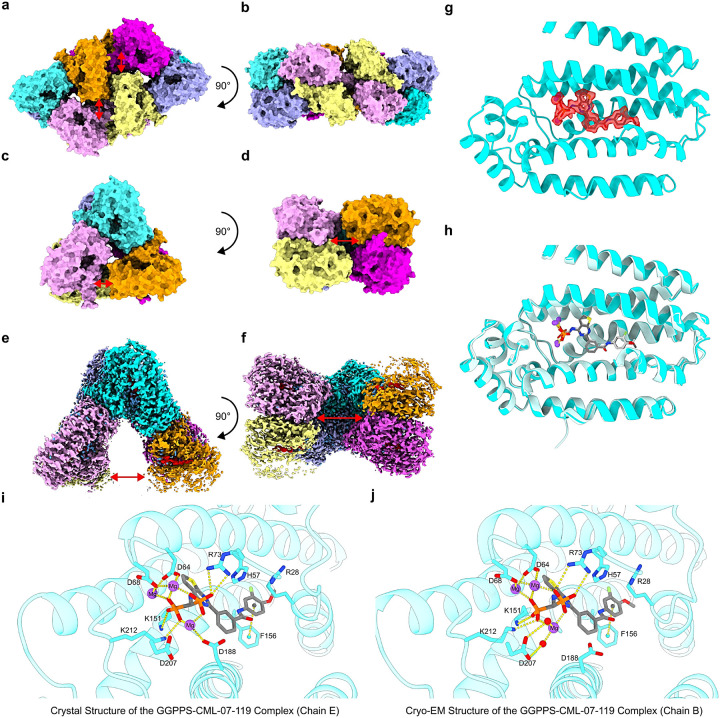 Figure 7
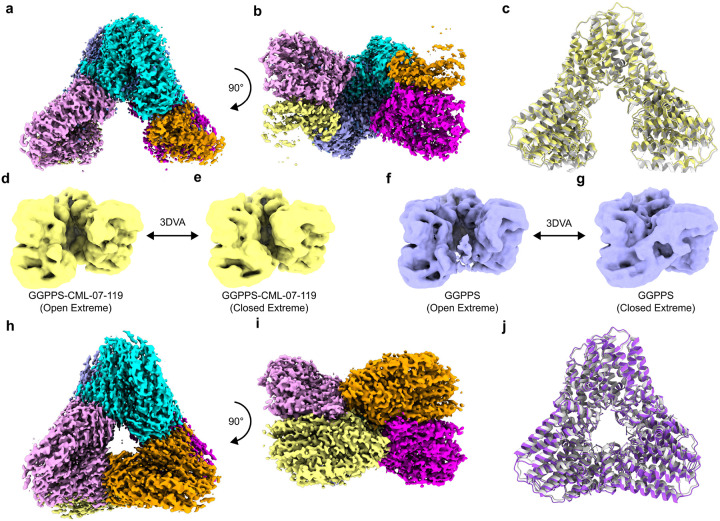 Figure 8
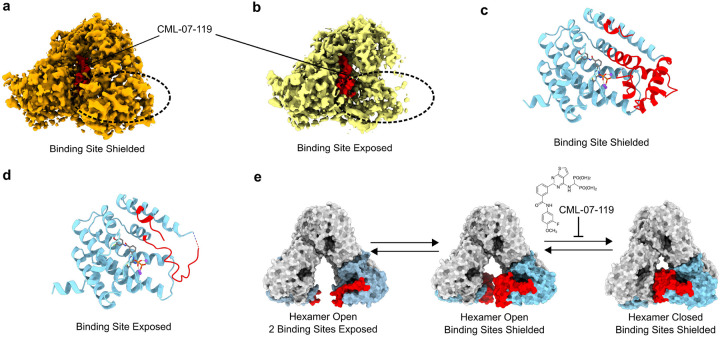 Figure 9
Peer Reviews
No public reviews on file for this paper yet. If you reviewed it on a platform where reviews are public (OpenReview, ICLR, NeurIPS, ICML), you can paste yours below so the community can read it here.
Videos
No videos yet. Explain this paper in a talk, walkthrough, or lecture? Add one.
Taxonomy
TopicsBiochemical and Molecular Research · Plant biochemistry and biosynthesis · Metal-Catalyzed Oxygenation Mechanisms