Targeting APE1 endonuclease activity impairs metastasis and enhances genotoxic therapy response in pancreatic cancer
Eyram K. Kpenu, Mahmut Mijiti, Silpa Gampala, Jun Wan, Sheng Liu, Randall S. Wireman, Jacqueline Peil, Dana K. Mitchell, Sanya Haiaty, Rajesh Sardar, Akanksha Sharma, Millie M. Georgiadis, Melissa L. Fishel, Mark R. Kelley

TL;DR
Disabling APE1's DNA repair function in pancreatic cancer cells reduces metastasis and improves response to DNA-damaging treatments.
Contribution
First stable human PDAC cell models with APE1 endonuclease deficiency, revealing therapeutic potential.
Findings
APE1 endonuclease-deficient cells show reduced tumor growth and metastasis in mice.
APE1 deficiency increases sensitivity to temozolomide and other DNA-damaging agents.
APE1 endonuclease activity is critical for PDAC cell survival under genotoxic stress.
Abstract
Pancreatic ductal adenocarcinoma (PDAC) is a highly deadly cancer with limited treatment options. The base excision repair (BER) pathway, crucial for fixing DNA abasic sites, is driven by apurinic/apyrimidinic endonuclease 1 (APE1). While APE1’s redox function has been extensively studied, its endonuclease activity in PDAC homeostasis and therapeutic response remains poorly understood. We created stable, homozygous APE1 endonuclease-reduced PDAC cell lines to examine the effects of impaired BER activity on pancreatic cancer growth, progression, and response to treatment. CRISPR/Cas9-mediated editing was used to introduce an E96A mutation into the Pa03C PDAC cell line, generating three clonal mutant cell lines: E96A B1, E96A B4, E96A G8. APE1 expression and activity were verified in vitro through biochemical assays. Cellular responses to genotoxic stress were examined using…
Genes, proteins, chemicals, diseases, species, mutations and cell lines named across the full text — each resolved to its canonical identifier and authoritative record.
Click any figure to enlarge with its caption.
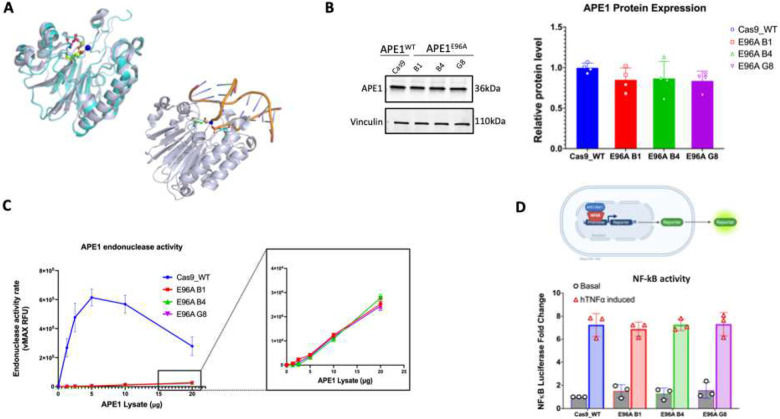 Figure 1
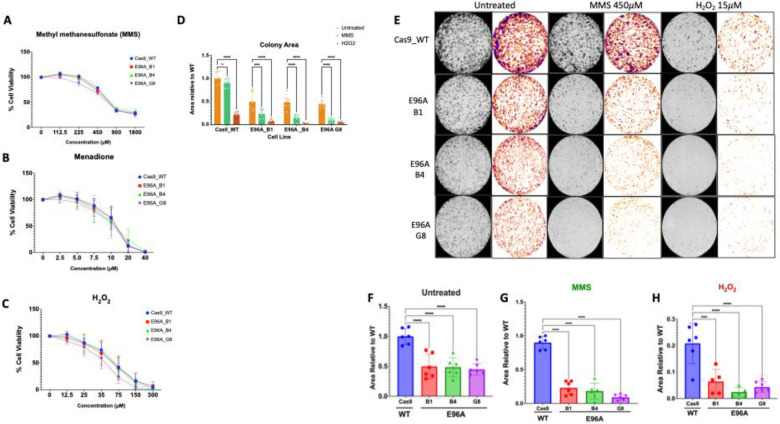 Figure 2
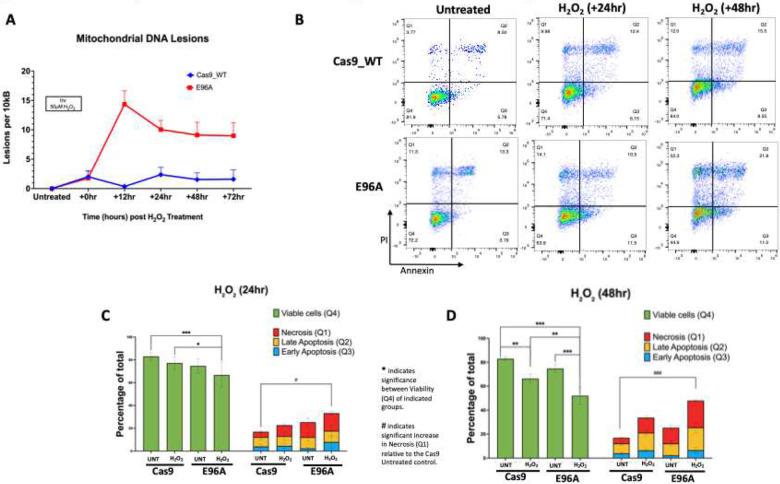 Figure 3
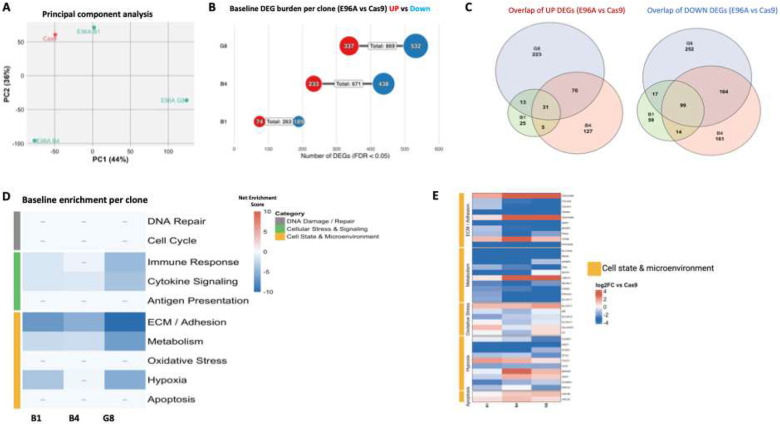 Figure 4
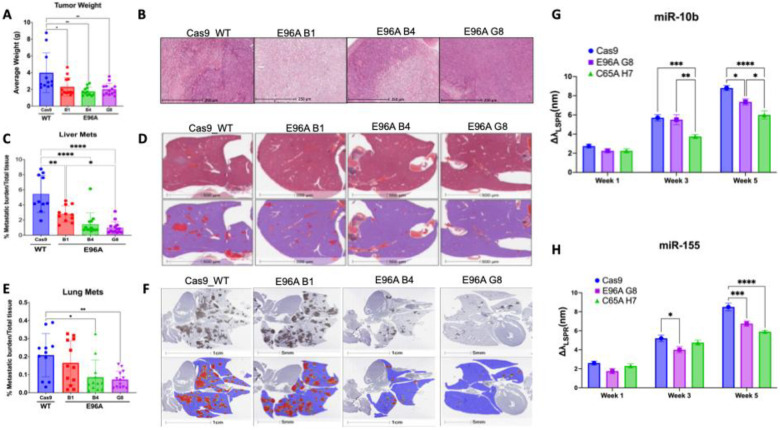 Figure 5
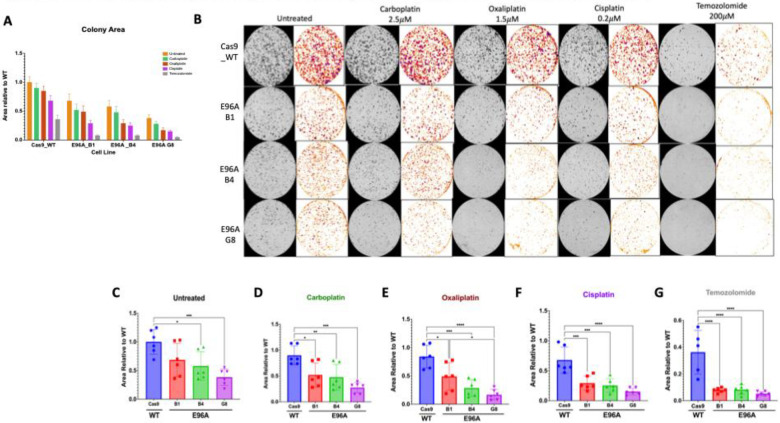 Figure 6
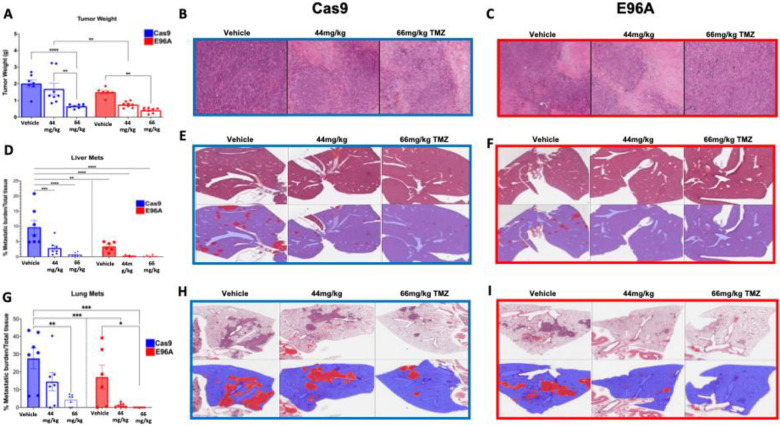 Figure 7
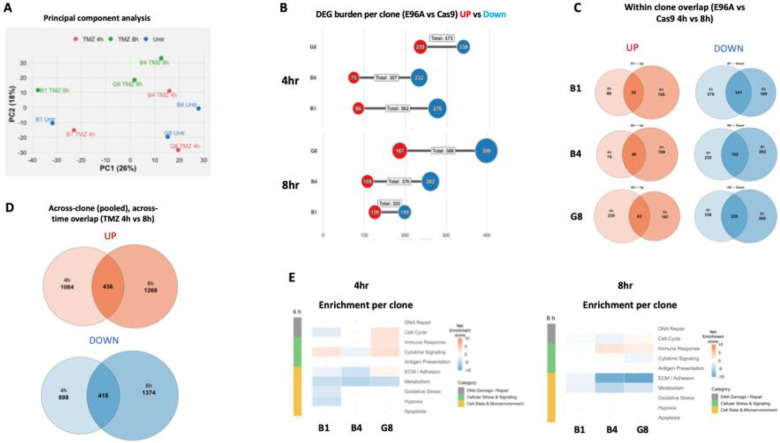 Figure 8
Peer Reviews
No public reviews on file for this paper yet. If you reviewed it on a platform where reviews are public (OpenReview, ICLR, NeurIPS, ICML), you can paste yours below so the community can read it here.
Videos
No videos yet. Explain this paper in a talk, walkthrough, or lecture? Add one.
Taxonomy
TopicsDNA Repair Mechanisms · Cell death mechanisms and regulation · Histone Deacetylase Inhibitors Research