Inhibition of N6-Methyladenosine Accumulation by Targeting METTL3 Mitigates Tau Pathology and Cognitive Decline in Alzheimer’s Disease
Lulu Jiang, Allison Tucker, Camron Sepehri, Dev Patel, Qingbo Wang, Shuo Yuan, Eliana Sherman, Yicheng Chen, Joey Beh, Addysen Downey, Daniel Goldberg, Weronika Gniadzik, Xin Ma

TL;DR
This study shows that reducing m6A levels by inhibiting METTL3 can reduce tau pathology and cognitive decline in a mouse model of Alzheimer’s disease.
Contribution
The study demonstrates that pharmacological inhibition of METTL3 mitigates AD pathology and cognitive decline in a humanized tau transgenic mouse model.
Findings
Elevated m6A levels correlate with tau and amyloid-β pathology in human AD brain tissue and PS19 mice.
METTL3 inhibition with STM2457 reduces m6A, tau pathology, and neurodegeneration in PS19 mice.
STM2457-treated PS19 mice show improved learning and memory compared to untreated mice.
Abstract
Dysregulation of N6-methyladenosine (m6A) modification of RNA has emerged as a novel feature of Alzheimer’s disease (AD). Here, we investigate the relationship between m6A modification and AD pathology, and the therapeutic potential of modulating excessive m6A via its “writer” methyltransferase METTL3 in a humanized P301S tau transgenic mouse model of AD (PS19). We observed significantly elevated m6A levels in human post-mortem AD frontal cortex tissue compared to healthy controls, which positively correlated with hyperphosphorylated tau and amyloid-β (Aβ) deposition. These effects were recapitulated in the PS19 tau mice model of AD. Importantly, treatment of PS19 mice with the METTL3 inhibitor STM2457 reduced excessive m6A, alleviated tau pathology, and attenuated neurodegeneration. Behavioral assessments further demonstrated that STM2457-treated PS19 mice exhibited significantly…
Genes, proteins, chemicals, diseases, species, mutations and cell lines named across the full text — each resolved to its canonical identifier and authoritative record.
Click any figure to enlarge with its caption.
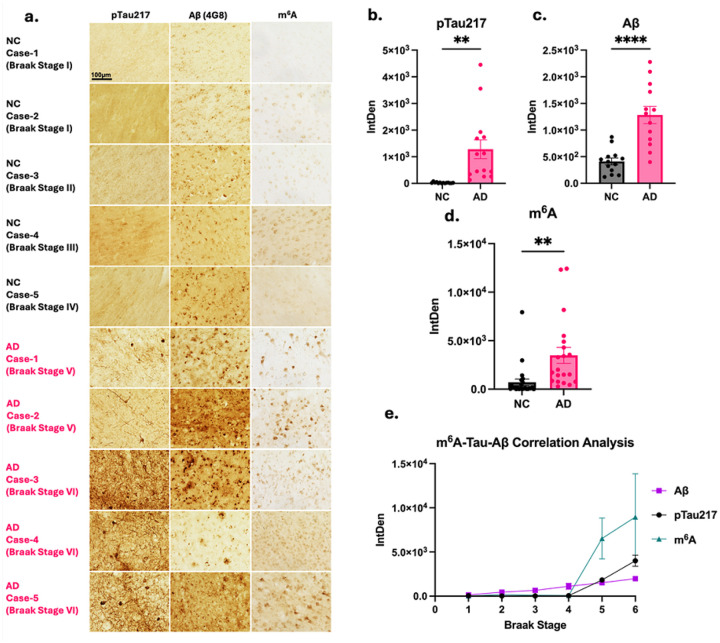 Figure 1
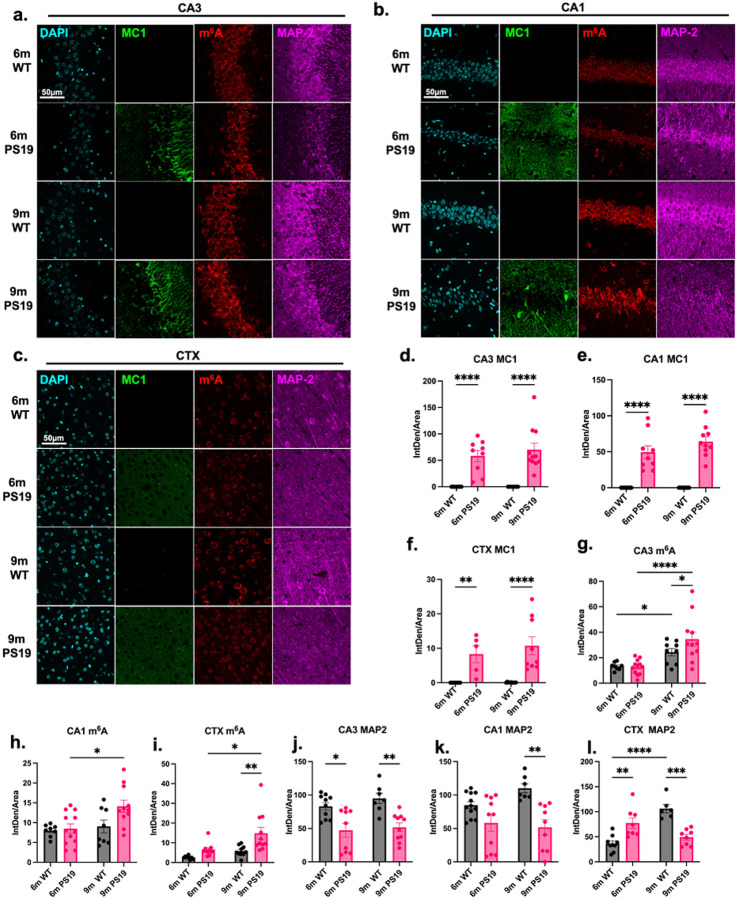 Figure 2
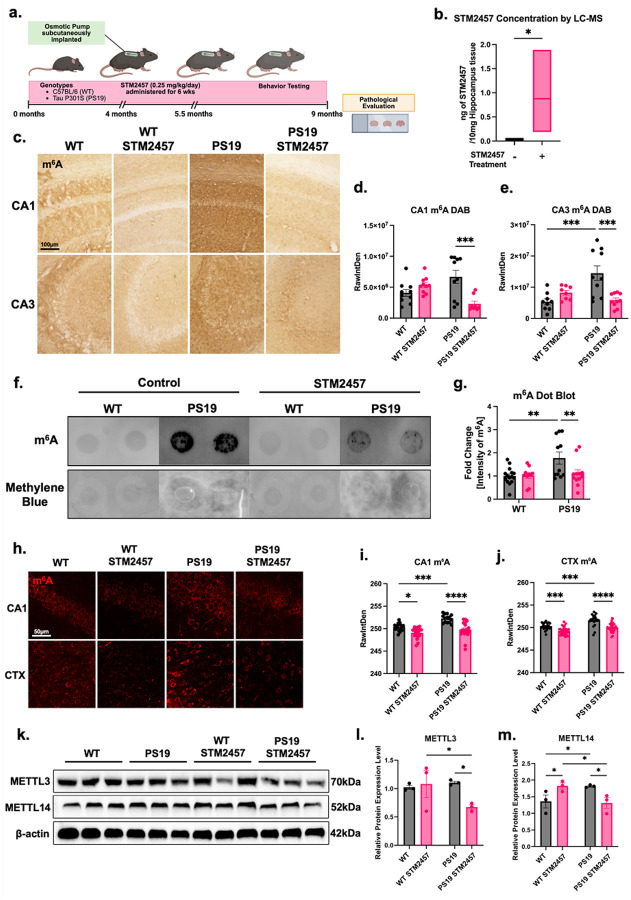 Figure 3
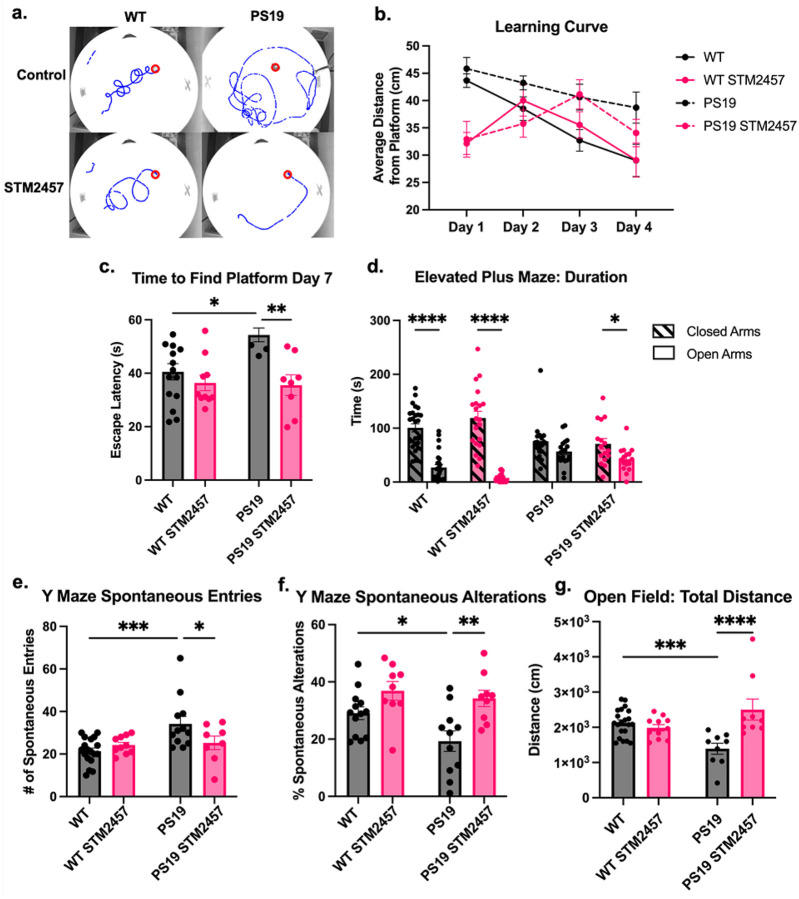 Figure 4
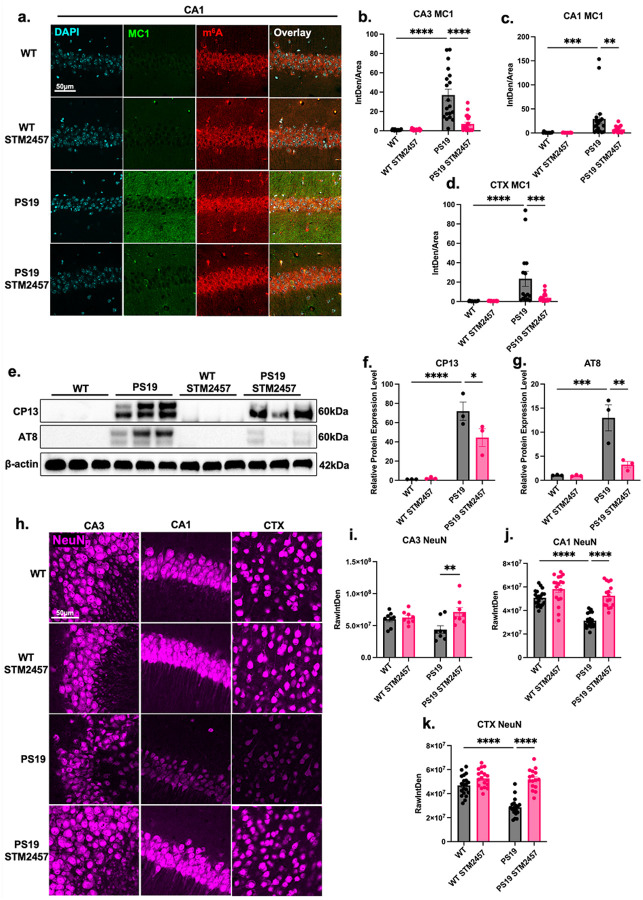 Figure 5
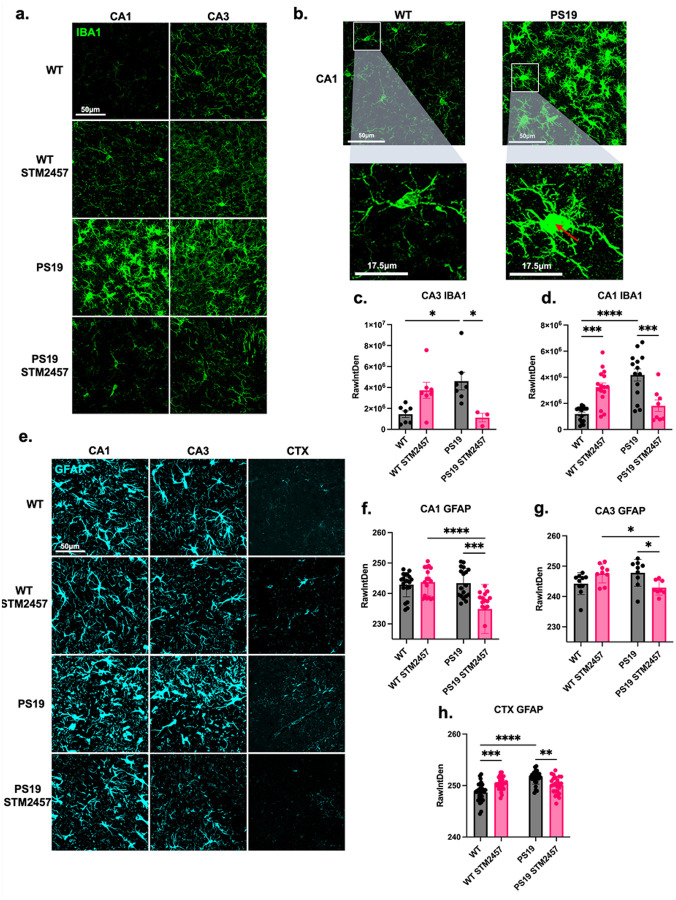 Figure 6
Peer Reviews
No public reviews on file for this paper yet. If you reviewed it on a platform where reviews are public (OpenReview, ICLR, NeurIPS, ICML), you can paste yours below so the community can read it here.
Videos
No videos yet. Explain this paper in a talk, walkthrough, or lecture? Add one.
Taxonomy
TopicsRNA modifications and cancer · Epigenetics and DNA Methylation · Cancer-related gene regulation