CauReL: Dynamic Counterfactual Learning for Precision Drug Repurposing in Alzheimer’s Disease
Yanfei Wang, Minghao Zhou, Zijia Tang, Chenxi Xiong, Breton Asken, Baijian Yang, Jing Su, Xiaobo Zhou, Qianqian Song

TL;DR
CauReL is a new method for drug repurposing in Alzheimer's that uses patient-specific data to identify drugs likely to help specific groups.
Contribution
CauReL introduces a dynamic counterfactual learning framework for precision drug repurposing using electronic health records.
Findings
CauReL improved covariate balance and prediction accuracy for Alzheimer's incidence and progression.
Twenty drugs showed protective associations, with four (liraglutide, empagliflozin, entacapone, amantadine) being highly reproducible.
Metabolic drugs helped patients with diabetes or obesity, while neuroactive drugs showed broad protection.
Abstract
Alzheimer’s disease has few effective therapies, and decades of amyloid- and tau-focused trials have delivered only modest benefit with substantial toxicity. Drug repurposing using real-world data offers a faster and lower-risk route to new treatments, yet current approaches typically average effects across populations, model disease onset and progression separately, and provide little insight into which patients are most likely to benefit. We present CauReL, a dynamic counterfactual representation learning framework that enables transparent, patient specific estimation of treatment effects from large-scale electronic health records for precision drug repurposing in AD. CauReL first learns balanced latent representations of treated and untreated patients using Integral Probability Metric regularization, then jointly predicts two clinically linked outcomes, incident AD and time from mild…
Genes, proteins, chemicals, diseases, species, mutations and cell lines named across the full text — each resolved to its canonical identifier and authoritative record.
Click any figure to enlarge with its caption.
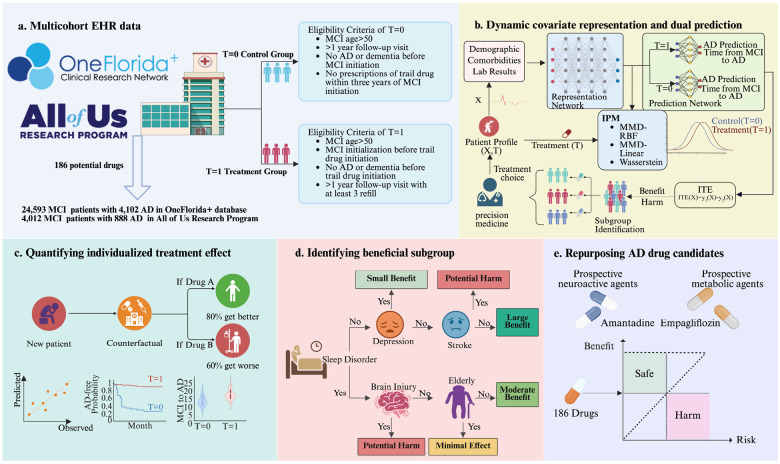 Figure 1
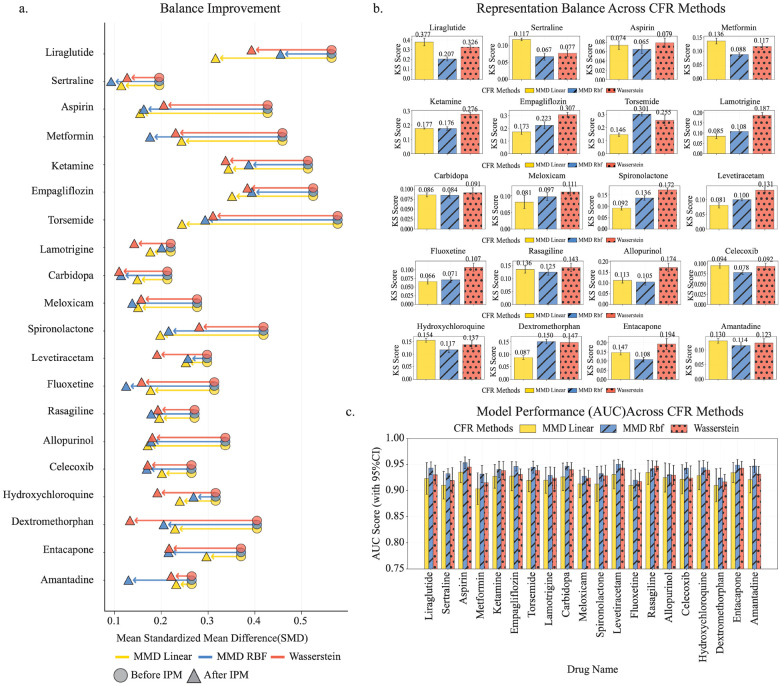 Figure 2
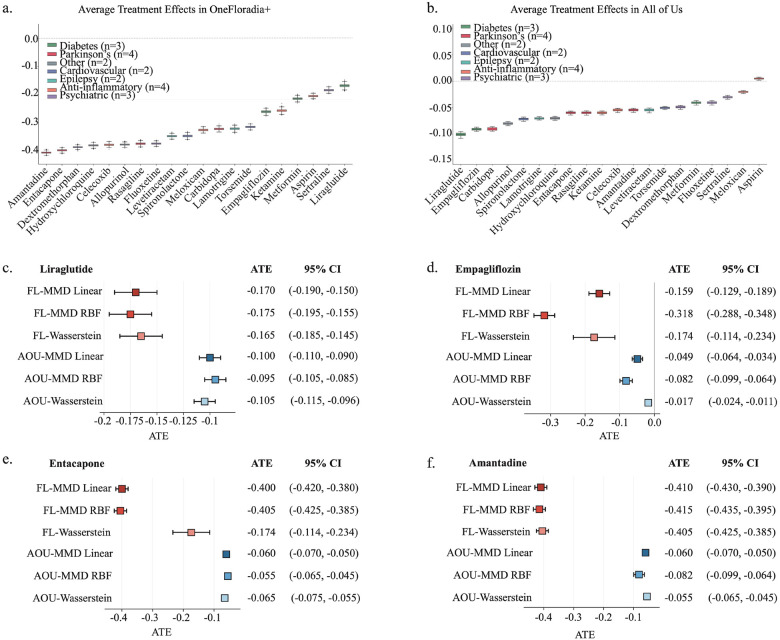 Figure 3
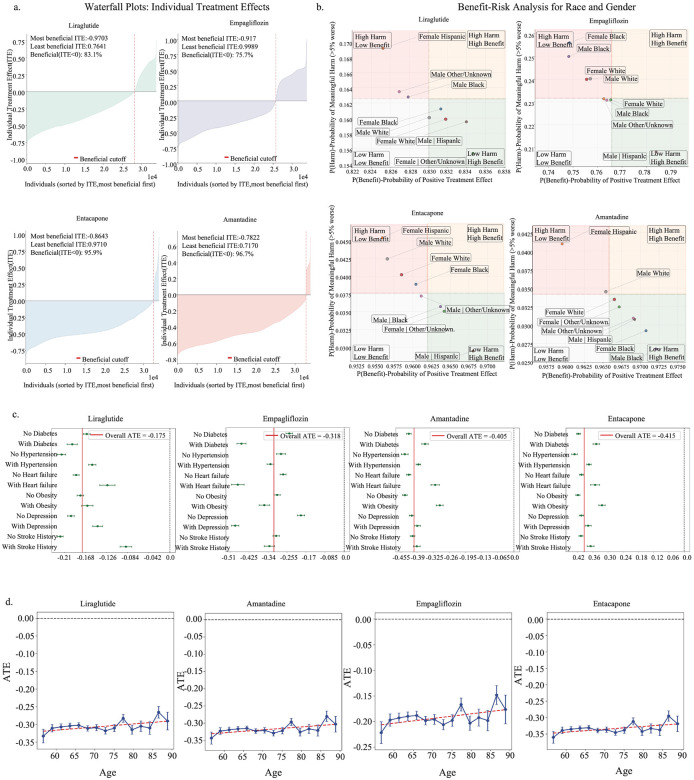 Figure 4
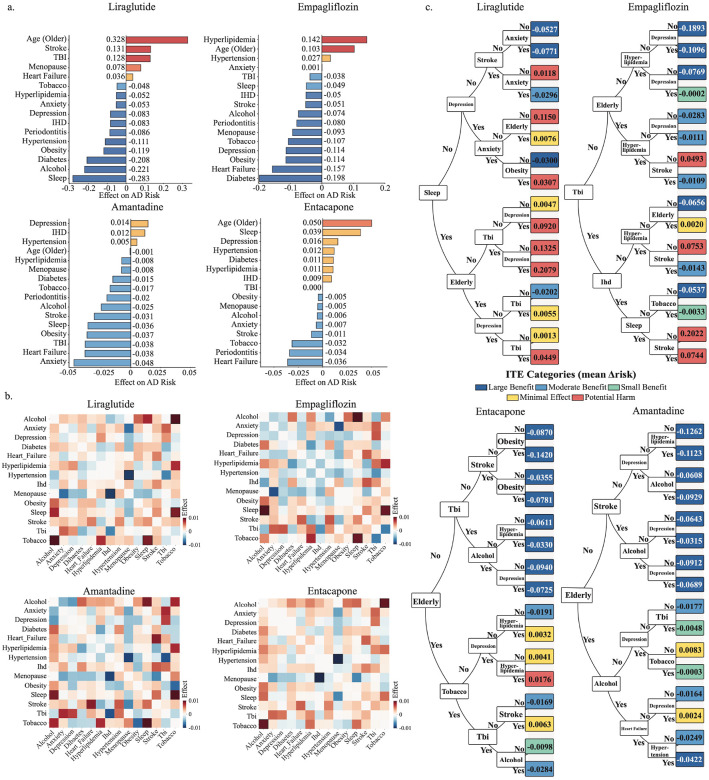 Figure 5
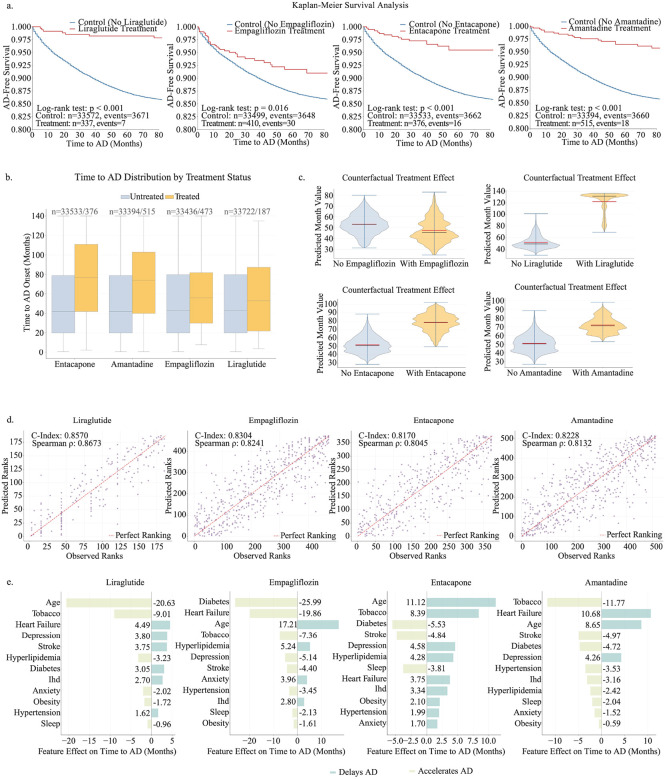 Figure 6
Peer Reviews
No public reviews on file for this paper yet. If you reviewed it on a platform where reviews are public (OpenReview, ICLR, NeurIPS, ICML), you can paste yours below so the community can read it here.
Videos
No videos yet. Explain this paper in a talk, walkthrough, or lecture? Add one.
Taxonomy
TopicsMachine Learning in Healthcare · Dementia and Cognitive Impairment Research · Alzheimer's disease research and treatments