Computational identification of Azadirachta indica compounds targeting trypanothione reductase in Leishmania infantum
Onile Olugbenga Samson, Olukunle Samuel, Fadahunsi Adeyinka Ignatius, Onile Tolulope Adelonpe, Momoh Abdul, Kolawole Oladipo, Afolabi Titilope Esther, Raji Omotara, Hassan Nour, Samir Chtita

TL;DR
This study uses computational methods to find compounds from Azadirachta indica that may inhibit a key enzyme in Leishmania infantum, a parasite causing visceral leishmaniasis.
Contribution
The study computationally identifies novel TR inhibitors from A. indica phytochemicals with better binding affinity than a standard drug.
Findings
Ten compounds from A. indica showed higher binding affinity to TR than miltefosine, with docking scores from −3.501 to −8.482 kcal/mol.
Top compounds exhibited favorable pharmacokinetics, toxicity profiles, and stable interactions confirmed by MD simulations.
Isorhamnetin, meliantriol, and quercetin were identified as promising candidates for further experimental validation.
Abstract
Motivation: Leishmania infantum is the primary cause of VL, and its trypanothione reductase (TR) creates a favorable environment in the host, making TR an attractive drug target. This study aims to identify potential TR inhibitors from Azadirachta indica phytochemicals using molecular modeling techniques. Results: Sixty compounds from A. indica were screened via molecular docking for their binding affinity to TR, followed by binding free energy calculations. Drug-likeness, pharmacokinetics, and toxicity properties of the hit compounds were then evaluated. The top compounds were subjected to a 100 ns molecular dynamics (MDs) simulation to further assess the stability of their interaction with TR. Ten of the screened compounds exhibited higher affinity for TR compared to miltefosine (standard drug), with docking scores ranging from −3.501 to −8.482 kcal/mol, compared to miltefosine’s…
Genes, proteins, chemicals, diseases, species, mutations and cell lines named across the full text — each resolved to its canonical identifier and authoritative record.
Click any figure to enlarge with its caption.
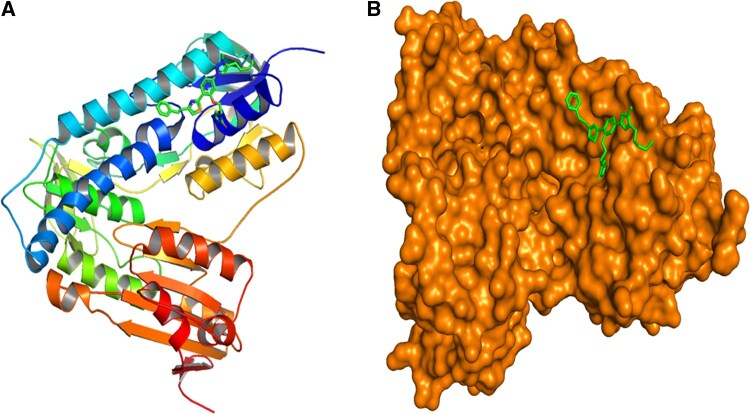 Figure 1
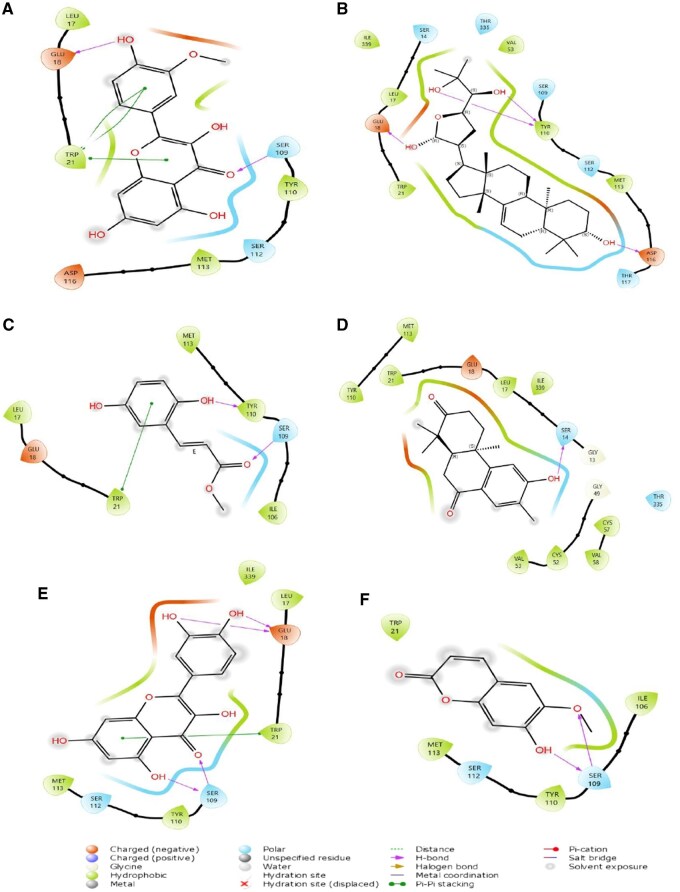 Figure 2
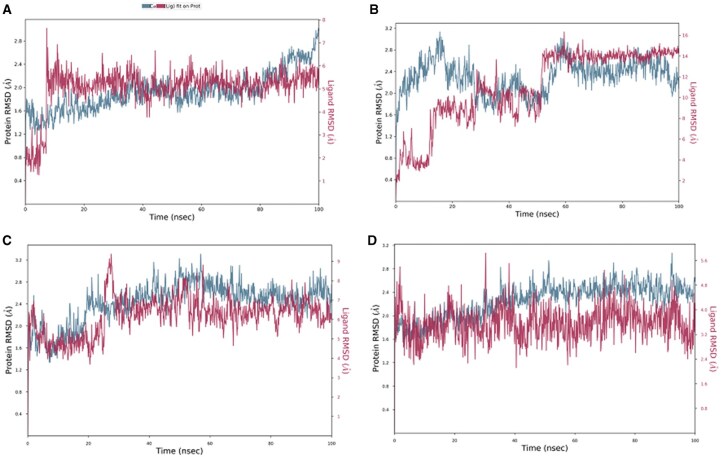 Figure 3
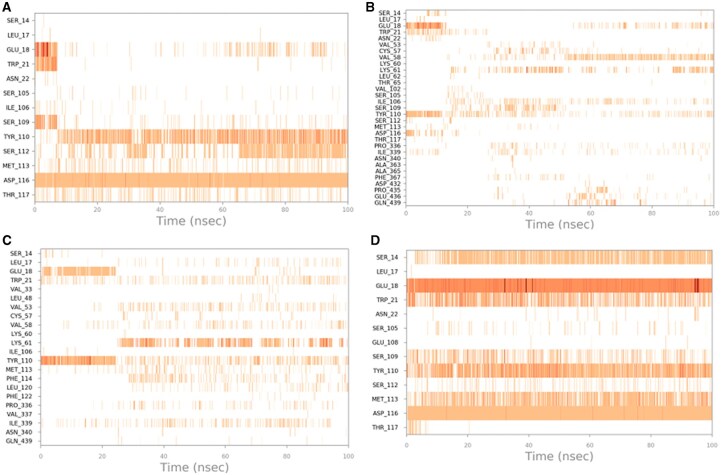 Figure 4
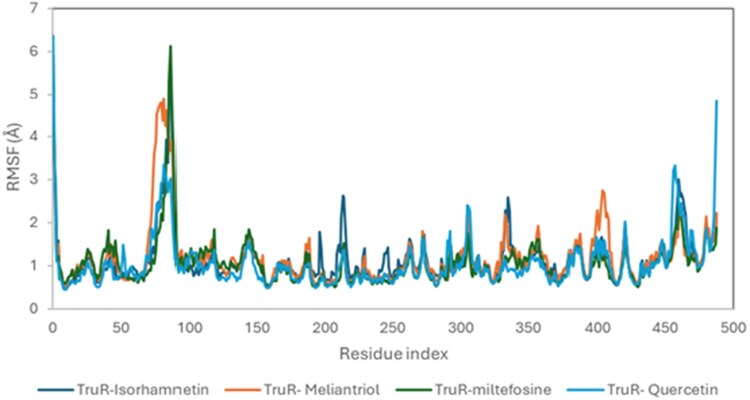 Figure 5
Peer Reviews
No public reviews on file for this paper yet. If you reviewed it on a platform where reviews are public (OpenReview, ICLR, NeurIPS, ICML), you can paste yours below so the community can read it here.
Videos
No videos yet. Explain this paper in a talk, walkthrough, or lecture? Add one.
Taxonomy
TopicsResearch on Leishmaniasis Studies · Enzyme function and inhibition · Trypanosoma species research and implications