Shedding Light on Depth: A Meta-analysis of Light Versus Deep Anaesthesia and Postoperative Neurocognitive Outcomes in Elderly Surgical Patients
Hosam Hadi Hassan Awaji, Norah Alsulaiman, Mshary S Alshahrani, Falwah S Alsalman, Abdulaziz I Alassaf, Rakan H Alabdulali, Abdulrahman J Alfaifi, Abdullah I Ghabban, Sayer H Aljuaid

TL;DR
This study finds that using lighter anesthesia in elderly patients may reduce postoperative delirium and cognitive issues and speed up recovery.
Contribution
The study provides new evidence that light anesthesia is associated with better neurocognitive outcomes and faster recovery in elderly surgical patients.
Findings
Light anesthesia significantly reduces postoperative delirium in elderly patients.
Light anesthesia is linked to shorter PACU discharge times and lower rates of cognitive dysfunction.
Hospital stay duration showed a trend favoring light anesthesia but was not statistically significant.
Abstract
Postoperative delirium (POD) and postoperative cognitive dysfunction (POCD) are common and serious complications in elderly surgical patients, especially after prolonged procedures. Recent evidence suggests that the depth of anaesthesia may influence the risk of these adverse outcomes. This meta-analysis examined whether light versus deep anaesthesia affects the incidence of POD and POCD, as well as recovery measures such as time to post-anaesthesia care unit (PACU) discharge and length of hospital stay in elderly patients. A systematic search identified randomized controlled trials (RCTs) published in English up to May 24, 2025, involving patients aged ≥60 years undergoing major surgery. The outcomes evaluated were POD, POCD, PACU discharge time, and hospital stay. Meta-analyses were conducted using random- or fixed-effects models based on heterogeneity. Eight RCTs with a total of…
Genes, proteins, chemicals, diseases, species, mutations and cell lines named across the full text — each resolved to its canonical identifier and authoritative record.
Click any figure to enlarge with its caption.
 Figure 1
 Figure 2
 Figure 3
 Figure 4
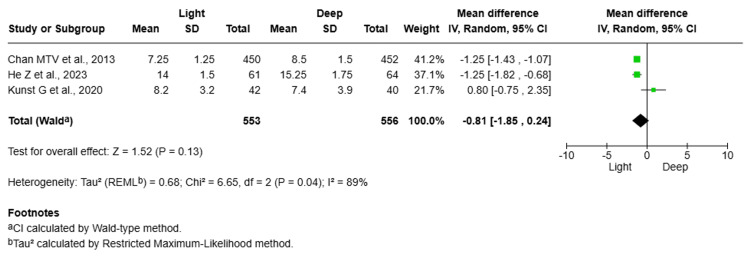 Figure 5
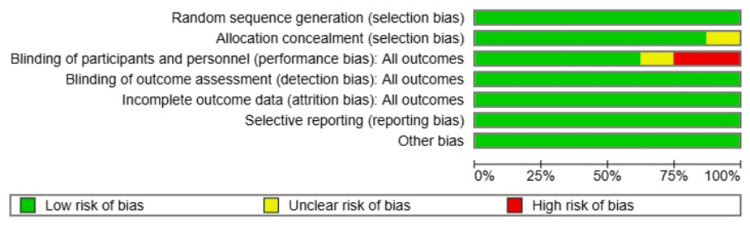 Figure 6
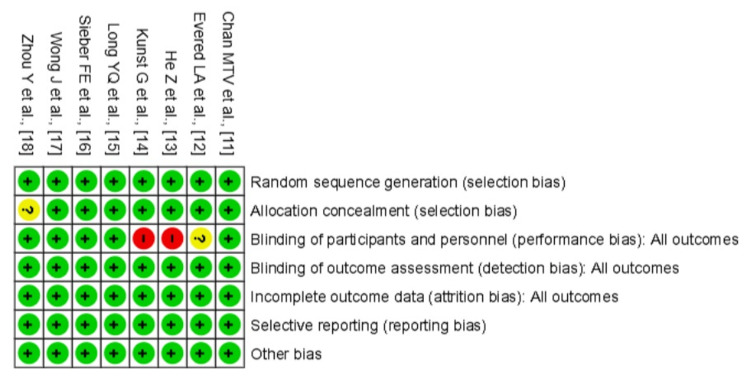 Figure 7
Peer Reviews
No public reviews on file for this paper yet. If you reviewed it on a platform where reviews are public (OpenReview, ICLR, NeurIPS, ICML), you can paste yours below so the community can read it here.
Videos
No videos yet. Explain this paper in a talk, walkthrough, or lecture? Add one.
Taxonomy
TopicsIntensive Care Unit Cognitive Disorders · Enhanced Recovery After Surgery · Anesthesia and Neurotoxicity Research