First decoding and characterization of the mitogenomes of the crocodile newts Tylototriton anguliceps and T. ngoclinhensis (Caudata, Salamandridae) from Vietnam and a phylogenetic assessment of the genus Tylototriton
Linh Tu Hoang Le, Hoa Thi Ninh, Duy Dinh Vu, Tan Viet Pham, Thomas Ziegler, Tao Thien Nguyen

TL;DR
This study decodes the mitochondrial genomes of two crocodile newt species from Vietnam and provides new insights into their evolutionary relationships.
Contribution
The first complete mitochondrial genomes of Tylototriton anguliceps and T. ngoclinhensis are assembled and a mitogenome misidentification is corrected.
Findings
The mitochondrial genomes of T. anguliceps and T. ngoclinhensis each contain 37 genes, typical of vertebrates.
Phylogenetic analysis confirms the taxonomic placement of the two species into different subgenera.
A previously misidentified mitogenome is re-assigned to T. maolanensis, providing its first complete mitogenome.
Abstract
Tylototriton anguliceps and T. ngoclinhensis are two species of crocodile newts native to Vietnam. In this study, we assemble and describe for the first time the complete mitochondrial genomes of T. anguliceps (16,720 bp) and T. ngoclinhensis (16,260 bp). Both genomes consist of 37 genes, which is consistent with most other vertebrates, including 13 protein-coding genes (PCGs), 22 transfer RNAs (tRNAs), and two ribosomal RNAs (rRNAs). The arrangements of these mitochondrial genes are the same in T. anguliceps and T. ngoclinhensis, but some genes have slight differences in their lengths, start codons, and stop codons. Phylogenetic analysis using 13 PCGs from the mitogenomes as well as concatenated 16S and ND2 sequences confirm the taxonomic identities of the samples, with T. anguliceps belonging to the subgenus Tylototriton and T. ngoclinhensis to the subgenus Yaotriton. Furthermore, the…
Genes, proteins, chemicals, diseases, species, mutations and cell lines named across the full text — each resolved to its canonical identifier and authoritative record.
Click any figure to enlarge with its caption.
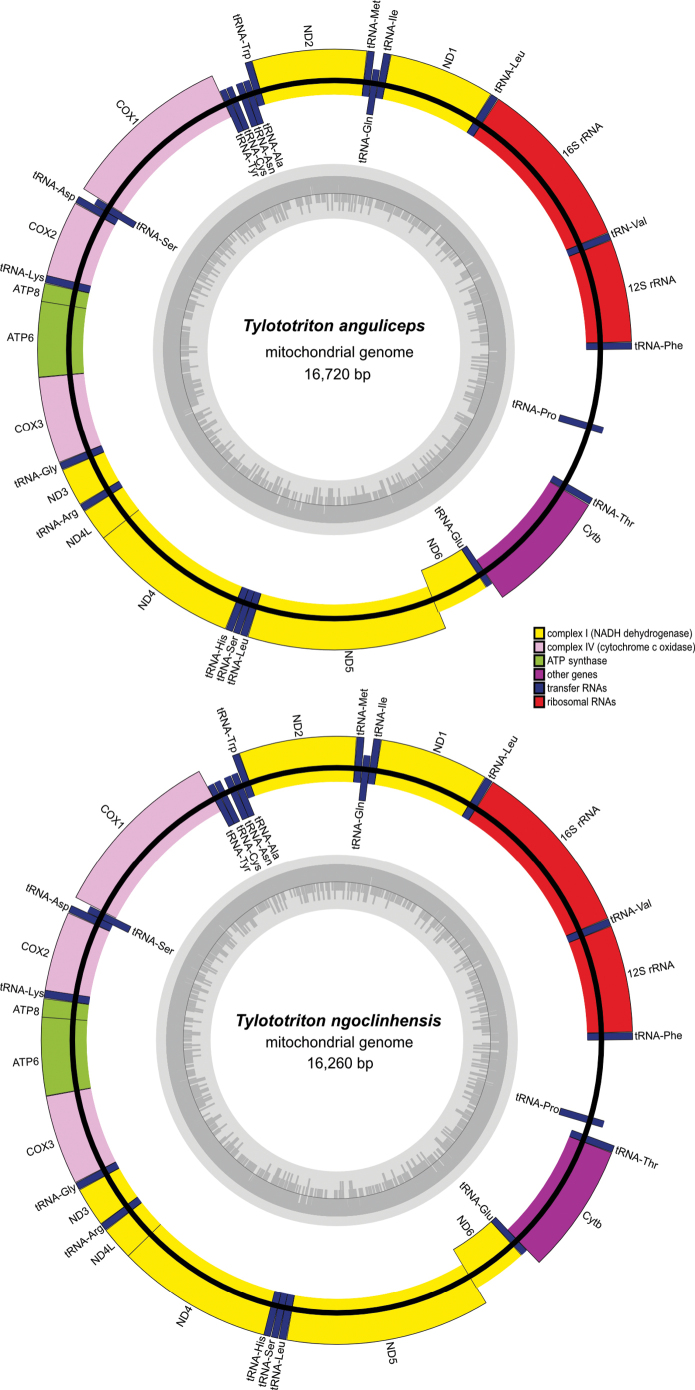 Figure 1
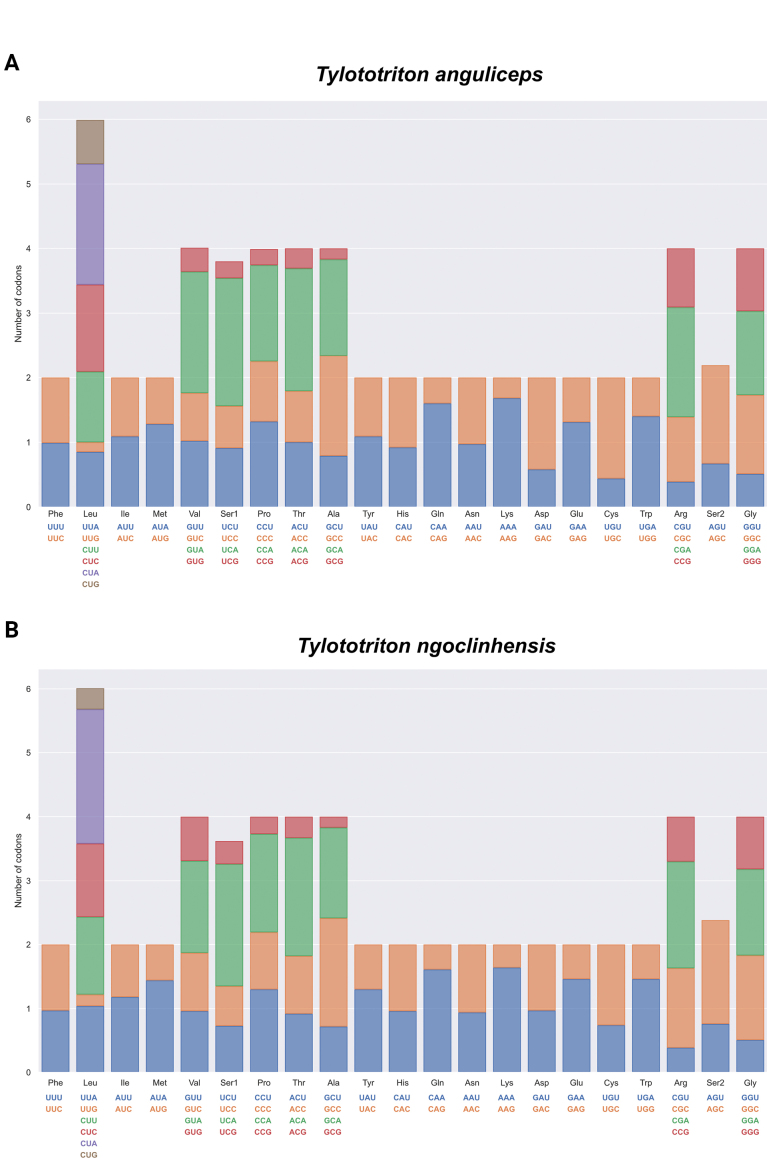 Figure 2
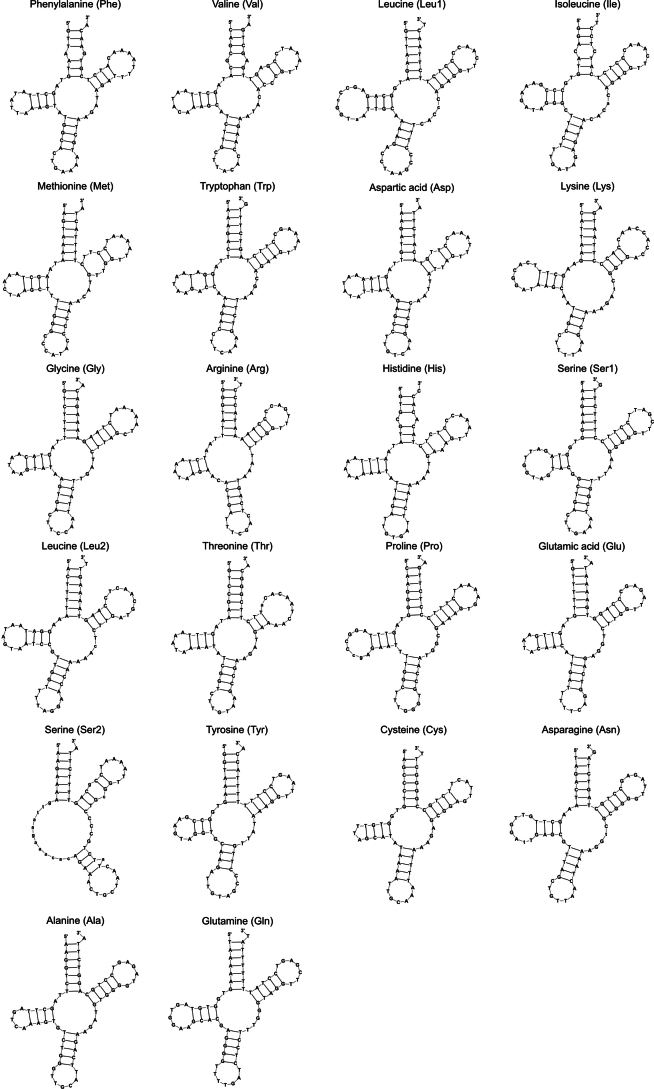 Figure 3
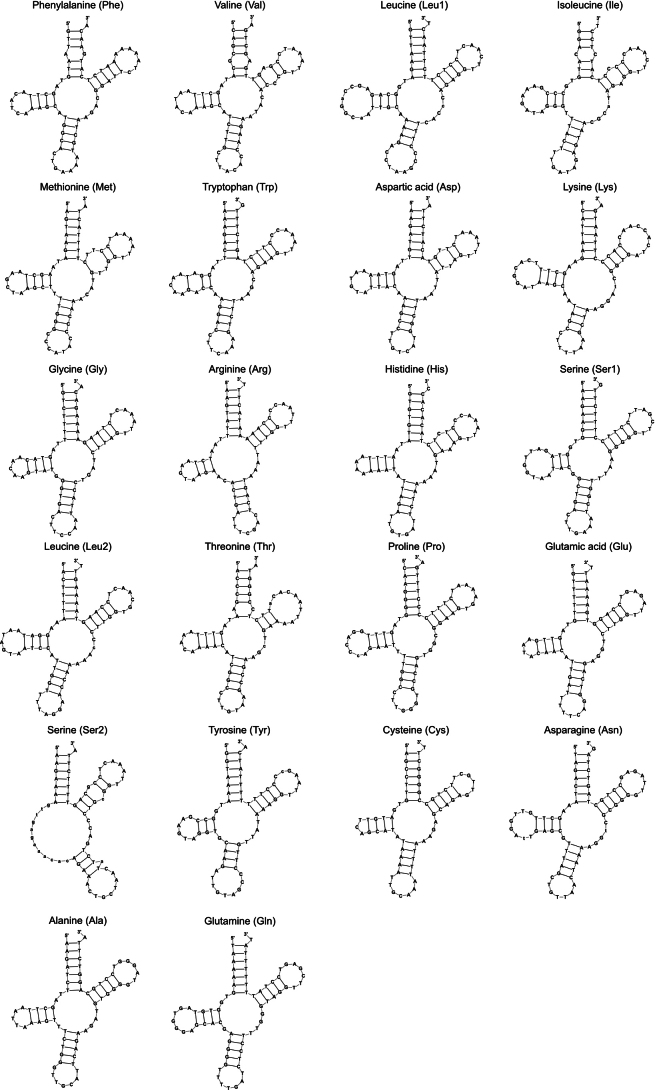 Figure 4
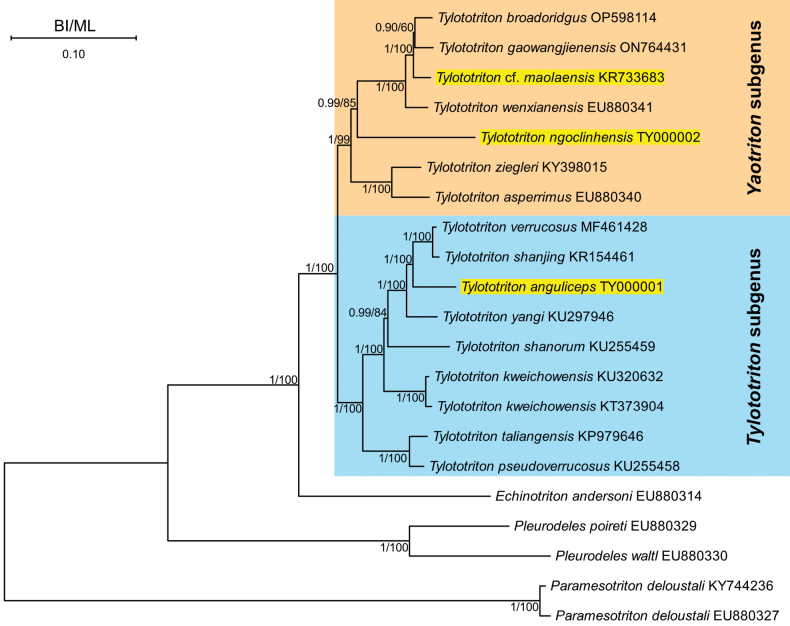 Figure 5
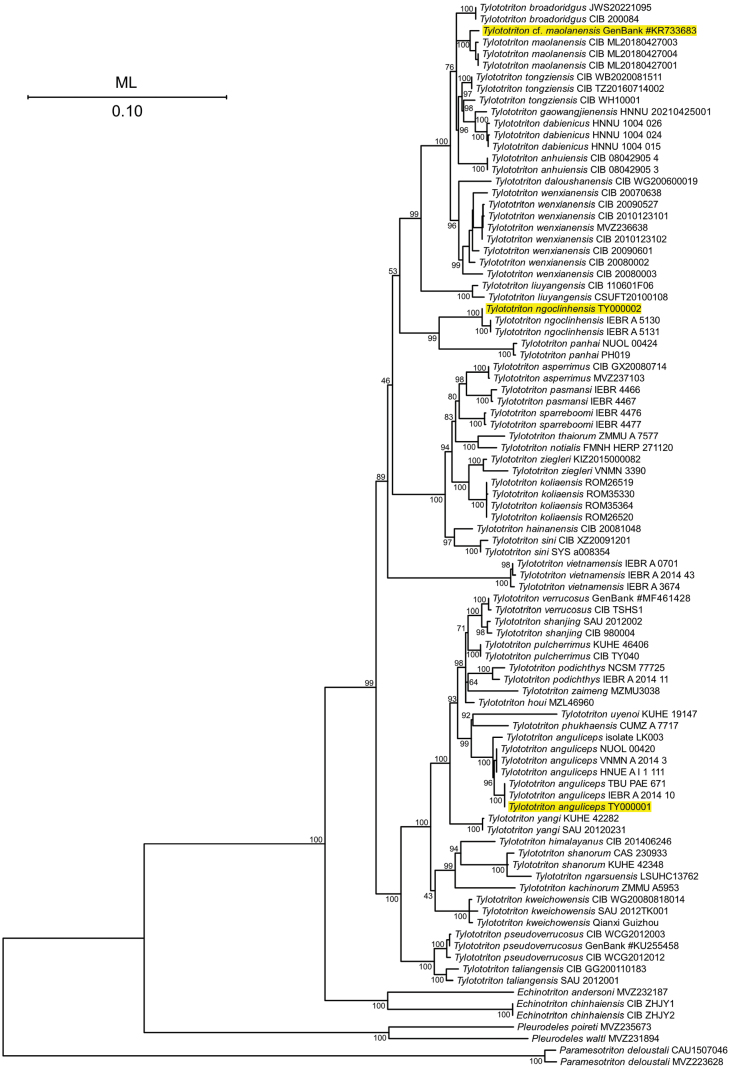 Figure 6
Peer Reviews
No public reviews on file for this paper yet. If you reviewed it on a platform where reviews are public (OpenReview, ICLR, NeurIPS, ICML), you can paste yours below so the community can read it here.
Videos
No videos yet. Explain this paper in a talk, walkthrough, or lecture? Add one.
Taxonomy
TopicsGenomics and Phylogenetic Studies · Evolution and Paleontology Studies · Amphibian and Reptile Biology