Identification of Two Rare Variants in Iranian Families With Familial Sudden Cardiac Death
Mahsa Tahmasebivand, Sepideh Mehvari, Fatemeh Ghodratpour, Hamidreza Khoram Khorshid, Reza Malekzadeh, Reza Najafipour, Yasser Riazalhosseini, Mark Lathrop, Hossein Najmabadi, Kimia Kahrizi

TL;DR
This study identifies rare genetic variants in two Iranian families linked to sudden cardiac death, offering insights for genetic counseling.
Contribution
The study reports two rare heterozygous missense variants in RYR2 and SCN5A genes associated with cardiac channelopathies in Iranian families.
Findings
Rare heterozygous missense variants in RYR2 and SCN5A genes were identified in two Iranian families with sudden cardiac death.
The mutated residues in these genes are conserved across humans and primates, indicating their functional importance.
The findings confirm previous associations between these mutations and channelopathy pathogenesis.
Abstract
Cellular action potential is characterized by a particular sequence of depolarizing and repolarizing ion currents regulated by ion channels. Genetic mutations in these channels disrupt the essential movement of ions, such as Na+, Ca++, and K+, across the cell membrane, leading to dangerous arrhythmias and sudden cardiac death (SCD). Most cases of unexplained SCD are caused by pathogenic variants in genes linked to channelopathies and cardiomyopathy. Genetic investigations might aid in confirming the clinical diagnosis based solely on observations. Other advantages of genetic studies are clinical management of the patient, family screening, appropriate genetic counseling, and risk assessment for family members. This study was conducted to investigate the genetic cause of early‐onset SCD in two Iranian families. Whole‐exome sequencing was performed on the probands from each family, and…
Genes, proteins, chemicals, diseases, species, mutations and cell lines named across the full text — each resolved to its canonical identifier and authoritative record.
Click any figure to enlarge with its caption.
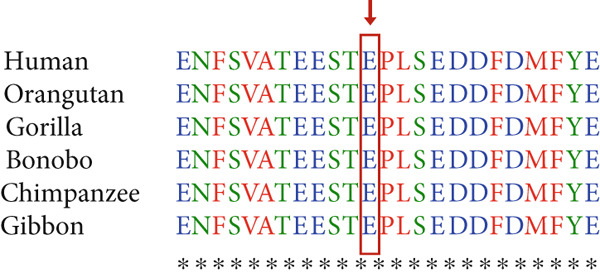 Figure 1
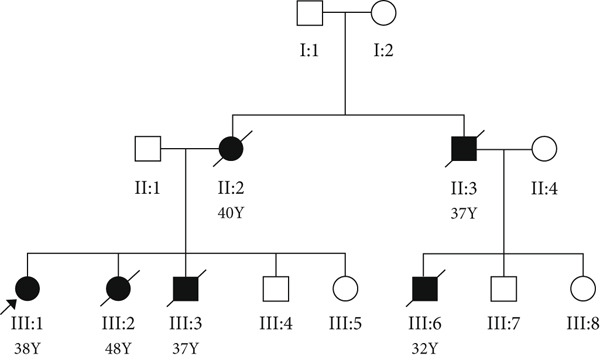 Figure 2
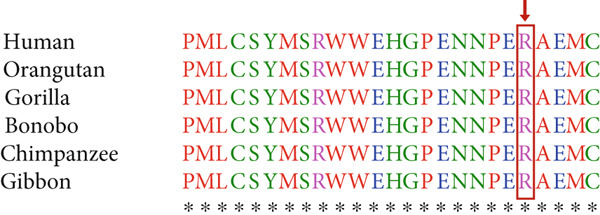 Figure 3
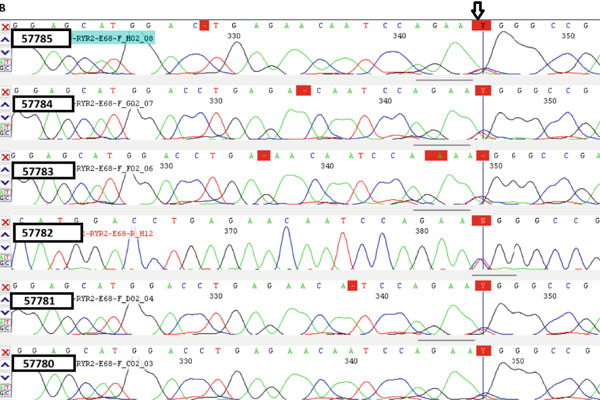 Figure 4
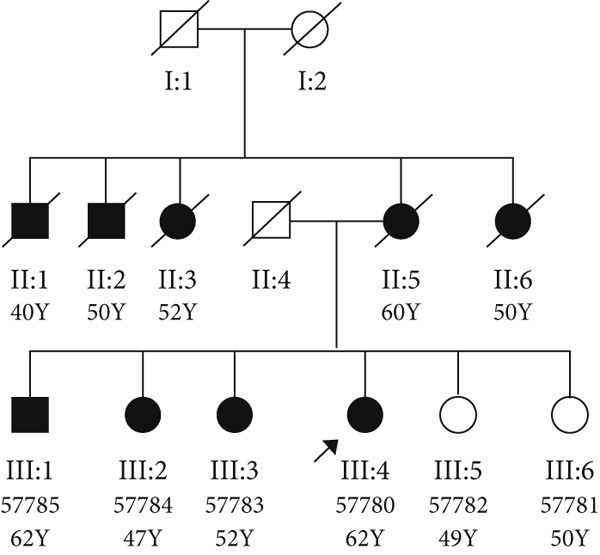 Figure 5
Peer Reviews
No public reviews on file for this paper yet. If you reviewed it on a platform where reviews are public (OpenReview, ICLR, NeurIPS, ICML), you can paste yours below so the community can read it here.
Videos
No videos yet. Explain this paper in a talk, walkthrough, or lecture? Add one.
Taxonomy
TopicsCardiac electrophysiology and arrhythmias · Ion channel regulation and function · Cardiovascular Effects of Exercise