Regulation of the orphan G-protein–coupled receptor GPRC5B by MLC1 and the cell adhesion molecule GlialCAM in megalencephalic leukoencephalopathy
Guillem Pont-Espinós, Adrià Pla-Casillanis, Laura Ferigle, Marta Alonso-Gardón, Marc González-Subías, Xabier Elorza-Vidal, Héctor Gaitán-Peñas, Ekaitz Errasti-Murugarren, Andy Chevigne, Tania López-Hernández, Francisco Ciruela, Raúl Estévez

TL;DR
This study explores how the proteins MLC1 and GlialCAM regulate the GPRC5B receptor, offering new insights into the mechanisms behind a rare neurological disorder.
Contribution
The study identifies GPRC5B as a novel interactor of MLC1 and GlialCAM, revealing their regulatory roles in receptor signaling.
Findings
GPRC5B's constitutive activity is inhibited by MLC1, possibly through interference with its oligomerization.
GlialCAM enhances β-arrestin 2 recruitment and mislocalizes from cell junctions.
MLC-associated GPRC5B mutants show increased stability and affinity for GlialCAM without causing mislocalization.
Abstract
Megalencephalic leukoencephalopathy with subcortical cyst (MLC) is a rare leukodystrophy primarily caused by mutations in two genes: MLC1, encoding a membrane protein of unknown function, and GlialCAM, a cell adhesion molecule. Although MLC1 has been implicated in downregulating signaling pathways, its molecular mechanisms remain elusive. Recently, the orphan G-protein–coupled receptor GPRC5B was identified as a novel interactor of both GlialCAM and MLC1, with dominant heterozygous mutations found in MLC patients, suggesting that GlialCAM and MLC1 may regulate cell signaling via GPRC5B. Here, we show that GPRC5B exhibits constitutive activity, which is inhibited by MLC1, likely through interference with GPRC5B oligomerization. Conversely, GlialCAM enhances β-arrestin 2 recruitment, leading to its own mislocalization from cell–cell junctions. MLC-associated GPRC5B mutants show enhanced…
Genes, proteins, chemicals, diseases, species, mutations and cell lines named across the full text — each resolved to its canonical identifier and authoritative record.
Click any figure to enlarge with its caption.
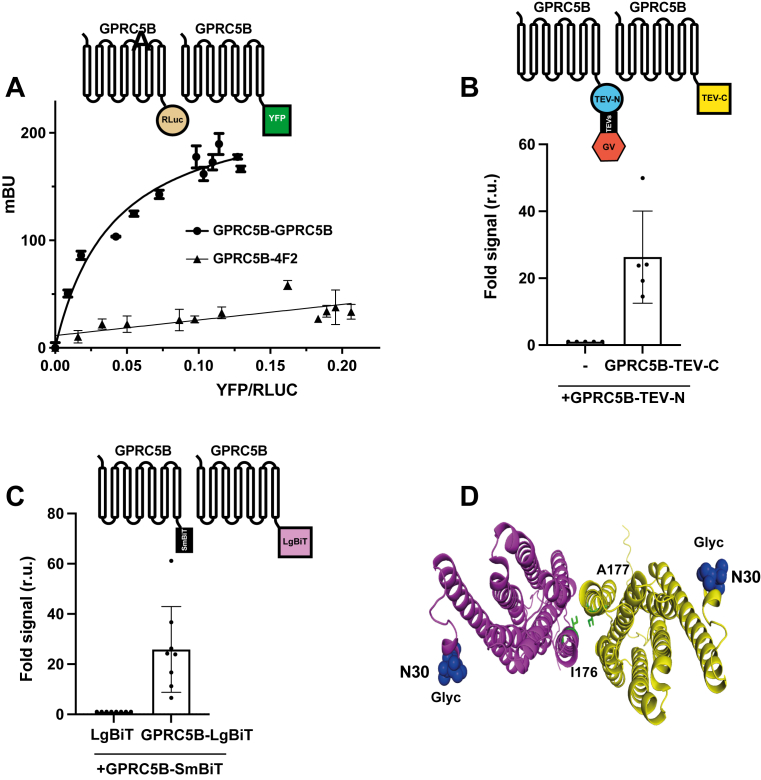 Figure 1
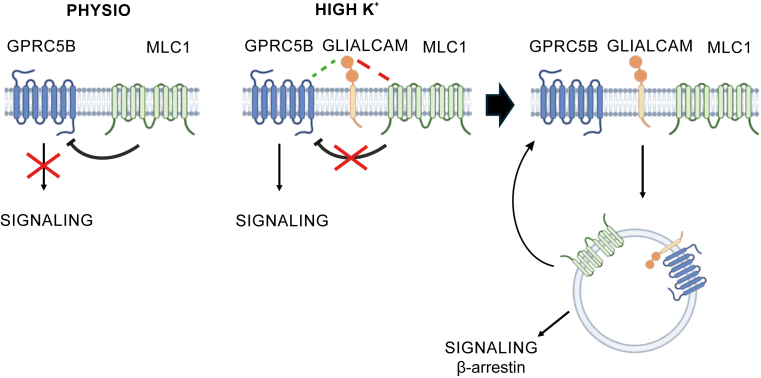 Figure 2
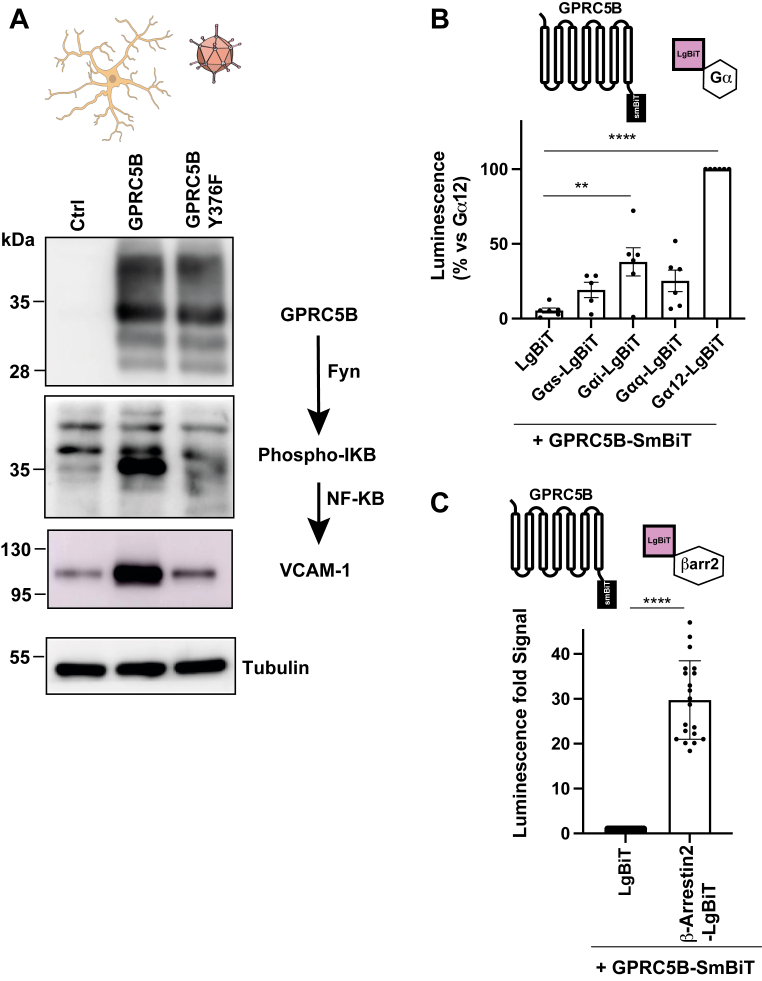 Figure 3
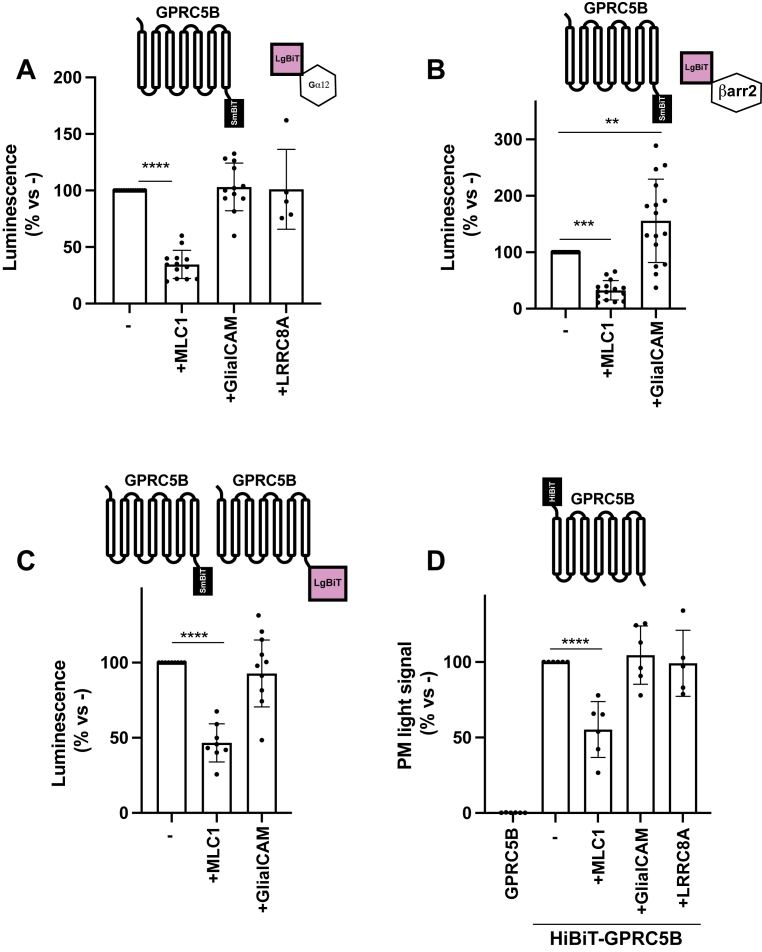 Figure 4
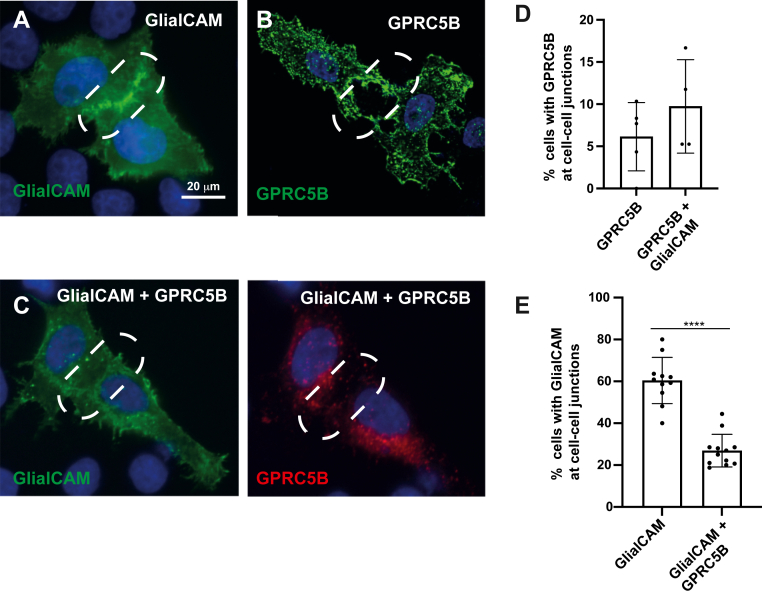 Figure 5
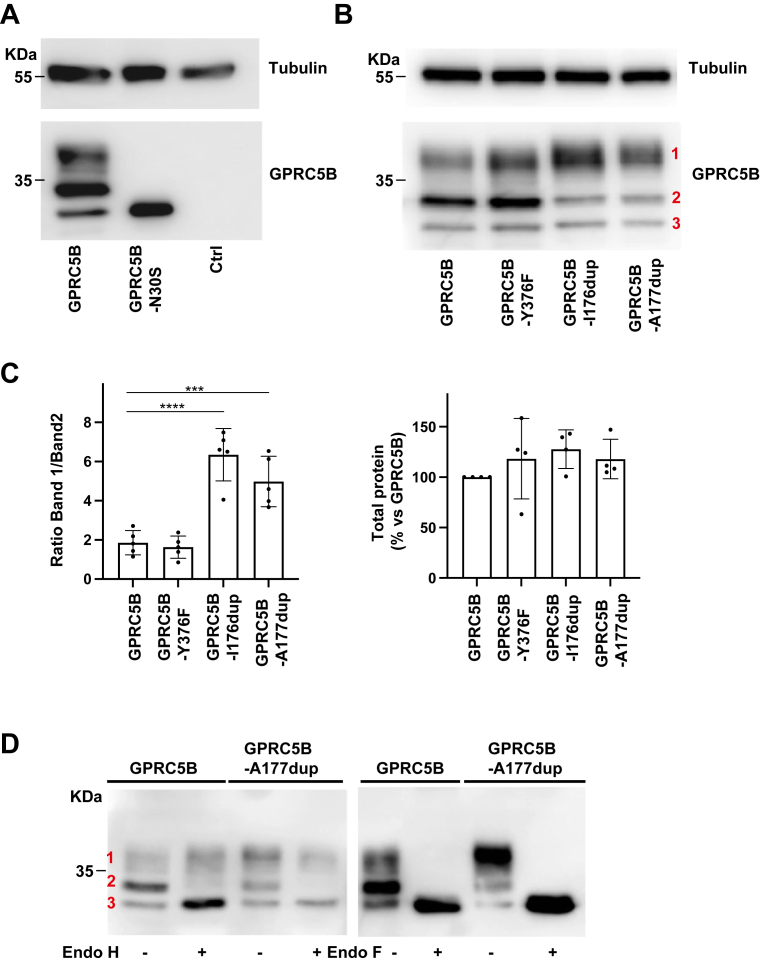 Figure 6
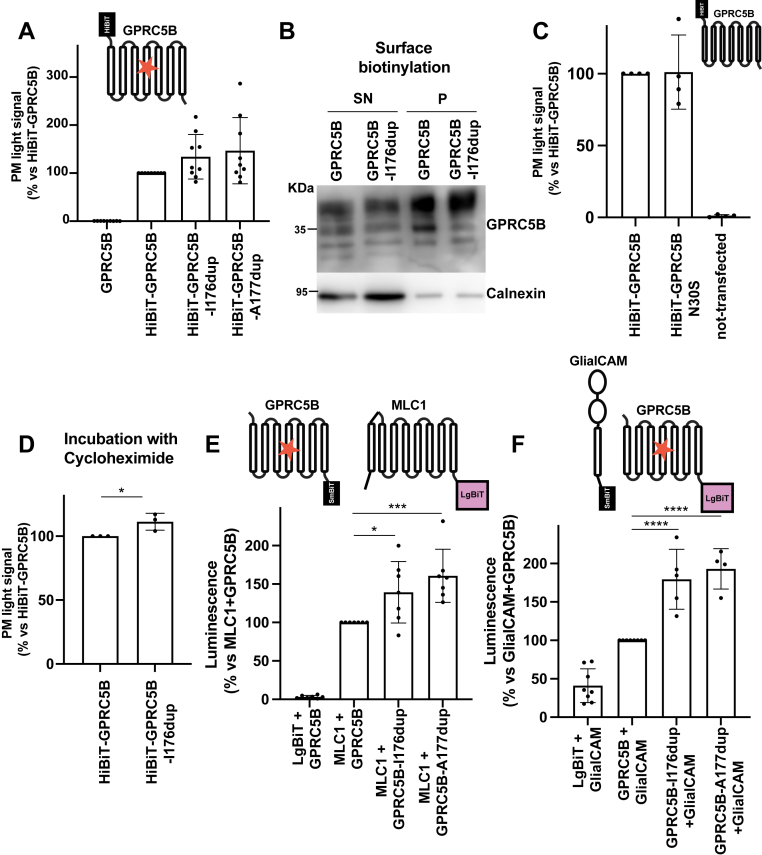 Figure 7
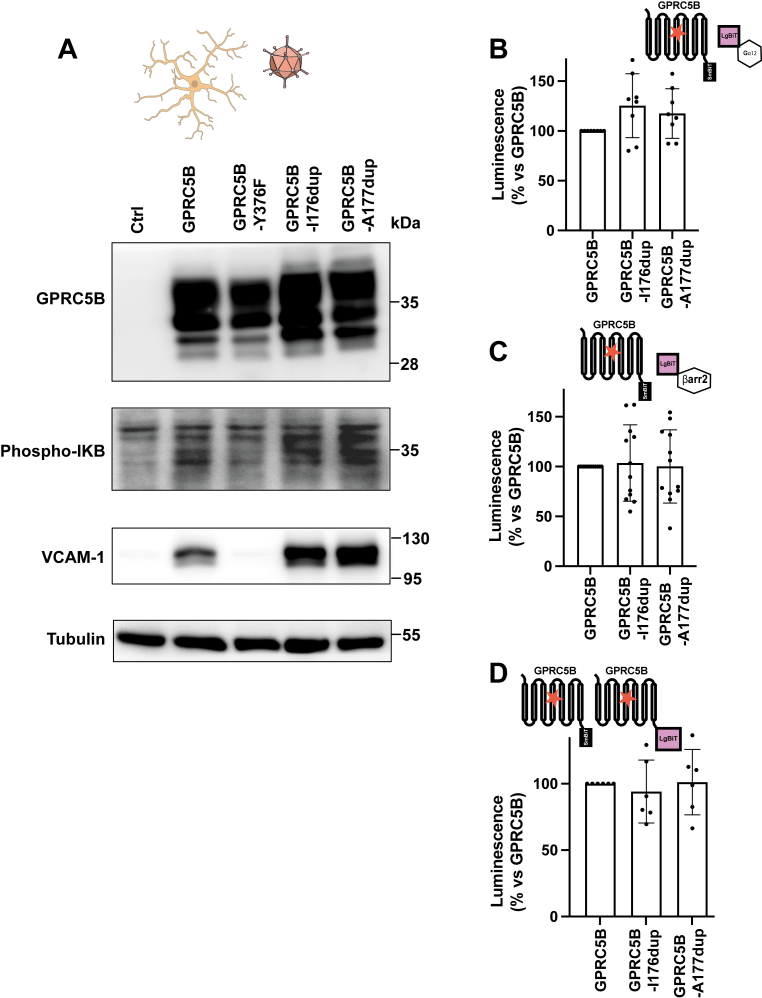 Figure 8
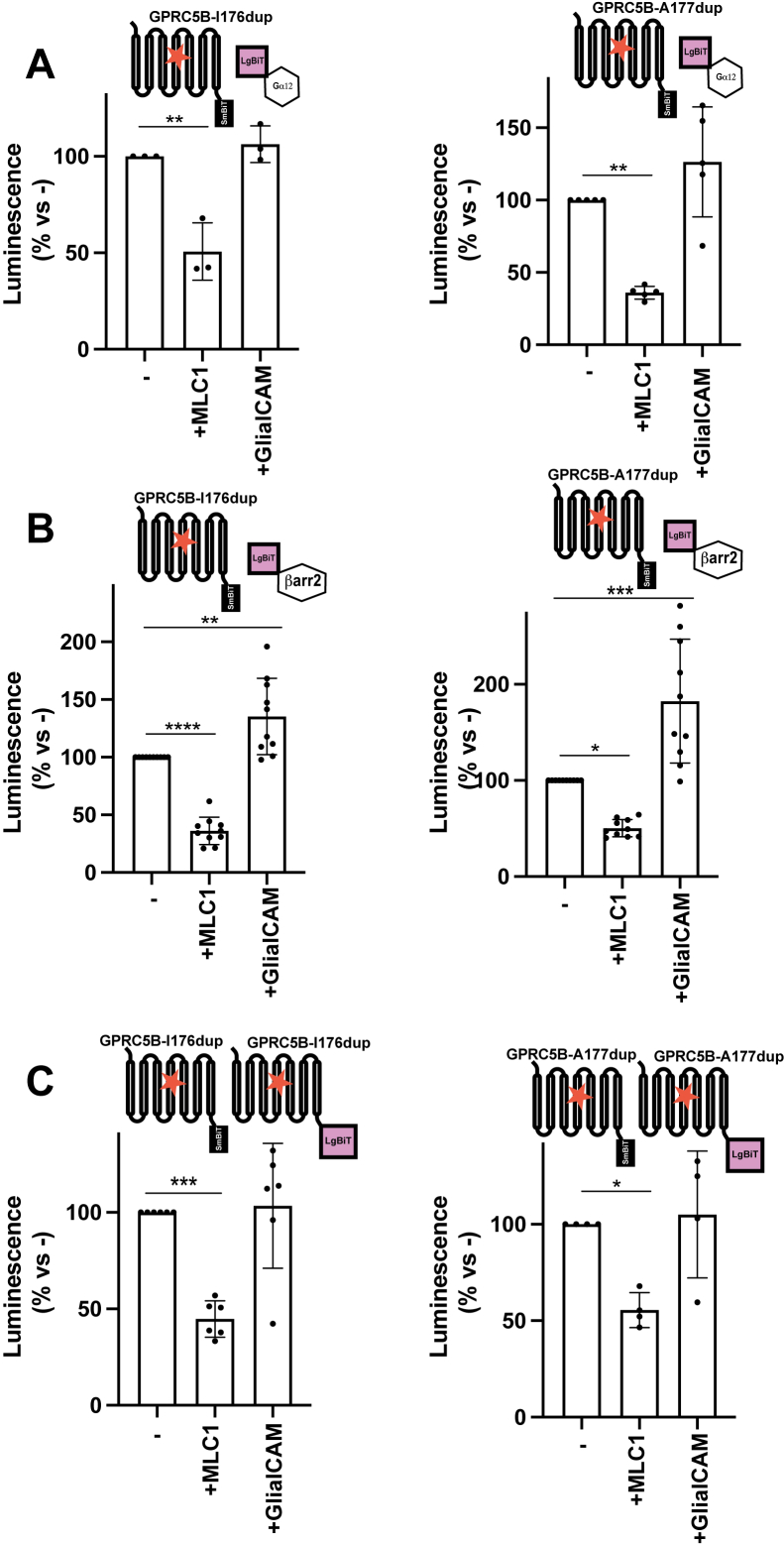 Figure 9
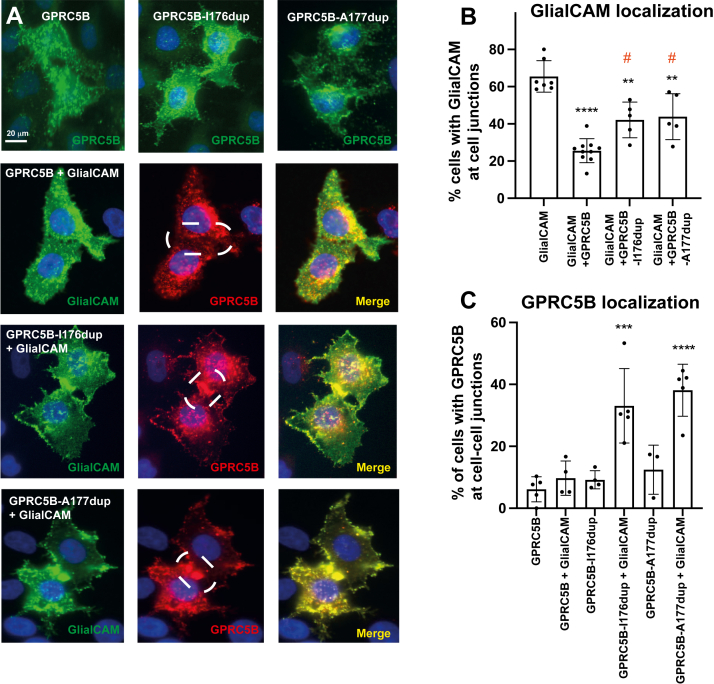 Figure 10
Peer Reviews
No public reviews on file for this paper yet. If you reviewed it on a platform where reviews are public (OpenReview, ICLR, NeurIPS, ICML), you can paste yours below so the community can read it here.
Videos
No videos yet. Explain this paper in a talk, walkthrough, or lecture? Add one.
Taxonomy
TopicsRNA regulation and disease · Retinal Development and Disorders · Neuroinflammation and Neurodegeneration Mechanisms