Splicing factor FUS facilitates the progression of PIT1-lineage PitNETs by upregulating MDM2
Xu Wang, Jiang Li, Chenggang Jiang, Chengkai Zhang, Linhao Yuan, Tieqiang Zhang, Yuqi Liu, Shunchang Ma, Peng Kang, Deling Li, Xiudong Guan, Jian Chen, Wang Jia

TL;DR
The splicing factor FUS promotes the growth of PIT1-lineage pituitary tumors by regulating MDM2 splicing, and targeting this process could offer a new treatment strategy.
Contribution
Identifies FUS as a key splicing factor in PIT1-lineage PitNETs and demonstrates that targeting FUS-mediated splicing can inhibit tumor progression.
Findings
FUS expression is elevated in PIT1-lineage PitNETs and correlates with increased proliferation and reduced apoptosis.
FUS knockdown activates the p53 pathway through exon skipping and disrupts MDM2 splicing.
Antisense oligonucleotides targeting FUS-mediated splicing effectively inhibit PitNET progression.
Abstract
Background: Splicing factors play pivotal roles in mRNA processing and are implicated in tumor progression. The aberrant expression of splicing factors is closely associated with the invasiveness and secretion profiles of pituitary neuroendocrine tumors (PitNETs). In this study, we explored the involvement of splicing factors in PIT1-lineage PitNET progression and assessed the feasibility of targeting the splicing process as a therapeutic approach. Methods: Statistical data on PitNET subtypes were obtained from the National Brain Tumor Registry of China (NBTRC), and gene expression analysis was conducted on 40 clinical samples collected for this study. Transcriptome analysis and RNA immunoprecipitation sequencing (RIP-seq) were utilized to examine FUS-mediated alternative splicing and to identify mRNA binding sites in PitNET cells. Minigene splicing assays were employed to confirm the…
Genes, proteins, chemicals, diseases, species, mutations and cell lines named across the full text — each resolved to its canonical identifier and authoritative record.
Click any figure to enlarge with its caption.
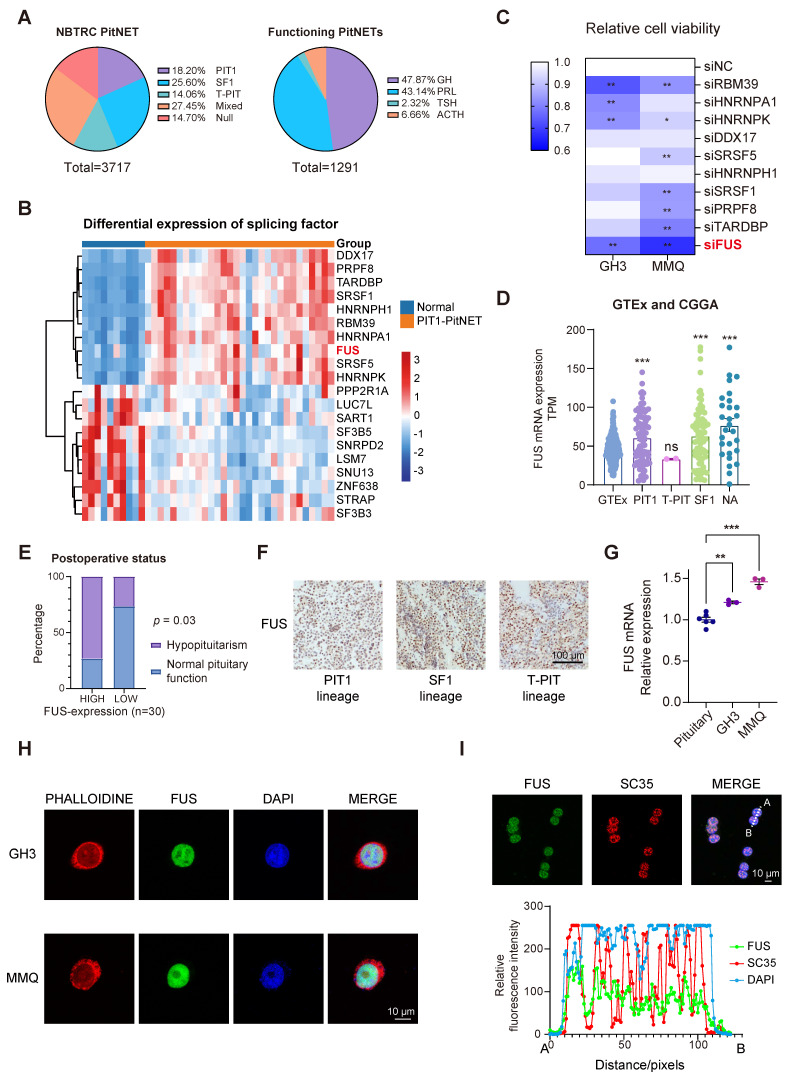 Figure 1
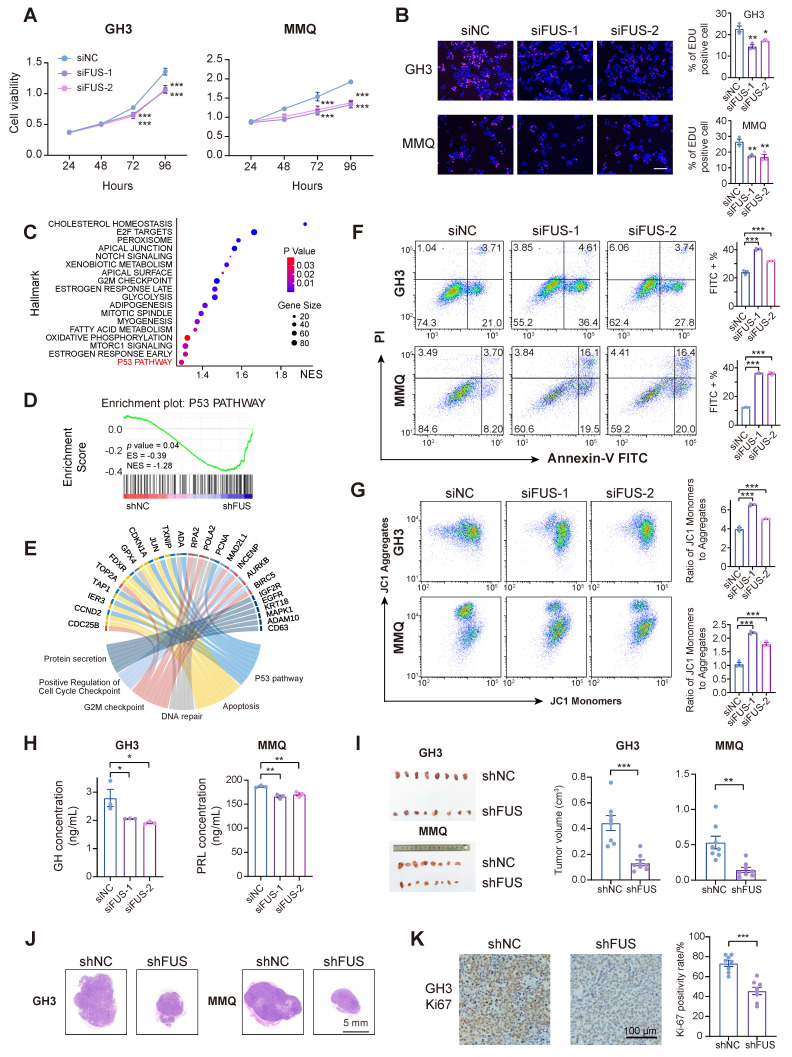 Figure 2
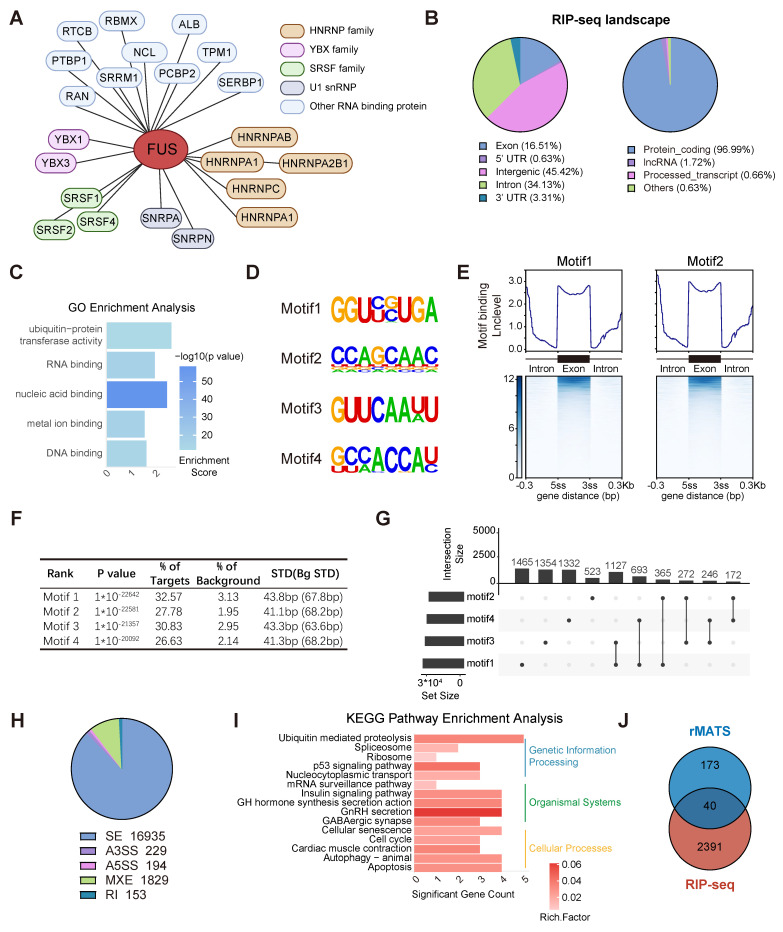 Figure 3
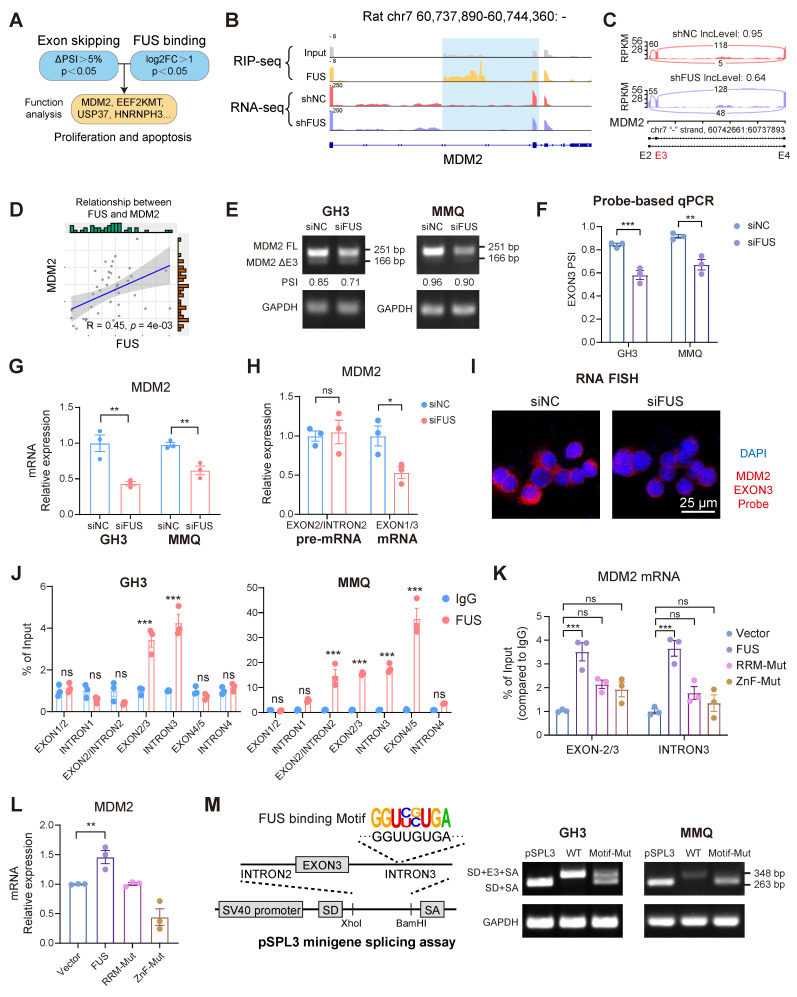 Figure 4
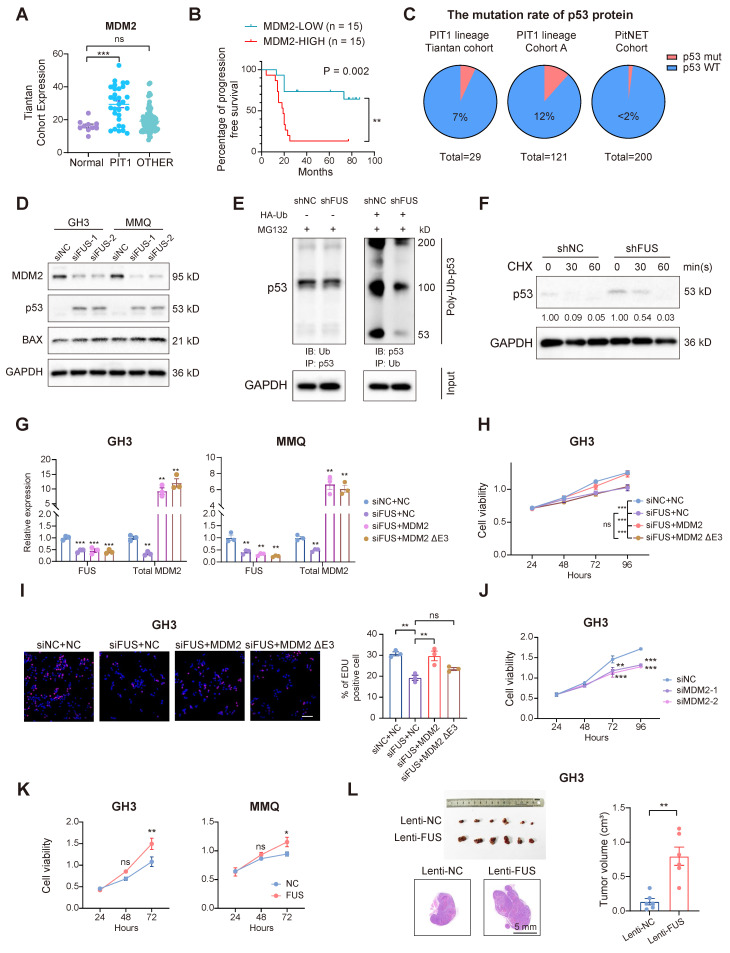 Figure 5
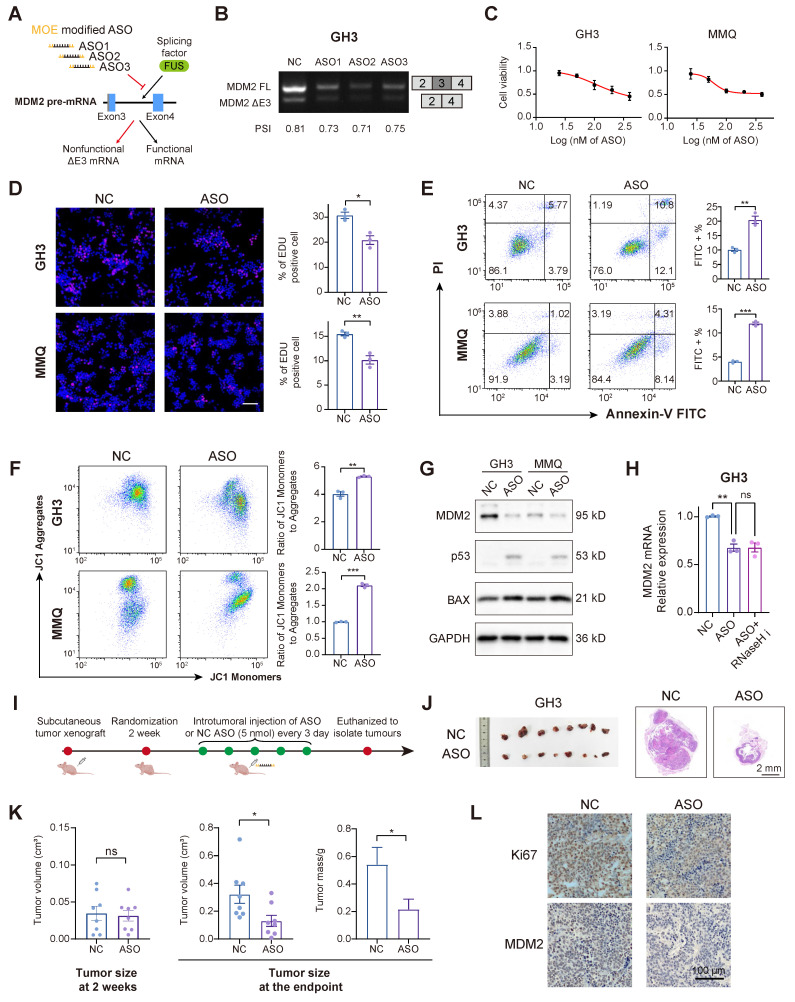 Figure 6
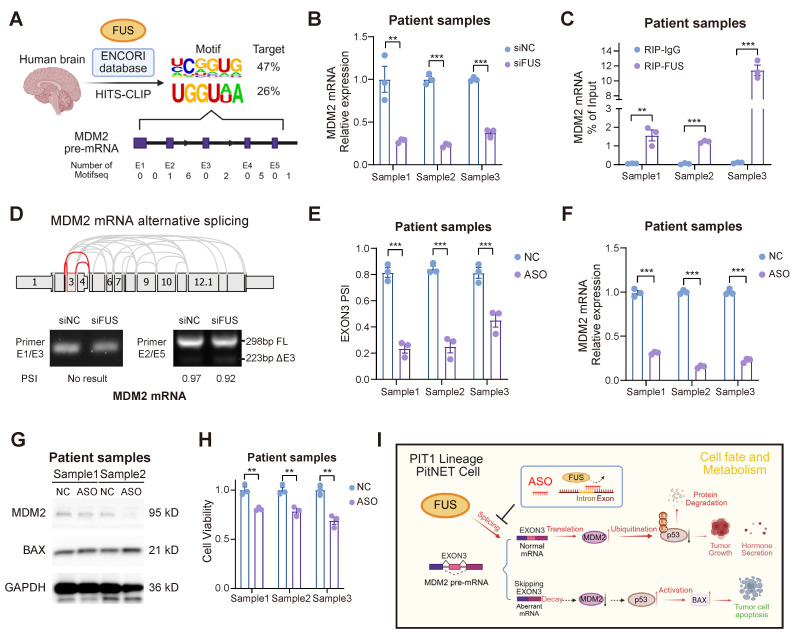 Figure 7
Peer Reviews
No public reviews on file for this paper yet. If you reviewed it on a platform where reviews are public (OpenReview, ICLR, NeurIPS, ICML), you can paste yours below so the community can read it here.
Videos
No videos yet. Explain this paper in a talk, walkthrough, or lecture? Add one.
Taxonomy
TopicsRNA Research and Splicing · Pituitary Gland Disorders and Treatments · Cancer-related Molecular Pathways