Comparative Real-World Safety Profiles of Six Selective Serotonin Reuptake Inhibitors: A Global Pharmacovigilance Analysis
Adrian Chin Yan Chan

TL;DR
This study compares the real-world safety of six SSRIs, showing they have distinct side effect profiles linked to their pharmacological properties.
Contribution
The study reveals that SSRI safety profiles correlate with pharmacodynamic properties, challenging their classification as a homogeneous drug class.
Findings
Paroxetine had the highest rates of anticholinergic effects, sexual dysfunction, weight gain, and withdrawal syndrome.
Citalopram showed elevated cardiac conduction abnormalities, and fluoxetine exhibited increased extrapyramidal symptoms.
A strong inverse relationship was found between SSRI half-life and withdrawal syndrome reporting.
Abstract
Background Selective serotonin reuptake inhibitors (SSRIs) represent the cornerstone of modern antidepressant therapy, yet critical knowledge gaps persist regarding their comparative real-world safety profiles. This evidence deficit has profound implications for clinical decision-making and patient outcomes. Methods We conducted a comprehensive pharmacovigilance analysis utilizing VigiBase, the WHO global database of individual case safety reports, encompassing over 342,000 reports for six major SSRIs (sertraline, fluoxetine, paroxetine, citalopram, escitalopram, and fluvoxamine). Disproportionality analysis using information component (IC) values was performed across seven clinically relevant safety domains: anticholinergic effects, sexual dysfunction, metabolic effects, extrapyramidal symptoms, sleep disturbances, withdrawal syndrome, and cardiac conduction abnormalities. Results…
Genes, proteins, chemicals, diseases, species, mutations and cell lines named across the full text — each resolved to its canonical identifier and authoritative record.
Click any figure to enlarge with its caption.
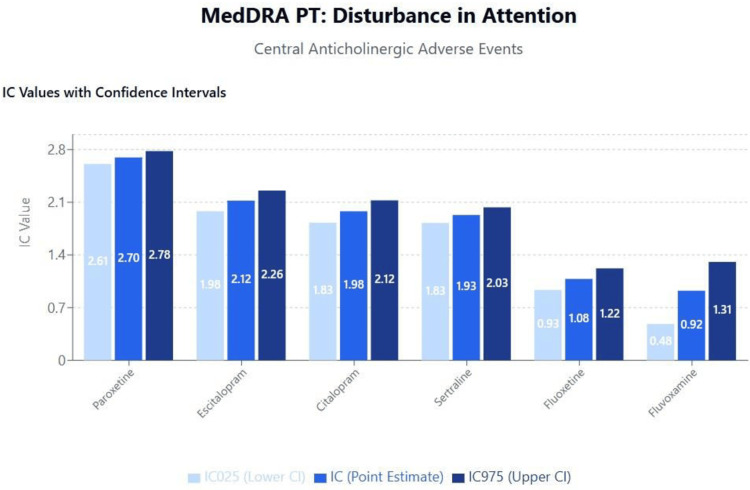 Figure 1
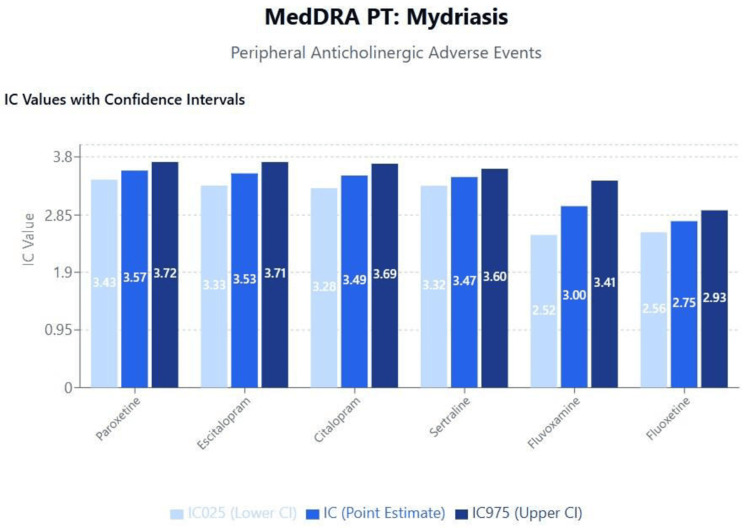 Figure 2
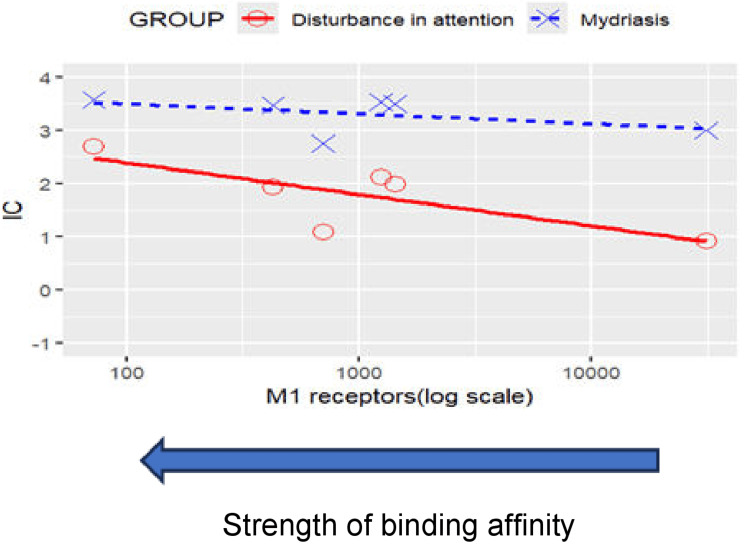 Figure 3
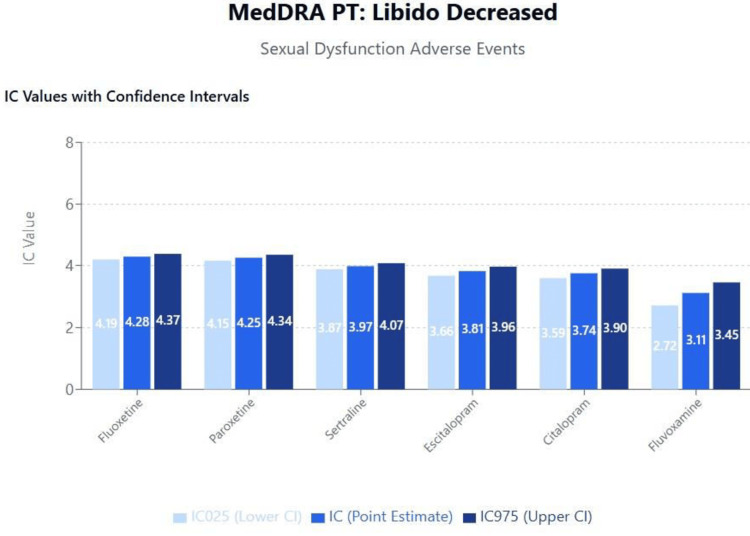 Figure 4
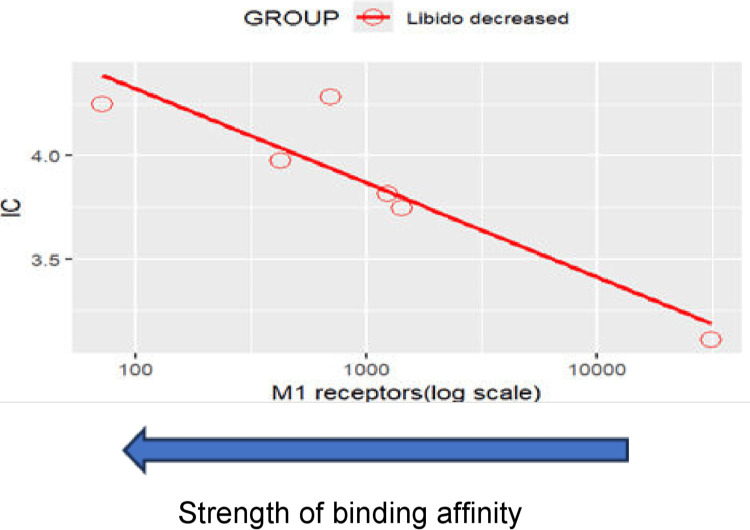 Figure 5
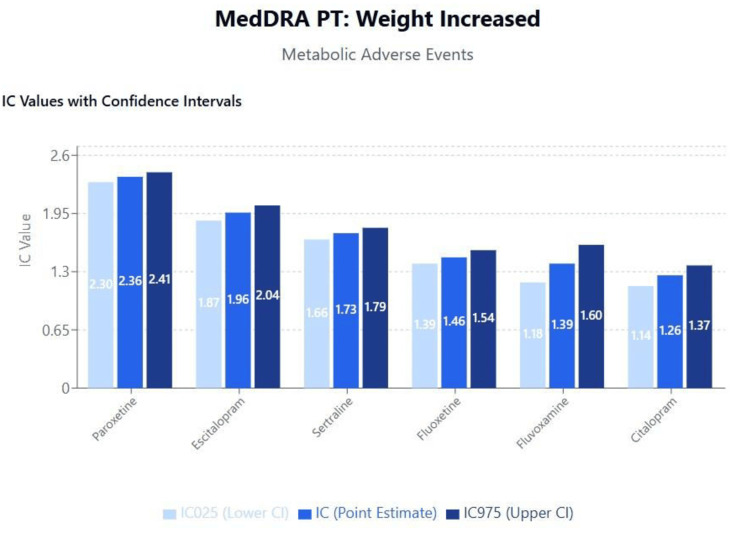 Figure 6
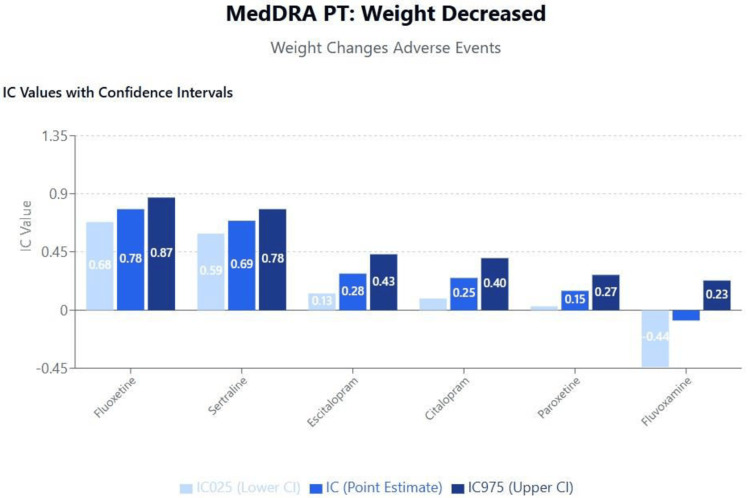 Figure 7
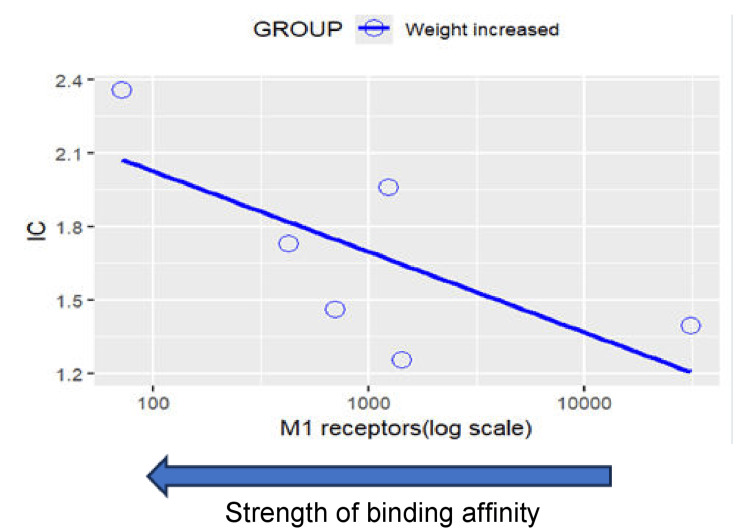 Figure 8
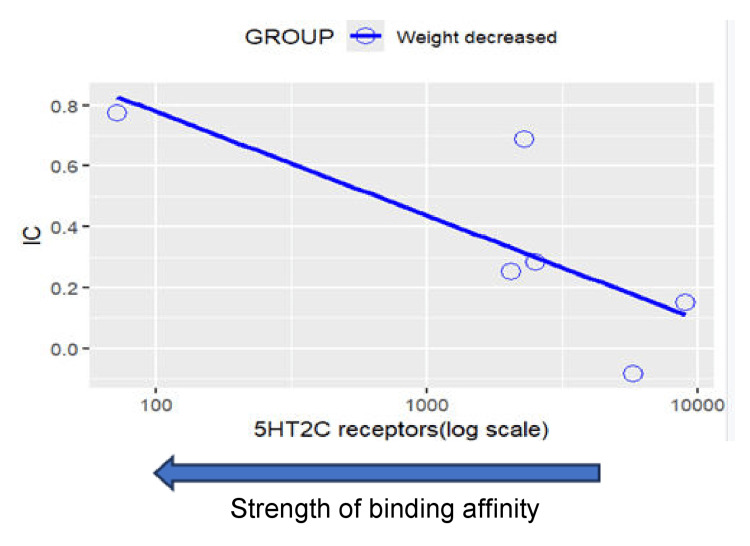 Figure 9
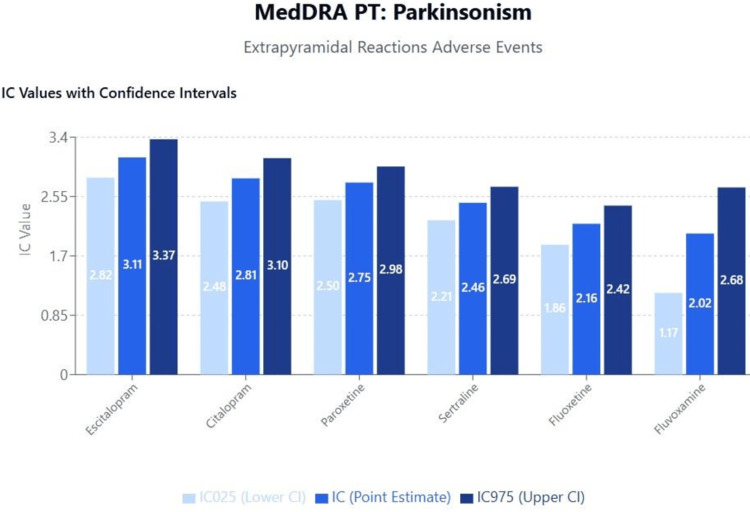 Figure 10
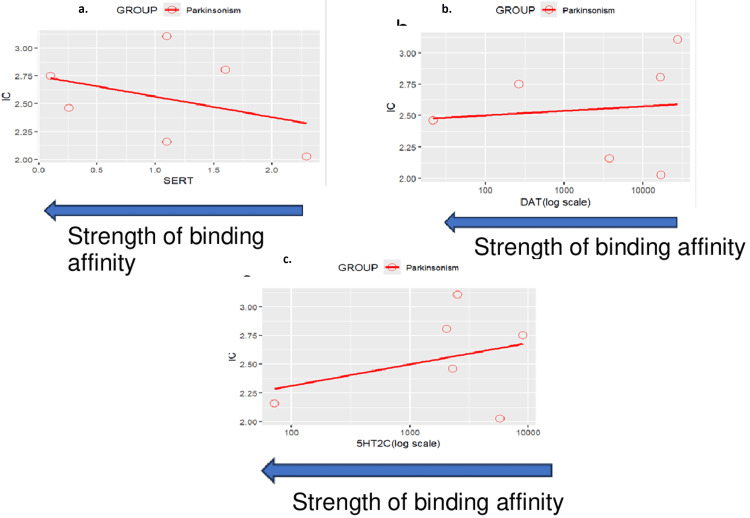 Figure 11
 Figure 12
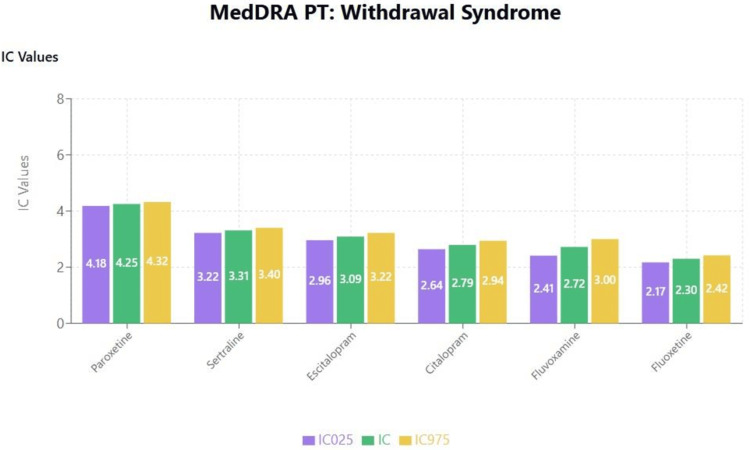 Figure 13
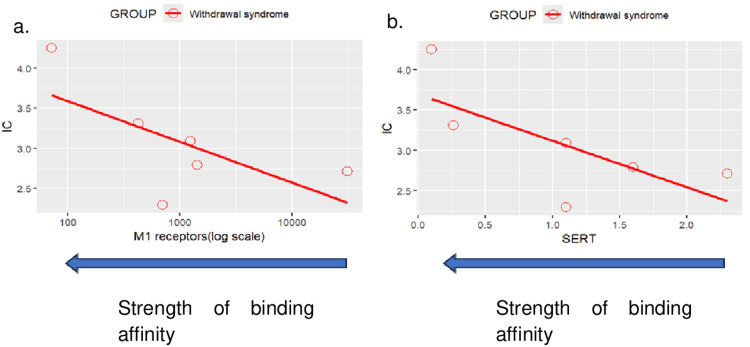 Figure 14
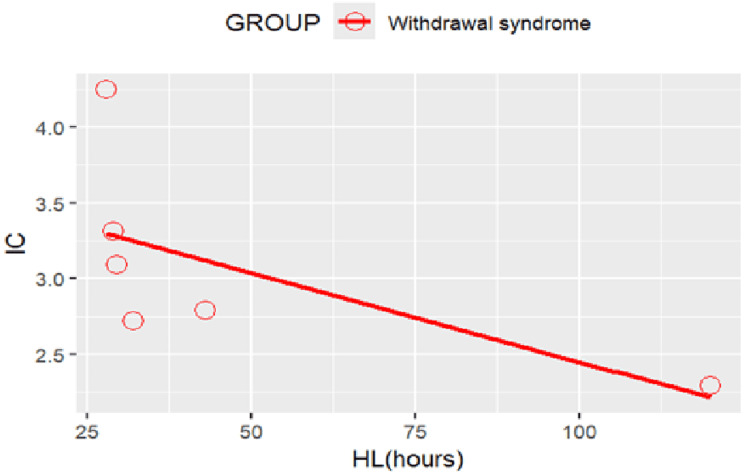 Figure 15
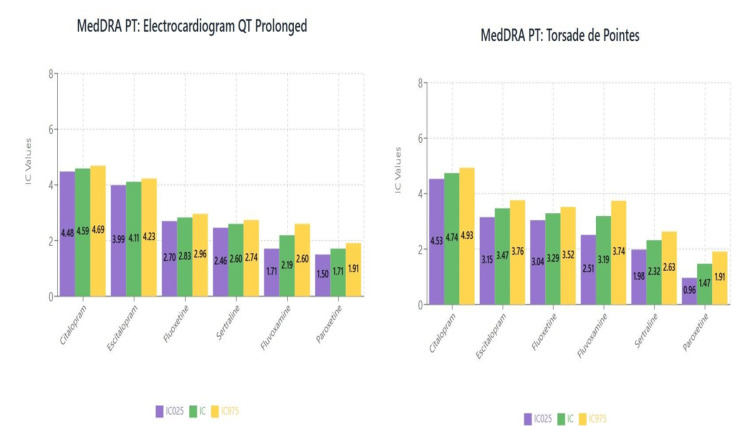 Figure 16
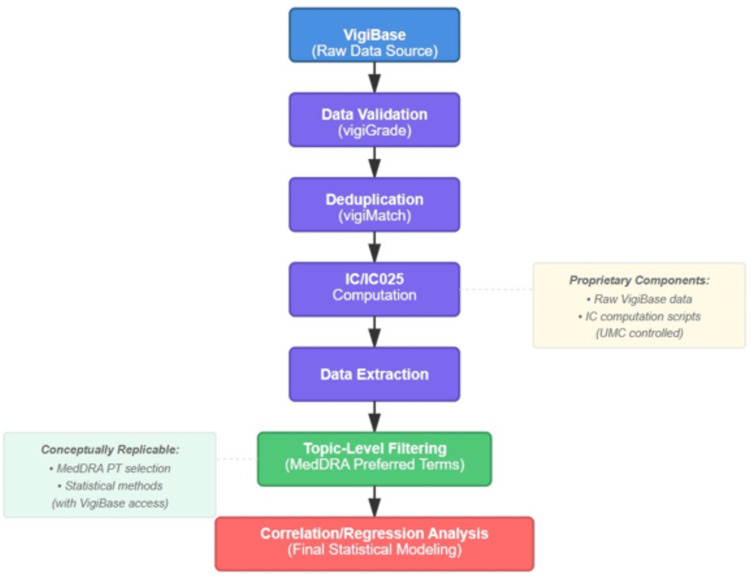 Figure 17
Peer Reviews
No public reviews on file for this paper yet. If you reviewed it on a platform where reviews are public (OpenReview, ICLR, NeurIPS, ICML), you can paste yours below so the community can read it here.
Videos
No videos yet. Explain this paper in a talk, walkthrough, or lecture? Add one.
Taxonomy
TopicsPharmacovigilance and Adverse Drug Reactions · Treatment of Major Depression · Opioid Use Disorder Treatment