Idiopathic Spinal Cord Herniation With Severe Adhesions Treated Using the Hammock Method: A Case Report
Koki Aizawa, Masaki Tatsumura, Shun Okuwaki, Katsuya Nagashima, Yosuke Takeuchi, Toru Funayama

TL;DR
A 63-year-old man with a rare spinal cord condition was successfully treated with a surgical technique called the hammock method, leading to improved mobility and sensation.
Contribution
This case report presents the successful application of the hammock method for treating idiopathic spinal cord herniation with severe adhesions.
Findings
The hammock method effectively repaired the dural defect and removed adhesions without worsening paralysis.
The patient's JOA score improved from 5 to 8 out of 11 post-surgery, indicating functional recovery.
No recurrence of the condition was observed two years after the operation.
Abstract
Idiopathic spinal cord herniation has traditionally been considered a relatively rare disease. It presents as a slowly progressive myelopathy and necessitates surgical treatment. Herein, we describe a case of idiopathic spinal cord herniation treated with the hammock method. The patient was a 63-year-old male who became aware of numbness in his left toe twelve months prior to his initial visit. At that time, he had difficulty standing on his right leg. Sensation for pain and temperature was decreased in the left half of his body below the navel. Bilateral lower extremity tendon reflexes were hyperactive, and the bilateral Babinski reflex was positive. He also reported a weak urine stream. The Japanese Orthopedic Association (JOA) score for the thoracic spine was 5 out of 11. Magnetic resonance imaging (MRI) revealed a dural defect at the T4 level, with spinal cord extramedullary…
Genes, proteins, chemicals, diseases, species, mutations and cell lines named across the full text — each resolved to its canonical identifier and authoritative record.
Click any figure to enlarge with its caption.
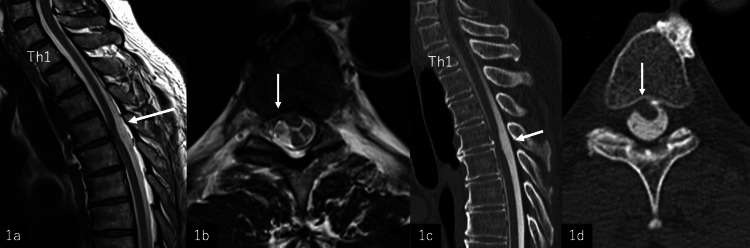 Figure 1
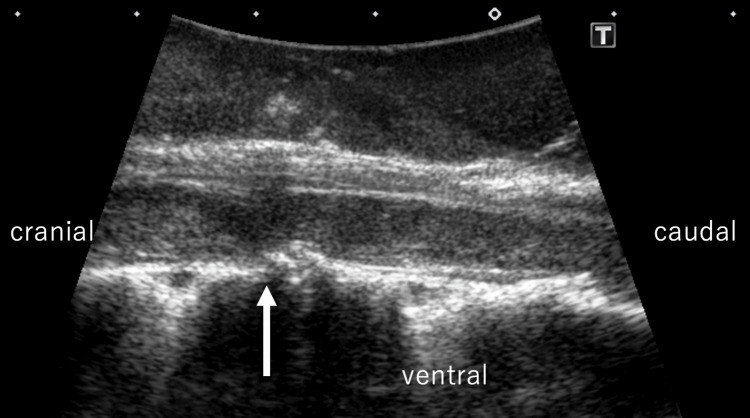 Figure 2
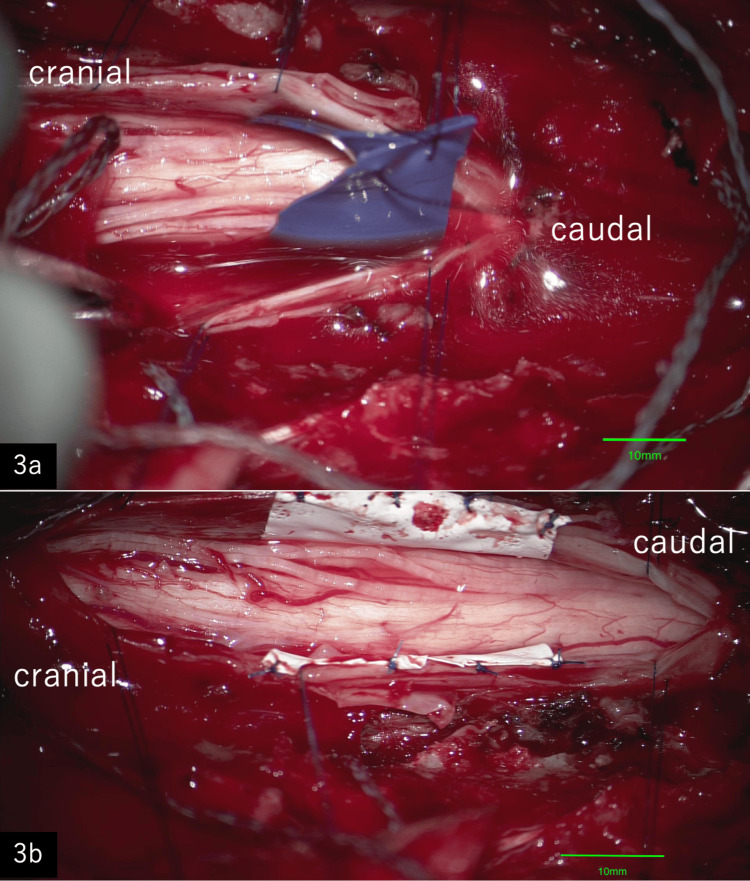 Figure 3
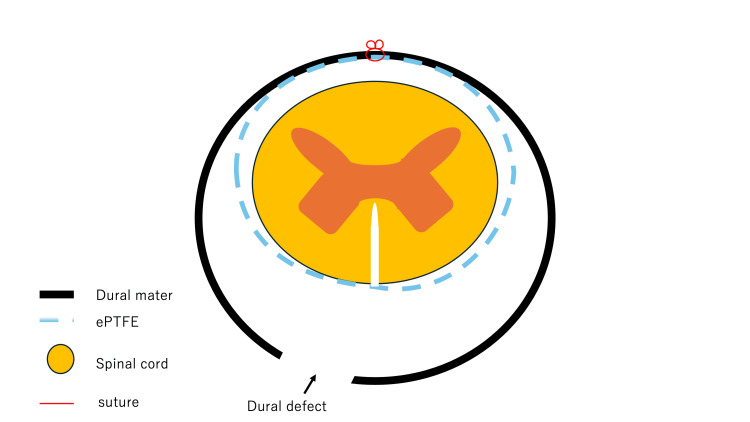 Figure 4
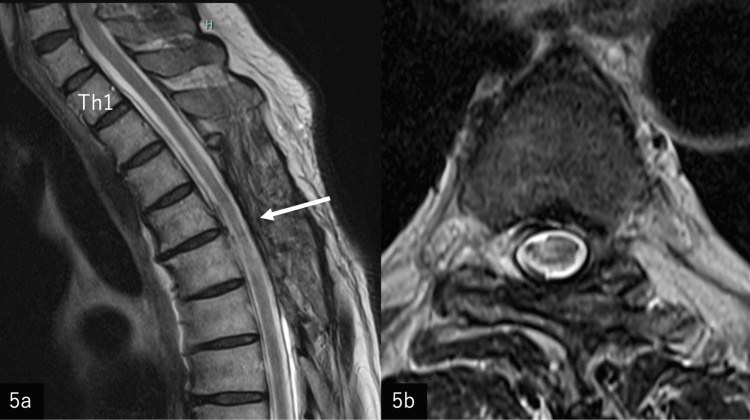 Figure 5
Peer Reviews
No public reviews on file for this paper yet. If you reviewed it on a platform where reviews are public (OpenReview, ICLR, NeurIPS, ICML), you can paste yours below so the community can read it here.
Videos
No videos yet. Explain this paper in a talk, walkthrough, or lecture? Add one.
Taxonomy
TopicsSpinal Dysraphism and Malformations · Spinal Cord Injury Research · Nerve Injury and Rehabilitation