Renal sarcomas in children and adolescents: a retrospective, multicenter cohort study
Katlyn G. McKay, Catherine Beckhorn, Nelly-Ange T. Kontchou, Zachary J. Kastenberg, Jonathan Roach, Bhargava Mullapudi, Timothy B. Lautz, Roshni Dasgupta, Lindsay J. Talbot, Jennifer H. Aldrink, Nelson Piché, Brian T. Craig, Barrett Cromeens, Shannon L. Castle, Joshua Short

TL;DR
This study examines the characteristics and outcomes of rare kidney cancers in children and adolescents, highlighting the need for tailored treatment strategies.
Contribution
The study provides a comprehensive analysis of patient and disease characteristics across a large pediatric renal sarcoma cohort.
Findings
Clear cell sarcoma of the kidney and Ewing sarcoma were the most common types, with significant differences in age at diagnosis.
Overall survival varied significantly by sarcoma type, with metastases strongly associated with worse outcomes.
Molecular alterations were most frequently observed in clear cell sarcoma of the kidney and Ewing sarcoma.
Abstract
Renal sarcomas arise rarely in children and adolescents and represent a histologically and biologically diverse disease category. Consequently, standardizing optimal therapies for pediatric renal sarcomas remains challenging. Leveraging a large North American research collaborative, the purposes of this study were to evaluate the current state of patient, disease, and survival characteristics among pediatric renal sarcomas and to expose knowledge gaps that will inform future discovery. Patients 21 years or younger and treated for a primary renal sarcoma between January 1st, 2000 and November 30th, 2022 were identified through the Pediatric Surgical Oncology Research Collaborative. Patient (e.g., demographics) and disease (e.g., histology, stage, molecular alterations) characteristics were abstracted from contributing institutions. Descriptive statistics, Pearson-Chi square (categorical…
Genes, proteins, chemicals, diseases, species, mutations and cell lines named across the full text — each resolved to its canonical identifier and authoritative record.
Click any figure to enlarge with its caption.
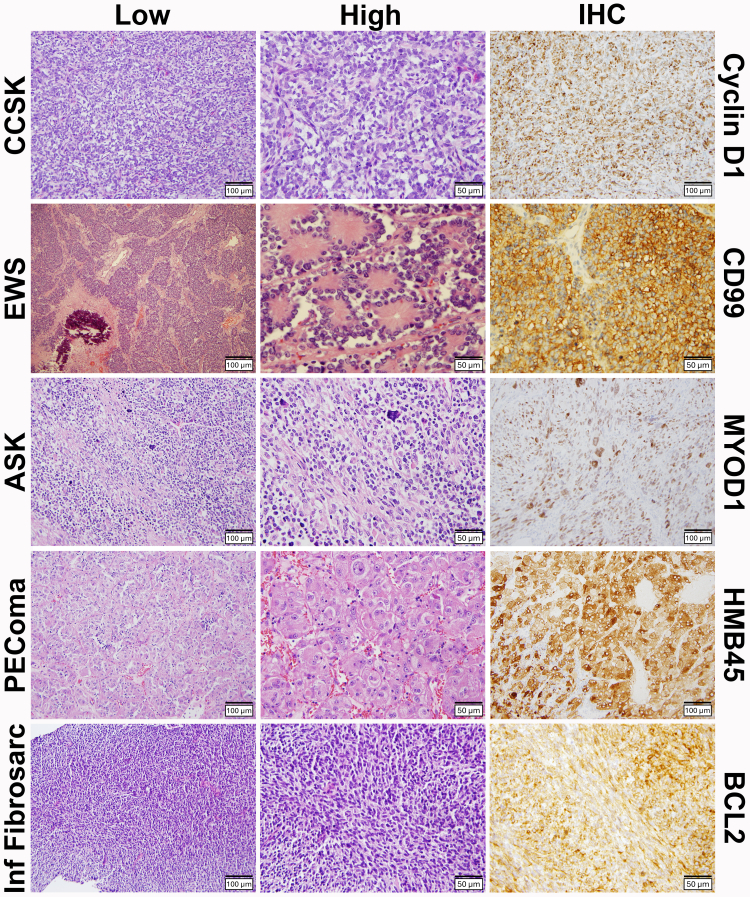 Figure 1
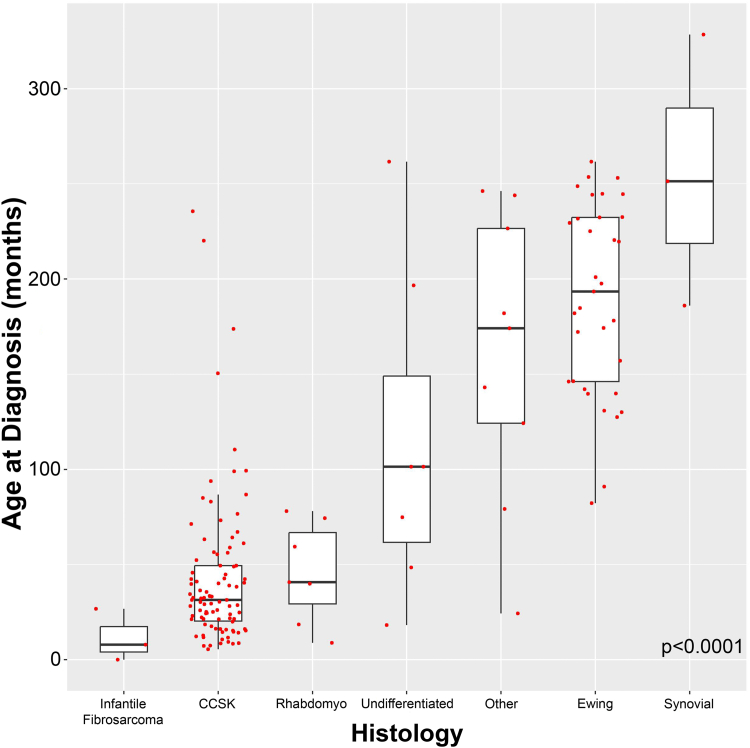 Figure 2
 Figure 3
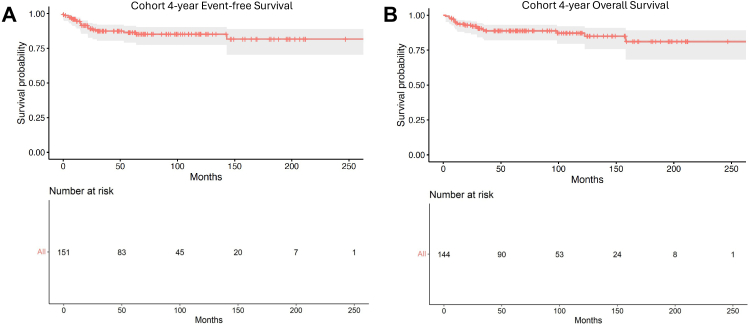 Figure 4
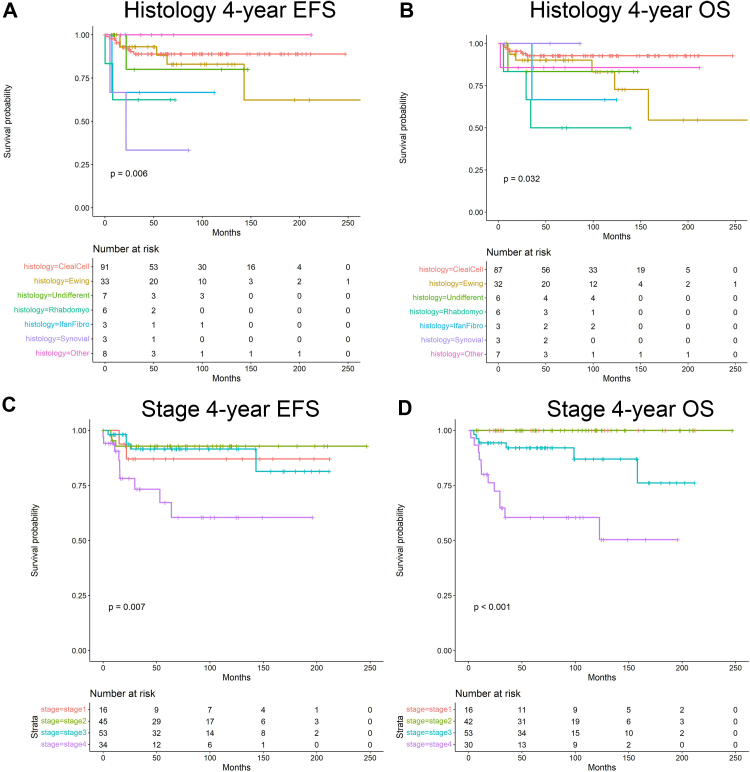 Figure 5
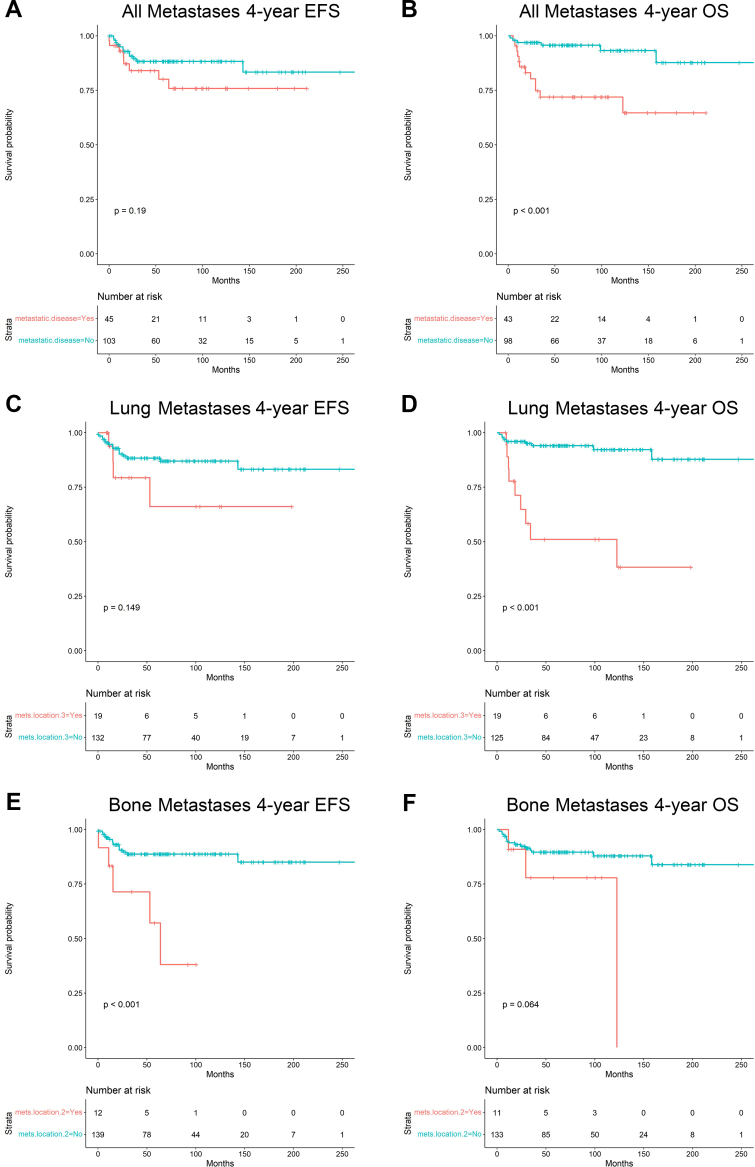 Figure 6
Peer Reviews
No public reviews on file for this paper yet. If you reviewed it on a platform where reviews are public (OpenReview, ICLR, NeurIPS, ICML), you can paste yours below so the community can read it here.
Videos
No videos yet. Explain this paper in a talk, walkthrough, or lecture? Add one.
Taxonomy
TopicsRenal and related cancers · Sarcoma Diagnosis and Treatment · Renal cell carcinoma treatment