The Role of Sphingolipids in Myocardial Recovery Mediated by Mechanical Unloading and Circulatory Support
Rana Hamouche, Sean M. Tatum, Elizabeth Dranow, J. Alan Maschek, Christos P. Kyriakopoulos, Thirupura S. Shankar, Joseph R. Visker, Jing Ling, Konstantinos Sideris, Craig H. Selzman, Abdallah G. Kfoury, Josef Stehlik, Rami Alharethi, James C. Fang, TingTing Hong

TL;DR
This study explores how sphingolipids in the blood and heart tissue relate to heart recovery in patients using LVAD devices for advanced heart failure.
Contribution
The study identifies specific sphingolipids as potential therapeutic targets for myocardial recovery after LVAD support.
Findings
Nonresponders to LVAD had elevated circulating ceramides, while responders showed reduced S1P levels.
Cardiac tissue from nonresponders showed increased S1P levels, suggesting a link to recovery likelihood.
Sphingolipid metabolic pathways are implicated as potential therapeutic targets for myocardial recovery.
Abstract
•The circulating and cardiac sphingolipid profiles in patients showing myocardial recovery following LVAD support are described.•Circulating dhCer(16:0) associated with functional and structural changes in advanced HF following LVAD support.•We identify circulating and cardiac Cer and S1P as potential therapeutic targets for myocardial recovery. The circulating and cardiac sphingolipid profiles in patients showing myocardial recovery following LVAD support are described. Circulating dhCer(16:0) associated with functional and structural changes in advanced HF following LVAD support. We identify circulating and cardiac Cer and S1P as potential therapeutic targets for myocardial recovery. Myocardial recovery after left ventricular assist device (LVAD) support is a critical phenomenon that allows advanced heart failure patients to retain their native heart. We quantified targeted…
Genes, proteins, chemicals, diseases, species, mutations and cell lines named across the full text — each resolved to its canonical identifier and authoritative record.
Click any figure to enlarge with its caption.
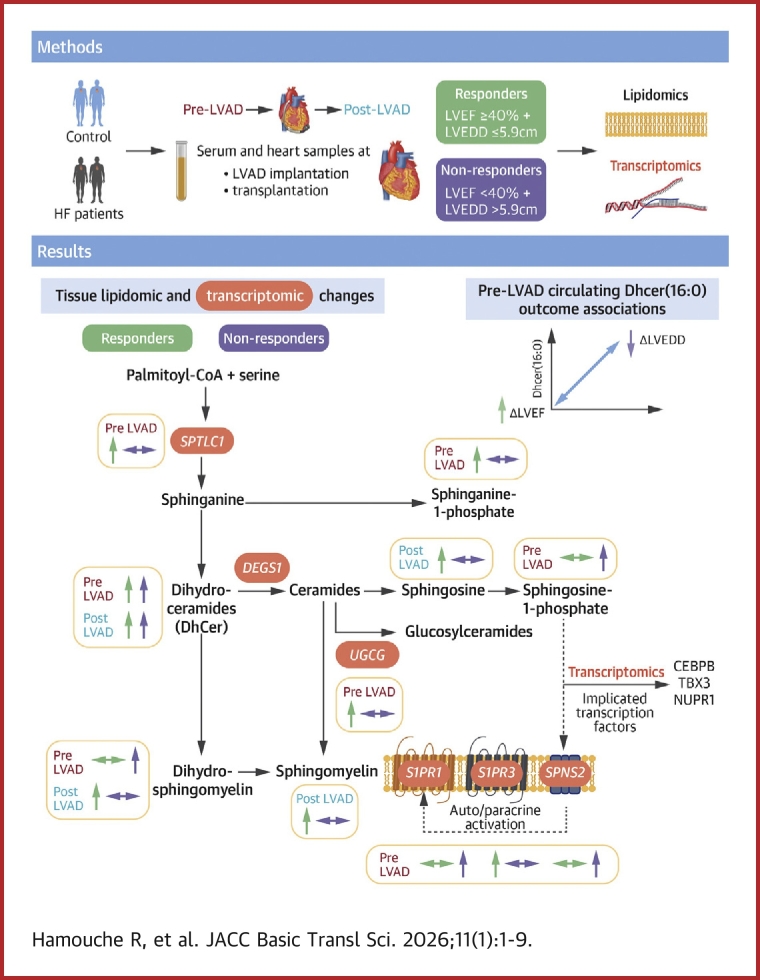 Figure 1
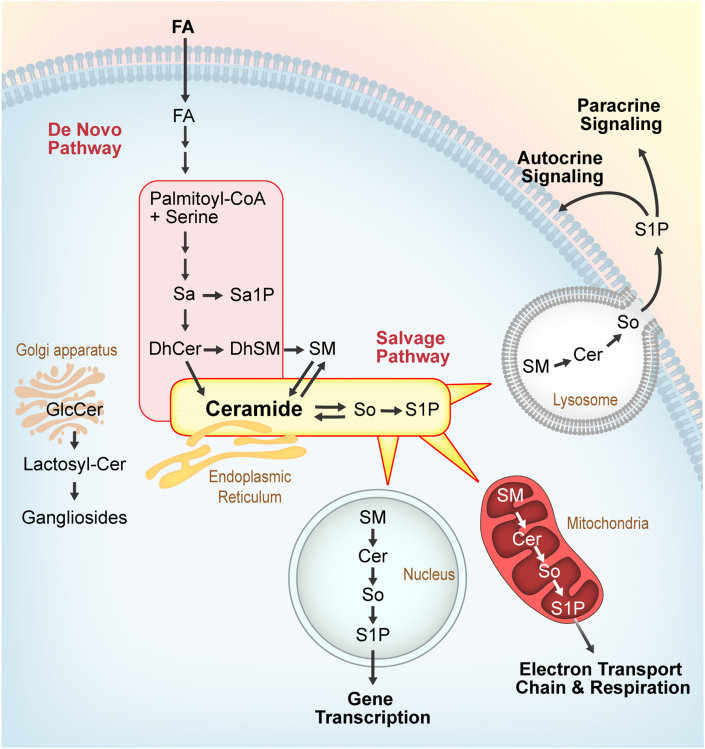 Figure 2
 Figure 3
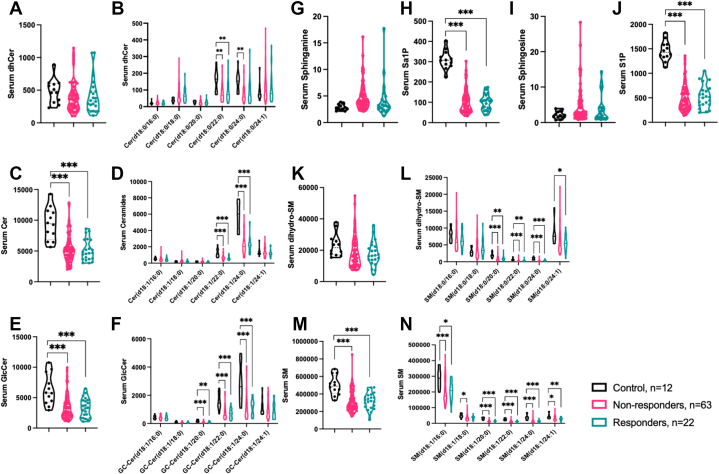 Figure 4
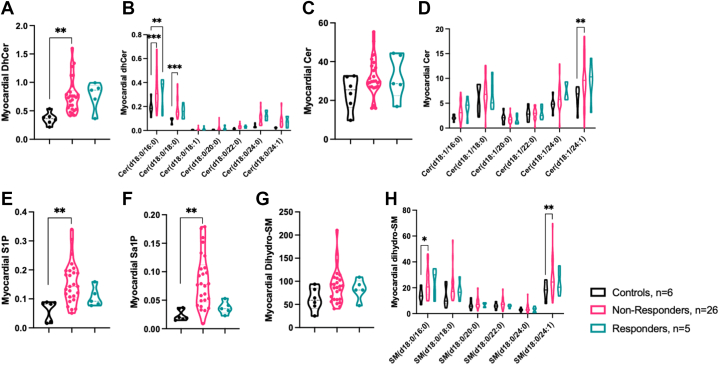 Figure 5
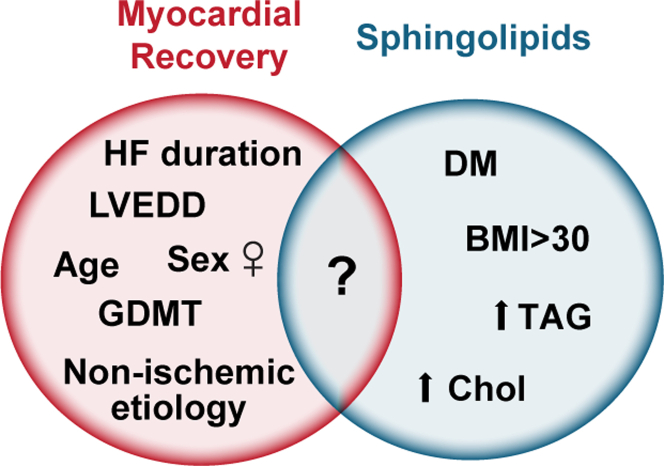 Figure 6
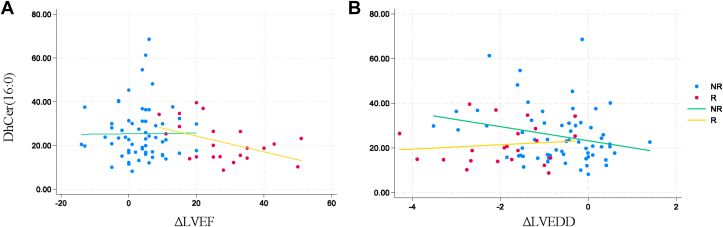 Figure 7
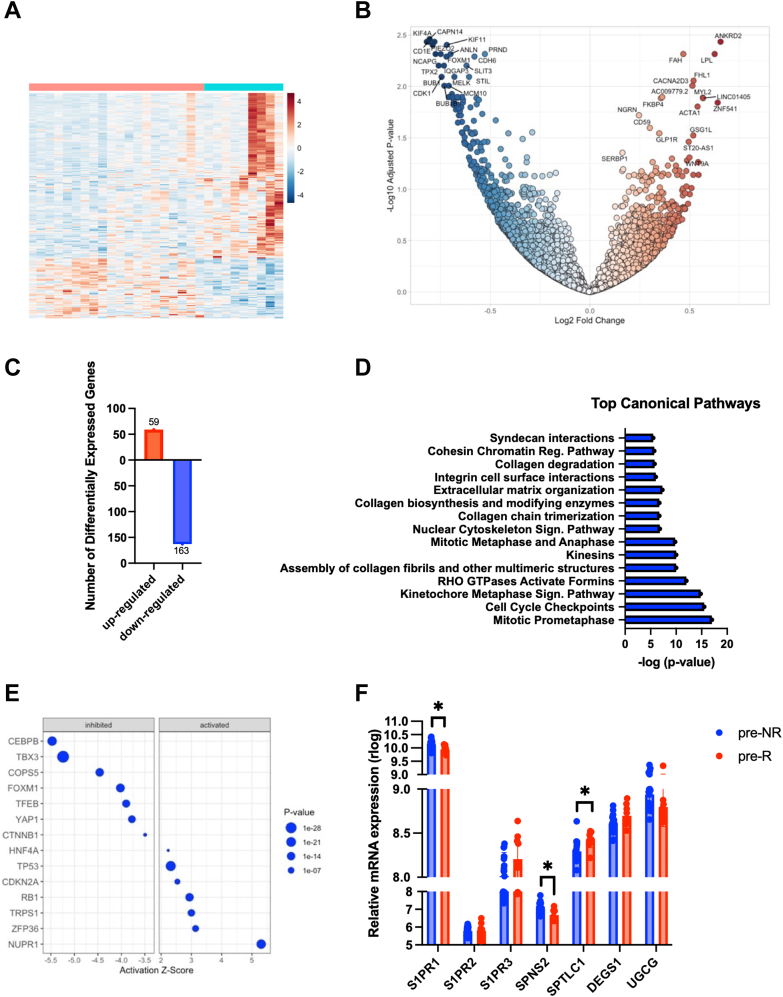 Figure 8
Peer Reviews
No public reviews on file for this paper yet. If you reviewed it on a platform where reviews are public (OpenReview, ICLR, NeurIPS, ICML), you can paste yours below so the community can read it here.
Videos
No videos yet. Explain this paper in a talk, walkthrough, or lecture? Add one.
Taxonomy
TopicsSphingolipid Metabolism and Signaling · Mechanical Circulatory Support Devices · Intensive Care Unit Cognitive Disorders