Enhanced neural plasticity of the primary visual cortex in visual snow syndrome: evidence from magnetoencephalographic gamma oscillations
Elena V Orekhova, Anna M Plieva, Sophia M Naumova, Tatiana S Obukhova, Andrey O Prokofyev, Anastasiia V Petrokovskaia, Ada R Artemenko, Tatiana A Stroganova

TL;DR
This study found that people with visual snow syndrome show heightened brain plasticity in the visual cortex, as seen through increased gamma brain waves during repeated visual stimulation.
Contribution
The study provides the first experimental evidence linking enhanced activity-dependent neuroplasticity to visual snow syndrome.
Findings
Patients with visual snow syndrome showed a steeper increase in gamma power with repeated visual stimuli compared to controls.
Both groups exhibited activity-dependent plasticity, but it was more pronounced in patients.
Heart rate variability correlated with gamma power changes, supporting a link between parasympathetic activation and neuroplasticity.
Abstract
Visual snow syndrome is a neurological disorder characterized by persistent visual disturbances and associated symptoms. Although the neural basis of the visual snow syndrome remains poorly understood, it may involve increased neuronal excitability and/or altered neuroplasticity in the visual cortex, which could, in turn, affect visual gamma oscillations. An altered excitation-inhibition balance is hypothesized to alter the modulation of gamma power and frequency by stimulation intensity, while maladaptive neuroplasticity may impact time-dependent changes in gamma power during repeated stimulation. To investigate potential alterations in the excitation–inhibition balance and neuroplasticity in visual snow syndrome, we used magnetoencephalography to record visual gamma oscillations in 26 patients with this disorder and 27 healthy controls. Participants were exposed to repeatedly…
Genes, proteins, chemicals, diseases, species, mutations and cell lines named across the full text — each resolved to its canonical identifier and authoritative record.
Click any figure to enlarge with its caption.
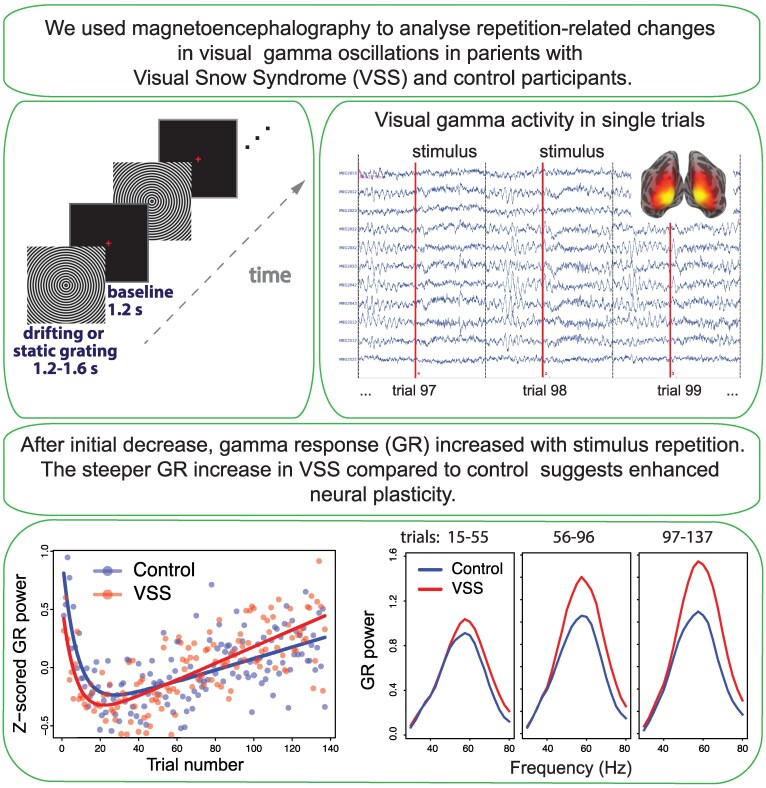 Figure 1
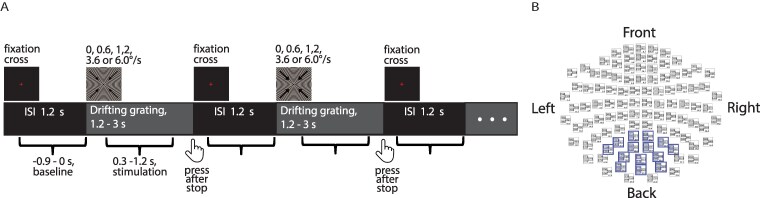 Figure 2
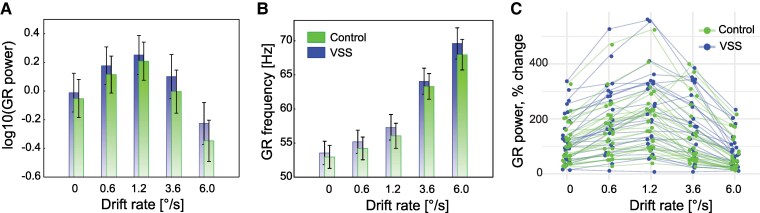 Figure 3
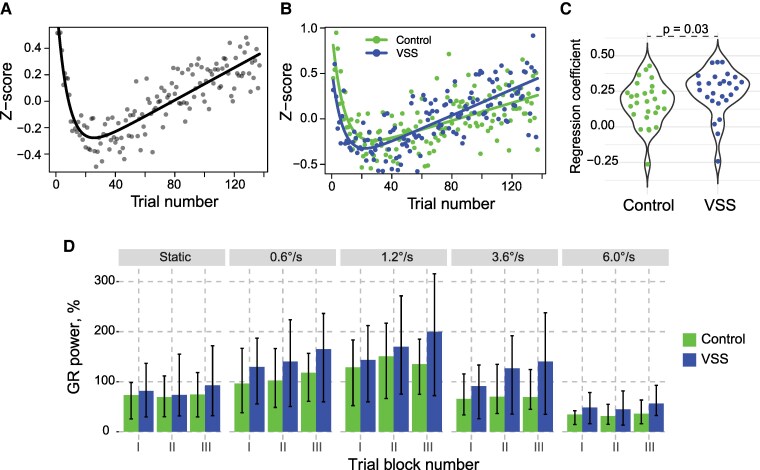 Figure 4
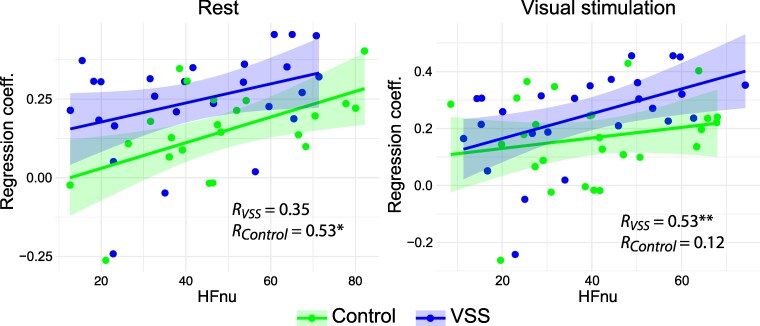 Figure 5
Peer Reviews
No public reviews on file for this paper yet. If you reviewed it on a platform where reviews are public (OpenReview, ICLR, NeurIPS, ICML), you can paste yours below so the community can read it here.
Videos
No videos yet. Explain this paper in a talk, walkthrough, or lecture? Add one.
Taxonomy
TopicsVisual perception and processing mechanisms · Multisensory perception and integration · Hallucinations in medical conditions