Glucosylceramide regulates depression through activating peroxisome proliferator-activated receptor gamma in dorsal striatum
Linhong Jiang, Yuman He, Haxiaoyu Liu, Dingwen Zhang, Yanping Dai, Qian Bu, Quanshan Shi, Huaichuan Duan, Ying Zhao, Shu Li, Shuang Han, Yuanyi Zhou, Yue Zhao, Feng Qin, Yaxing Chen, Liang Wang, Hongchun Li, Chunqi Liu, Meng Qin, Weihong Kuang, Ni Zhang, Yinglan Zhao, Xiaobo Cen

TL;DR
This study shows that glucosylceramide activates PPARγ in specific brain cells to regulate depression, offering new therapeutic possibilities.
Contribution
The study identifies glucosylceramide as a natural activator of PPARγ in D2-MSNs, linking it to depression regulation.
Findings
GlcCer activates PPARγ in D2-MSNs of the dorsal striatum to modulate depression.
Deleting GCS or Pparg in D2-MSNs causes depression-like behaviors in mice.
GlcCer and pioglitazone together show additive antidepressant effects.
Abstract
Rationale: Depression is a heterogeneous disorder influenced by cell type-specific gene transcription in the brain. Peroxisome proliferator-activated receptor gamma (PPARγ) plays an important role in modulating the pathophysiology of depression. However, the role of PPARγ signaling in modulating depression-responsive neuronal ensembles remains largely unknown. Methods: We established a chronic restraint stress mouse model and integrated multi-omics and functional approaches to investigate the role of glucosylceramide (GlcCer)-PPARγ signaling in stress-induced depression. Conditional knockout mice targeting glucosylceramide synthase (GCS) or Pparg in dopamine D2 receptor-expressing medium spiny neurons (D2-MSNs) were generated using a Cre-loxP system, and molecular assays were used to characterize GlcCer as an endogenous activator of PPARγ-driven transcriptional programs. Results:…
Genes, proteins, chemicals, diseases, species, mutations and cell lines named across the full text — each resolved to its canonical identifier and authoritative record.
Click any figure to enlarge with its caption.
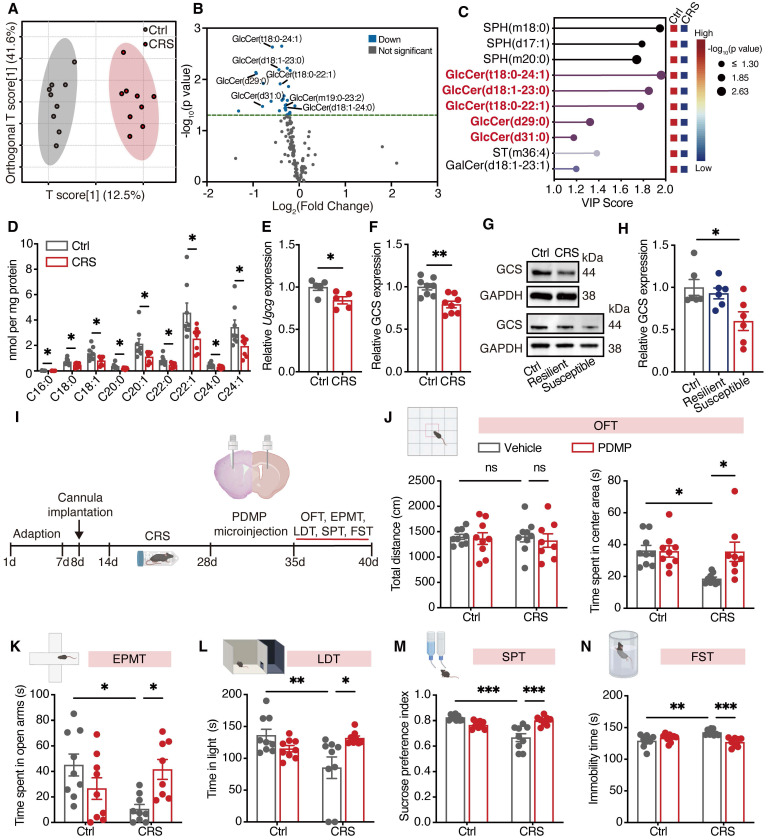 Figure 1
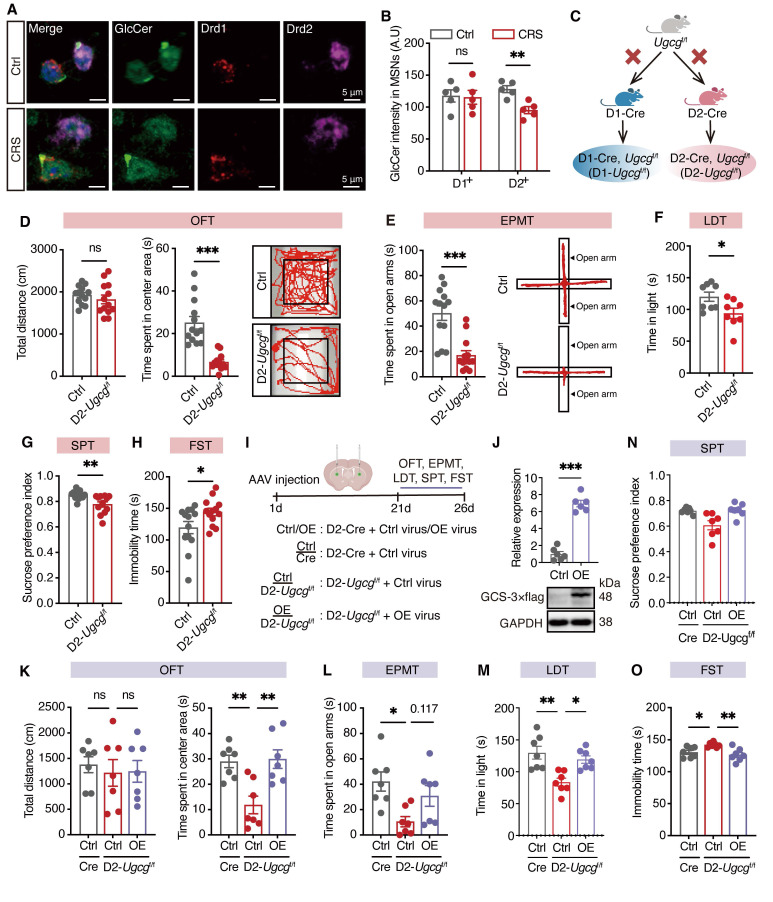 Figure 2
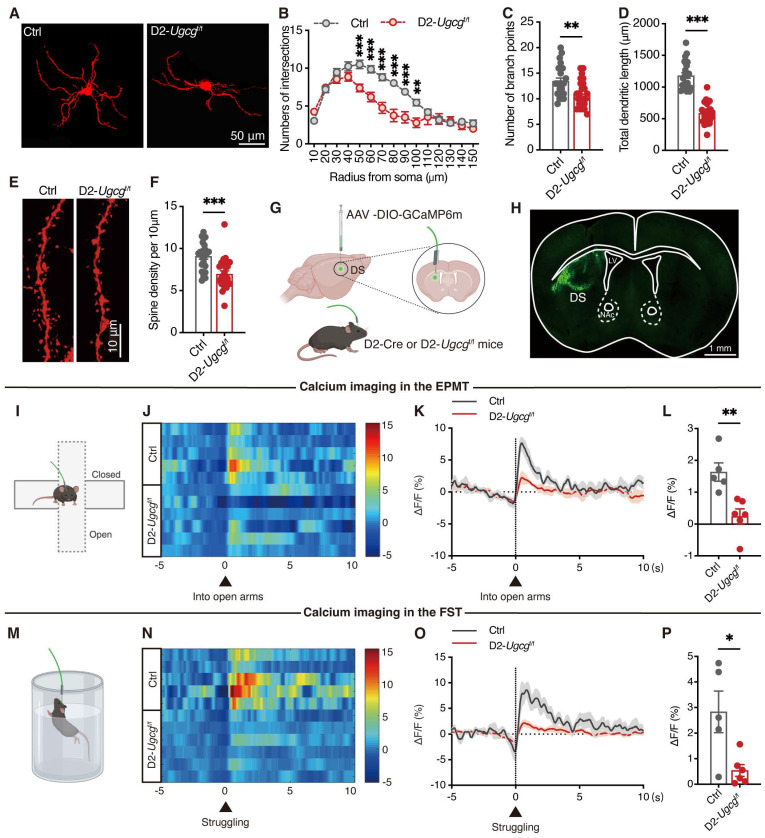 Figure 3
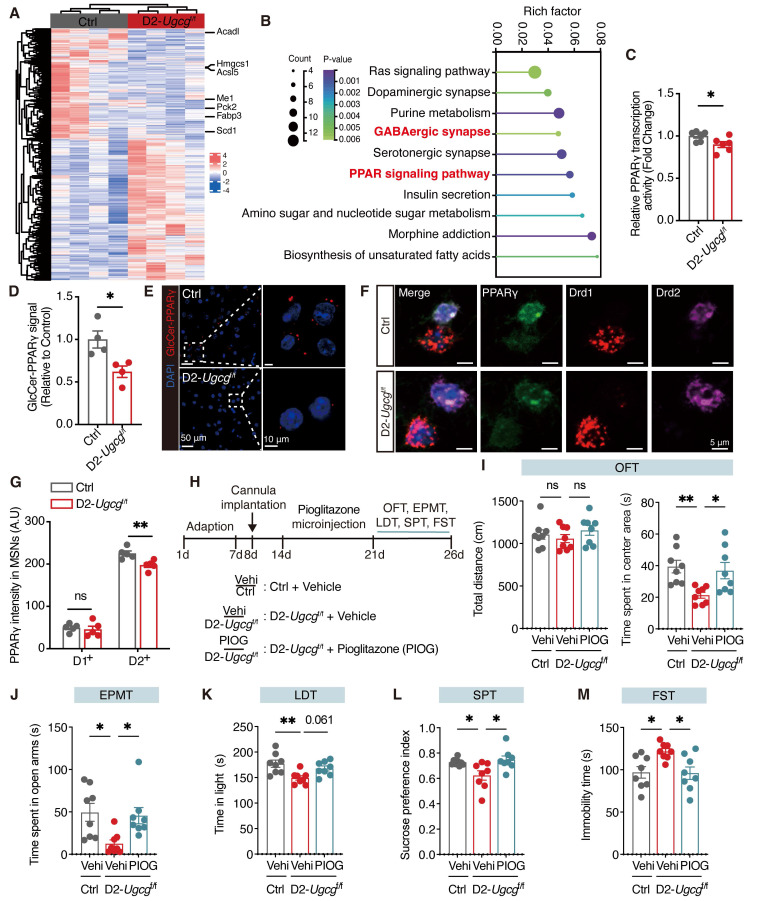 Figure 4
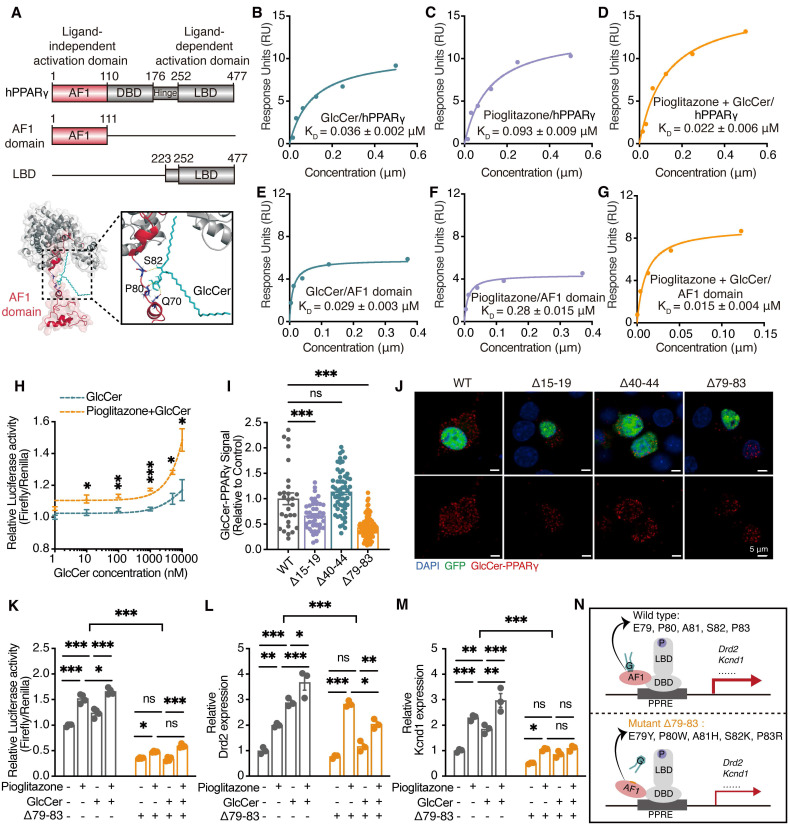 Figure 5
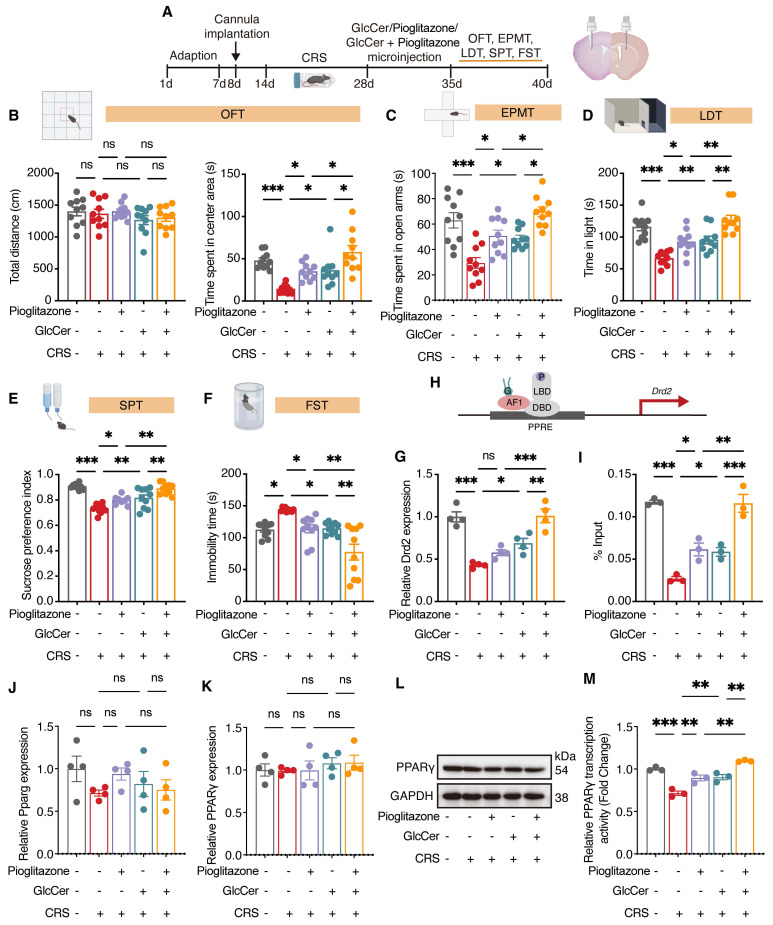 Figure 6
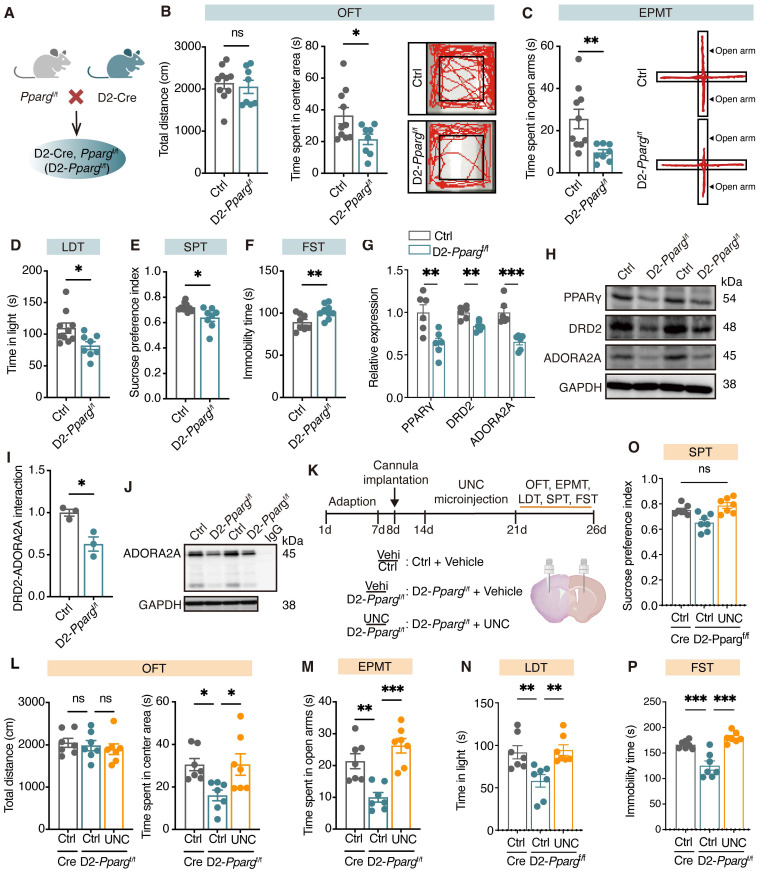 Figure 7
Peer Reviews
No public reviews on file for this paper yet. If you reviewed it on a platform where reviews are public (OpenReview, ICLR, NeurIPS, ICML), you can paste yours below so the community can read it here.
Videos
No videos yet. Explain this paper in a talk, walkthrough, or lecture? Add one.
Taxonomy
TopicsPeroxisome Proliferator-Activated Receptors · Neurotransmitter Receptor Influence on Behavior · Pharmacological Receptor Mechanisms and Effects