Physical stimuli-responsive CRISPR-Cas9 systems for spatiotemporally precise control of genome engineering
Jinbin Pan, Bingjie Li, Yaqiong Wang, Yating Han, Guijun Liu, Shao-Kai Sun

TL;DR
This paper reviews how physical stimuli can control CRISPR-Cas9 to improve precise genome editing in specific cells or tissues.
Contribution
The paper introduces physical stimuli-responsive CRISPR-Cas9 systems as a novel approach for spatiotemporal control of genome editing.
Findings
Physical stimuli offer superior spatiotemporal precision and biocompatibility compared to chemical inducers.
Current physical stimuli-responsive systems show improved controllability and target specificity.
A comparative analysis highlights limitations and future directions for clinical translation.
Abstract
The Clustered Regularly Interspaced Short Palindromic Repeats-associated protein 9 (CRISPR-Cas9) endonuclease system has revolutionized biology research by enabling precise, efficient, and versatile genome editing. However, achieving spatiotemporally controlled gene editing within specific organs, tissues, or cells remains a major challenge, as unregulated CRISPR-Cas9 activity can lead to severe off-target effects, hindering its clinical translation. To enhance the on-target precision and reduce the unwanted consequences of aberrant or premature CRISPR-Cas9 activation, various strategies have been developed to regulate its function at translational or post-translational stages using diverse external physicochemical stimuli. While chemical molecule-inducible CRISPR-Cas9 systems have demonstrated significant progress, most of them still suffer from inherent deficiencies, such as…
Genes, proteins, chemicals, diseases, species, mutations and cell lines named across the full text — each resolved to its canonical identifier and authoritative record.
Click any figure to enlarge with its caption.
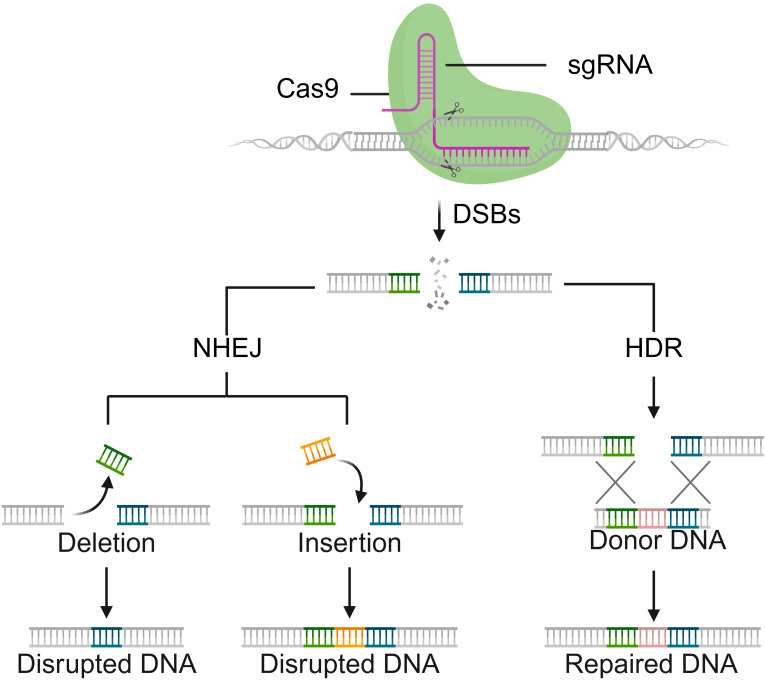 Figure 1
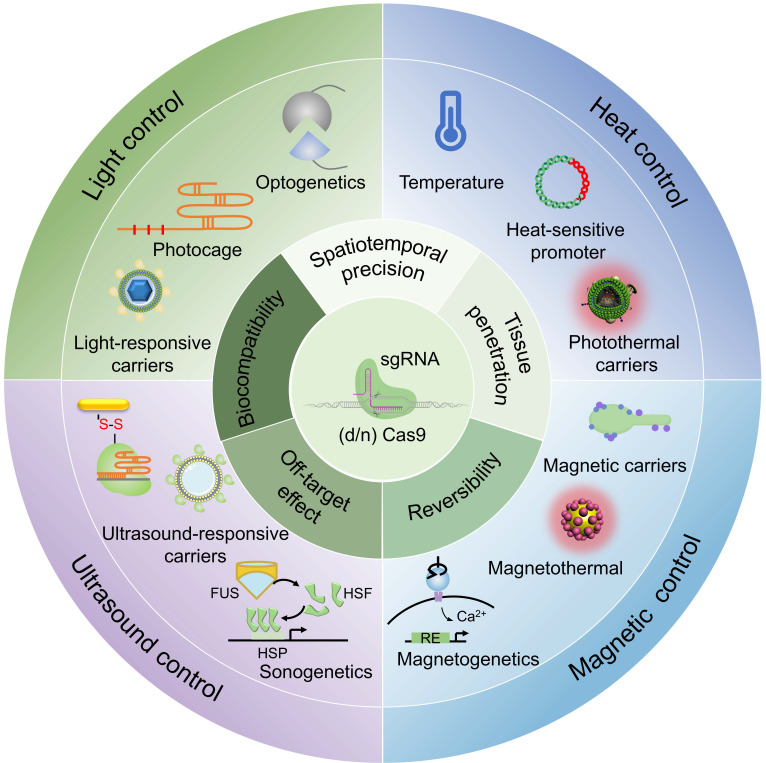 Figure 2
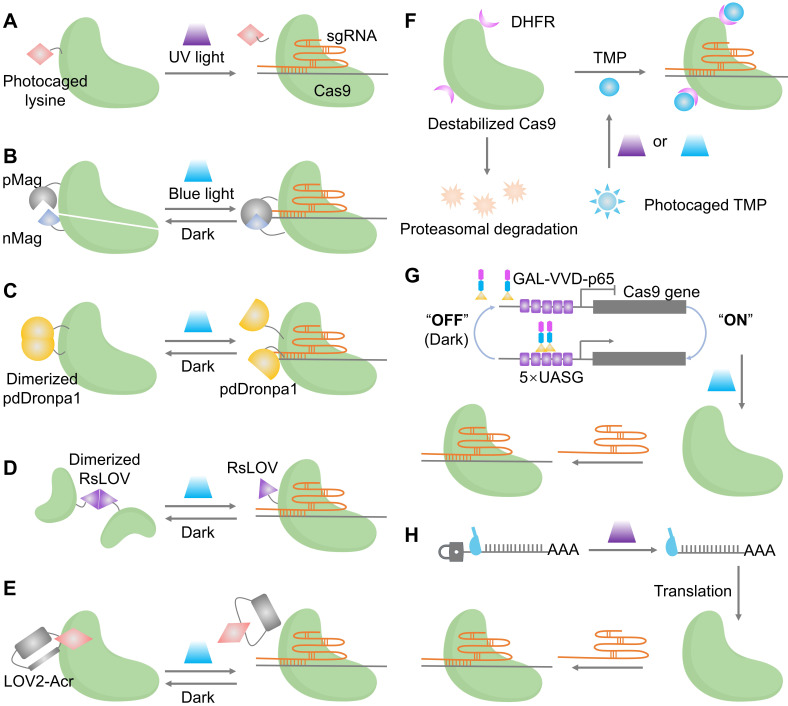 Figure 3
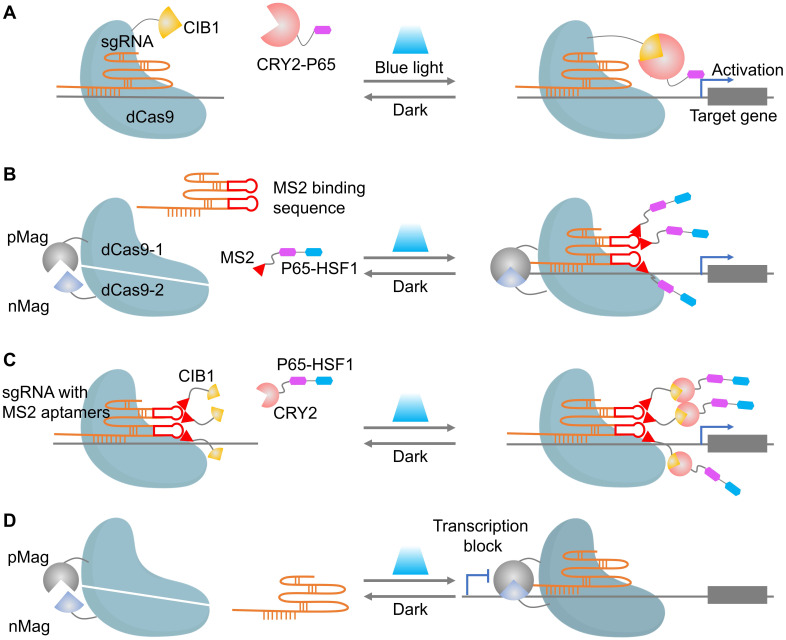 Figure 4
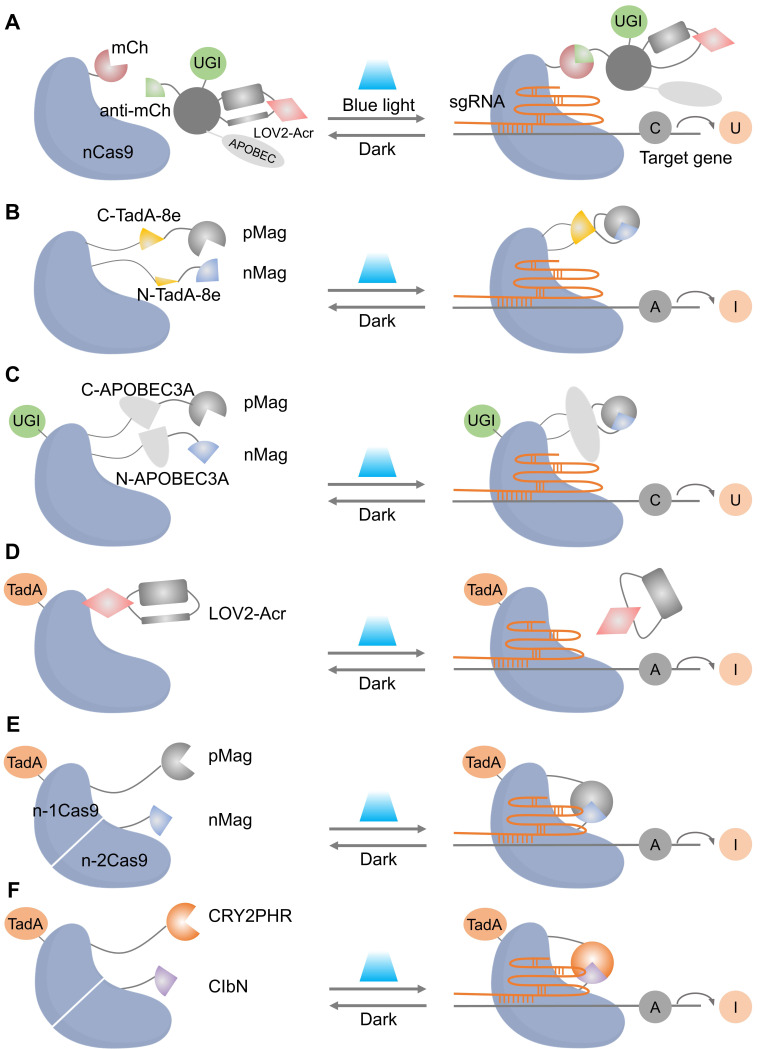 Figure 5
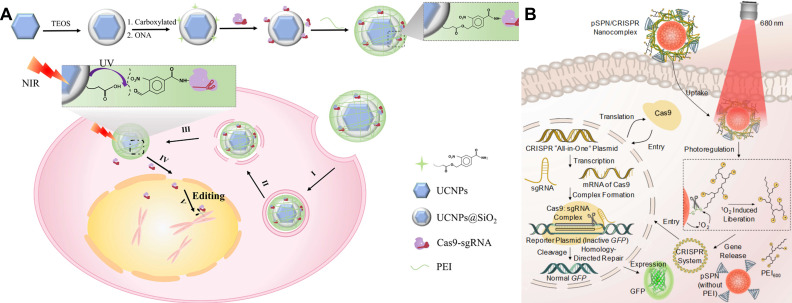 Figure 6
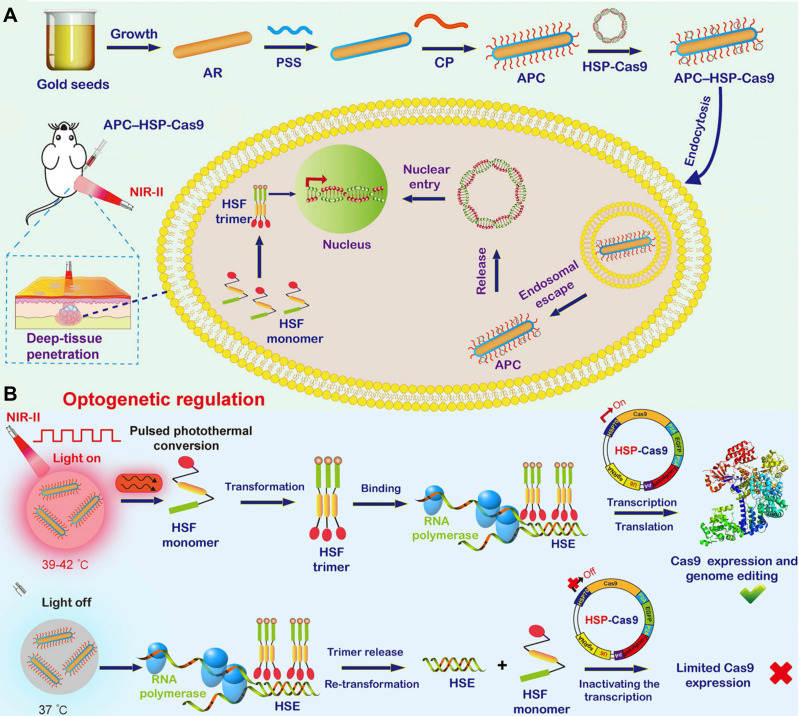 Figure 7
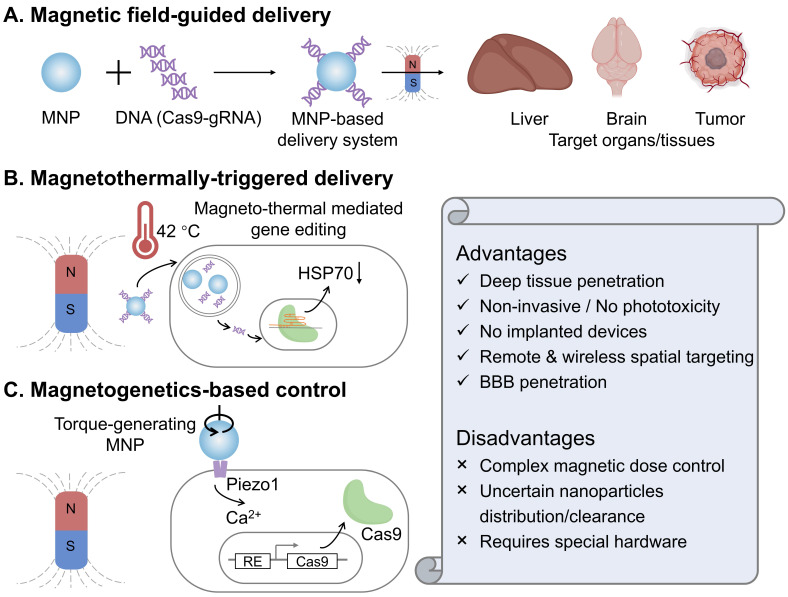 Figure 8
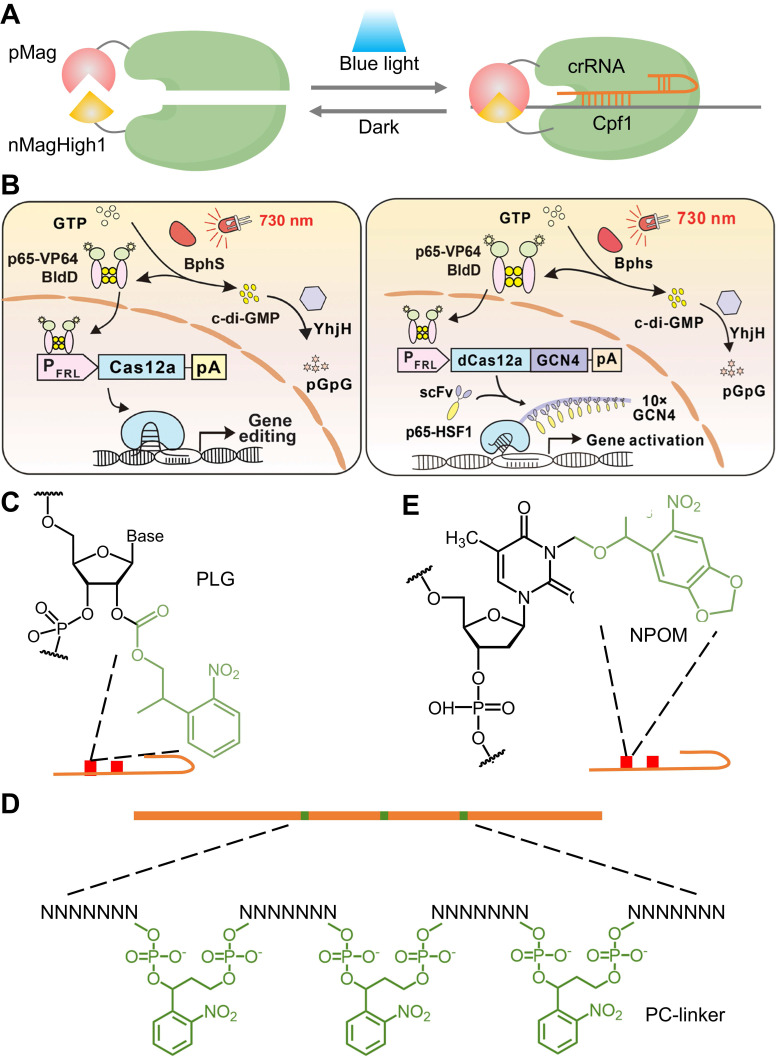 Figure 9
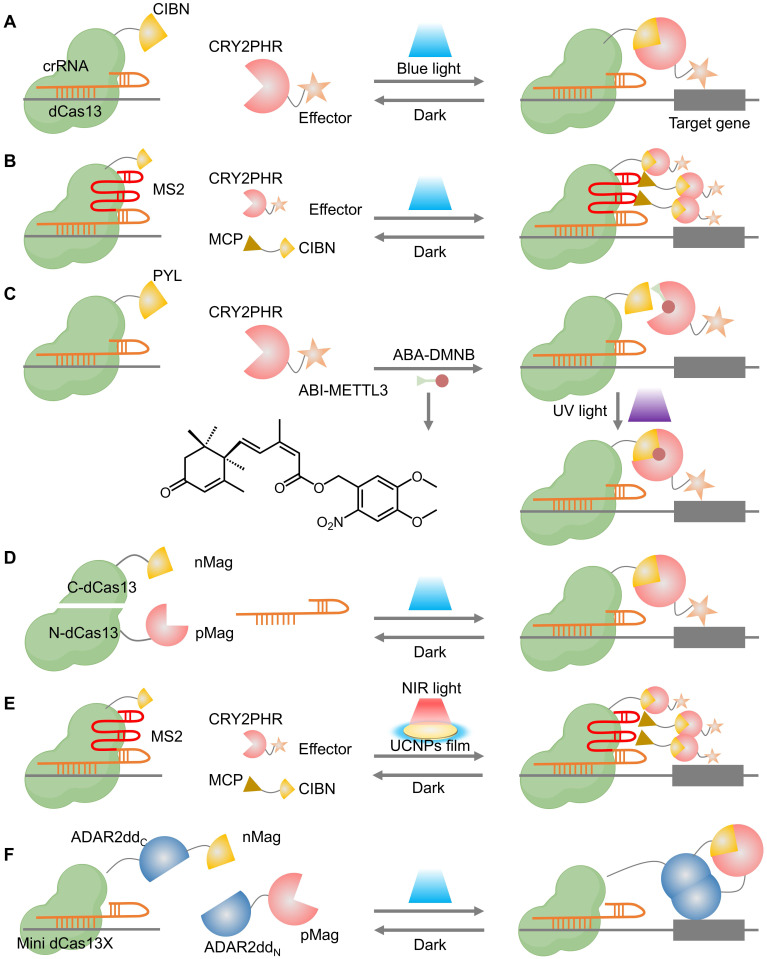 Figure 10
 Figure 11
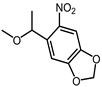 Figure 12
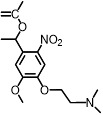 Figure 13
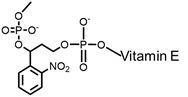 Figure 14
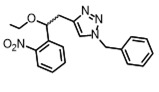 Figure 15
 Figure 16
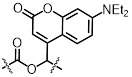 Figure 17
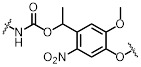 Figure 18
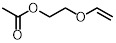 Figure 19
Peer Reviews
No public reviews on file for this paper yet. If you reviewed it on a platform where reviews are public (OpenReview, ICLR, NeurIPS, ICML), you can paste yours below so the community can read it here.
Videos
No videos yet. Explain this paper in a talk, walkthrough, or lecture? Add one.
Taxonomy
TopicsCRISPR and Genetic Engineering · Advanced biosensing and bioanalysis techniques · Pluripotent Stem Cells Research