Wearable Device Photoplethysmography As a Viable Tool to Longitudinally Monitor Vasoconstriction Biomarkers for Predicting Vaso-Occlusive Crisis in Sickle Cell Disease: Feasibility and Validation Study
Payal Shah, Sabrina Sy, Mingjing Chen, Michael CK Khoo, Thomas D Coates, Saranya Veluswamy

TL;DR
This study shows that a wearable wristband can track vasoconstriction in sickle cell disease patients, helping predict painful crises.
Contribution
The study validates the use of a wearable wristband for longitudinal monitoring of vasoconstriction biomarkers in sickle cell disease.
Findings
Wearable wristband PPG devices can collect continuous nocturnal vasoconstriction data with significant variability over time.
PPGampCV strongly correlates with Mvasoc within devices and shows potential as a surrogate marker for vasoconstriction.
Cross-validation between wristband and finger PPG sensors showed statistically significant correlations, supporting the feasibility of wearable monitoring.
Abstract
Entrapment of sickled red blood cells in the microvasculature leads to sudden painful vaso-occlusive crises (VOCs) in sickle cell disease (SCD). This is potentially triggered by autonomic nervous system–mediated vasoconstriction in the microvasculature. Indeed, vasoconstriction biomarkers derived from a single night of laboratory-based fingertip photoplethysmography (PPG) recording were predictive of a higher frequency of future VOC in SCD. Noninvasive, remote, and longitudinal monitoring of autonomic vasoreactivity will facilitate the development of predictive biomarkers of imminent VOC. This study aimed to assess the feasibility and performance of a wearable wristband device to longitudinally monitor nocturnal peripheral autonomic vasoreactivity and to cross-validate the vasoconstriction parameters across the “gold-standard” finger sensor. A total of 12 patients with SCD and 6…
Genes, proteins, chemicals, diseases, species, mutations and cell lines named across the full text — each resolved to its canonical identifier and authoritative record.
Click any figure to enlarge with its caption.
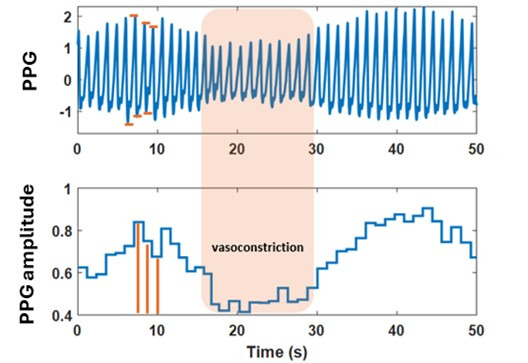 Figure 1
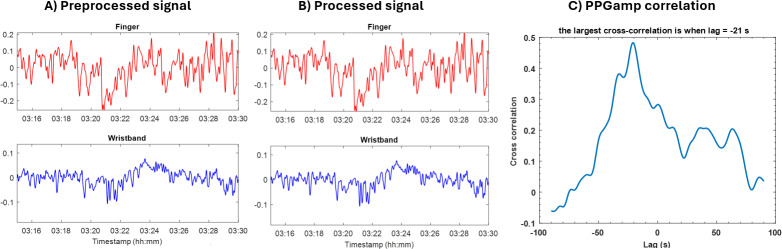 Figure 2
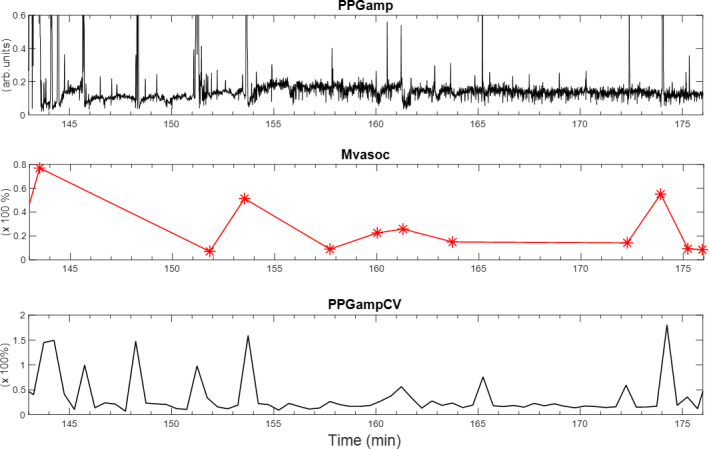 Figure 3
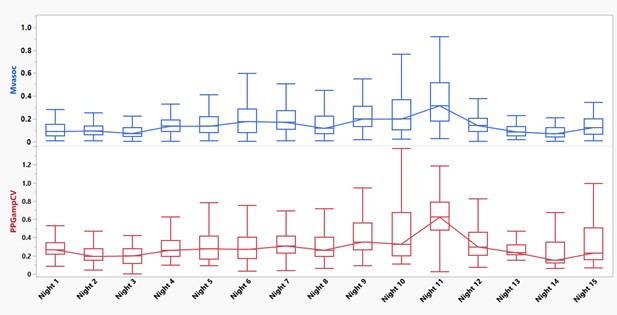 Figure 4
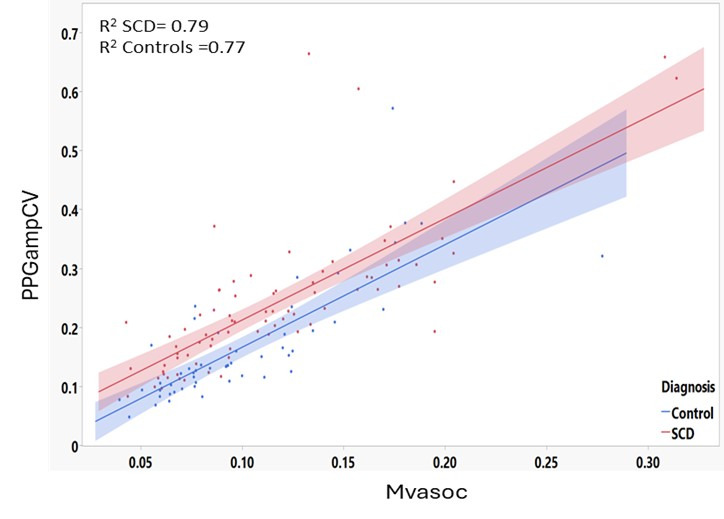 Figure 5
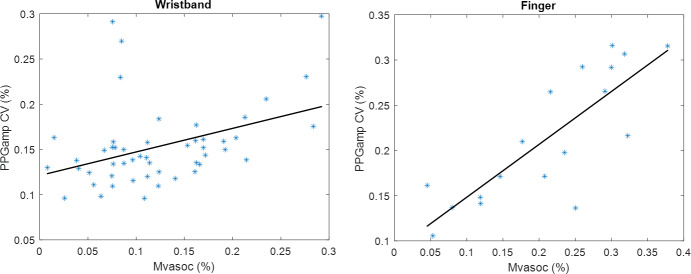 Figure 6
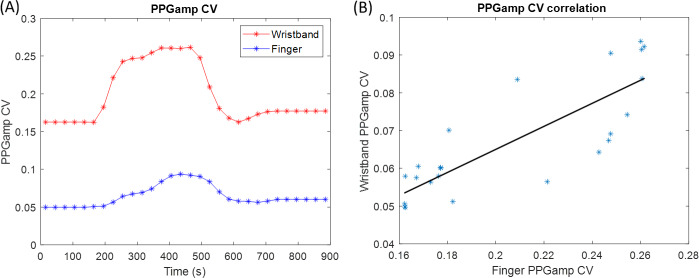 Figure 7
Peer Reviews
No public reviews on file for this paper yet. If you reviewed it on a platform where reviews are public (OpenReview, ICLR, NeurIPS, ICML), you can paste yours below so the community can read it here.
Videos
No videos yet. Explain this paper in a talk, walkthrough, or lecture? Add one.
Taxonomy
TopicsHemoglobinopathies and Related Disorders · Non-Invasive Vital Sign Monitoring · Restless Legs Syndrome Research