The extract of zedoary-turmeric protects rats’ kidneys from damage caused by cisplatin
Putri Reno Intan, Lisa Andriani Lienggonegoro, Frans Dany, Ariyani Noviantari, Uly Alfi Nikmah, Sukmayati Alegantina, Ratih Rinendyaputri, Ani Isnawati, Sunarno Sunarno, Indah Fajarwati, Sela Septima Mariya, Agus Setiyono, Lina Noviyanti Sutardi, Ekowati Handharyani

TL;DR
A combination of zedoary and turmeric extracts reduced kidney damage in rats caused by the chemotherapy drug cisplatin.
Contribution
The study shows that a 200 mg/kg dose of the combined extract is most effective in protecting against cisplatin-induced kidney injury.
Findings
The 200 mg/kg extract group showed the greatest recovery in body weight and reduced kidney damage.
Gene expression levels of Caspase-3, KIM-1, and TNF-α were significantly lower in the 200 mg/kg extract group.
The extract combination may help prevent or reduce cisplatin-induced acute kidney injury in rats.
Abstract
The goal of this study was to examine how the combination of Curcuma zedoaria (zedoary) and Curcuma longa (turmeric) affected things on the kidneys of rats with acute kidney injury (AKI) from cisplatin by assessing the reduction of levels of cysteine-aspartic acid protease 3 (Caspase-3), kidney injury molecule-1 (KIM-1), and tumor necrosis factor-alpha (TNF-α) in renal tissue. There were five groups of rats: a normal control group, a cisplatin control group (CP), and three extract treatment groups (Ext100, Ext200, and Ext400). The CP group got cisplatin on day seven to cause AKI, while the extract group got cisplatin on day seven and the combined extract on days one through nine. On the 10th day, we looked at body weight, kidney weight, histology, and gene expression of KIM-1, TNF-α, and Caspase-3 by quantitative real-time polymerase chain reaction. We used SPSS (version 29.0) to do…
Genes, proteins, chemicals, diseases, species, mutations and cell lines named across the full text — each resolved to its canonical identifier and authoritative record.
Click any figure to enlarge with its caption.
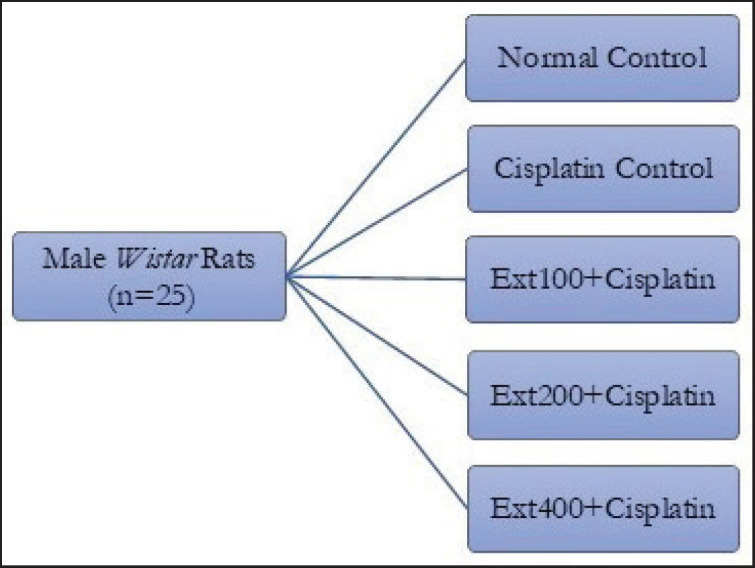 Figure 1
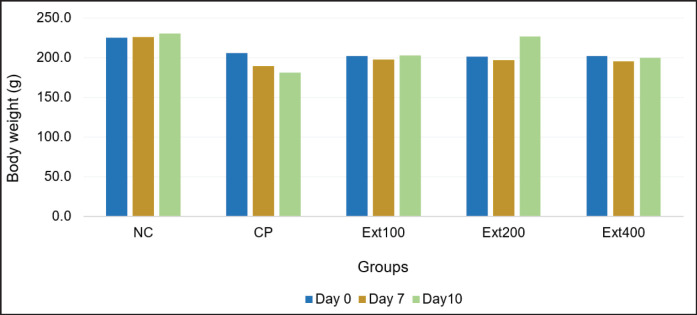 Figure 2
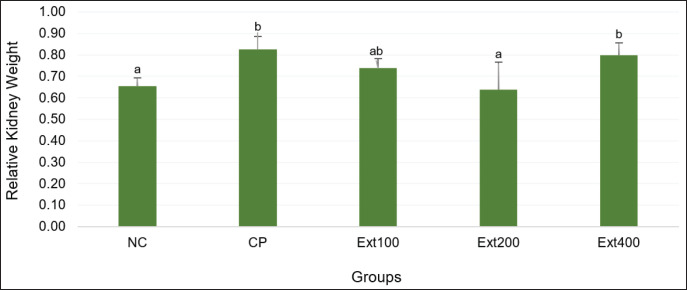 Figure 3
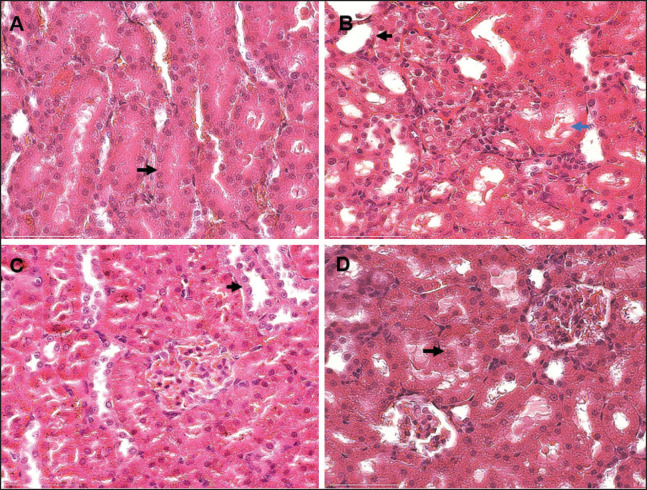 Figure 4
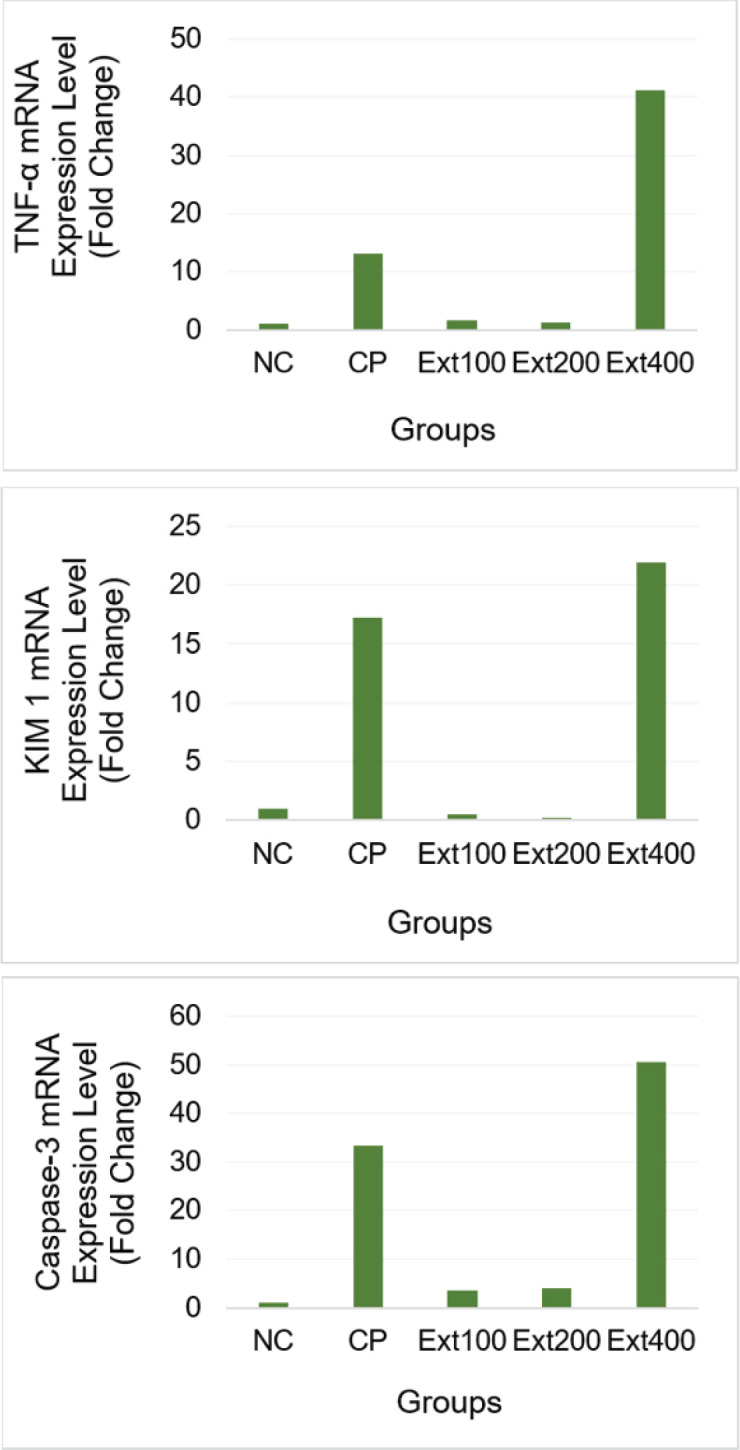 Figure 5
Peer Reviews
No public reviews on file for this paper yet. If you reviewed it on a platform where reviews are public (OpenReview, ICLR, NeurIPS, ICML), you can paste yours below so the community can read it here.
Videos
No videos yet. Explain this paper in a talk, walkthrough, or lecture? Add one.
Taxonomy
TopicsChemotherapy-induced organ toxicity mitigation · Curcumin's Biomedical Applications · Chemotherapy-induced cardiotoxicity and mitigation