Neuron-specific WDR5 epigenetically upregulates ARID5B to impair GABAergic synaptic transmission and promotes epileptogenesis
Juan Gu, Ping-Yang Ke, Xin-Yu Zhang, Chao Liu, Yuan Yang, Ming-Lan Yu, Zhen-Zhong Xu, Chun-Xiang Zhang, Wei Dong

TL;DR
This study shows how the WDR5 protein promotes epilepsy by altering gene activity in brain cells, offering new treatment possibilities.
Contribution
The study identifies WDR5 as a novel epigenetic driver of epileptogenesis through its regulation of ARID5B.
Findings
WDR5 increases H3K4me3 at the Arid5b promoter, upregulating ARID5B expression in hippocampal neurons.
ARID5B represses GABAAR subunit expression, impairing inhibitory synaptic transmission and promoting epilepsy.
Pharmacological or genetic inhibition of WDR5 reduces epileptogenesis in experimental models.
Abstract
Rationale: Temporal lobe epilepsy (TLE) is a prevalent, drug-resistant neurological disorder that causes severe disability, highlighting the need to identify novel therapeutic targets. Emerging evidence reveals widespread transcriptional dysregulation during epileptogenesis, in which multiple dysregulated genes functionally contribute to disease progression. However, the epigenetic basis of these transcriptomic changes remains poorly characterized. Methods: We established experimental epilepsy models and systematically investigated the remodeling of major histone methylation modifications during epileptogenesis using integrated low-throughput molecular assays and epigenomic profiling. Through pharmacological and genetic interventions, combined with synchronized video-EEG monitoring, whole-cell patch-clamp recordings, multi-omics analyses, and in vivo/ex vivo molecular biology…
Genes, proteins, chemicals, diseases, species, mutations and cell lines named across the full text — each resolved to its canonical identifier and authoritative record.
Click any figure to enlarge with its caption.
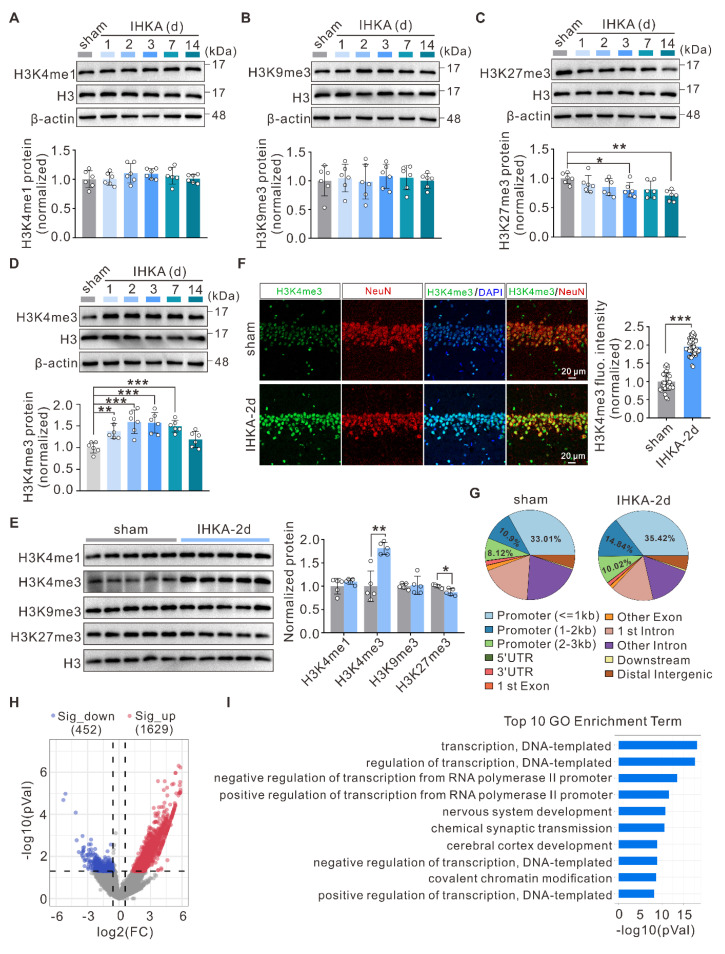 Figure 1
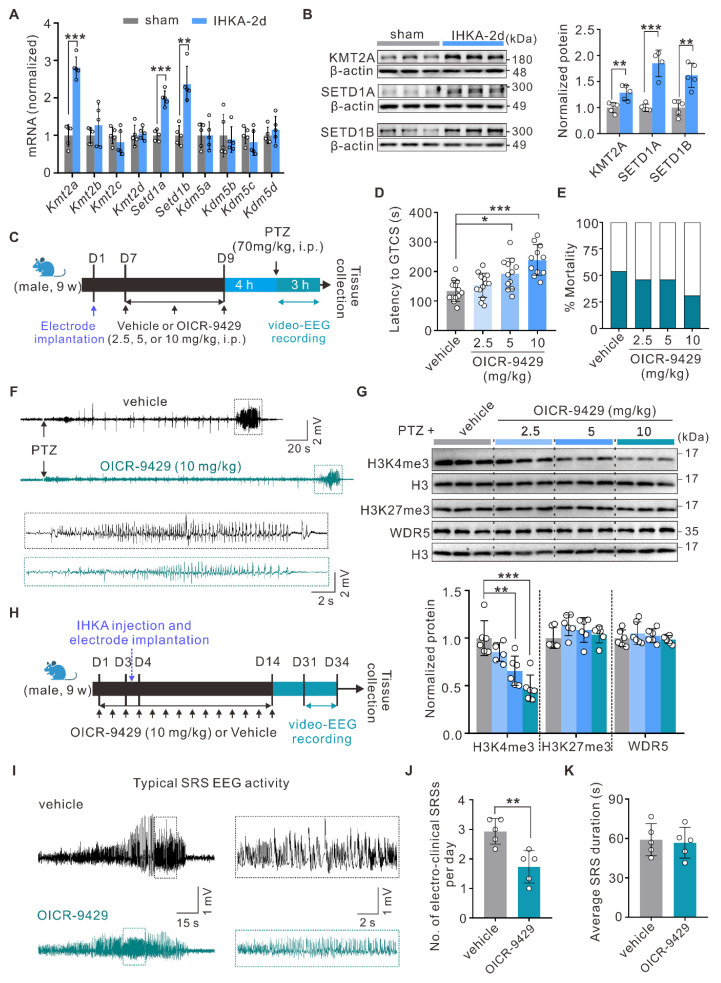 Figure 2
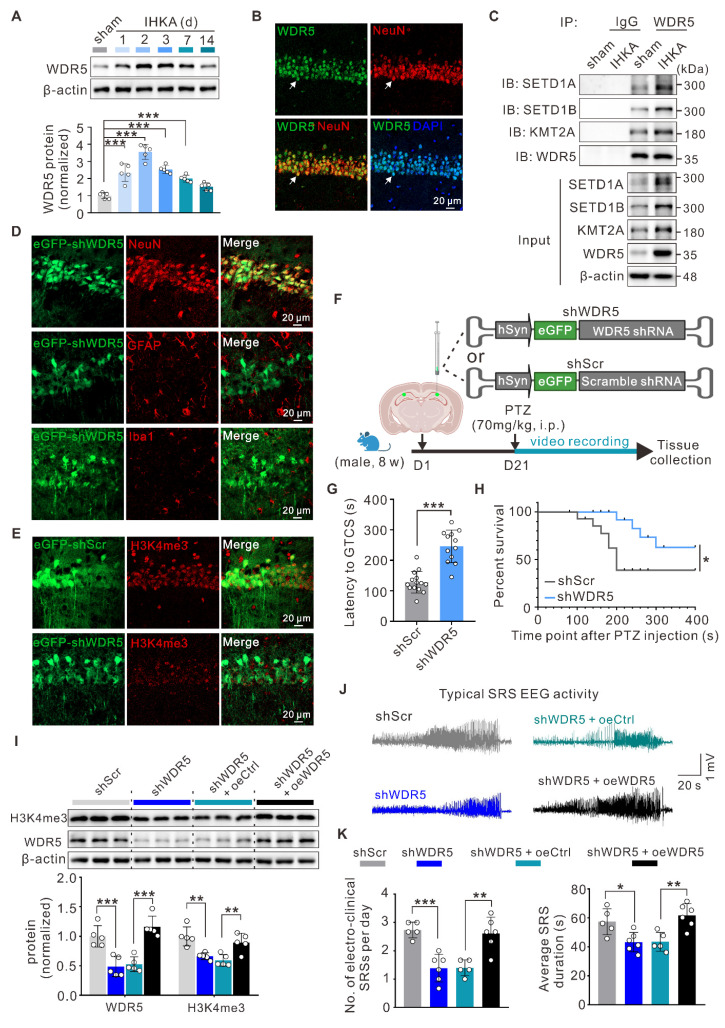 Figure 3
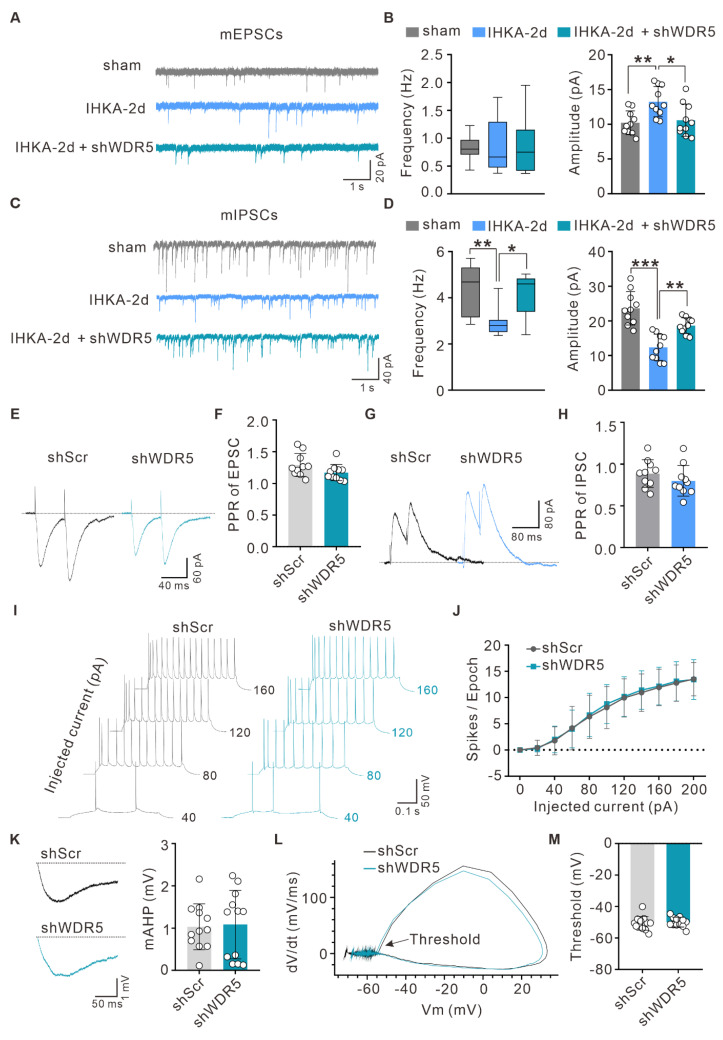 Figure 4
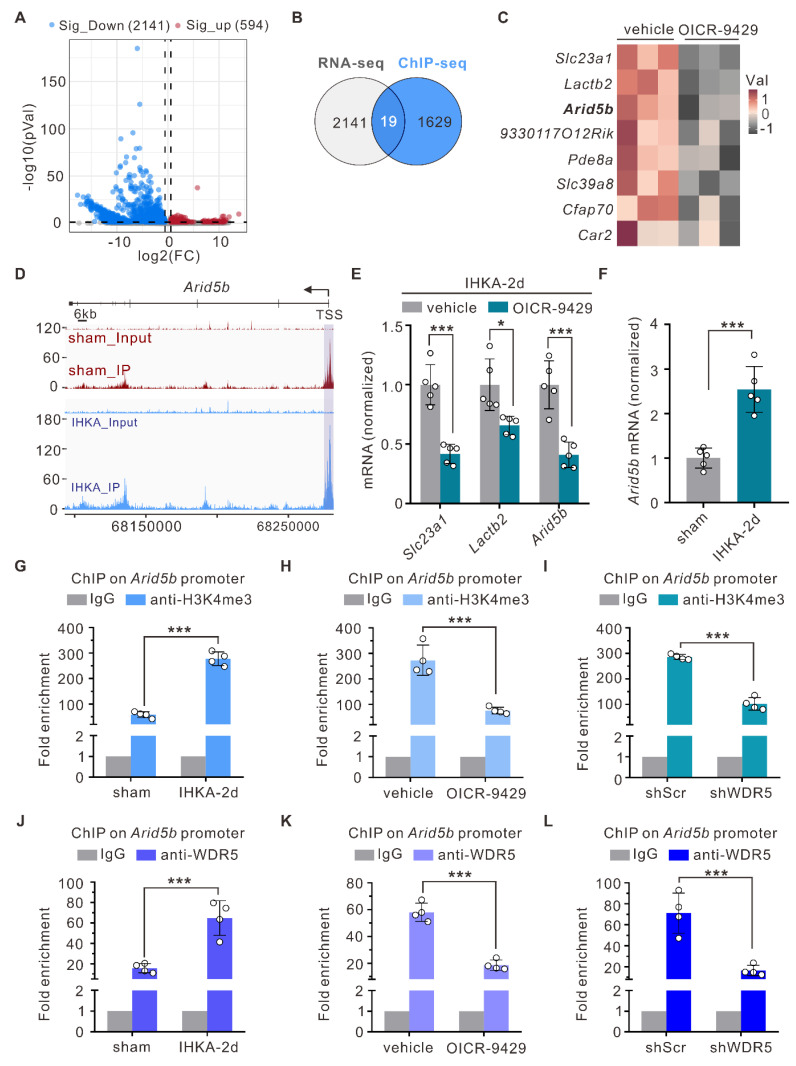 Figure 5
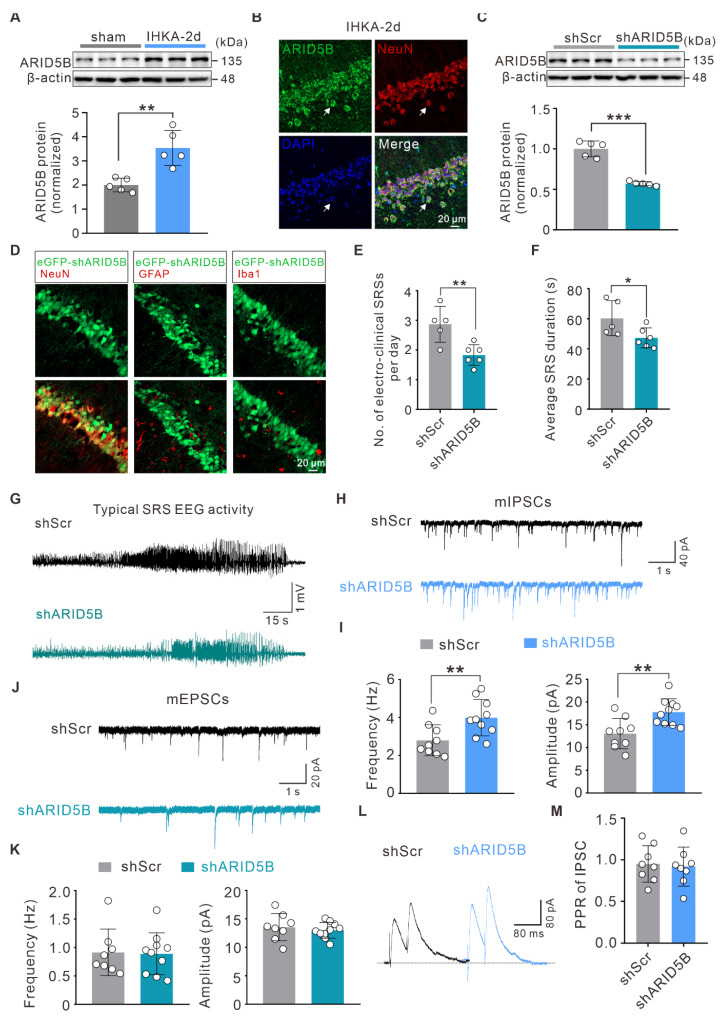 Figure 6
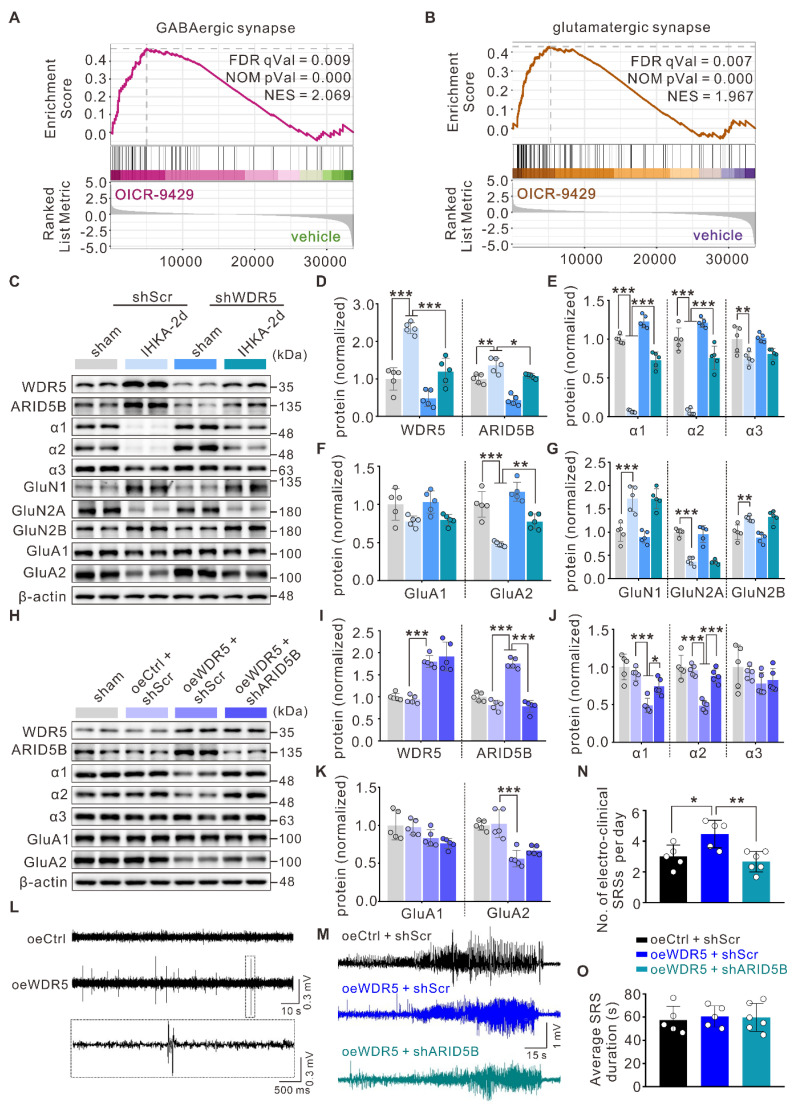 Figure 7
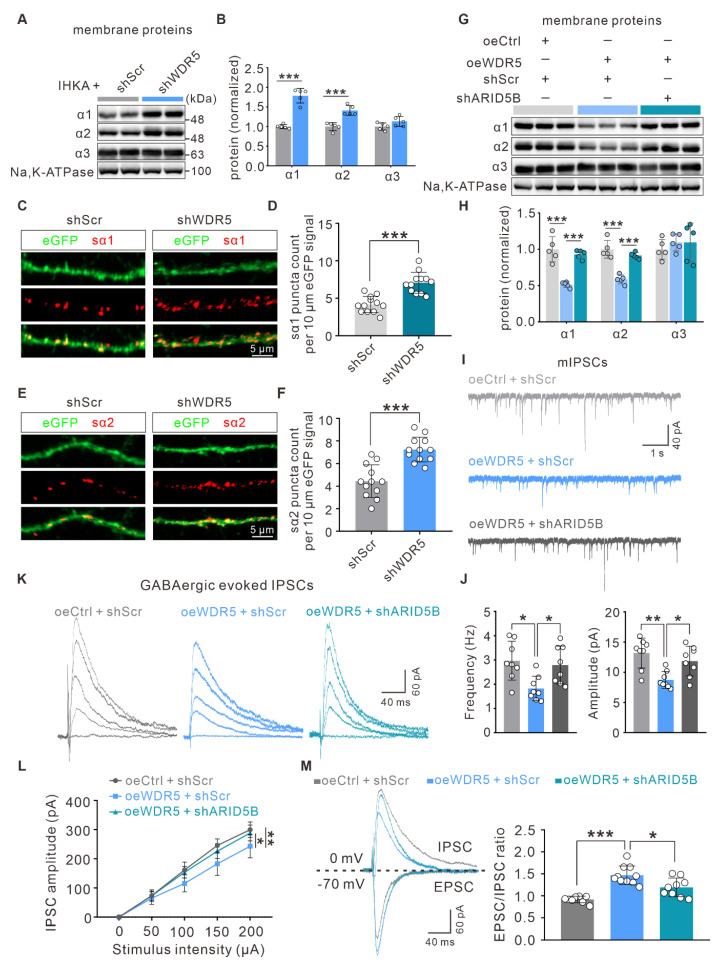 Figure 8
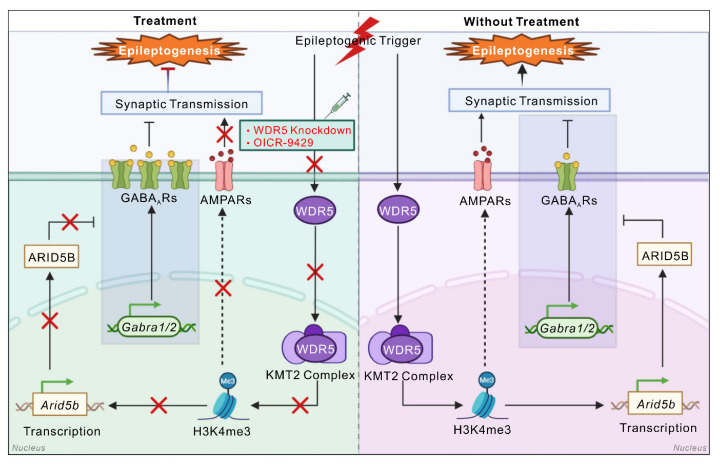 Figure 9
Peer Reviews
No public reviews on file for this paper yet. If you reviewed it on a platform where reviews are public (OpenReview, ICLR, NeurIPS, ICML), you can paste yours below so the community can read it here.
Videos
No videos yet. Explain this paper in a talk, walkthrough, or lecture? Add one.
Taxonomy
TopicsChromatin Remodeling and Cancer · Genomics and Rare Diseases · Epilepsy research and treatment