Use it or lose it: A model-based assessment of the hypothesis that European Neanderthals relied on wildfires to create their campfires
Andreu Arinyo i Prats, Dennis Sandgathe, Felix Riede, Mark Collard, Michelle Scalise Sugiyama, Andreu Arinyo i Prats, Michael Chazan, Andreu Arinyo i Prats

TL;DR
The paper explores whether Neanderthals lost the ability to make campfires during cold periods and instead relied on wildfires, using a model to assess cultural loss.
Contribution
A novel computational model is introduced to evaluate the plausibility of Neanderthal reliance on wildfires due to cultural loss of fire-making skills.
Findings
Cultural loss, particularly memory decay and infrequent use, was more likely to cause fire-making skill loss than demographic factors.
Large variability in fire use was the strongest driver of skill loss in Neanderthal groups.
The wildfire hypothesis is supported as a plausible explanation for reduced fire evidence during colder periods.
Abstract
There remains debate about the pyrotechnical capabilities of the Neanderthals. Evidence of fire has been found at many Middle Palaeolithic sites, widely accepted to be associated with Neanderthals. However, multiple Neanderthal sites show a marked decrease in evidence for fire use during colder periods. This counterintuitive pattern was explained by the possibility that some Neanderthal groups were unable to create fire at will and relied on wildfire. Here, we evaluate the plausibility of this ‘wildfire hypothesis’ through formal modeling. We computed the probability of a group of Neanderthals losing campfire-making skills due to cultural loss. The EMBERS model codes four empirically motivated mechanisms of skill loss: variability in use, period in between uses, memory decay and number of experts. Our results indicate that losing the ability to use wildfire was more likely than…
Genes, proteins, chemicals, diseases, species, mutations and cell lines named across the full text — each resolved to its canonical identifier and authoritative record.
Click any figure to enlarge with its caption.
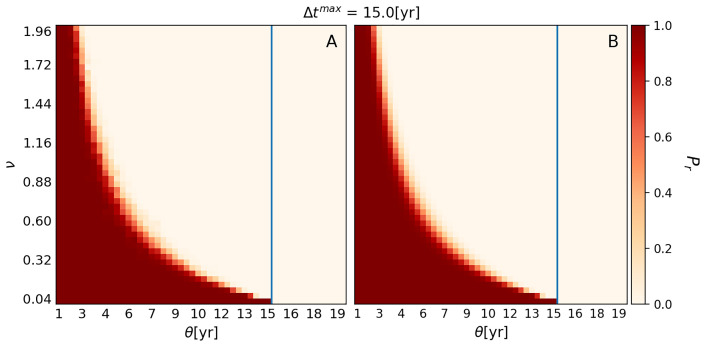 Figure 1
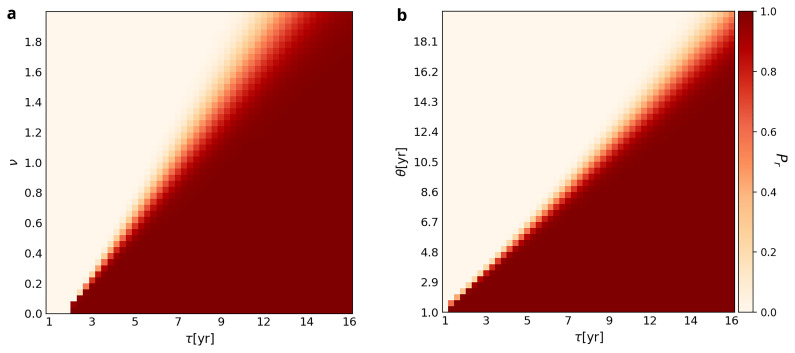 Figure 2
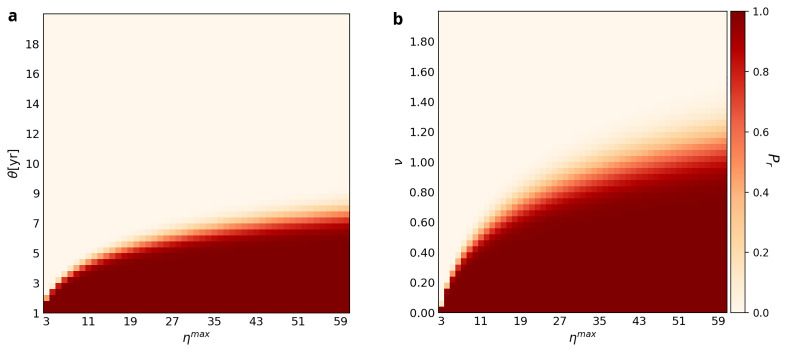 Figure 3
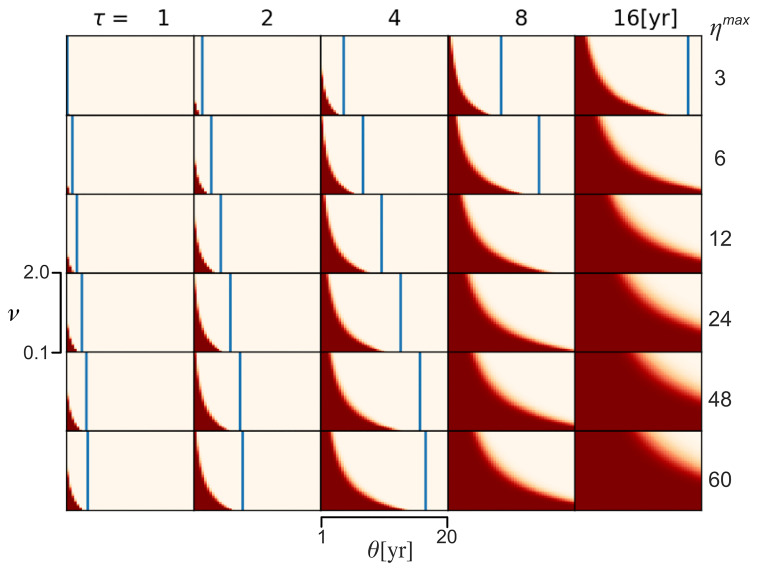 Figure 4
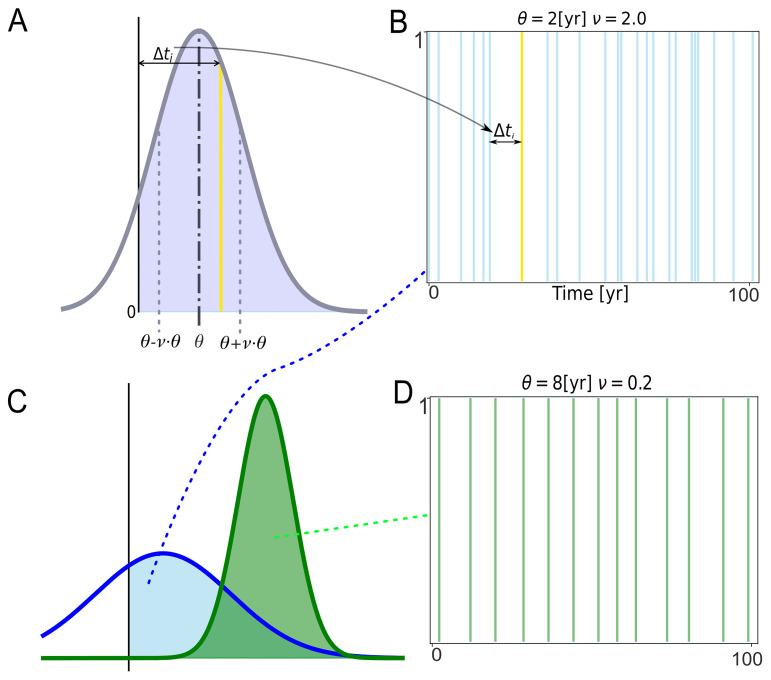 Figure 5
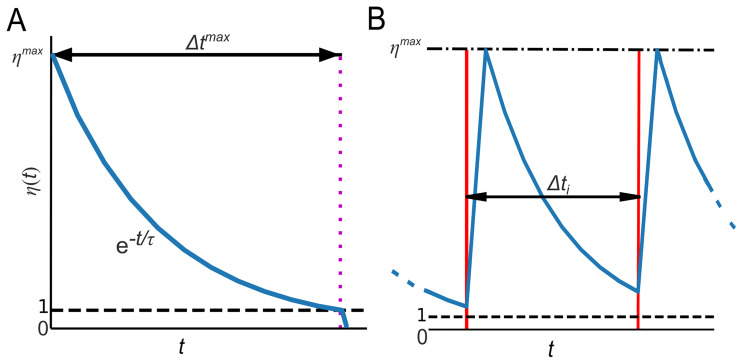 Figure 6
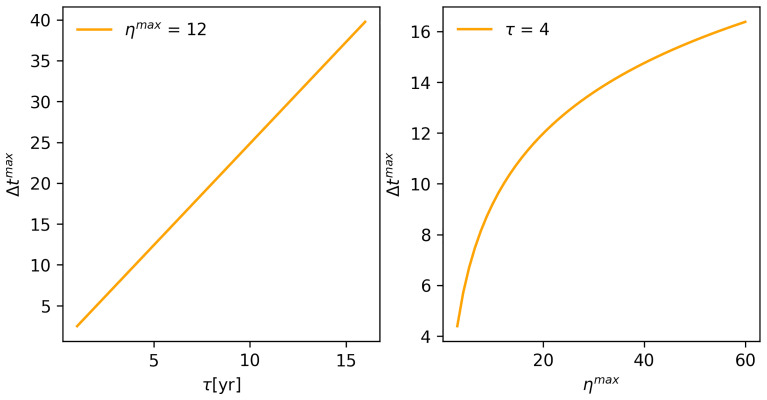 Figure 7
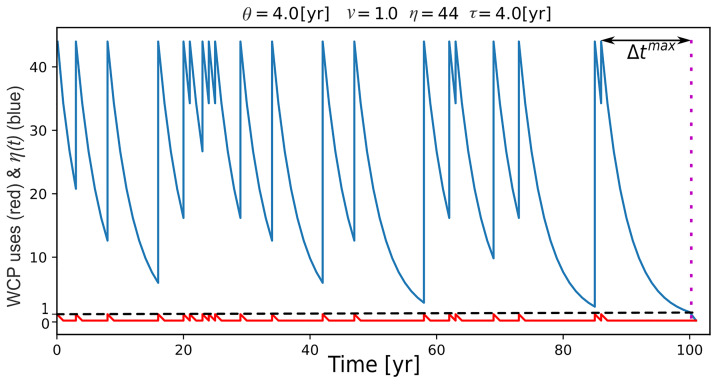 Figure 8
Peer Reviews
No public reviews on file for this paper yet. If you reviewed it on a platform where reviews are public (OpenReview, ICLR, NeurIPS, ICML), you can paste yours below so the community can read it here.
Videos
No videos yet. Explain this paper in a talk, walkthrough, or lecture? Add one.
Taxonomy
TopicsPleistocene-Era Hominins and Archaeology · Archaeology and ancient environmental studies · Language and cultural evolution