Protein kinase D deficiency induces a senescence-like phenotype in β-cells and improves glucose and insulin tolerance under high-fat diet conditions
Wolfgang S. Lieb, Carlos O. Oueslati Morales, Kornelia Ellwanger, Claudia Koch, Sylke Lutz, Stephan A. Eisler, Annika M. Möller, Veronika Leiss, Angelika Hausser

TL;DR
Blocking a protein called PKD in pancreatic cells causes signs of aging but improves blood sugar control in mice on a high-fat diet.
Contribution
This study reveals that PKD regulates beta-cell aging and function, and its inhibition unexpectedly improves glucose tolerance.
Findings
PKD inhibition in beta-cells leads to a senescence-like phenotype with enlarged cells and increased β-galactosidase activity.
Reduced PKD activity improves glucose-stimulated insulin secretion and glucose tolerance in aged mice.
PKD inhibition lowers SOD2 and increases ROS, linking PKD to redox control in beta-cells.
Abstract
Insulin secretion from pancreatic β-cells is essential for maintaining glucose homeostasis and preventing type 2 diabetes, a condition closely associated with aging. Although previous studies in mice have shown that both basal and glucose-stimulated insulin secretion increase with age, the underlying mechanisms remained poorly understood. In this study, we identify protein kinase D (PKD) as a critical regulator of β-cell function during aging through its control of cellular senescence. Using β-cell–specific expression of dominant-negative PKDkd-EGFP and the selective PKD inhibitor CRT0066101, we demonstrate that inhibition of PKD activity in mature adult mice induced a senescent-like β-cell phenotype characterized by enlarged cell size and elevated β-galactosidase activity. These changes were associated with decreased expression of the antioxidant enzyme superoxide dismutase 2 and…
Genes, proteins, chemicals, diseases, species, mutations and cell lines named across the full text — each resolved to its canonical identifier and authoritative record.
Click any figure to enlarge with its caption.
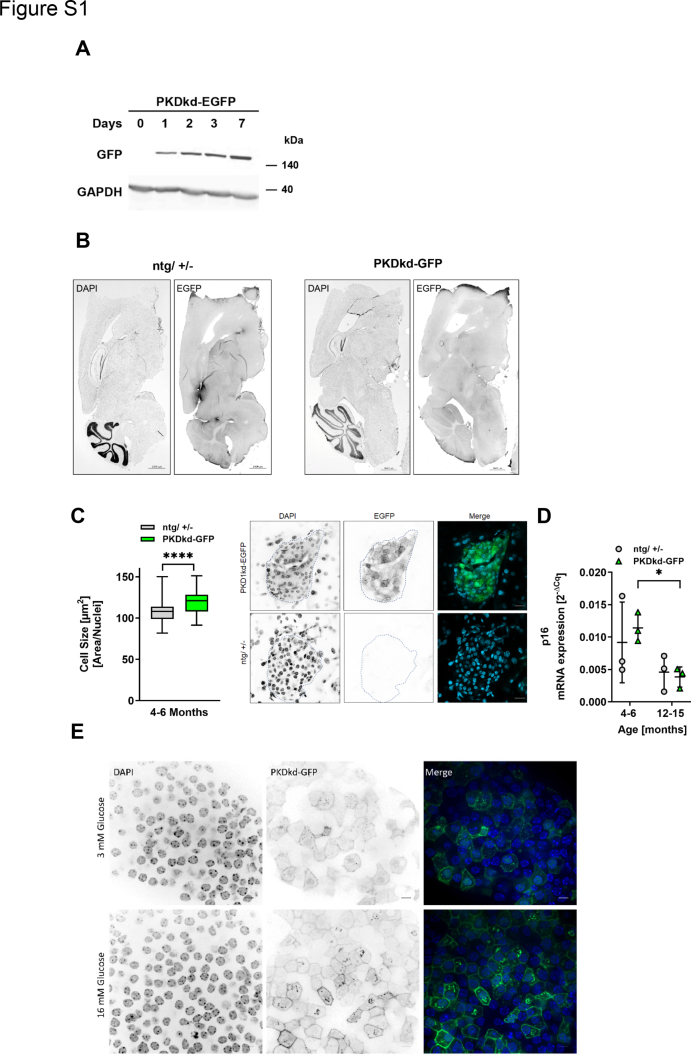 Figure 1
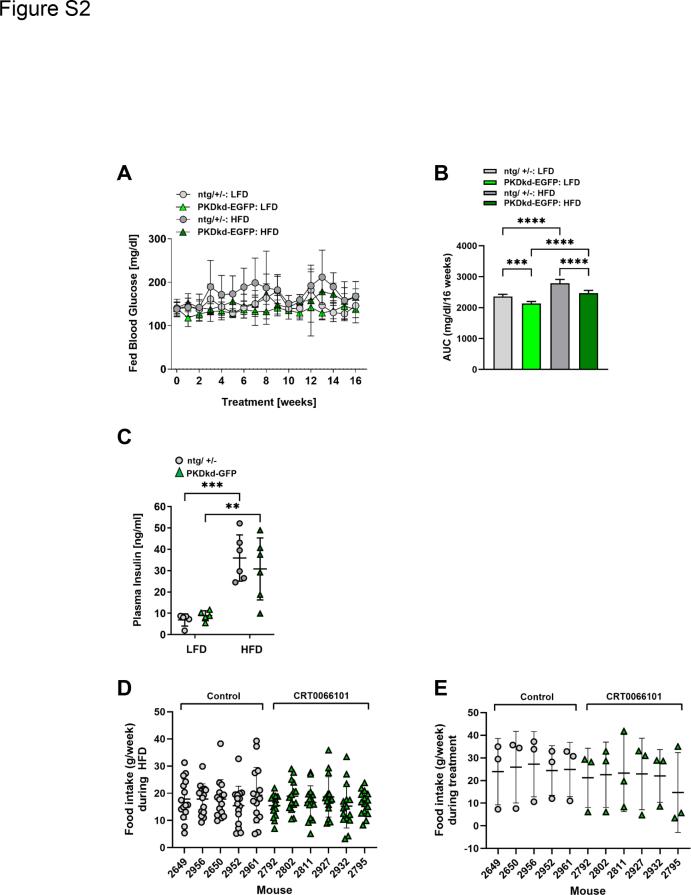 Figure 2
 Figure 3
 Figure 4
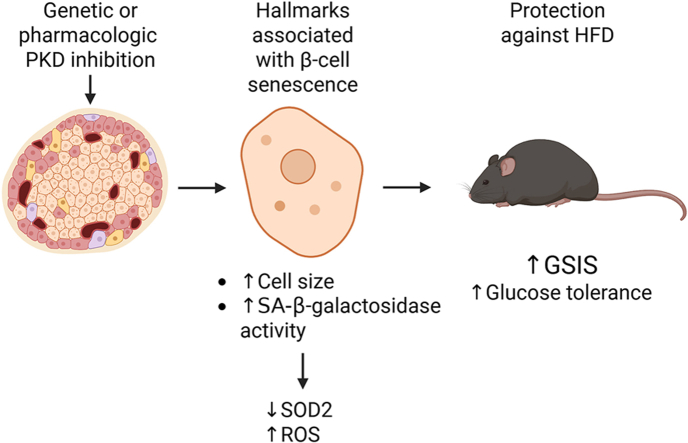 Figure 5
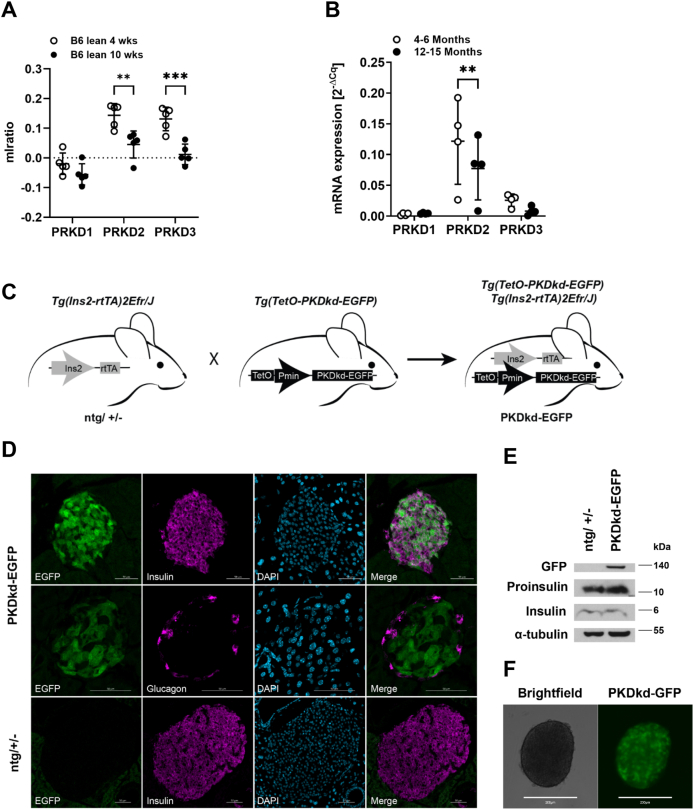 Figure 6
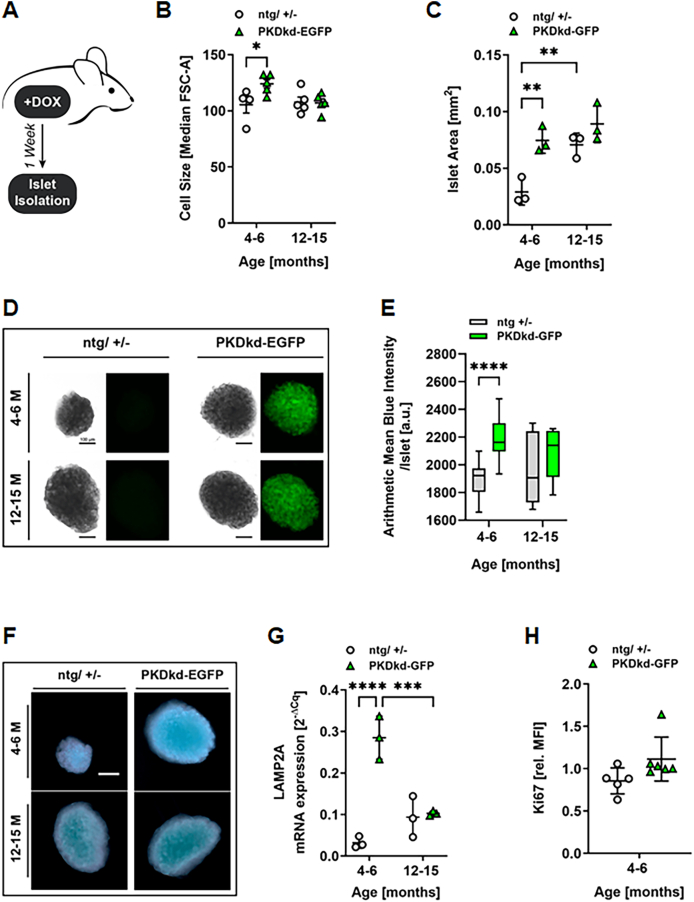 Figure 7
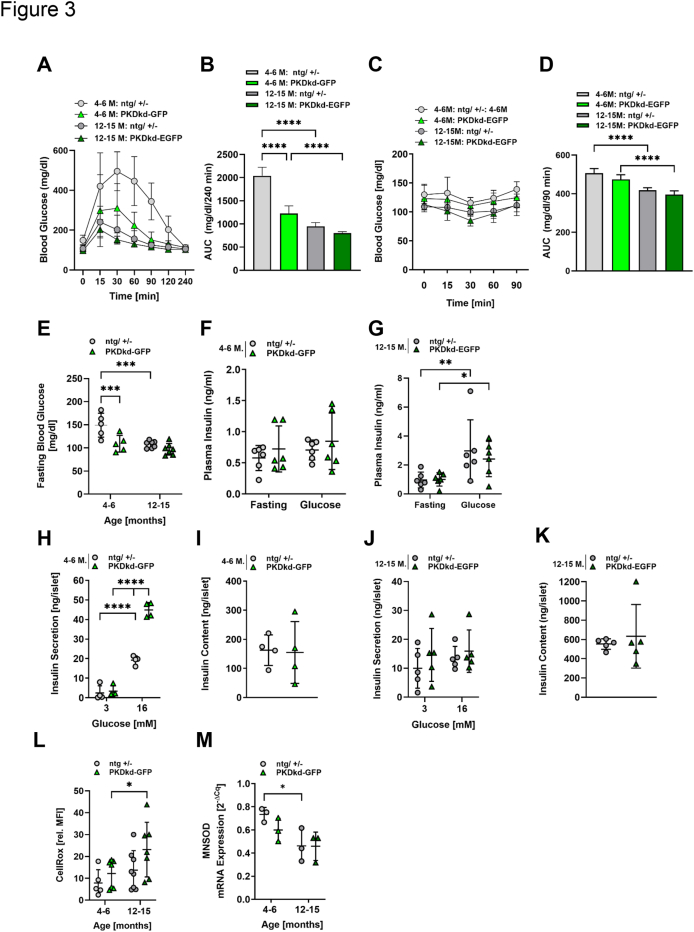 Figure 8
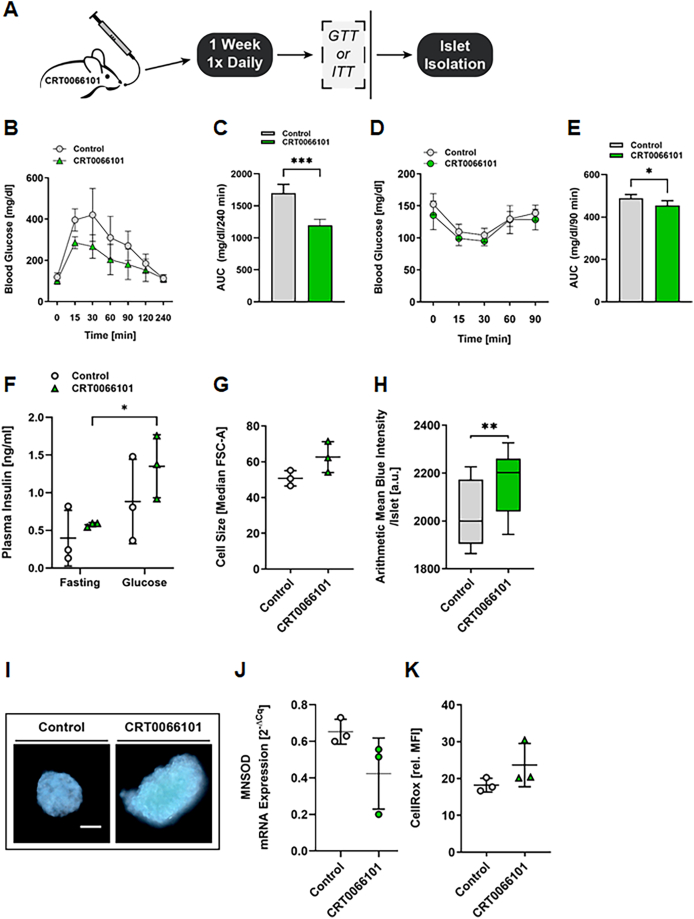 Figure 9
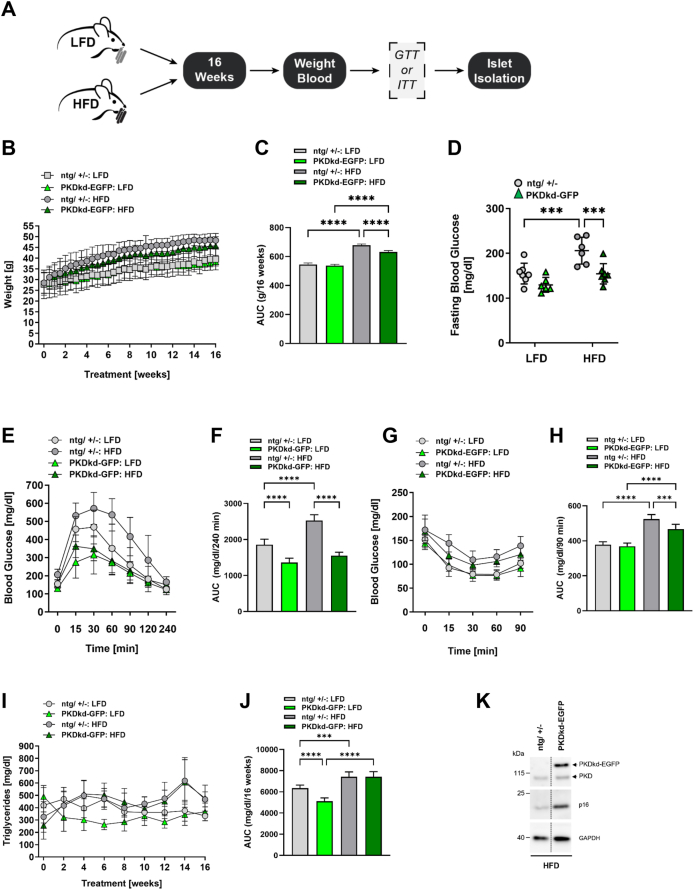 Figure 10
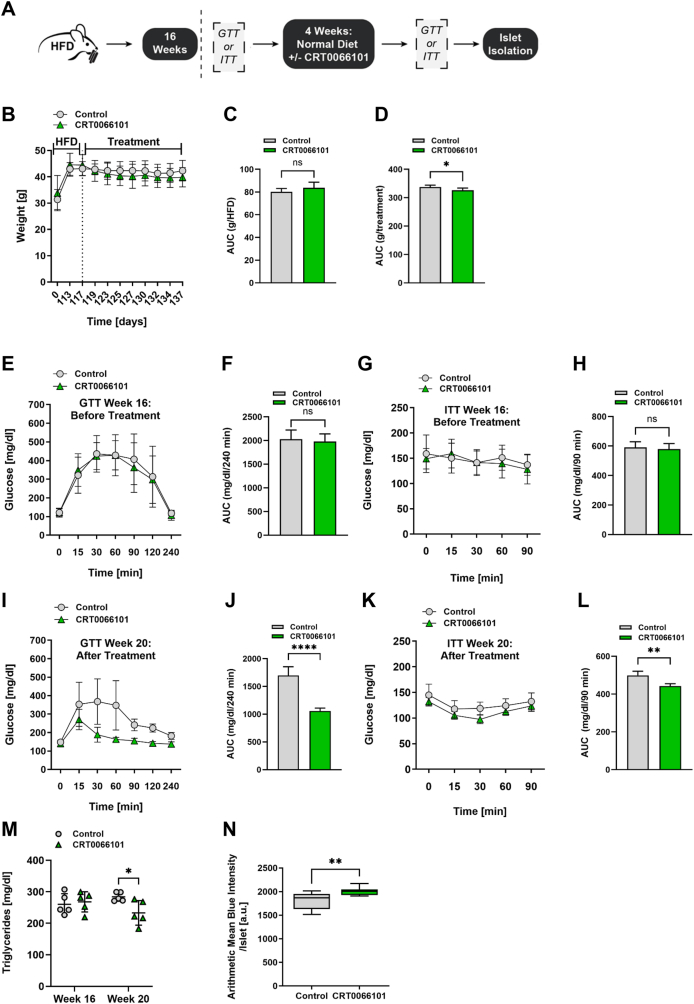 Figure 11
Peer Reviews
No public reviews on file for this paper yet. If you reviewed it on a platform where reviews are public (OpenReview, ICLR, NeurIPS, ICML), you can paste yours below so the community can read it here.
Videos
No videos yet. Explain this paper in a talk, walkthrough, or lecture? Add one.
Taxonomy
TopicsPancreatic function and diabetes · Genetics, Aging, and Longevity in Model Organisms · Metabolism, Diabetes, and Cancer