Practical sparse data-driven constitutive modeling via transfer learning in physics-encoded neural networks
Zhihui Wang, Roberto Cudmani

TL;DR
This paper introduces a method to build better soil models using limited data by combining synthetic and real-world data through transfer learning in physics-based neural networks.
Contribution
The novel approach uses transfer learning with physics-encoded neural networks to improve constitutive modeling with sparse experimental data.
Findings
Transfer learning with synthetic and experimental data improves model performance with limited real data.
Fine-tuning parameters like model architecture and batch size significantly affect simulation accuracy.
PeNN models outperform synthetic-only models in triaxial test simulations.
Abstract
Data-driven constitutive models, owing to their inherent flexibility, can outperform traditional plasticity-based models in certain aspects. When calibrating these models, ensuring adherence to fundamental mechanical principles allows the calibrated models, referred to as physics-encoded neural networks (PeNNs), to be effectively integrated into finite element method (FEM) software for boundary value problem simulations. However, calibration challenges arise when only limited data are available. Addressing this issue, this study employs transfer learning. Synthetic labeled data, derived from traditional constitutive models were used to pre-train PeNNs. Subsequently, these pre-trained PeNNs are fine-tuned using implicitly labeled data from high-fidelity experimental records. The fine-tuned models are integrated into FEM software as user materials to conduct extensive drained and…
Genes, proteins, chemicals, diseases, species, mutations and cell lines named across the full text — each resolved to its canonical identifier and authoritative record.
Click any figure to enlarge with its caption.
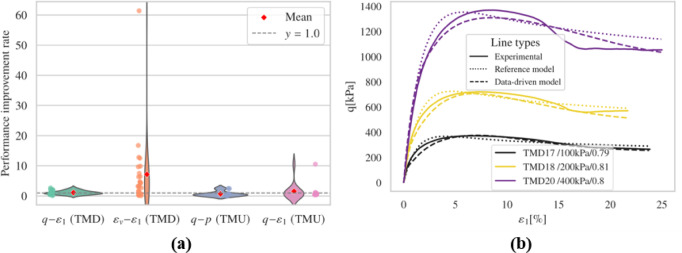 Figure 10
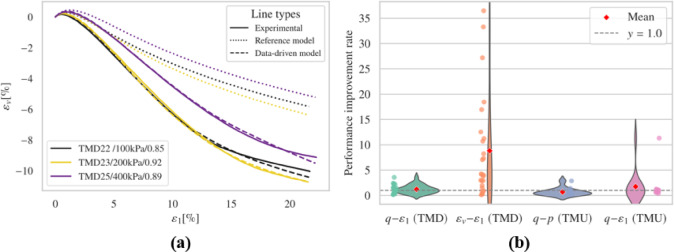 Figure 11
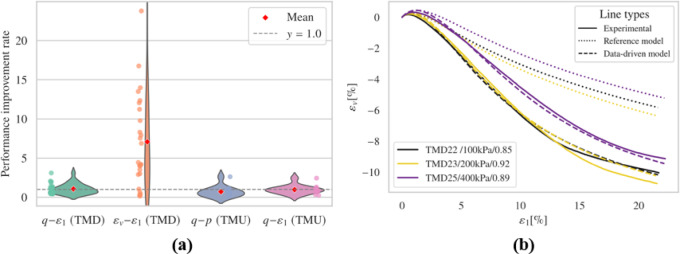 Figure 12
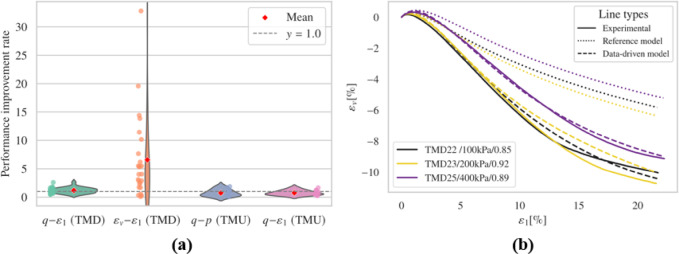 Figure 13
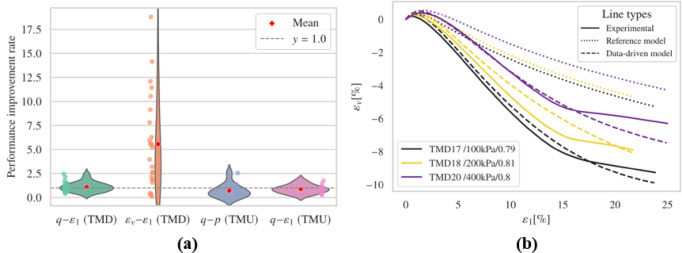 Figure 14
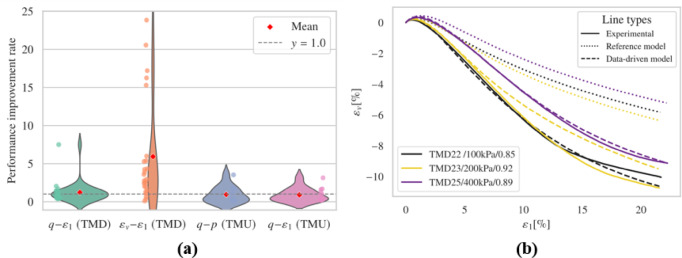 Figure 15
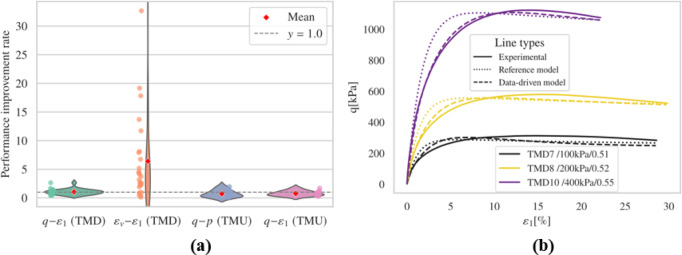 Figure 16
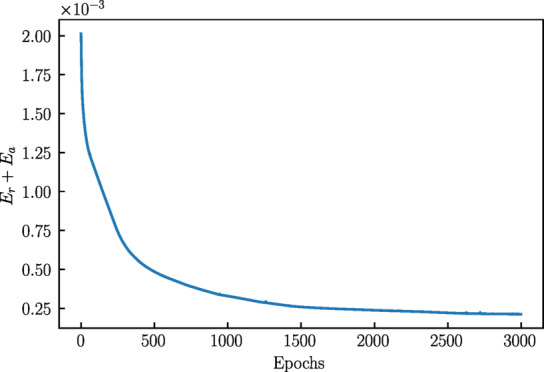 Figure 17
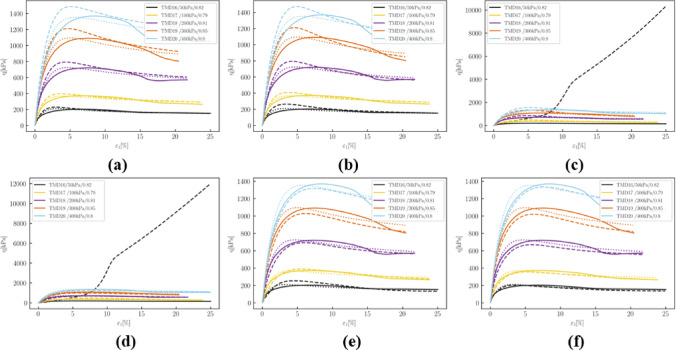 Figure 18
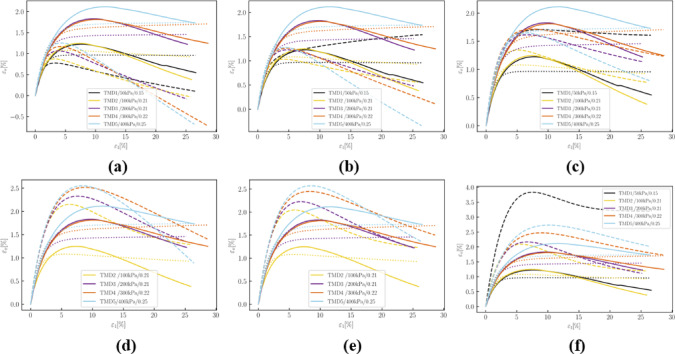 Figure 19
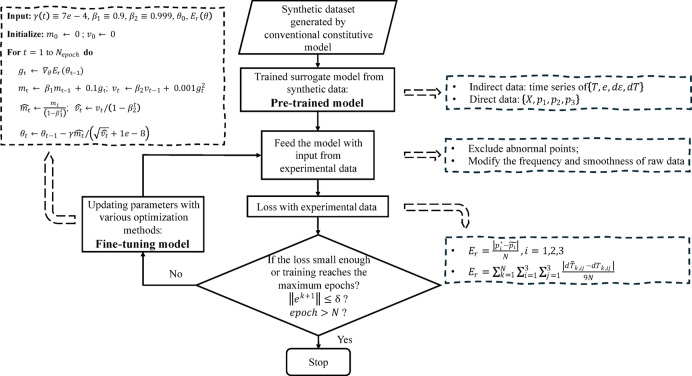 Figure 1
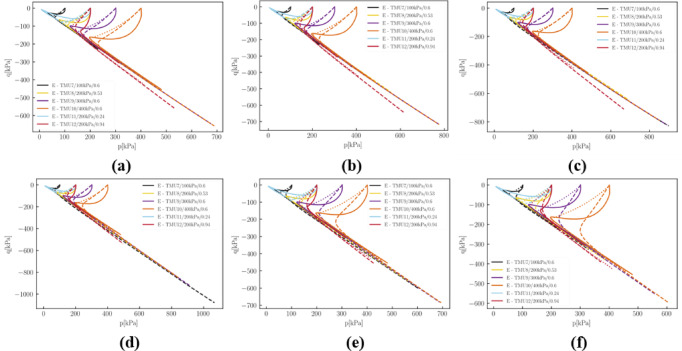 Figure 20
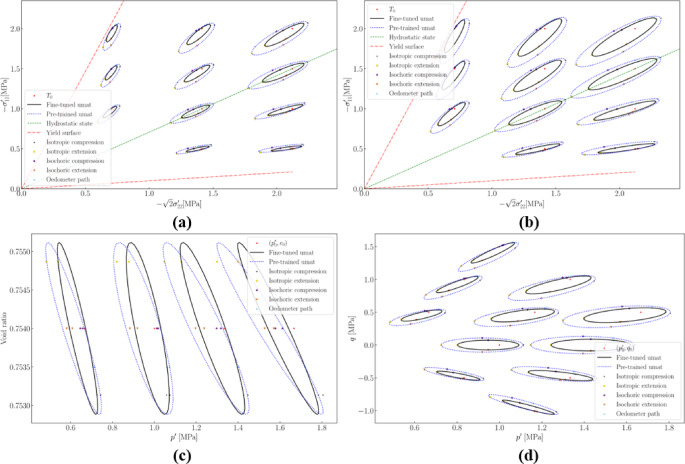 Figure 21
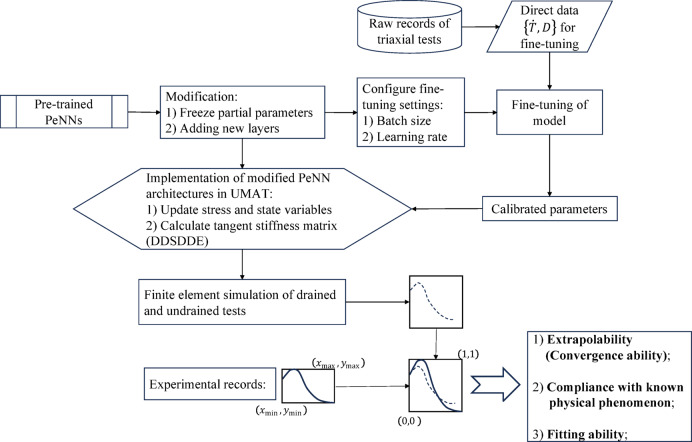 Figure 2
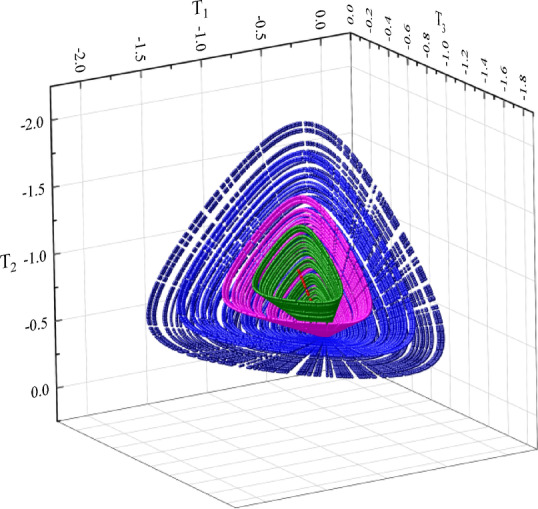 Figure 3
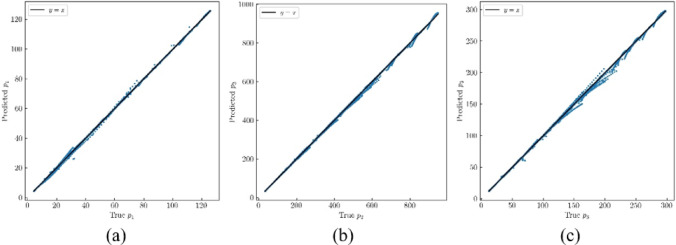 Figure 4
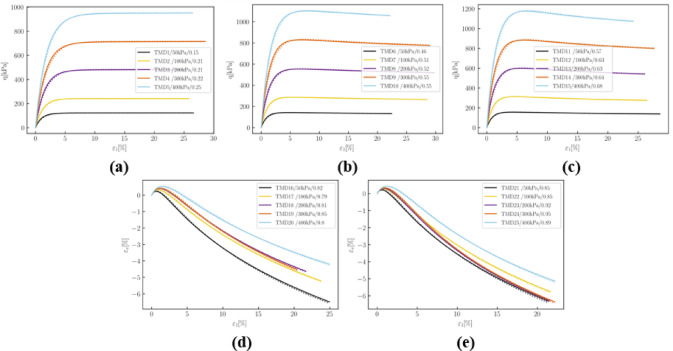 Figure 5
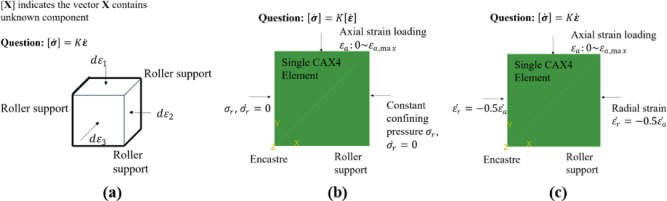 Figure 6
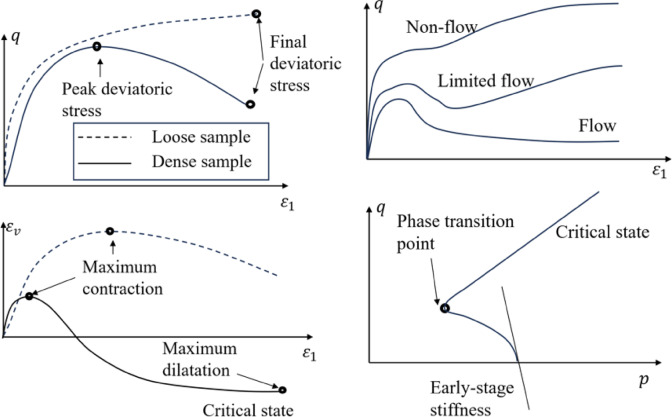 Figure 7
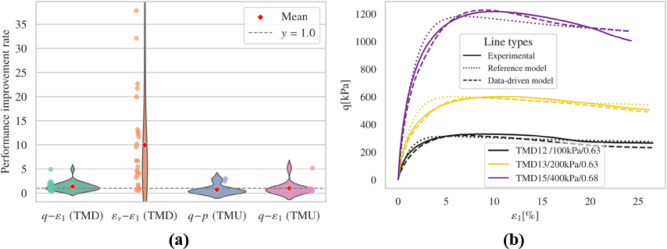 Figure 8
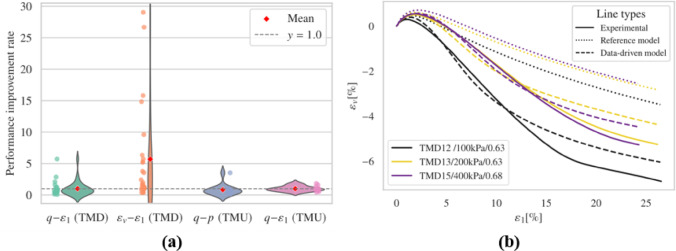 Figure 9
Peer Reviews
No public reviews on file for this paper yet. If you reviewed it on a platform where reviews are public (OpenReview, ICLR, NeurIPS, ICML), you can paste yours below so the community can read it here.
Videos
No videos yet. Explain this paper in a talk, walkthrough, or lecture? Add one.
Taxonomy
TopicsModel Reduction and Neural Networks · Machine Learning in Materials Science · Elasticity and Material Modeling